The Best Slip-on Shoes for Elderly Balance Support and Ease in 2026
The best slip-on shoes for elderly individuals in 2026 prioritize a combination of firm arch support, slip-resistant outsoles, and hands-free entry technology. Leading models like the Skechers Hands Free Slip-ins and Orthofeet’s hands-...
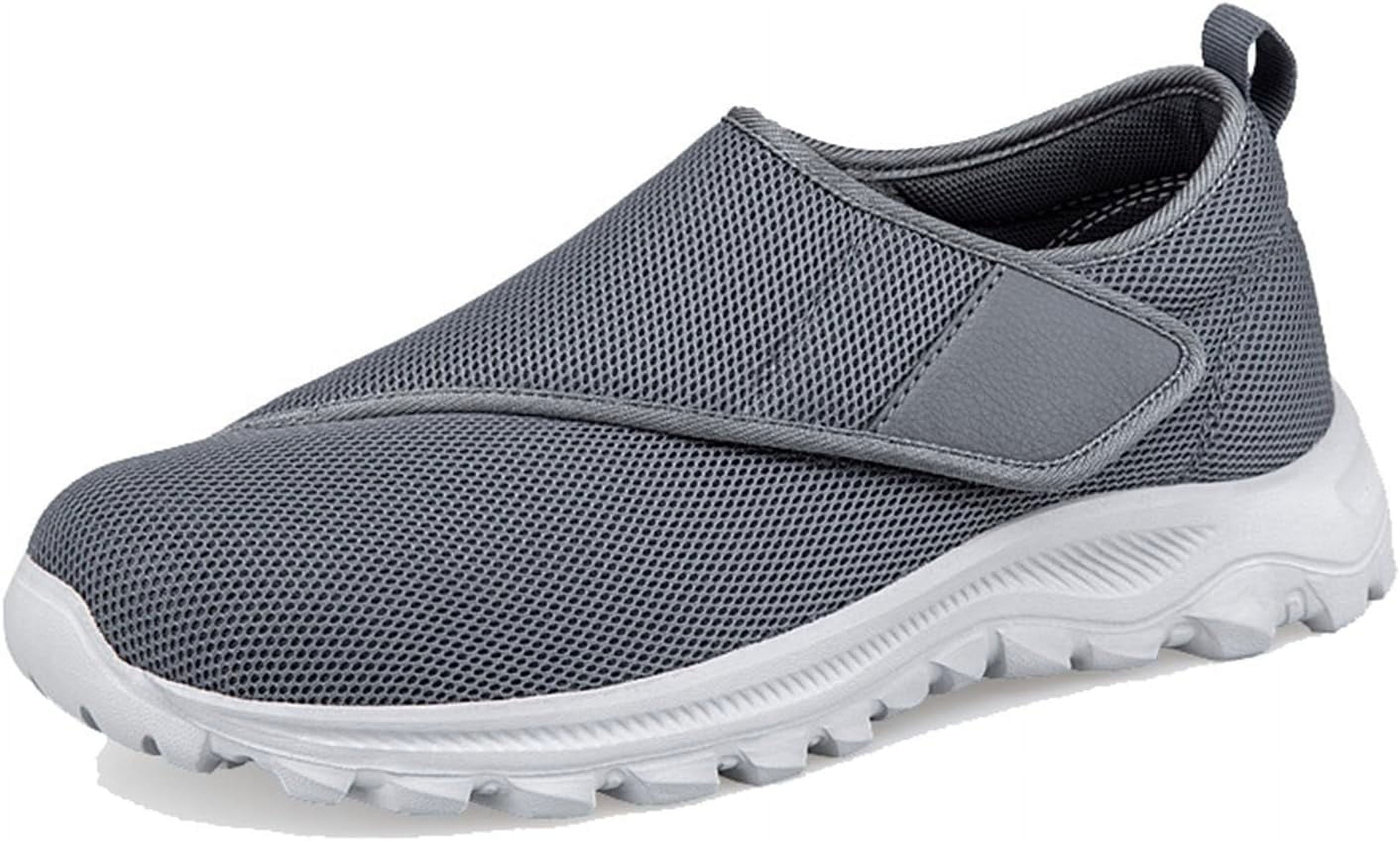
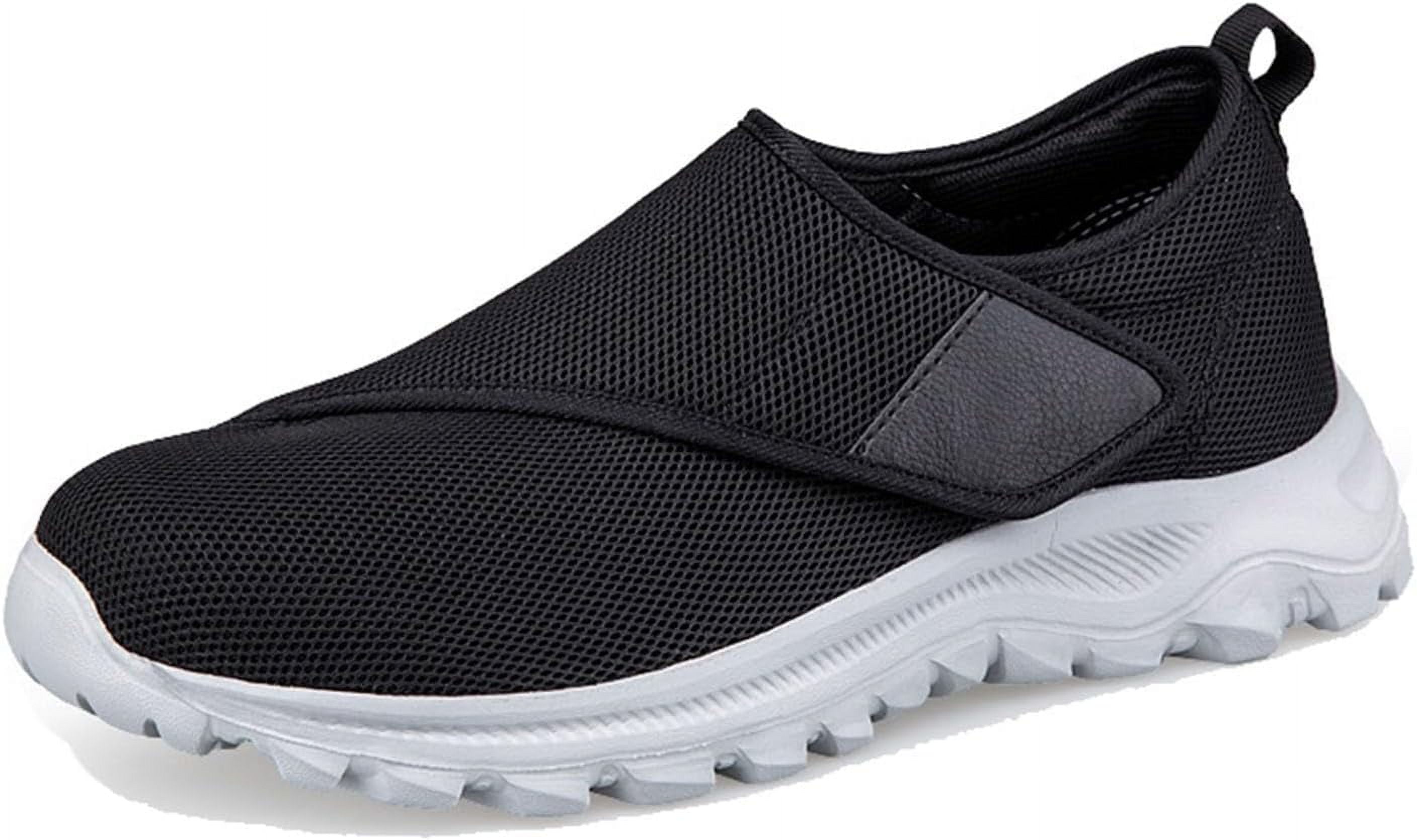
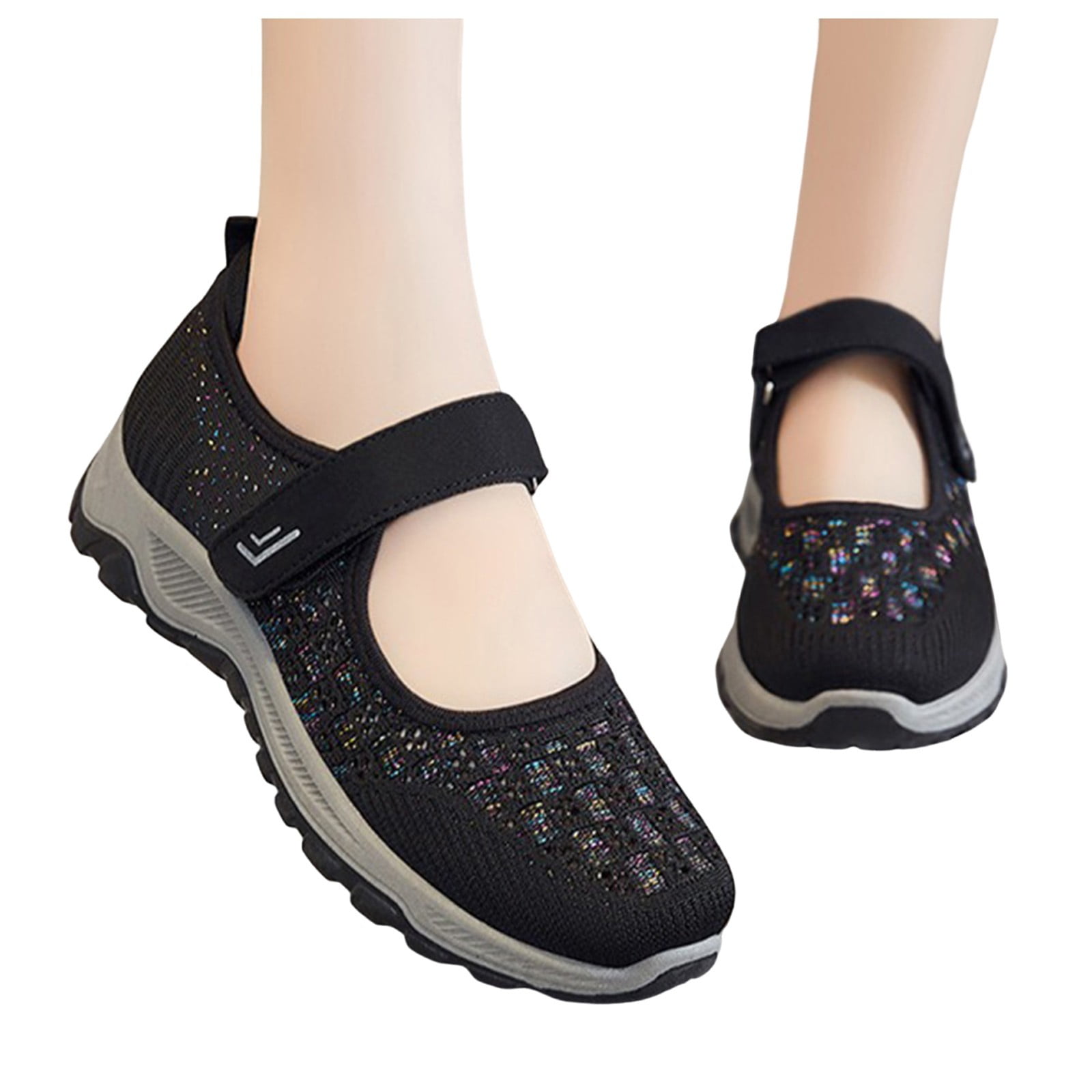
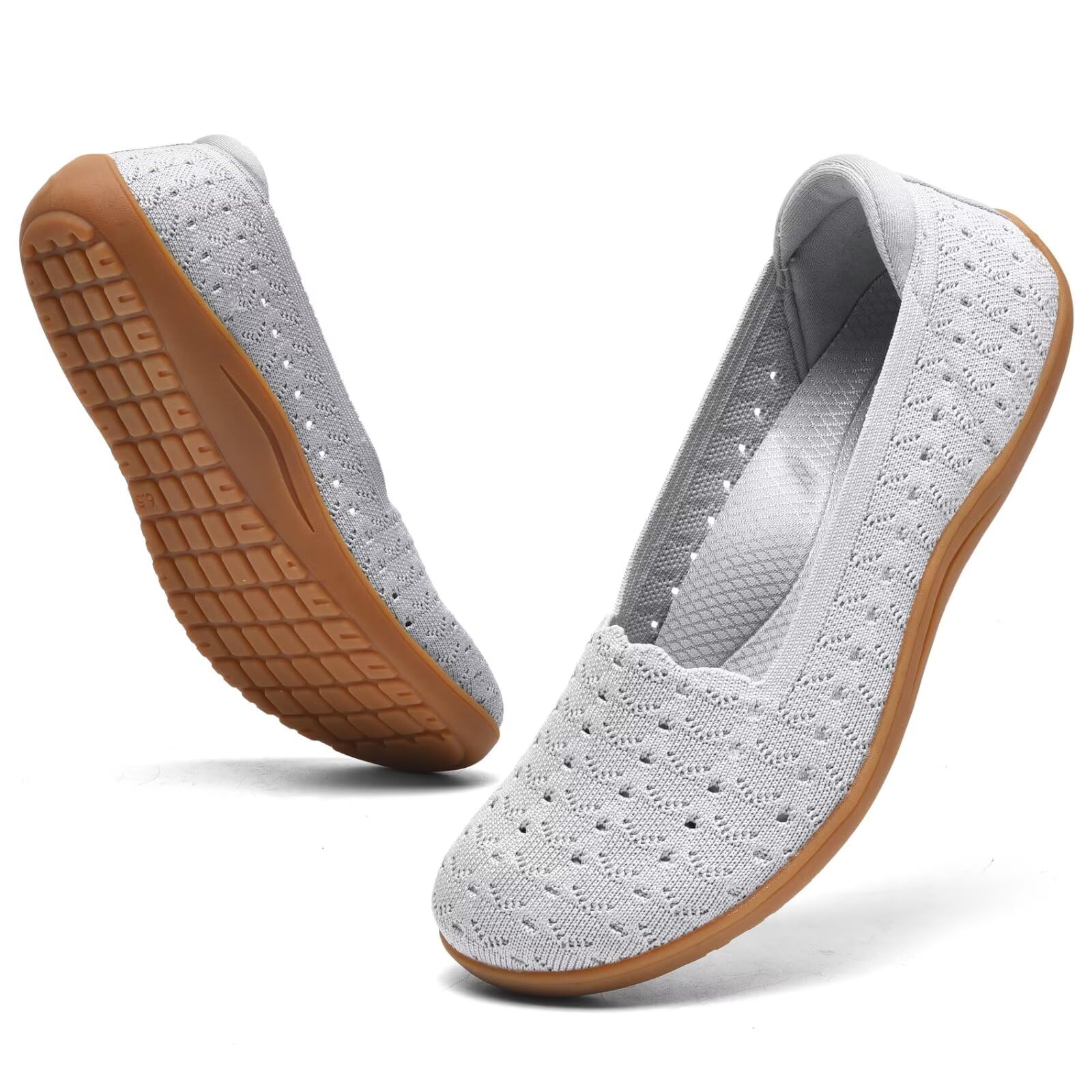
The best slip-on shoes for elderly individuals in 2026 prioritize a combination of firm arch support, slip-resistant outsoles, and hands-free entry technology. Leading models like the Skechers Hands Free Slip-ins and Orthofeet’s hands-free line offer the necessary lateral stability to prevent falls while ensuring users can put them on without bending over.
Contents
Maintaining mobility and independence in 2026 requires more than just a comfortable pair of sneakers. For seniors, the choice of footwear is a critical safety decision. As the body ages, changes in gait, decreased foot sensitivity (proprioception), and conditions like arthritis or neuropathy make traditional shoes—especially those with laces—both a physical challenge and a potential hazard. The ideal footwear must address two distinct but overlapping needs: ease of access and mechanical stability.
The Biomechanics of Balance and Footwear
To understand why specific slip-on shoes are recommended for the elderly, one must first look at the biomechanics of aging feet. Balance is maintained through a complex feedback loop involving the inner ear, vision, and the sensory receptors in the feet.
As of 2026, podiatric research emphasizes that overly cushioned "maximalist" shoes can actually increase fall risks for seniors. When a shoe is too soft, it masks the ground's texture, depriving the brain of essential sensory input needed to adjust posture. Therefore, the best shoes for balance support feature a firm midsole. This firmness provides a stable platform that prevents the foot from rolling inward (overpronation) or outward (supination), which are leading causes of trips and ankle rolls.
The Role of the Heel Counter
A critical component of any stability shoe is the heel counter—the stiff plastic or composite structure at the back of the shoe that cradles the heel. In many standard slip-ons, this area is soft to allow the foot to slide in easily. However, for those with balance concerns, a soft heel counter is a liability. The best 2026 models utilize reinforced, rigid heel counters that lock the calcaneus (heel bone) in place, ensuring the foot stays centered over the outsole during the entire gait cycle.
Leading Hands-Free Technologies in 2026
The "ease" factor in elderly footwear has been revolutionized by hands-free technology. Bending over to tie laces or use a shoehorn can cause dizziness (orthostatic hypotension) or strain the lower back and hips.
Skechers Hands Free Slip-ins
Skechers remains a dominant force in 2026 due to its proprietary "Heel Pillow" technology. This design uses a molded heel panel that allows the user to step directly into the shoe without the back collapsing. For elderly users, this removes the need for manual adjustment. The Go Walk and Arch Fit versions of these slip-ins are particularly effective because they combine this ease of entry with podiatrist-certified arch support.
Kizik and the External Cage
Kizik has moved beyond niche status into a primary recommendation for seniors. Their technology utilizes a flexible "cage" on the exterior of the heel that compresses when stepped on and snaps back into place once the foot is inside. This provides a more secure fit than traditional loafers while maintaining the convenience of a slipper. In 2026, the Kizik Athens remains a top choice for its wider base of support, which increases the "footprint" of the user and provides a more stable foundation.
Orthofeet and Therapeutic Support
For seniors dealing with medical complexities such as diabetes, bunions, or severe edema, Orthofeet offers hands-free designs that incorporate orthotic insoles. Their systems often include anatomical arch supports and multiple cushioning layers that are specifically designed to alleviate foot pain, which is a significant indirect cause of balance issues. If a senior is in pain, their gait becomes tentative and irregular, drastically increasing the risk of a fall.
Critical Features to Evaluate Before Purchase
When selecting the best slip-on shoes for balance support, caregivers and seniors should evaluate the following technical specifications:
- Outsole Material and Tread: Look for slip-resistant rubber outsoles with a wide surface area. A "lug" pattern that is too deep can catch on carpets, while a completely smooth sole will slide on tile or hardwood. A textured, low-profile rubber sole is ideal.
- Heel-to-Toe Drop: High-heeled shoes or shoes with a significant drop (the difference in height between the heel and the toe) can shift the center of gravity forward. A lower drop (4mm to 8mm) encourages a more natural, stable stance.
- Toe Box Width: The toes need room to splay. Splaying the toes is the body’s natural way of widening its base. A narrow toe box creates "toe-scrunching," which reduces the ability to balance.
- Weight of the Shoe: While stability is key, a shoe that is too heavy can lead to "foot drop" or fatigue. Lightweight materials like EVA midsoles with rubber pods are the standard in 2026 for balancing durability with weight management.
Comparison of Top Slip-on Models for Seniors (2026)
| Brand & Model | Entry Method | Support Level | Best For |
|---|---|---|---|
| Skechers Arch Fit Slip-ins | Hands-Free (Heel Pillow) | High (Arch Focused) | General mobility and high arches |
| Kizik Athens | Hands-Free (Tension Cage) | Moderate | Active seniors and wide-base stability |
| Orthofeet Hands-Free | Hands-Free (Spring) | Very High (Medical) | Neuropathy, diabetes, and bunions |
| Vionic Walker Slip-on | Traditional Slip-on | High (Bio-mechanical) | Overpronation and plantar fasciitis |
| New Balance 806 | Elastic Closure | High (Lateral) | Severe instability and lateral support |
| Zeba Shoes | Hands-Free (Steel Spring) | Moderate/High | Durability and long-term heel integrity |
Addressing Specific Foot Conditions and Balance
Foot health is not one-size-fits-all. The "best" shoe will vary depending on the specific physiological challenges the individual faces.
Neuropathy and Sensory Input
For those with peripheral neuropathy (common in diabetes), the loss of feeling in the feet makes balance incredibly difficult. These individuals need a shoe with a firm sole that provides clear "ground feel" without being painful. The American Podiatric Medical Association (APMA) suggests that seniors with neuropathy avoid memory foam insoles, as they can create a "mushy" environment that further confuses the sensory nerves.
Edema and Swelling
Feet often change size throughout the day due to fluid retention. The best slip-on shoes for this condition feature stretchable knit uppers. Brands like Propét and Orthofeet offer shoes with "stretch elements" that accommodate swelling without creating pressure points that could lead to skin breakdown or ulcers.
Arthritis and Range of Motion
When arthritis affects the small joints of the foot or the ankle, a "rocker sole" can be beneficial. A rocker sole is curved at the front (and sometimes the back) to help the foot roll through the walking motion, reducing the demand on the joints. However, this should be used with caution; for some, the curved nature of a rocker sole can feel unstable.
Environmental Considerations and Safety Limits
While high-quality footwear is a primary tool for balance, it cannot overcome all environmental hazards. In 2026, safety experts recommend a "shoe-on" policy inside the home. Most falls occur on smooth indoor surfaces while wearing socks or flimsy slippers.
Maintenance and Replacement Even the best stability shoes have a lifespan. In 2026, the standard recommendation for active seniors is to replace walking shoes every 300 to 500 miles, or every 6 to 9 months for those who wear them daily. The foam in the midsole (usually EVA) eventually loses its "rebound" and begins to compress unevenly. Once the heel of the shoe shows visible wear on one side, it will begin to pull the user's ankle into a tilted position, compromising balance.
Frequently Asked Questions
Can I use custom orthotics in hands-free slip-on shoes?
Yes, most high-quality slip-on shoes for seniors in 2026, such as those from Orthofeet or Skechers Arch Fit, feature removable insoles. This allows for the insertion of custom-molded orthotics. However, ensure the orthotic does not raise the heel so high that it compromises the "hands-free" entry mechanism or causes the heel to slip out during walking.
Are memory foam shoes good for elderly balance?
Generally, no. While memory foam feels comfortable initially, it provides poor lateral stability and can bottom out, offering no actual arch support. For balance, a firmer polyurethane or high-density EVA foam is preferred by podiatrists because it provides a consistent platform for the foot.
How do I know if a slip-on shoe is tight enough for safety?
A common mistake is buying slip-ons that are too loose to make them easier to put on. A safe slip-on should be snug around the midfoot (the instep) while leaving about a thumb's width of space at the toes. If the heel lifts out of the shoe while walking, the shoe is a trip hazard and should be resized or replaced with a model that has a more secure heel counter.
Is there a difference between "slip-resistant" and "non-slip" shoes?
In the context of 2026 safety standards, "slip-resistant" usually refers to a shoe's performance on wet or oily surfaces, often tested for workplace safety. For elderly balance, you want a rubber outsole that provides high friction on dry, smooth surfaces like hardwood and tile, as well as enough grip for outdoor pavement.
Should seniors wear slip-ons with "rocker bottoms"?
Rocker bottoms can help those with limited toe mobility or "hallux rigidus" (stiff big toe). However, because they create a naturally unstable, curved surface, they are not recommended for individuals with severe vertigo, vestibular issues, or significant cerebellar ataxia unless specifically prescribed by a physical therapist.
Final Recommendations for 2026
When shopping for the best slip-on shoes for elderly balance support and ease, prioritize Skechers Hands Free Slip-ins if the primary goal is effortless entry and general comfort. If the user requires significant correction for foot deformities or medical conditions, Orthofeet is the superior choice due to its therapeutic design.
Before finalizing a purchase, perform the "twist and bend" test: the shoe should bend at the toes but remain rigid through the arch, and it should be difficult to twist the middle of the shoe. This rigidity is the hallmark of a shoe designed to support balance. Always measure feet in the afternoon when they are at their largest to ensure a fit that remains comfortable and safe all day long.
Image Gallery