Balance Transfer vs Personal Loan for Credit Card Debt: Which Is Best in 2026?
Choosing between a balance transfer card and a personal loan depends on the total debt amount and your repayment timeline. Balance transfers are ideal for smaller debts that can be cleared within 12 to 21 months at 0% interest, while p...
Choosing between a balance transfer card and a personal loan depends on the total debt amount and your repayment timeline. Balance transfers are ideal for smaller debts that can be cleared within 12 to 21 months at 0% interest, while personal loans offer fixed rates and longer terms for larger, multi-year debt consolidation.
Contents
Navigating high-interest credit card debt requires a tactical approach to minimize interest payments and accelerate principal reduction. In 2026, the financial landscape continues to offer two primary pathways for debt consolidation: the 0% introductory APR balance transfer credit card and the fixed-rate personal loan. While both aims are identical—moving high-interest debt to a lower-interest environment—the mechanics, costs, and risks associated with each vary significantly. Selecting the wrong instrument can lead to unnecessary fees or a "repayment cliff" that leaves the borrower in a worse position than when they started.
The Mechanics of 0% APR Balance Transfer Credit Cards
A balance transfer credit card is a specialized financial product designed to attract new customers by offering an introductory period of 0% interest on balances moved from other lenders. In 2026, these introductory windows typically range from 12 to 21 months, depending on the issuer's current risk appetite and the borrower's creditworthiness.
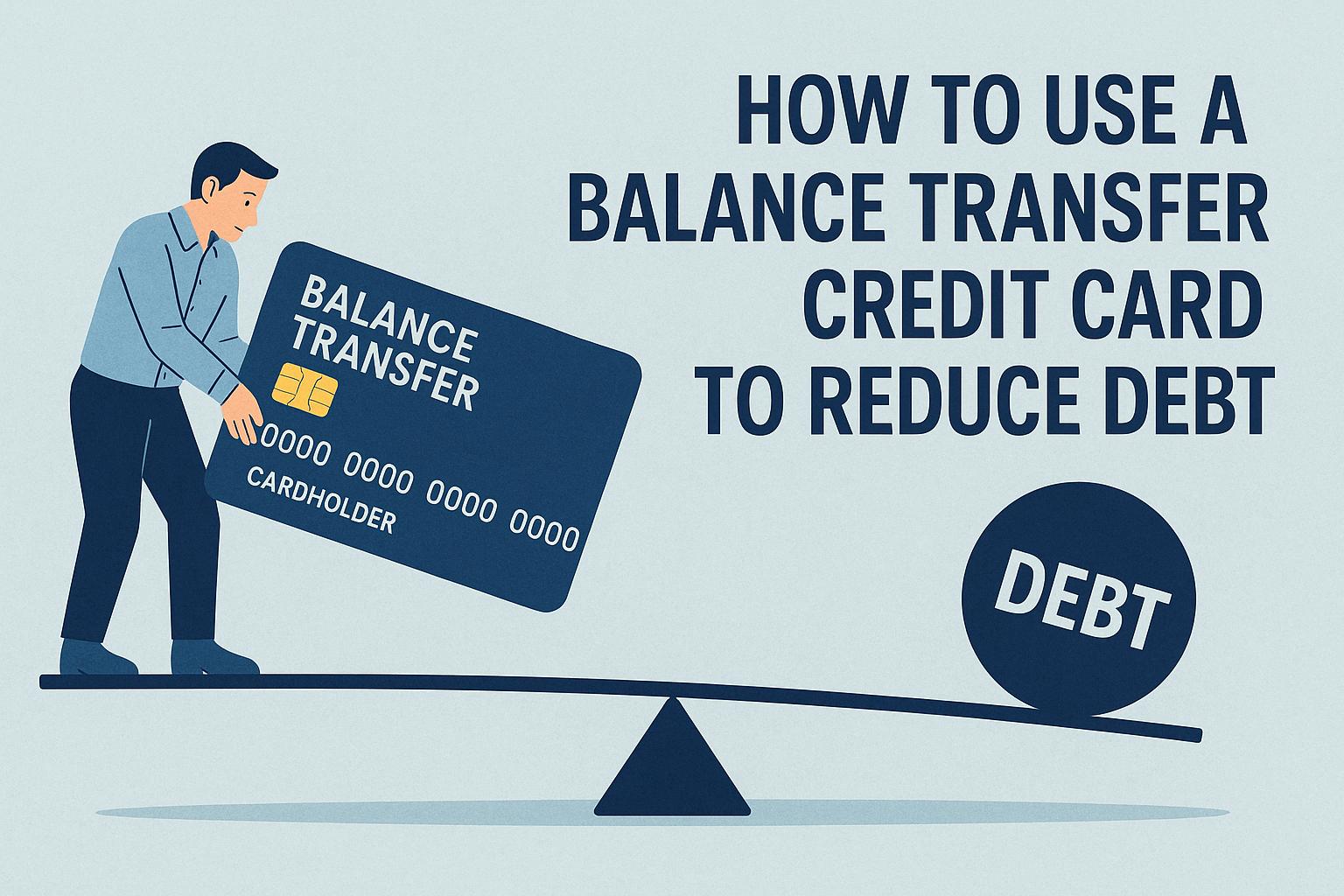
When you execute a balance transfer, the new card issuer pays off the balances on your existing high-interest cards. That debt is then moved to the new card. For the duration of the introductory period, 100% of your monthly payment goes toward the principal balance rather than being split between principal and interest. This is the most efficient way to pay down debt, provided the balance can be fully retired before the 0% window expires.
However, balance transfers are rarely free. Most issuers charge a balance transfer fee, which generally ranges from 3% to 5% of the total amount transferred. For a $10,000 debt, a 5% fee adds $500 to the balance immediately. Borrowers must calculate whether the interest saved over the 15 or 18-month window exceeds the upfront fee. Furthermore, if any balance remains after the introductory period ends, the APR typically resets to a standard rate, which often exceeds 20% in the current market.
The Mechanics of Personal Loans for Debt Consolidation
A personal loan is an unsecured installment loan that provides a lump sum of cash used to pay off various credit card balances. Unlike a credit card, which is revolving credit, a personal loan has a fixed repayment term, usually spanning three to seven years. The interest rate is fixed, meaning the monthly payment remains identical from the first month to the last.
Personal loans are often preferred for larger debt amounts—typically $15,000 or more—where a 21-month window is insufficient for full repayment. The primary advantage of a personal loan is the structured amortization schedule. Because the loan must be paid off by the end of the term, there is no risk of a "repayment cliff" or a sudden interest rate hike.
In 2026, personal loan interest rates for borrowers with good-to-excellent credit remain significantly lower than the average credit card APR. According to data tracked by the Federal Reserve, personal loan rates typically hover several percentage points below revolving credit rates, making them a cost-effective consolidation tool for those who need a longer runway to achieve debt-free status.
Side-by-Side Comparison: Balance Transfer vs. Personal Loan
| Feature | Balance Transfer Card | Personal Loan |
|---|---|---|
| Interest Rate | 0% for 12–21 months | Fixed APR (typically 7%–18%) |
| Upfront Fees | 3%–5% transfer fee | 1%–8% origination fee |
| Repayment Term | Revolving (must pay in intro window) | Fixed (3–7 years) |
| Credit Score Required | Excellent (usually 700+) | Good to Excellent (660+) |
| Ideal Debt Amount | Under $10,000 | Over $10,000 |
| Impact on Credit Mix | Revolving credit | Installment credit (usually positive) |
| Risk of Rate Hike | High (after intro period ends) | None (fixed for the life of the loan) |
Eligibility: Credit Score and DTI Requirements
Securing the best terms for either a balance transfer or a personal loan requires a strong financial profile. In 2026, lenders have tightened their debt-to-income (DTI) requirements to ensure borrowers can handle the new monthly obligations.
Credit Score Thresholds
For a 0% APR balance transfer card, most issuers require a "Good" to "Excellent" FICO score, typically 690 or higher. Some niche products for "Fair" credit exist, but they often come with shorter intro periods and higher transfer fees. You can monitor your score categories through official resources like myFICO.
Personal loans are slightly more flexible. While the best rates (single digits) are reserved for those with scores above 720, borrowers with scores in the mid-600s can often still qualify for a loan that is significantly cheaper than their current credit cards.
Debt-to-Income (DTI) Ratio
Lenders calculate your DTI by dividing your total monthly debt payments by your gross monthly income. For a personal loan, most lenders prefer a DTI below 40%, though some will go higher if the borrower has a high income or significant assets. For balance transfer cards, the issuer isn't just looking at DTI; they are looking at your total credit utilization. If your current cards are maxed out (above 90% utilization), you may be denied even with a high credit score because the issuer perceives you as high-risk.
Total Cost Analysis: Fees vs. Interest
When deciding between these two options, you must conduct a total cost of borrowing analysis. This involves comparing the upfront fees of a balance transfer against the long-term interest costs of a personal loan.
Scenario: Consolidating $12,000 of debt.
Balance Transfer Option: You find a card with a 0% APR for 18 months and a 4% transfer fee.
- Upfront Fee: $480.
- Monthly Payment required to hit zero: $693.33.
- Total Cost: $480.
Personal Loan Option: You qualify for a 3-year loan at 9% APR with a 2% origination fee.
- Origination Fee: $240 (often deducted from the loan proceeds).
- Monthly Payment: $381.60.
- Total Interest Paid over 3 years: $1,737.60.
- Total Cost: $1,977.60.
In this scenario, the balance transfer is nearly $1,500 cheaper. However, it requires a much higher monthly payment ($693 vs $381). If your budget cannot support the higher payment, the personal loan is the safer choice to avoid the 20%+ interest rate that would kick in on the credit card after 18 months.
The Impact on Your Credit Score
Both methods of consolidation affect your credit score, but in different ways. Understanding these nuances can help you maintain a healthy profile while paying down debt.
Balance Transfer Impact: Applying for a new card triggers a hard inquiry, which may cause a temporary dip in your score. However, by opening a new line of credit, you increase your total available credit limit. If you keep your old accounts open (and at a zero balance), your overall credit utilization ratio will drop significantly, which is a major positive for your FICO score.
Personal Loan Impact: A personal loan also requires a hard inquiry. However, it can improve your credit mix. FICO scores look favorably upon a mix of revolving credit (cards) and installment credit (loans). Furthermore, moving debt from a credit card to an installment loan can boost your score quickly because installment debt is weighted less heavily in utilization calculations than revolving debt.
Common Pitfalls and the "New Balance" Trap
The greatest risk in debt consolidation is not the interest rate or the fees, but the behavior of the borrower. Financial advisors frequently warn against the "double debt" trap. This occurs when a borrower consolidates their credit card debt into a personal loan, seeing their card balances hit zero, and then uses those now-empty cards to make new purchases.
To avoid this, many experts recommend "freezing" the old cards—either literally in a block of ice or figuratively by removing them from digital wallets—until the consolidation loan or balance transfer is completely paid off. The goal of consolidation is to exit the debt cycle, not to create more room for additional borrowing.
Additionally, be aware of deferred interest. While most major 0% APR balance transfer cards in 2026 use "true 0%" structures, some store-branded cards use deferred interest. With deferred interest, if you fail to pay the balance in full by the end of the term, the issuer charges you interest on the entire original amount, retroactive to the start date. Always read the terms and conditions provided by the Consumer Financial Protection Bureau (CFPB) guidelines to ensure you are getting a standard 0% intro rate.
Step-by-Step Decision Guide
To choose the right path, follow this sequence:
- Total Your Debt: List every credit card balance and its current APR.
- Evaluate Your Budget: Determine the maximum amount you can realistically pay toward debt each month.
- Check Your Credit: Use a free service to find your current FICO score.
- Run the Numbers:
- If you can pay off the debt in <21 months: Look for a Balance Transfer Card.
- If you need 2–7 years to pay off the debt: Look for a Personal Loan.
- Compare Offers: Look at at least three lenders. For personal loans, use "pre-qualification" tools that only perform a soft credit pull.
- Execute and Close the Loop: Once the transfer or loan is complete, create an automated payment plan to ensure you never miss a due date.
Frequently Asked Questions
Can I do a balance transfer to a card I already own?
Generally, no. Most credit card issuers do not allow you to transfer balances between their own products. For example, you cannot move a balance from one Chase card to another Chase card to get a 0% rate. You must move the debt to a different financial institution.
Does a personal loan have a prepayment penalty?
In 2026, most reputable online and traditional lenders do not charge prepayment penalties. This means you can pay the loan off faster than the agreed-upon term to save on interest without facing a fee. Always verify this in the loan agreement before signing.
What happens if I am denied for a balance transfer card?
If you are denied, the lender must provide an "adverse action notice" explaining why. Common reasons include too many recent inquiries or high utilization. If denied, a personal loan may be more accessible, or you might need to focus on the "debt avalanche" method (paying high-interest cards first) while improving your credit score for 6 months before reapplying.
Is it better to close my old credit cards after consolidating?
Usually, no. Closing old accounts reduces your "length of credit history" and your "total available credit," both of which can lower your credit score. It is generally better to keep the accounts open with a zero balance, perhaps charging one small subscription to them each month to keep the account active.
Recommendation for 2026
If your total credit card debt is under $8,000 and you have a stable income, prioritize a 0% APR balance transfer card. The ability to bypass interest entirely for over a year is the most aggressive and cost-effective way to regain financial control. However, if your debt exceeds $15,000 or your monthly budget is tight, a personal loan is the superior choice. The fixed monthly payment and longer timeline provide the psychological and financial stability needed to eliminate large debt loads without the risk of a sudden interest rate spike.
Image Gallery