Understanding the Runtime of Avatar 3: What Viewers Need to Know
As of late 2026, Avatar: Fire and Ash—the third installment in James Cameron’s expansive science fiction franchise—is officially slated for a theatrical release with a runtime that reflects the director’s signature penchant for immersi...
As of late 2026, Avatar: Fire and Ash—the third installment in James Cameron’s expansive science fiction franchise—is officially slated for a theatrical release with a runtime that reflects the director’s signature penchant for immersive, long-form storytelling. While final exhibition runtimes can vary slightly due to credit sequences and local intermission policies, the projected duration for the film is approximately 3 hours and 15 minutes, positioning it as a significant commitment for theatergoers.
Contents
The Evolution of Runtime in the Avatar Franchise
To understand why Avatar 3 carries such a substantial length, it is helpful to look at the historical trajectory of the series. James Cameron has consistently pushed the boundaries of cinematic duration to accommodate world-building, character development, and his proprietary High Frame Rate (HFR) 3D technology.
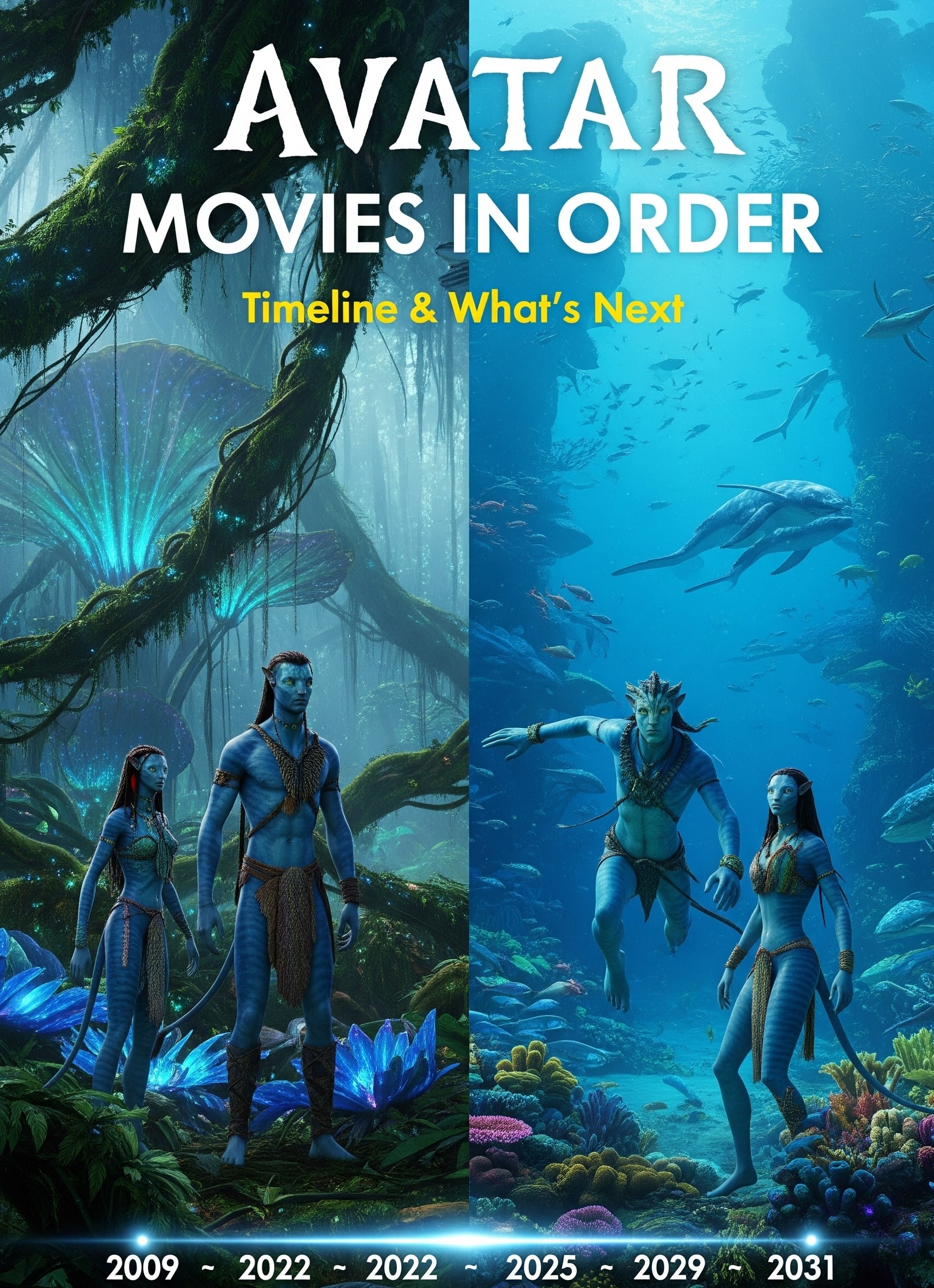
The original Avatar (2009) clocked in at 162 minutes (2 hours and 42 minutes). When Avatar: The Way of Water was released in 2022, it significantly increased that scope, reaching a runtime of 192 minutes (3 hours and 12 minutes). By maintaining a runtime that exceeds the three-hour mark for Fire and Ash, the production continues a deliberate stylistic choice. Cameron’s approach is not merely about length for the sake of endurance; it is about providing enough space to transition the audience from the oceanic environments of the previous film to the new "Ash People" culture of Pandora, while maintaining the technical fidelity required for the film’s advanced motion capture and visual effects.
Factors Influencing the Length of Avatar 3
Several logistical and artistic factors contribute to the 3-hour and 15-minute runtime. Understanding these elements can help viewers prepare for the theatrical experience.
Narrative Complexity and World-Building
The Avatar series is defined by its commitment to "planetary engineering"—the process of making Pandora feel like a living, breathing ecosystem. In Avatar 3, the narrative expands to introduce new biomes and cultures. Introducing the "Ash People" requires significant screen time for language, ritual, and societal norms, all of which are essential to the series’ immersion-first philosophy.
Technical Specifications and Frame Rates
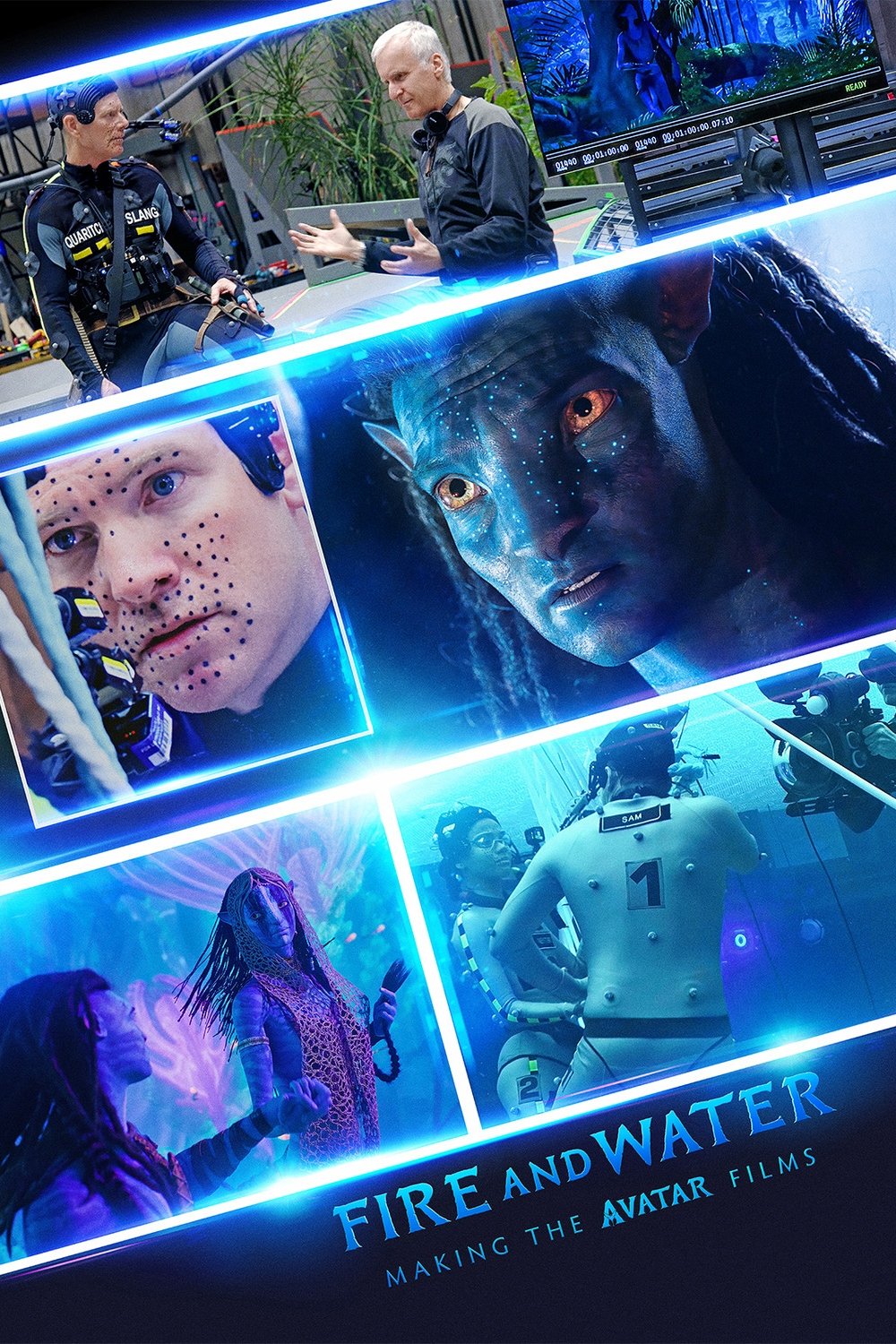
James Cameron utilizes high-end digital projection technologies. The films are often shot at higher frame rates (48 frames per second) to enhance the 3D experience. This technical requirement necessitates a precise editing pace. When a film is mastered for multiple formats—including IMAX, Dolby Cinema, and standard 2D—the integration of these visual assets requires a careful balance of pacing that often prevents the "trimming" that might occur in a shorter feature film.
Post-Credits and Technical Credits
Modern blockbusters of this scale often feature extended visual effects (VFX) credit sequences that can last up to 10 minutes. When checking how long the film is to watch, viewers should account for the fact that the "total runtime" officially registered by exhibitors typically includes these lengthy technical scrolls, which recognize the thousands of artists and engineers involved in the production.
Practical Considerations for a Three-Hour Screening
Watching a film of this duration requires a degree of preparation, particularly if you are attending a premium format screening like IMAX or 3D.
- Hydration and Comfort: Given the 195-minute commitment, comfort is paramount. Premium seating options, such as reclining chairs, are recommended to prevent physical fatigue.
- Timing the Intermission: Unlike international markets in some regions where intermissions are standard for films over three hours, North American theatrical releases rarely include a scheduled break. Viewers are advised to plan accordingly, as leaving the theater during the second act may cause you to miss pivotal character moments or technical sequences that are difficult to replicate on smaller home screens.
- Viewing Environment: To get the full value of the investment, choosing the right venue is essential. Because Avatar 3 is mastered for large-format displays, watching it in a standard multiplex may result in a loss of visual clarity compared to a dedicated large-format auditorium.
Comparison Table: Avatar Franchise Runtimes
| Film Title | Release Year | Official Runtime (approx.) |
|---|---|---|
| Avatar | 2009 | 2 hours 42 minutes |
| Avatar: The Way of Water | 2022 | 3 hours 12 minutes |
| Avatar: Fire and Ash | 2026 | 3 hours 15 minutes |
Strategic Planning for Your Theater Visit
When planning to watch Avatar 3, consider the logistical impact of the runtime on your day. Unlike a standard 90-minute film, a 3-hour-plus movie—when combined with 20 minutes of trailers and potential traffic—can easily consume four to five hours of your schedule.
Check your local theater’s listing for "High Frame Rate" or "IMAX 70mm" markers. The runtime remains the same across these formats, but the visual experience is vastly different. Because the film is designed for deep immersion, the "length" often feels shorter to audiences who are engaged in the world of Pandora. Conversely, for those prone to eye strain from 3D glasses, standard 2D screenings are usually available and can be more comfortable for the duration of a long film.
Frequently Asked Questions
Does the 3-hour and 15-minute runtime include trailers? No, the official runtime refers to the film content itself. When booking your tickets, expect to add approximately 20 to 25 minutes of previews and theater advertisements to your total time in the cinema.
Is there an intermission in Avatar 3? In most standard theatrical markets, there is no scheduled intermission. It is recommended to handle all necessary breaks before the feature presentation begins to avoid missing the dense narrative setup.
Will the film feel too long? Director James Cameron is known for "pacing by immersion." While the runtime is objectively long, the film is structured with distinct acts designed to maintain momentum. Most viewers report that the world-building elements make the length feel justified rather than bloated.
Why is Avatar 3 so much longer than the first movie? The scope of the Avatar franchise has grown. As the series moves from the original introduction of Pandora to the deep-dive exploration of the Ash People and the Na’vi clans, the density of the story requires more time to develop the internal logic of the world.
Can I watch this in a shorter format? There are no "abridged" versions of the film. The edit seen in theaters is the definitive version of the story. If you struggle with long runtimes, consider choosing a theater with premium, ergonomic seating to minimize physical discomfort.
Recommendations for the Viewer
If you plan to see Avatar 3 in theaters, prioritize securing tickets for a premiere week screening in a high-quality venue. Given the film’s status as a technical achievement, the experience is optimized for the largest possible screen. If the 3-hour and 15-minute runtime is a concern, consult your local cinema’s website for "Early Bird" or "Matinee" showtimes, which can provide a more relaxed environment for long-form viewing. Ensure you are well-rested and prepared for a significant visual experience that rewards patience and sustained attention.
Image Gallery