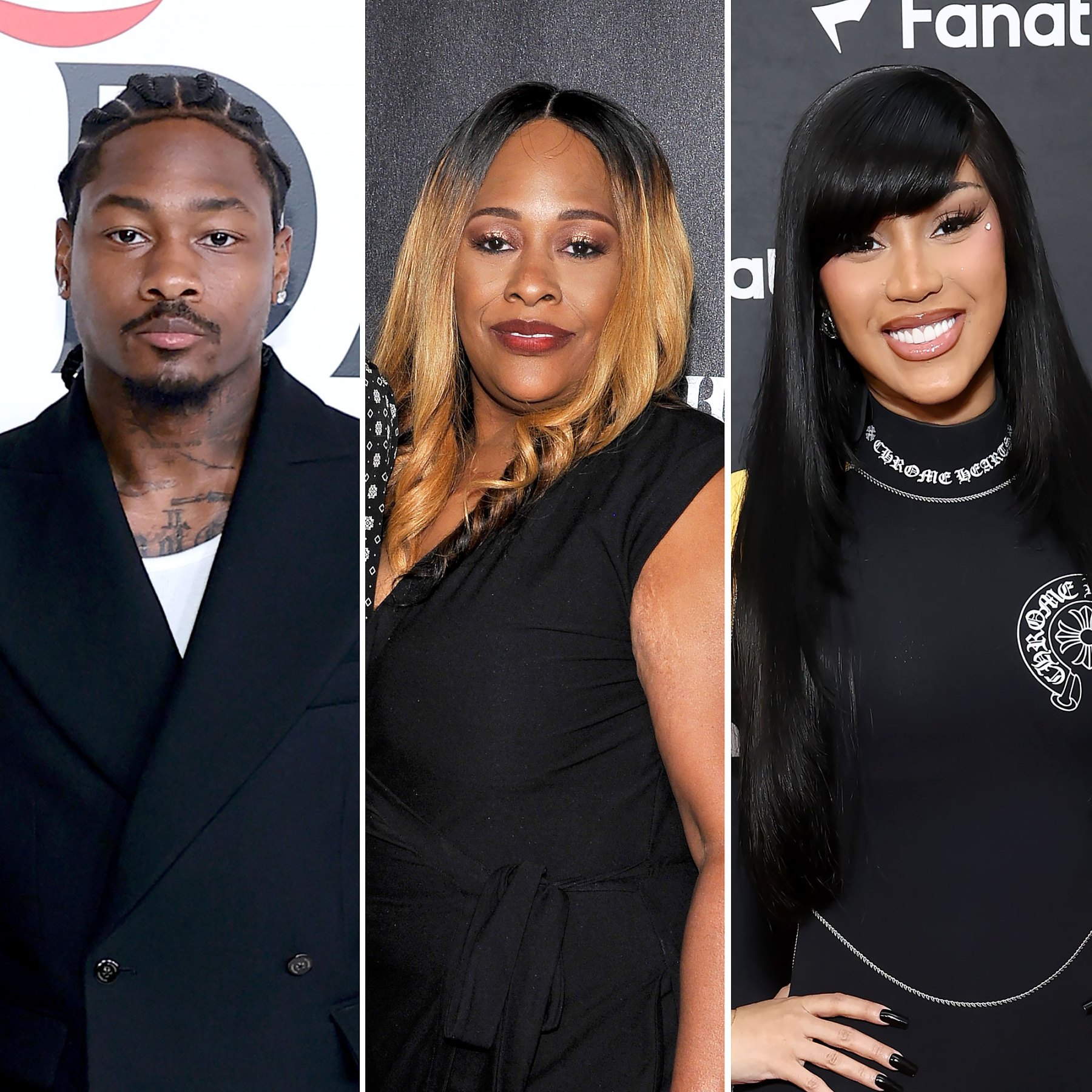
The Truth About Cardi B’s Mother’s Heritage: Clara Almánzar, Afro-Trinidadian Identity, and Afro-Latina Roots
Cardi B’s mother, Clara Almánzar, is a Black woman of Afro-Trinidadian descent. Born and raised in Trinidad and Tobago before immigrating to New York City, Clara brought a rich Afro-Caribbean heritage to her family. Cardi B has consist...
Cardi B’s mother, Clara Almánzar, is a Black woman of Afro-Trinidadian descent. Born and raised in Trinidad and Tobago before immigrating to New York City, Clara brought a rich Afro-Caribbean heritage to her family. Cardi B has consistently affirmed her mother's Black racial identity, explaining how her maternal West Indian roots define her own Afro-Latina heritage.
Contents
Who Is Clara Almánzar? The Life and Background of Cardi B’s Mother
Clara Almánzar (née Trinidadian descent) was born in Trinidad and Tobago, an island nation in the southern Caribbean known for its diverse demographic composition and vibrant West Indian culture. As a young adult, Clara immigrated to the United States, settling in New York City, where she built a life in the vibrant neighborhoods of the Bronx and Washington Heights.
In New York, Clara worked in retail, serving as a cashier for many years to support her family. She met Carlos Almánzar, a Dominican immigrant, and together they raised their daughters, Belcalis Marlenis Almánzar (known globally as Cardi B) and Hennessy Carolina Almánzar.
Growing up in Highbridge, a predominantly Latino and Afro-Caribbean neighborhood in the South Bronx, Cardi B experienced a household deeply shaped by her mother's strict Caribbean discipline and distinct West Indian culture. Clara’s influence was instrumental in shaping the resilience, work ethic, and cultural pride that later defined Cardi B’s public persona and artistic career.
- Belcalis "Cardi B" Almánzar
- Carlos Almánzar (Father: Dominican)
- Spanish-Caribbean Heritage (Dominican Republic)
- Clara Almánzar (Mother: Trinidadian)
- Afro-Caribbean / Black Heritage (Trinidad & Tobago)
- Carlos Almánzar (Father: Dominican)
Disambiguating Ethnicity, Race, and Identity: How Cardi B Explains Her Maternal Roots
Public interest in whether Cardi B’s mother is Black often stems from confusion regarding the distinction between race, ethnicity, and nationality—particularly within the Caribbean and Latin America.
- Race: Refers to social categories based on physical traits and ancestral geographic origins, such as African descent.
- Ethnicity: Refers to shared cultural traditions, language, national origins, and social heritage (e.g., Trinidadian or Dominican).
- Nationality: Refers to legal citizenship in a sovereign state (e.g., Trinidad and Tobago, Dominican Republic, or the United States).
Cardi B’s mother is racially Black and ethnically Afro-Trinidadian. Because Trinidad and Tobago is an English-speaking Caribbean nation with a large population descended from enslaved Africans, Clara's lineage is rooted in the African diaspora of the West Indies.
When Cardi B self-identifies as an Afro-Latina, she references the intersection of her father’s Dominican (Latino) nationality and culture with her mother’s Black West Indian (Afro-Trinidadian) heritage.
The Demographic Context of Trinidad and Tobago
To fully understand Clara Almánzar’s background, it helps to examine the demographic structure of Trinidad and Tobago. The Caribbean nation’s population was primarily shaped by colonial history, the transatlantic slave trade, and post-emancipation indentured labor programs.
According to demographic records from the Central Statistical Office of Trinidad and Tobago, the country’s population is primarily divided into two main ethnic groups: Afro-Trinidadians (descendants of enslaved Africans) and Indo-Trinidadians (descendants of indentured laborers from India), alongside smaller mixed, European, and Chinese communities.
| Demographic Category | Description & Historical Context | Relevance to Maternal Heritage |
|---|---|---|
| Afro-Trinidadian | Descendants of West Africans brought to Trinidad during colonial rule. | Primary ancestral background of Clara Almánzar. |
| Indo-Trinidadian | Descendants of South Asian indentured laborers brought between 1845 and 1917. | Constitutes a major demographic segment of Trinidadian culture. |
| Dougla | A local term referring to individuals of mixed Afro-Trinidadian and Indo-Trinidadian descent. | Common cultural identity category across the island nation. |
| Afro-Caribbean Diaspora | Caribbean individuals of African descent who migrated across North America and Europe. | Explains the West Indian immigrant community context in NYC. |
Clara Almánzar represents the Afro-Trinidadian stream of this history, bringing West Indian traditions, dialects, and cultural perspectives into her New York household.
Cultural Influences: Balancing Trinidadian and Dominican Roots
Growing up in a dual-heritage household exposed Cardi B to a blend of West Indian and Hispanic Caribbean customs. While her father introduced Spanish language, bachata, merengue, and Dominican culinary staples like sancocho, her mother instilled West Indian values, English-based Caribbean patois, and regional foods.
- Trinidadian Influence (Maternal - Clara Almánzar)
- Afro-Caribbean traditions
- English-Caribbean Patois
- West Indian cuisine
- Strong West Indian family rules
- Dominican Influence (Paternal - Carlos Almánzar)
- Spanish language fluency
- Merengue & Bachata music
- Traditional Dominican dishes
- Island heritage connections
This dual upbringing allowed Cardi B to navigate both Black American/West Indian spaces and Afro-Latino environments seamlessly. She has frequently recalled listening to soca and calypso alongside reggaeton and hip-hop during her childhood in the Bronx.
Public Clarifications and Addressing Misconceptions
Throughout her career, Cardi B has repeatedly addressed public inquiries regarding her mother’s race and her own identity. In mainstream media, critics and fans alike have sometimes conflated non-white Latinidad with a single racial look, leading to confusion when Latin artists claim Black identity.
In public livestreams, radio appearances, and social media discussions, Cardi B has clarified her family's background directly:
"My mom is Black, she's Trinidadian... Being Black isn't about talking a certain way or being from a specific state. Black people are everywhere in the Caribbean, Latin America, and all over the world."
Cardi B has used her platform to educate audiences on Afro-Latinidad, emphasizing that being Latina is a cultural identity, not a race. She has pointed out that many Caribbean nations—including the Dominican Republic, Puerto Rico, Haiti, and Trinidad—possess deep African ancestry due to the historic transatlantic slave trade.
Synthesis of Maternal & Paternal Lineage
The following breakdown illustrates how Cardi B's heritage connects her maternal and paternal lineages:
| Profile Feature | Maternal Side (Clara Almánzar) | Paternal Side (Carlos Almánzar) | Combined Heritage (Cardi B) |
|---|---|---|---|
| Country of Origin | Trinidad and Tobago | Dominican Republic | United States (Born in NYC) |
| Primary Cultural Region | English-speaking West Indies | Spanish-speaking Caribbean | Urban NYC (Bronx / Washington Heights) |
| Racial Identity Group | Black / Afro-Caribbean | Afro-Latino / Mixed Caribbean | Black / Afro-Latina |
| Primary Household Languages | English, English-based Caribbean Patois | Spanish | English, Spanish, NYC Vernacular |
| Cultural Influences | Soca, Calypso, West Indian discipline | Bachata, Merengue, Dominican cuisine | Global Hip-Hop, Latin Trap, Pop Culture |
The Legacy of West Indian Culture in New York Hip-Hop
The story of Clara Almánzar and her daughter reflects a broader historical pattern in New York City. The South Bronx and Brooklyn have long served as entry points for West Indian and Caribbean immigrants.
From the early days of DJ Kool Herc (who brought Jamaican sound system culture to the Bronx in the 1970s) to modern artists, West Indian heritage has been central to the development of hip-hop culture. Cardi B’s success showcases the ongoing influence of West Indian mothers and families who raised first-generation American children in the heart of NYC's hip-hop landscape.
Frequently Asked Questions
Is Cardi B's mother Black?
Yes, Cardi B’s mother, Clara Almánzar, is a Black woman of Afro-Trinidadian descent. She was born and raised in Trinidad and Tobago before moving to the United States.
Where is Clara Almánzar from?
Clara Almánzar was born in Trinidad and Tobago, an island nation located in the southern Caribbean. She later immigrated to New York City, settling in the Bronx.
What is Cardi B’s full nationality and ethnic background?
Cardi B is an American citizen born in New York City. Her ethnic background is dual-Caribbean: her father is Dominican and her mother is Trinidadian. She identifies racially as Afro-Latina and Black.
Why does Cardi B refer to herself as Afro-Latina?
Cardi B identifies as Afro-Latina because she inherits Black racial roots from her Afro-Trinidadian mother and Afro-Dominican ancestry, combined with the Latin American culture of her father’s Dominican background.
Are Cardi B and Hennessy Carolina full sisters?
Yes, Cardi B and her sister, Hennessy Carolina Almánzar, share the same mother (Clara Almánzar) and father (Carlos Almánzar). Both share Afro-Trinidadian and Dominican heritage.
Summary and Next Steps
Understanding Clara Almánzar’s background clarifies how race, ethnicity, and nationality intersect in Cardi B’s family history:
- Maternal Heritage: Clara Almánzar is a Black woman from Trinidad and Tobago (Afro-Trinidadian).
- Paternal Heritage: Carlos Almánzar is from the Dominican Republic (Dominican).
- Identity: Cardi B is an Afro-Latina artist whose lineage combines West Indian and Spanish-Caribbean traditions.
For those interested in exploring Caribbean heritage and Afro-Latino history further, studying the demographic reports of the U.S. Census Bureau regarding Afro-Caribbean diaspora populations in New York provides valuable historic and sociological context.
Image Gallery