Why You Hear Animal Scratching in the Attic at Night
Hearing animal scratching in your attic at night typically indicates the presence of nocturnal pests, such as mice, roof rats, raccoons, opossums, or flying squirrels. These animals invade attics searching for warmth, safe nesting site...
Hearing animal scratching in your attic at night typically indicates the presence of nocturnal pests, such as mice, roof rats, raccoons, opossums, or flying squirrels. These animals invade attics searching for warmth, safe nesting sites, and protection from predators. Nighttime noise occurs as they wake up, forage for food, chew building materials, or construct nests.
Contents
Identifying the Intruder by Sound, Timing, and Behavior
Attics act as acoustic soundboards. Drywall and ceiling plaster amplify even the smallest movements, making a tiny mouse sound like a much larger creature. To accurately identify what is living above your ceiling, you must analyze the cadence, weight, timing, and specific characteristics of the noises.
Mice and Roof Rats (Rodents)
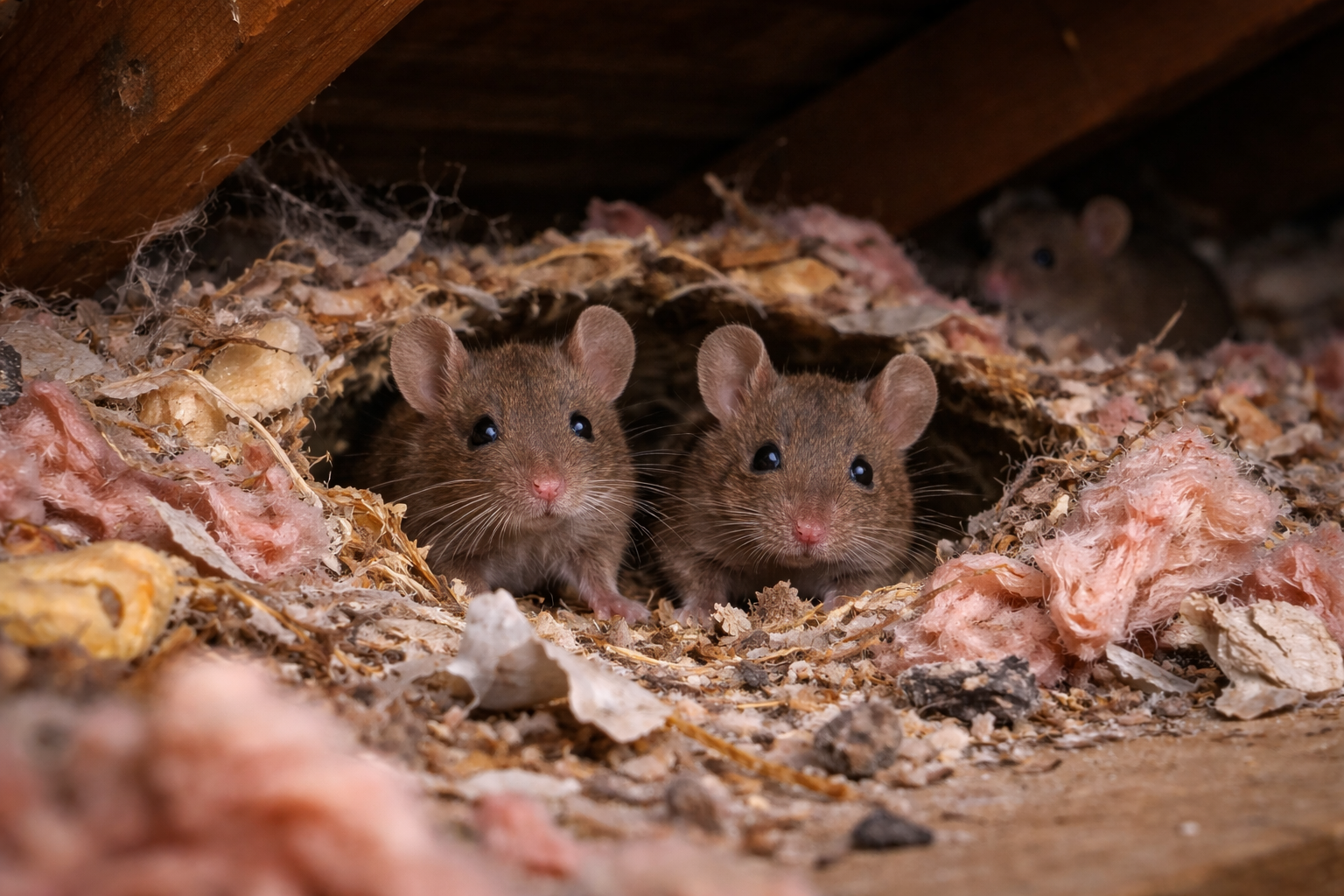
Mice and roof rats are the most common nocturnal attic invaders. Because rodents must constantly wear down their fast-growing incisors, their activity involves persistent, high-pitched gnawing along with rapid, light scuttling across drywall.
- Sound Profile: Light pitter-patter, rapid scratching, sharp tapping, and distinct scraping noises against wood joists or drywall.
- Timing: Active throughout the night, with peak activity occurring shortly after dark and again right before dawn.
- Behavior: Rodents travel along set paths, often close to wall plates and support beams. If you hear quick movement along the edges of the room that stops and starts abruptly, rodents are the likely culprit.
Raccoons
Raccoons are heavy, solitary mammals that bring significant force into an attic. A mother raccoon seeking a nursery site in early spring can tear through soffits, roof vents, and fascia boards.
- Sound Profile: Heavy, slow thuds, loud dragging sounds, and clear vocalization. Raccoons produce distinctive chattering, purring, growling, or high-pitched squeaking (especially if young kits are present).
- Timing: Primarily active during the first few hours after sunset when leaving to forage, and during the early morning hours when returning to sleep.
- Behavior: Raccoons move deliberately. You will often hear deep thuds as they step off ceiling joists onto drywall or shift heavy insulation to build nests.
Flying Squirrels
While common gray squirrels are diurnal (active during the daytime), flying squirrels are strictly nocturnal. They live in large colonies, meaning an infestation rarely involves just a single animal.
- Sound Profile: Sudden bursts of light, frantic running, thumping noises from jumping between rafters, and rolling sounds (often caused by nuts or acorns being stored).
- Timing: Late night into the early hours of the morning, usually between 11:00 PM and 4:00 AM.
- Behavior: Flying squirrels operate in groups. If you hear multiple animals racing across the ceiling simultaneously, followed by brief periods of total silence, flying squirrels are usually responsible.
Bats and Opossums
Bats and opossums are less likely to produce heavy scratching, but they remain frequent attic occupants.
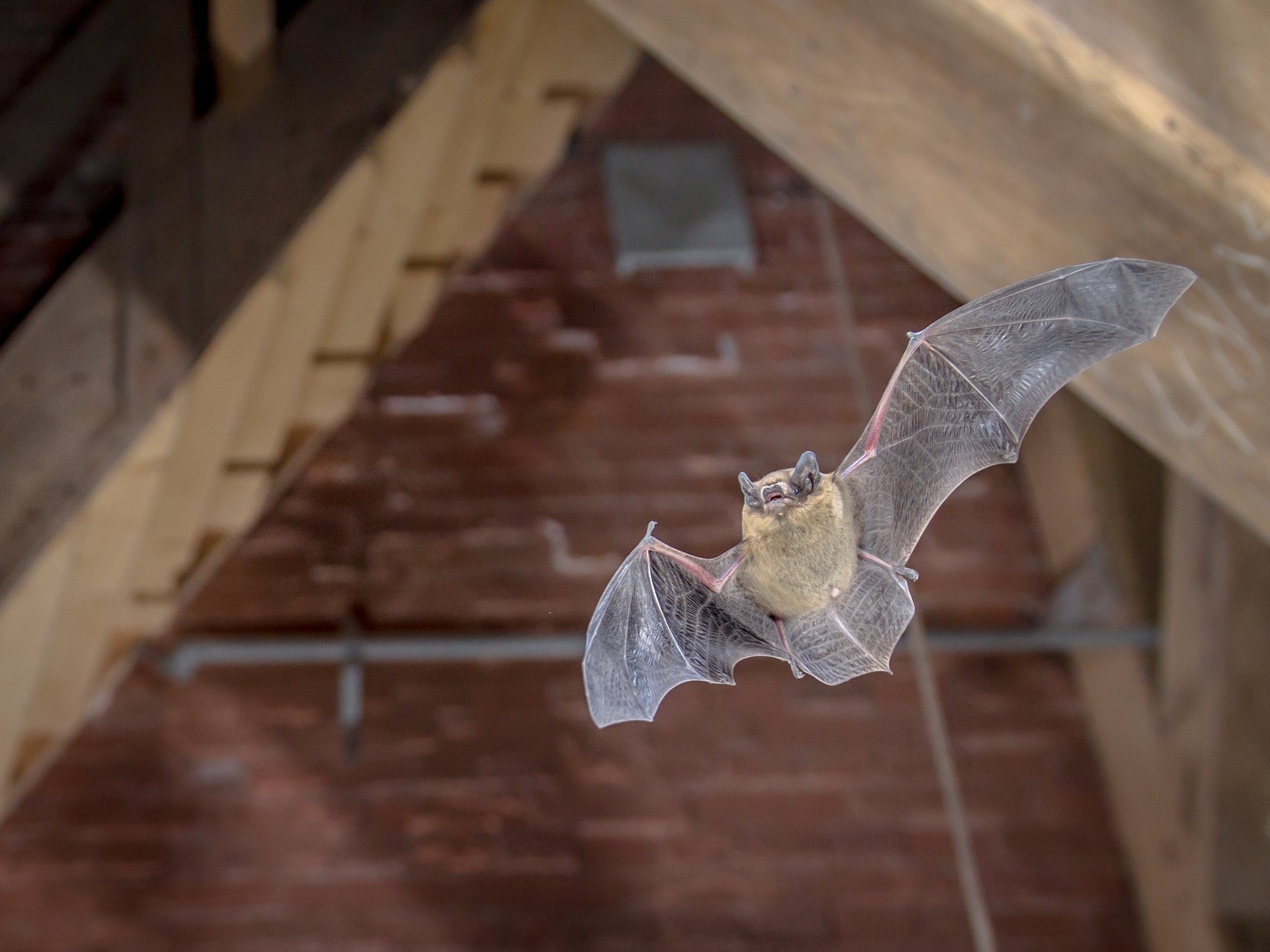
- Bats: Bats produce very light scratching or fluttering near wall voids, rooflines, or gable vents. They emit high-pitched squeaks and clicking sounds just before leaving the roost at dusk.
- Opossums: Opossums are slow-moving and generally quiet, but their larger body size creates heavy rustling in loose insulation. They rarely jump or run, moving instead with a slow, heavy drag.
Diagnostic Guide to Nocturnal Attic Invaders
The following table compares the physical and behavioral indicators of common nocturnal wildlife found in residential attics:
| Pest Species | Sound Characteristics | Peak Activity Window | Minimum Entry Hole Size | Key Distinguishing Signs |
|---|---|---|---|---|
| Mice | Light scuttling, sharp gnawing | 10:00 PM – 4:00 AM | 1/4 inch (dime-sized) | Small oblong droppings (1/4 in), chewed box corners, shredded insulation |
| Roof Rats | Scrambling, dragging, heavy gnawing | 9:00 PM – 5:00 AM | 1/2 inch (nickel-sized) | Capsule-shaped droppings (1/2 in), grease rub marks along rafters |
| Raccoons | Heavy steps, thuds, vocal growls/squeaks | Sunset and pre-dawn | 3 to 4 inches (or bent vents) | Large 2–3 inch droppings, displaced insulation, heavy structural damage |
| Flying Squirrels | Rapid group running, thumping, acorn rolling | 11:00 PM – 3:00 AM | 1 to 1.5 inches | Communal latrine areas with strong odor, cached nut shells in insulation |
| Bats | Scratching near eaves, faint fluttering | Dusk and dawn | 3/8 inch (pencil-width gap) | Guano piles under roost sites, oily dark stains at roof entry points |
Primary Reasons Wildlife Invades Your Attic
Animals do not enter residential attics by accident. Homes provide ideal microclimates that shield wildlife from harsh weather and natural predators.
- Attic Attractants & Entry Pathways
- Structural Openings: Unsealed Soffits, Damaged Vents, Loose Shingles
- Environmental Comfort: Temperature Regulation & Predator Defense
- Resource Availability: Nearby Tree Branches, Unsecured Trash, Pet Food
Thermal Regulation and Weather Protection
During autumn and winter, outside temperatures drop, prompting wildlife to seek thermal refuge. Attics retain escaping heat from the living spaces below, offering a stable ambient temperature. In summer, extreme heat drives pests to find sheltered crevices with adequate airflow near ridge vents.
Safe Nesting for Reproduction
Spring and early fall mark primary breeding seasons for urban wildlife. Pregnant females actively seek dark, dry, undisturbed spaces to give birth and raise offspring. An attic ceiling keeps offspring safe from ground predators like coyotes, foxes, and neighborhood dogs.
Access to Nearby Food and Water
Overhanging tree branches, unclipped vines, and elevated power lines act as bridges directly onto your roof. Once on the roof, animals are drawn in by nearby food sources, including unsecured trash cans, outdoor pet dishes, bird feeders, and standing water in clogged gutters.
Hidden Dangers of Ignoring Attic Infestations
Allowing wild animals to reside in your ceiling structure poses immediate risks to structural integrity, electrical safety, and family health.
Electrical Wiring Damage and Fire Hazards
Rodents and squirrels must constantly chew to keep their teeth at a manageable length. When living in attics, they frequently strip the plastic insulation off electrical wiring. Exposed, bare wires hidden beneath flammable attic insulation represent a major, unseen fire risk.
- Chewed Electrical Insulation
- Exposed Copper Wire
- Heat Build-Up in Attic Insulation
- Fire Hazard
Destruction of Building Insulation
Animals crush, compress, and pull apart blown-in fiberglass or cellulose insulation to weave their nests. Compressed insulation loses its R-value, leading to noticeable thermal leaks, higher heating and cooling bills, and hot or cold spots throughout the living quarters below.
Severe Health Hazards and Biohazards
Wildlife droppings, urine, and bodily fluids accumulate rapidly, contaminating ceiling drywall and structural framing.
- Hantavirus Pulmonary Syndrome: Transmitted via the inhalation of airborne dust contaminated with infected rodent urine or droppings. Detailed safety guidelines on rodent pathogen management are provided by the Centers for Disease Control and Prevention.
- Histoplasmosis: A lung infection caused by breathing in spores from fungi that grow on bat guano and bird droppings.
- Leptospirosis: A bacterial disease spread through water or soil contaminated with urine from infected rodents or wildlife.
- Raccoon Roundworm (Baylisascaris procyonis): Infection occurs through the accidental ingestion of microscopic roundworm eggs found in raccoon feces, which can lead to severe neurological damage.
- Secondary Ectoparasites: Wild animals carry fleas, ticks, mites, and bat bugs into the home. Once the primary animal host leaves or dies, these parasites often migrate downward into living areas searching for new hosts.
Professional Step-by-Step Attic Inspection Strategy
Before attempting any removal or repair, you must safely inspect the property to determine the extent of the infestation and locate all active entry points.
Step 1: Exterior Roofline Audit
Perform an exterior walk-around during daylight hours using binoculars or a ladder. Focus on vulnerable points where roof planes intersect:
- Roof Vents and Ridge Caps: Check for torn wire mesh, chewed plastic hoods, or missing caps.
- Soffits and Fascia Boards: Look for gaps created by water rot, loose soffit panels, or bent aluminum trim.
- Gable Vents: Inspect screen backing for tears or gnaw marks along wooden slats.
- Roof Intersections and Eaves: Look for dark grease marks left by animals rubbing their fur against the home as they climb through tight gaps.
Step 2: Interior Attic Inspection Protocols
When entering an attic, prioritize personal safety:
- Wear Personal Protective Equipment (PPE): Always wear a properly fitted N95 or P100 respirator, thick gloves, safety glasses, and a disposable protective suit to prevent contact with biohazards and insulation fibers.
- Step Only on Structural Joists: Stepping on ceiling drywall will result in falling through the ceiling. Use temporary kneeling boards across joists for safe footing.
- Use a High-Lumen Flashlight: Look across the surface of the insulation for established footpaths, localized latrines, shredded material, or daylight shining through structural entry holes.
Safe Removal and Exclusion Methods
Simply setting traps without fixing structural vulnerabilities leads to recurring infestations. Effective control requires a strategic approach that combines exclusion, humane removal, and repairs.
Exclusion Process Flow:
- Identify and Seal All Secondary Openings (Keep Main Exit Open)
- Install One-Way Exclusion Door at the Primary Entry Point
- Monitor Activity (Confirm Silence for 3 to 5 Days)
- Remove Exclusion Door and Permanently Seal Main Opening
Implementing One-Way Exclusion Doors
One-way exclusion doors are the preferred humane method for removing larger mammals like squirrels, raccoons, and opossums. These spring-loaded wire or plastic gates allow animals to exit the building to forage, but block re-entry.
- Locate the Primary Entry: Identify the main hole being used by checking for heavy wear and urine scent.
- Seal Secondary Holes: Seal every other potential entry point on the roof and siding using galvanized hardware cloth and metal flashing.
- Mount the Device: Secure the one-way door over the primary hole using heavy screws.
- Verify Total Exit: Leave the door in place for 3 to 5 days until all activity inside the attic ceases.
- Permanently Seal: Remove the exclusion door and permanently patch the final hole with durable roofing materials.
Caution: Never install a one-way door during the spring nesting season (March through July) without first verifying that there are no immobile baby animals inside. Trapping baby animals inside will cause them to starve, resulting in severe odor problems and driving mother animals to destroy interior ceiling drywall to reach their young.
Handling Protected Species and Legal Regulations
Certain species, particularly bats and specific migratory birds, are legally protected under state and federal environmental laws. For example, performing a bat exclusion during maternity season (typically April through August, depending on the region) is illegal in many jurisdictions because flightless pups become trapped inside. Always consult your state's department of natural resources or wildlife agency before taking action against protected species. For guidelines on humane wildlife eviction, consult the Humane Society of the United States.
Long-Term Exclusion Materials and Prevention
Temporary patches like standard spray foam, caulk, or plastic screens will not stop determined animals. Long-term rodent and wildlife exclusion demands professional-grade materials.
- Building Material Defense Selection
- Galvanized Hardware Cloth (1/4-inch mesh): Stops Rodents & Small Birds
- Heavy-Gauge Metal Flashing: Blocks Raccoon Gnawing at Fascia
- Copper Mesh + Polyurethane Foam: Fills Narrow Siding Crevices
Essential Materials for Attic Repairs
- 1/4-Inch Galvanized Hardware Cloth: The standard barrier material for vents and open soffits. Rodents cannot chew through galvanized steel wire.
- 26-Gauge Sheet Metal Flashing: Ideal for custom fitting over damaged roof corners, fascia boards, and timber junctures.
- Copper Mesh / Stainless Steel Wool: Excellent for stuffing into small pipe penetrations and brick weep holes before sealing with polyurethane expanding foam. (Unlike steel wool, copper and stainless steel do not rust over time).
- Heavy-Duty Commercial Vent Covers: Pre-manufactured steel cages bolted directly over roof vents, attic turtles, and chimney flues.
Environmental Hazard Reduction
- Trim Tree Branches: Cut back all overhanging tree limbs to maintain a minimum distance of 6 to 10 feet from your roofline. This eliminates the jump distance for squirrels and raccoons.
- Manage Exterior Lighting and Food: Secure outdoor trash receptacles with tight-locking lids. Bring pet food bowls indoors overnight and suspend bird feeders away from the roofline.
- Clean Out Gutters Regularly: Clear leaves and debris from gutters to eliminate standing water sources on the roof and prevent wood rot along fascia boards.
Frequently Asked Questions
How can I tell the difference between rats and raccoons in my attic?
Rats produce light, continuous scuttling, scratching, and rapid gnawing sounds, primarily moving around the perimeter of the room. Raccoons are much heavier, making distinct, slow, thudding footsteps that sound like human footsteps across the ceiling. Raccoons also frequently make vocal noises such as chattering, growling, or purring.
What should I do if the scratching sounds happen during the daytime?
Daytime scratching usually points to gray squirrels, chipmunks, or birds. Gray squirrels are diurnal and are most active in the early morning and late afternoon as they leave and return to the attic. If you hear loud, frantic scratching in a single wall void during the daytime, a squirrel or bird may have accidentally fallen down a wall cavity and become trapped.
Will strobe lights or ultrasonic repellers drive animals out of my attic?
Ultrasonic repellers are generally ineffective over the long term. Pests quickly adapt to the repetitive sound frequency. While bright strobe lights or radios placed in an attic can temporarily disturb animals like raccoons, they rarely cause pests to permanently abandon a established nest—especially if young are present. Physical exclusion remains the only dependable solution.
Is it safe to clean up attic droppings myself?
Light rodent dropping cleanup can be performed safely if proper safety protocols are followed. Never sweep or vacuum droppings dry, as this airborne particles carrying pathogens. Spray the affected area with a 10% bleach solution or disinfectant, let it soak for 5 minutes, and carefully wipe it up with disposable paper towels while wearing an N95 mask and gloves. For large-scale contamination or bat guano, hire a professional biohazard remediation team.
Can mice or squirrels chew through electrical wiring inside walls?
Yes. Rodents and squirrels chew continuously to file down their teeth. They frequently strip the rubber insulation off wire jacketings, leaving live copper wiring exposed. This creates a severe fire hazard and can trigger unexplained power outages or short circuits in overhead lighting.
Practical Recommended Next Steps
If you are currently hearing animal scratching in your attic at night, take these immediate actions:
- Perform a Daytime Exterior Audit: Inspect your roofline, fascia, and vents from the ground using binoculars to pinpoint visible holes, bent flashing, or chewed vent mesh.
- Identify the Main Entry Points: Look for grease marks, displaced insulation, or active entry paths around your eaves and gable vents.
- Trim Overhanging Vegetation: Immediately trim all tree branches back at least 6 to 10 feet from the roof to cut off simple roof access.
- Install Professional Exclusion Hardware: Seal all secondary holes using 1/4-inch galvanized hardware cloth and metal flashing. Install a one-way exclusion door over the primary exit hole.
- Contact Wildlife Specialists for Complex Cases: If you suspect a mother raccoon with a litter, a large bat colony, or extensive electrical wire damage, contact a licensed, insured nuisance wildlife control company to execute a safe and legal extraction.
Image Gallery