Uncovering the Hidden Animal Easter Eggs in Jeep Models
Jeep hidden animal easter eggs are subtle, manufacturer-designed graphical stamps, molded plastics, or laser-etched details depicting creatures like lizards, spiders, and sasquatches hidden throughout modern Jeep vehicles. These clande...
Jeep hidden animal easter eggs are subtle, manufacturer-designed graphical stamps, molded plastics, or laser-etched details depicting creatures like lizards, spiders, and sasquatches hidden throughout modern Jeep vehicles. These clandestine design touches celebrate brand heritage, reward keen-eyed owners, and foster a strong sense of community among enthusiasts who hunt for them across vehicle interiors and exteriors.
Contents
The automotive industry features many unique design trends, but few are as enduring or interactive as the hidden animal easter eggs integrated into Jeep models. What started as a rogue, unauthorized designer signature has blossomed into an official corporate tradition spanning nearly every vehicle in the Jeep lineup. From rugged trail-rated SUVs to modern urban crossovers, these hidden icons transform routine vehicle inspections into a treasure hunt. Understanding where these creatures hide, why they exist, and how to spot them requires a closer look at the history, mechanics, and design philosophy behind America's most iconic off-road brand.
The Origins of Jeep Easter Eggs
The tradition of hiding design secrets within Jeep vehicles traces its roots back to 1996 with the redesign of the Jeep Wrangler, known internally as the TJ generation. Michael Santagati, an exterior product designer at Jeep at the time, wanted to leave a subtle personal mark on the vehicle he helped shape. Without official authorization from management, Santagati integrated a small, stylized graphic of a lizard into the cowl plastic near the base of the windshield wiper blades.
Santagati chose a lizard because it represented the rugged, sun-baked desert environments where Jeeps naturally thrive. He deliberately kept the detail hidden from his supervisors during the initial clay-modeling and tooling phases. When the TJ Wrangler rolled out to dealerships and driveways across the country, observant owners began noticing the tiny reptile molded into the black plastic cowl.
Instead of reprimanding the designer for unauthorized tooling modifications, Jeep executives embraced the discovery. Consumers reacted with immense enthusiasm, treating the hidden lizard as a badge of honor and proof of the brand's playful, enthusiast-focused culture. Following the success of the TJ lizard, design teams on subsequent projects began actively lobbying for their own secret icons. What began as a clandestine designer prank evolved into an institutionalized branding strategy, cementing a unique connection between the engineering team and the driving public.
Common Animal Motifs and Their Meanings
Over the decades, the roster of hidden creatures expanded far beyond the original desert lizard. Each animal chosen for inclusion typically reflects a specific aspect of vehicle capability, geographic heritage, or brand mythology. Recognizing these motifs helps owners identify genuine factory easter eggs from aftermarket modifications.
The most frequently encountered animals across various Jeep platforms include:
- The Desert Lizard / Gecko: Usually found near windshield wiper cowls or embedded in floor mats, symbolizing agility and adaptability in harsh terrain.
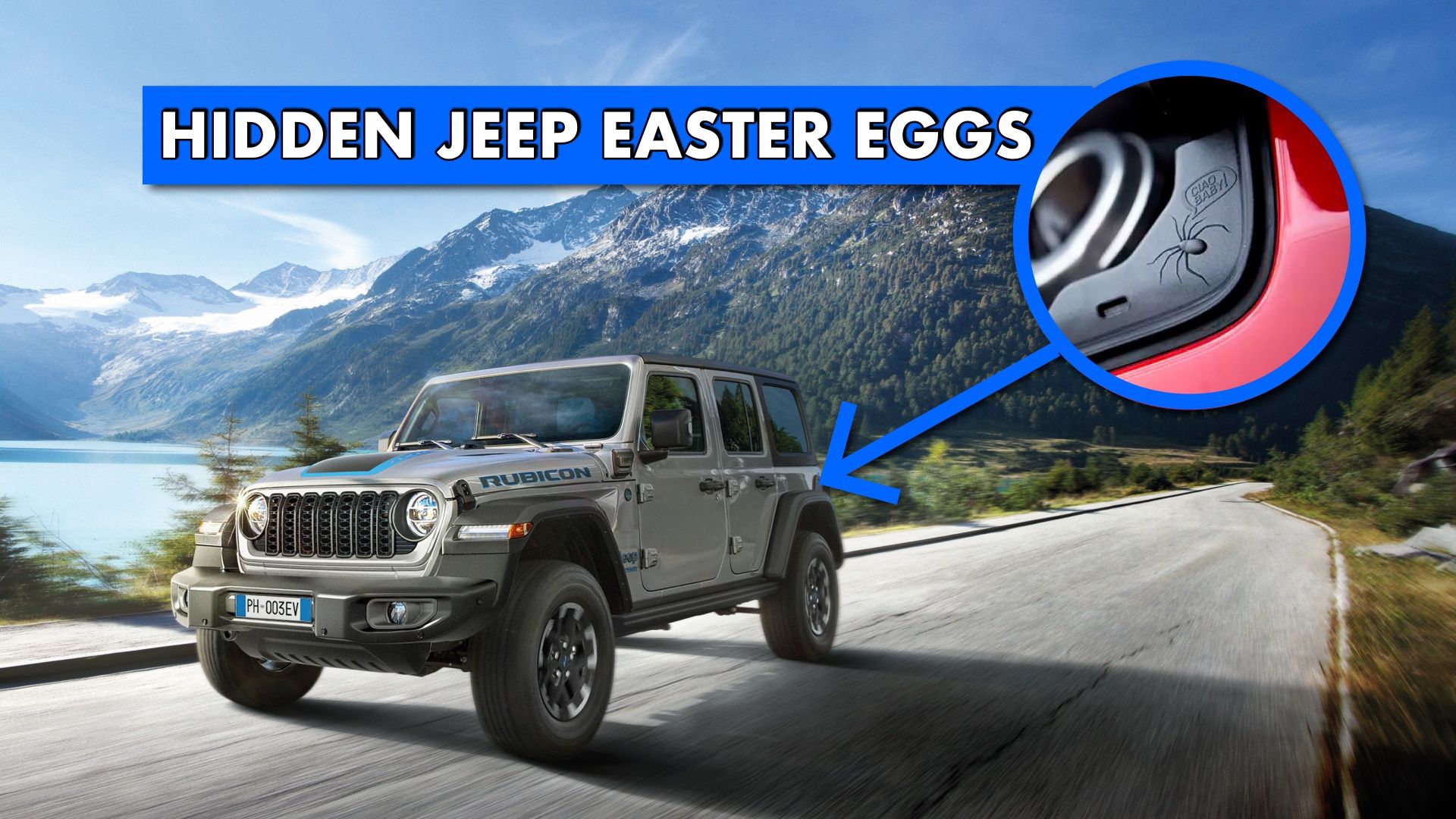
- The Spider: Often spotted near fuel filler doors, creeping out from under hood hinges, or stamped onto interior rearview mirror housings. Some spiders bear web patterns that incorporate Morse code or subtle design nods.
- The Sasquatch / Bigfoot: Typically etched into the corner of windshield glass or integrated into rear cargo area trim, representing wilderness exploration and folklore.
- The Bear: Found on newer models like the Jeep Grand Cherokee and Wrangler, stamped onto interior components or structural metal framework to denote strength and power.
- The Mountain Goat: Symbolizing sure-footed climbing ability, goats frequently appear scaling steep graphic silhouettes on windshields or structural metal trim.
- The Shark: Featured prominently on specific models like the Jeep Renegade, where a small shark silhouette is molded into the rubber lining of front door storage bins, occasionally shown chasing a silhouette of a Jeep vehicle.
| Animal Motif | Primary Vehicle Placement | Symbolic Meaning | First Introduced Era |
|---|---|---|---|
| Lizard / Gecko | Windshield cowl, floor mats | Desert adaptability, agility | 1996 (TJ Wrangler) |
| Spider | Fuel door, mirror housing, glass | Craftsmanship, stealth, web design | Mid-2000s |
| Sasquatch | Windshield corners, rear glass | Wilderness lore, exploration | 2018 (JL Wrangler) |
| Mountain Goat | Windshield glass, body panels | Vertical climbing capability | Modern Grand Cherokee / Compass |
| Shark | Door pockets, center console | Water resistance, playful adventure | 2015 (Renegade) |
Where to Look: A Guide to Finding Hidden Wildlife
Finding animal easter eggs requires patience, a flashlight, and a willingness to inspect parts of the vehicle that most drivers ignore during a standard walkaround. Jeep designers intentionally place these details in areas exposed during routine maintenance, cleaning, or off-road preparation.
Exterior Locations
The exterior of a Jeep offers numerous weather-resistant surfaces where durable plastic moldings and glass stampings can endure rain, mud, and UV radiation.
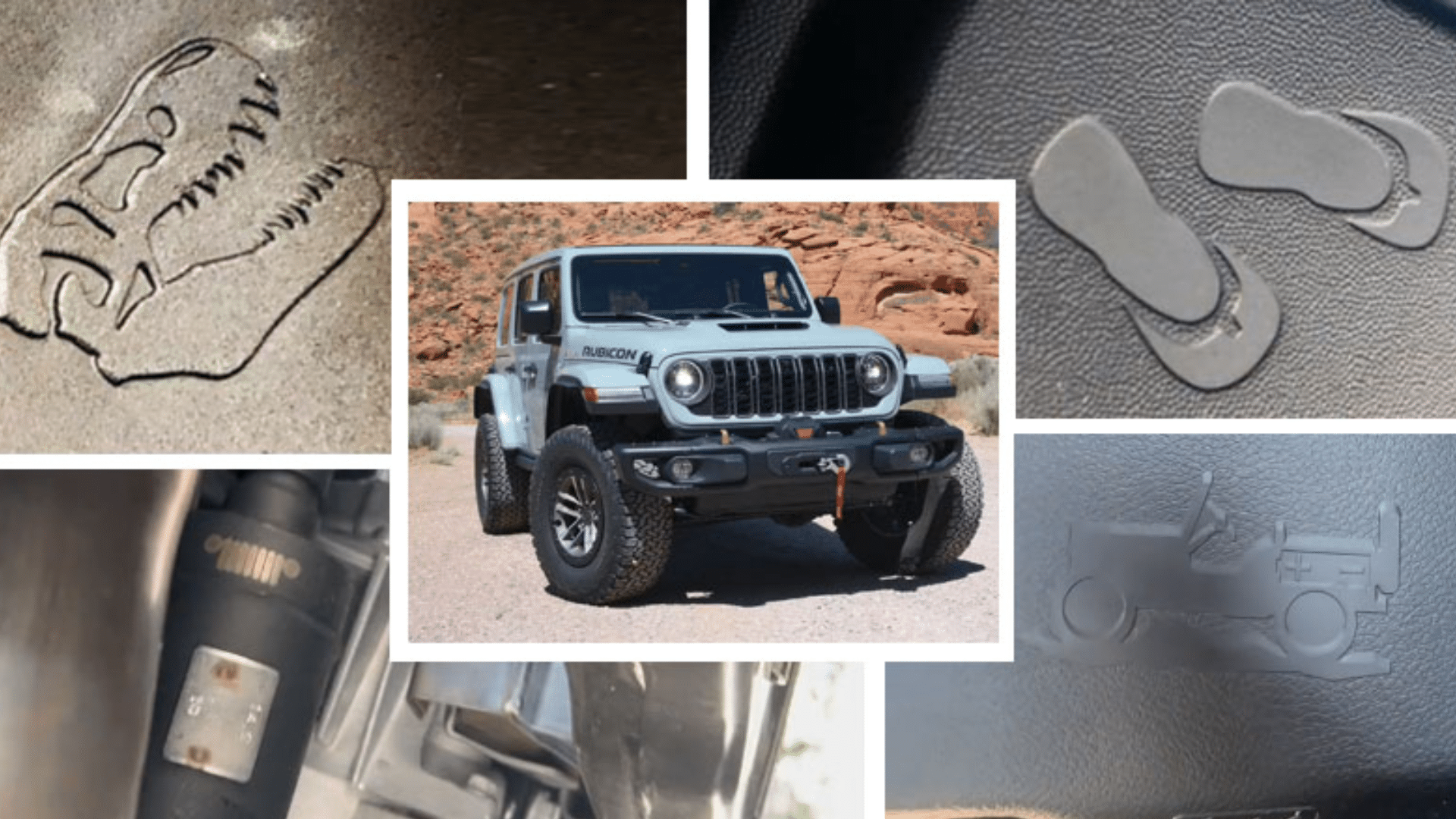
- Windshield Perimeters: Examine the black ceramic frit (the dotted ceramic border around the glass). Manufacturers frequently embed tiny silhouettes of Sasquatches, mountain goats, or Willys MB military jeeps climbing up the edge of the glass.
- Cowl Panels: The plastic panel situated immediately below the windshield wipers remains the historic home of the original lizard or gecko.
- Headlight and Taillight Housings: Look closely at the internal bezels of light assemblies. Designers often tuck small Willys Jeep silhouettes or star motifs inside the clear plastic casing.
- Fuel Filler Neck: Open the fuel door and inspect the surrounding plastic recess or the tether strap. Spiders, snakes, and geometric patterns frequently hide in these sheltered pockets.
Interior Locations
Inside the cabin, hidden creatures are molded into soft-touch plastics, stamped into metal framing, or woven into fabric and rubber utility mats.
- Storage Compartments and Floor Mats: Remove rubber liners from center consoles, door pockets, and cup holders. The undersides of these removable mats frequently feature raised animal silhouettes, topographic maps, or Morse code messages.
- Glass Surfaces: Check the bottom corners of the rear liftgate glass and side windows. Small creatures are often baked into the tinting or ceramic borders.
- Engine Bay and Under-Hood Areas: Lift the hood and inspect structural braces, plastic engine covers, and coolant reservoirs. Spiders and lizards occasionally guard mechanical components under the hood.
Evolution Across Modern Jeep Lineups
As Jeep expanded its vehicle portfolio from traditional body-on-frame SUVs to unibody crossovers and compact utility vehicles, the easter egg tradition adapted to each manufacturing platform. Designers tailored specific creatures to match the intended personality of each vehicle line.
Jeep Wrangler and Gladiator
The Wrangler and Gladiator pickup maintain the highest concentration of traditional off-road easter eggs. Because these vehicles embrace a rugged, mechanical ethos, designers utilize metal stampings, exposed bolt heads, and heavy-duty plastics to hide creatures. Owners frequently discover small flip-flop sandals stamped onto the base of the center console (referencing the casual trail lifestyle), topographic map lines of famous off-road trails like the Rubicon Trail molded into dashboard trays, and numeric coordinates encoding the exact GPS location of trail testing grounds.
Jeep Renegade and Compass
For compact crossovers aimed at urban commuters and weekend adventurers alike, designers introduced playful urban-inspired motifs. The Jeep Renegade famously features the aforementioned shark in the door pocket, a nod to the vehicle's functional water-fording capabilities and playful engineering team. Additionally, the "Since 1941" badge—marking the birth year of the original military Jeep—appears in various fonts and locations across the dashboard and seat upholstery.
Jeep Grand Cherokee and Wagoneer
In luxury-oriented flagships like the Grand Cherokee and Wagoneer, easter eggs take on a more sophisticated execution. Rather than cartoonish plastic stickers, these models feature laser-etched animals into trim pieces, subtle embossing on genuine leather surfaces, and intricate silhouettes integrated into the speaker grille patterns of premium audio systems.
Verification, Maintenance, and Preservation
For enthusiastic owners looking to catalog every easter egg on their specific vehicle, verification requires careful inspection and proper maintenance of vehicle surfaces.
Because many easter eggs are molded into black exterior plastics or rubber mats, dirt, road salt, and UV oxidation can obscure them over time. Regular cleaning with automotive interior detailers and plastic restorers helps maintain the crisp contrast needed to spot stamped or laser-etched silhouettes. When purchasing a used Jeep, verifying the presence of original factory easter eggs can also serve as a minor indicator of authentic factory components, as aftermarket replacement windshields or body panels often omit the delicate ceramic glass frits and molded plastic details.
Frequently Asked Questions
Are easter eggs included on every Jeep model?
While the vast majority of modern Jeep models produced from the late 1990s onward feature easter eggs, older classic models (prior to the 1996 TJ Wrangler) typically do not have them from the factory unless added by previous owners. Specific models vary by trim level and production year.
Do aftermarket replacement parts keep these hidden details?
Generally, no. Aftermarket windshields, replacement bumper covers, and third-party floor mats rarely reproduce the proprietary manufacturer stamps, spider graphics, or Sasquatch silhouettes found on original factory equipment.
Who decides which animals are hidden in new vehicles?
The vehicle's dedicated exterior and interior design studios propose these additions during the clay-modeling and prototyping phases. Once approved by studio leads, the secret graphics are integrated directly into the steel stamping dies or plastic injection molds.
Can easter eggs affect the resale value of a Jeep?
Easter eggs do not command a measurable financial premium in automotive valuation guides, but they significantly enhance enthusiast appeal, often making a used vehicle easier to sell within Jeep-focused buyer communities.
Conclusion and Next Action
Hunting for hidden animal easter eggs offers a rewarding way to engage with the thoughtful engineering and playful design philosophy embedded in Jeep vehicles. To start your own discovery process, grab a reliable flashlight, open your vehicle's doors, and systematically inspect the windshield corners, storage bin liners, fuel filler recess, and wiper cowls. Document your findings with high-resolution photographs to share within local and online Jeep enthusiast clubs, comparing notes with fellow owners to see which rare creatures your specific model year conceals.
Image Gallery