Can I Add My Parents to My Life Insurance as Beneficiary?
Yes, you can absolutely name your parents as beneficiaries on your life insurance policy. Most insurance providers allow policyholders to designate any person or entity with whom they have a recognized "insurable interest," and the rel...
Yes, you can absolutely name your parents as beneficiaries on your life insurance policy. Most insurance providers allow policyholders to designate any person or entity with whom they have a recognized "insurable interest," and the relationship between a child and a parent inherently meets this requirement. You can name them as primary beneficiaries to receive the full death benefit or as contingent beneficiaries who receive the payout only if your primary beneficiary (such as a spouse) is no longer living.
Contents
Naming a parent as a beneficiary is a common financial strategy, particularly for single adults, individuals without children, or those whose parents rely on them for financial support. In 2026, the process of updating these designations has become increasingly streamlined through digital policy management portals, though specific legal and tax implications remain essential to understand before finalizing your decision.
Understanding Your Legal Right to Name Parents as Beneficiaries
In the realm of life insurance, the policyholder maintains the legal right to designate who receives the proceeds of the policy upon their death. This is a fundamental aspect of the contract between you and the insurance carrier.
The Concept of Insurable Interest
For a life insurance policy to be valid, there must be an "insurable interest" at the time the policy is issued. This means the beneficiary must suffer a financial loss or some other hardship if the insured person passes away. While some states have specific statutes regarding who qualifies, the parent-child relationship is universally accepted as a valid insurable interest. Even if your parents are financially independent, the law recognizes the emotional and familial bond as sufficient grounds for them to be named as beneficiaries.
Revocable vs. Irrevocable Designations
When adding your parents, you must choose between a revocable and an irrevocable designation. In 2026, most standard policies default to revocable beneficiaries. This means you, as the policyholder, retain the right to change the beneficiary at any time without their consent. An irrevocable beneficiary, however, has a vested interest in the policy. To change an irrevocable designation or to take certain actions like borrowing against the policy’s cash value, you would need the written consent of your parents. Most financial advisors recommend revocable designations to maintain flexibility as your life circumstances change.
Primary vs. Contingent Beneficiaries: Strategic Placement
Deciding how to add your parents depends on your current family structure and financial goals. You can categorize them in two main ways:
Parents as Primary Beneficiaries
If you are single or want your parents to be the first in line to receive the death benefit, you list them as primary beneficiaries. You can split the benefit between them (e.g., 50% to your mother and 50% to your father). If one parent passes away before you, the remaining primary beneficiary typically receives the full 100%, unless you have specified a "per stirpes" distribution.
Parents as Contingent Beneficiaries
Many policyholders name their spouse or partner as the primary beneficiary and their parents as the contingent (or secondary) beneficiaries. In this scenario, your parents only receive the death benefit if your spouse predeceases you. This is a vital "safety net" designation that ensures the money stays within your family and avoids the complexities of your estate going into probate.
Step-by-Step Guide: How to Add Your Parents to Your Policy in 2026
Whether you are buying a new policy or updating an existing one, the process is straightforward but requires specific data to ensure the insurance company can identify and locate your parents when the time comes.
- Gather Required Information: You will need your parents' full legal names, current addresses, dates of birth, and Social Security numbers. Providing the Social Security number is the most effective way to prevent delays in claim processing.
- Access Your Policy Portal: Most major carriers in 2026 provide a "Beneficiary Management" section within their secure client portals. Log in and navigate to your policy details.
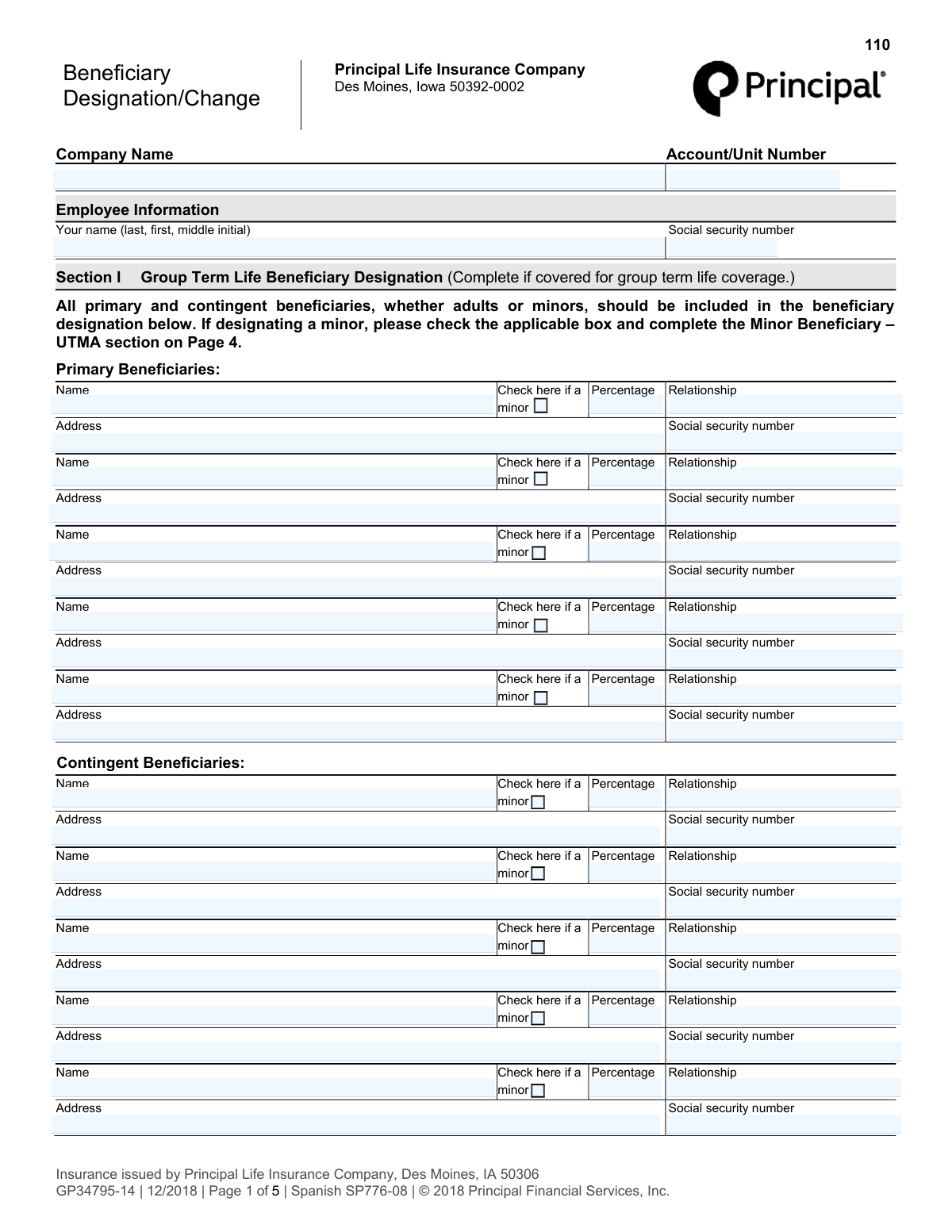
- Complete the Change of Beneficiary Form: If your carrier does not offer an online update, you must request a "Change of Beneficiary" form. This document must be filled out accurately; even minor spelling errors can cause significant legal hurdles during the claims process.
- Specify Percentages: Clearly state what percentage of the benefit each parent should receive. Ensure the total for the primary category adds up to exactly 100%.
- Review and Sign: Electronic signatures (such as DocuSign or carrier-integrated e-sigs) are standard in 2026 and legally binding.
- Verify the Update: After submission, wait for a confirmation notice (usually via email or a physical letter). Keep this confirmation with your vital records.
Financial and Legal Implications for Your Parents
While naming your parents provides them with a financial cushion, there are several consequential factors you must weigh, particularly regarding taxes and government assistance.
Tax Treatment of the Death Benefit
Under current 2026 tax codes, life insurance death benefits are generally not considered taxable income for the beneficiaries. If you leave your parents $500,000, they receive the full $500,000 without owing federal income tax. However, if the insurance company holds the payout for a period and it accrues interest, that specific interest portion is taxable.
Impact on Medicaid and Supplemental Security Income (SSI)
This is a critical consideration for aging parents. If your parents rely on needs-based government programs like Medicaid or SSI, receiving a large life insurance payout could push their assets above the eligibility threshold. This could result in a loss of healthcare coverage or monthly income. If your parents are in this situation, you might consider naming a Special Needs Trust or a Third-Party Trust as the beneficiary for their benefit, rather than naming them directly.
Debt and Creditors
In many jurisdictions, life insurance proceeds paid directly to a named beneficiary (like a parent) are protected from the deceased's creditors. However, once the money is in your parents' bank accounts, it is generally not protected from their own creditors. If your parents have significant debt or legal judgments against them, the death benefit could be seized by their creditors.
Comparison of Beneficiary Options
The following table compares the typical outcomes of naming parents versus other common entities.
| Feature | Parents as Beneficiaries | Spouse as Beneficiary | Estate as Beneficiary | Trust for Parents |
|---|---|---|---|---|
| Speed of Payout | Fast (Direct) | Fast (Direct) | Slow (Probate) | Moderate (Trust Admin) |
| Tax Implications | Usually Tax-Free | Usually Tax-Free | May incur Estate Tax | Depends on Trust Type |
| Asset Protection | Vulnerable to parent's creditors | Vulnerable to spouse's creditors | Vulnerable to your creditors | High protection |
| Benefit Eligibility | May disqualify for Medicaid | Usually no impact | N/A | Can preserve Medicaid |
| Ease of Setup | Very Easy | Very Easy | Default (if no one named) | Complex (requires legal counsel) |
Common Mistakes to Avoid
Naming a parent seems simple, but several pitfalls can complicate the eventual payout:
- Failure to Update After Death: If you name both parents and one passes away, you should update your policy immediately. While the survivor usually receives the full amount, refreshing the "contingent" list is a best practice.
- Naming "My Parents" Generically: Never use generic terms. Always use legal names. Using "My Parents" can lead to disputes if there are step-parents, adoptions, or contested familial relationships involved.
- Ignoring Community Property Laws: If you live in a community property state (such as California, Texas, or Arizona) and are married, your spouse may have a legal claim to a portion of the death benefit if the premiums were paid with marital income. In these states, you may need your spouse to sign a waiver if you wish to name your parents as the sole beneficiaries of 100% of the policy.
- Neglecting the "Per Stirpes" Clause: If you want a parent’s share to go to your siblings if that parent dies before you, you must specify "per stirpes." Without this, the share typically reverts to the other named beneficiaries or your estate.
Special Considerations for Aging Parents
As we move through 2026, the intersection of life insurance and elder care is more prominent. If you are adding parents who are significantly older, consider their cognitive health. If a parent has advanced dementia or Alzheimer’s, they may not be legally capable of managing a large sum of money. In such cases, naming a trusted sibling as a co-beneficiary with a "power of attorney" or setting up a managed trust is often a more responsible path to ensure the funds are used for the parents' care.
FAQs
Can I name my parents if I am married?
Yes. Being married does not legally prevent you from naming your parents as beneficiaries. However, as noted, community property laws in certain states may require your spouse's consent if the policy was funded during the marriage.
Do my parents need to sign anything to be added?
Generally, no. For a revocable beneficiary designation, the policyholder is the only one required to sign the update forms. Your parents do not even need to be notified, although it is highly recommended that you inform them so they know where to find the policy information.
What happens if both of my parents pass away before me?
If you have not named contingent beneficiaries and both primary beneficiaries (your parents) are deceased, the death benefit will typically be paid to your estate. This subjects the money to the probate process, which can be time-consuming and may subject the funds to your own creditors.
Can I name my parents as beneficiaries on a group life policy through work?
Yes. Employer-sponsored group life insurance follows the same basic rules. You can update your beneficiary designations through your company’s HR portal or benefits administration system at any time, not just during open enrollment.
Is there a limit to how many beneficiaries I can have?
Most insurance companies allow you to name multiple beneficiaries (often up to 10 or more). You can distribute the benefit among your parents, siblings, and children in whatever percentages you choose, provided the total equals 100%.
Final Recommendation
Adding your parents to your life insurance is a thoughtful and effective way to provide them with financial security. To ensure this gesture achieves its intended goal, review your beneficiary designations annually. Check that their contact information is current and that your choice still aligns with your overall estate plan. If your parents are older or have health issues, consult with a financial advisor or an elder law attorney to ensure that a direct payout won't inadvertently disqualify them from essential government benefits. Taking these small, proactive steps in 2026 will ensure that your support for your family remains secure and undisputed.
Image Gallery