Understanding the Benefits of Combined Whole Life Insurance
Combined whole life insurance strategies—specifically blended policies that integrate term riders with a permanent base or joint policies covering multiple lives—provide a versatile framework for long-term financial security. These str...
Combined whole life insurance strategies—specifically blended policies that integrate term riders with a permanent base or joint policies covering multiple lives—provide a versatile framework for long-term financial security. These structures offer permanent death benefits, tax-advantaged cash value accumulation, and lower initial premiums compared to traditional standalone whole life policies, making them essential tools for modern estate planning and wealth preservation.
Contents
While the term "combined whole life insurance" can occasionally refer to specific providers, in a technical financial context, it most frequently describes two specific arrangements: blended whole life policies (combining a permanent base with term insurance riders) and joint whole life policies (covering two individuals under one contract). As of 2026, these products have become increasingly popular as families and business owners seek more efficient ways to manage liquidity and address the sunsetting of previous estate tax exemptions.
The Mechanics of Blended Whole Life Insurance
A blended whole life policy is a hybrid structure designed to maximize the death benefit per dollar of premium while maintaining the core advantages of permanent insurance. It achieves this by splitting the total coverage into two parts: a base whole life component and a term insurance rider.
How the Blending Process Works
In a typical blended arrangement, the policyholder purchases a smaller amount of base whole life insurance and "fills the gap" to their desired total coverage amount using a term rider. This rider is often coupled with a Paid-Up Additions (PUA) rider. As the policyholder pays premiums and the company issues dividends, a portion of that capital is directed toward purchasing small "paid-up" chunks of permanent insurance.
Over time, these paid-up additions grow, eventually replacing the term insurance component entirely. By the time the term rider expires or is phased out, the base policy and the accumulated PUAs provide the full permanent death benefit. This approach allows the policyholder to secure a high death benefit early in life when the need is greatest, but at a significantly lower cost than a 100% base whole life policy.
Performance and Cash Value Acceleration
One of the primary reasons sophisticated investors choose combined or blended structures in 2026 is the acceleration of cash value. Because term insurance is inexpensive, more of the premium in the early years can be funneled into the PUA rider. PUAs have very low overhead costs and start accumulating cash value immediately. This often results in a policy reaching its "break-even point"—where the cash value equals the total premiums paid—much faster than a traditional whole life contract.
Joint Whole Life Insurance: First-to-Die vs. Second-to-Die
Another common interpretation of "combined" life insurance is joint coverage. These policies cover two people, usually spouses or business partners, and are structured based on when the benefit is paid.
First-to-Die Policies
A first-to-die joint policy pays the death benefit upon the passing of the first insured individual. These are frequently used by families to ensure the surviving spouse can pay off a mortgage or maintain their standard of living. In a business context, they are often utilized for buy-sell agreements, providing the necessary liquidity for one partner to buy out the deceased partner’s shares.
Second-to-Die (Survivorship) Policies
Survivorship or "second-to-die" policies are a cornerstone of estate planning for high-net-worth individuals. The benefit is only paid after both insured individuals have passed away. Because the insurance company’s risk is lower (as they only pay once, and usually later in time), the premiums are significantly lower than purchasing two separate individual policies.
In 2026, survivorship policies are particularly relevant for covering federal estate taxes. With the lower exemption limits now in effect following the expiration of the 2017 Tax Cuts and Jobs Act provisions, more families find themselves needing immediate liquidity to prevent the forced sale of illiquid assets, such as real estate or private businesses, to satisfy tax obligations.
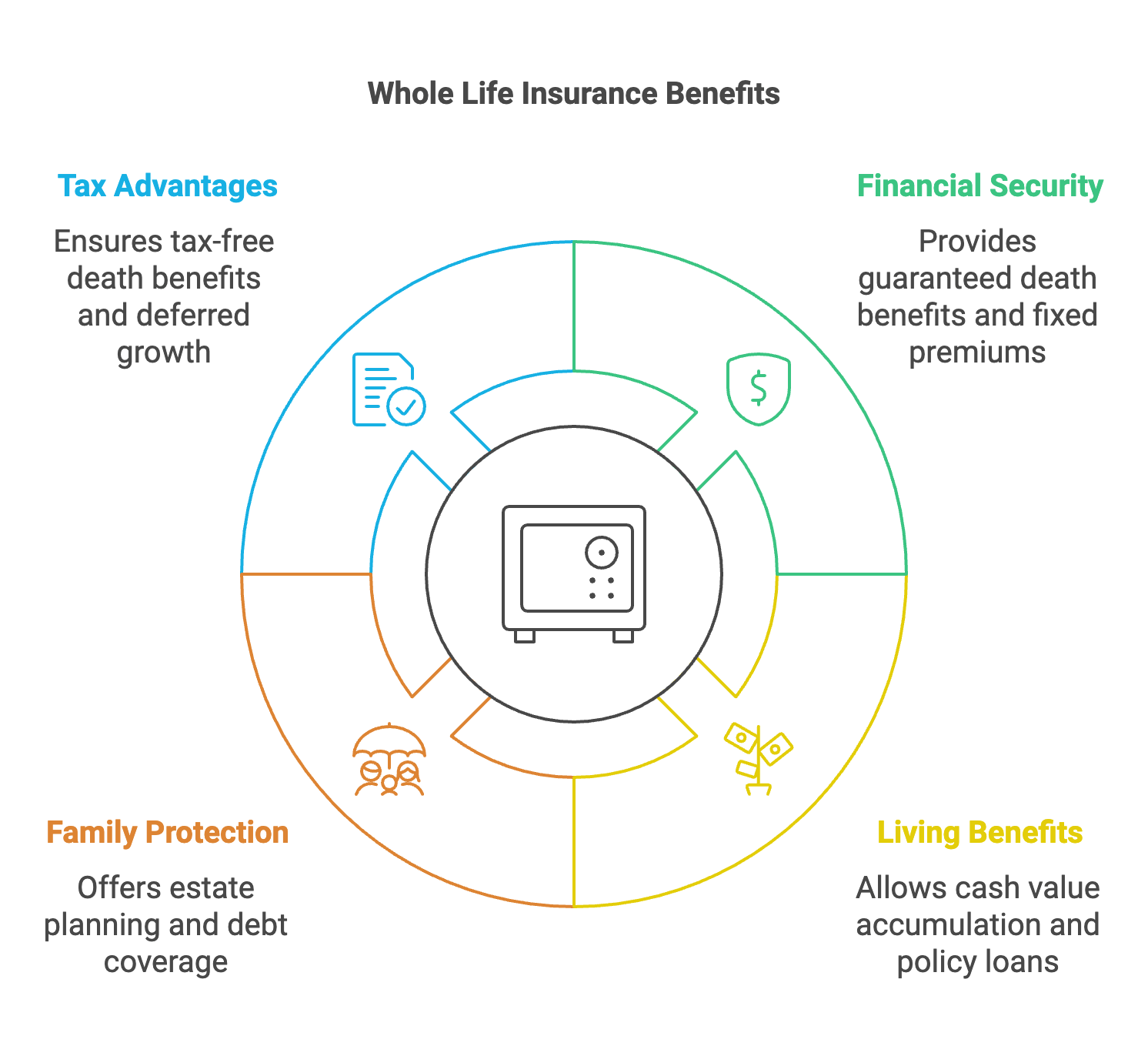
Primary Benefits of Combined Whole Life Structures
Understanding the specific advantages of these policies requires looking beyond the simple death benefit. The integration of permanent coverage with flexible riders or joint structures creates a multi-functional financial asset.
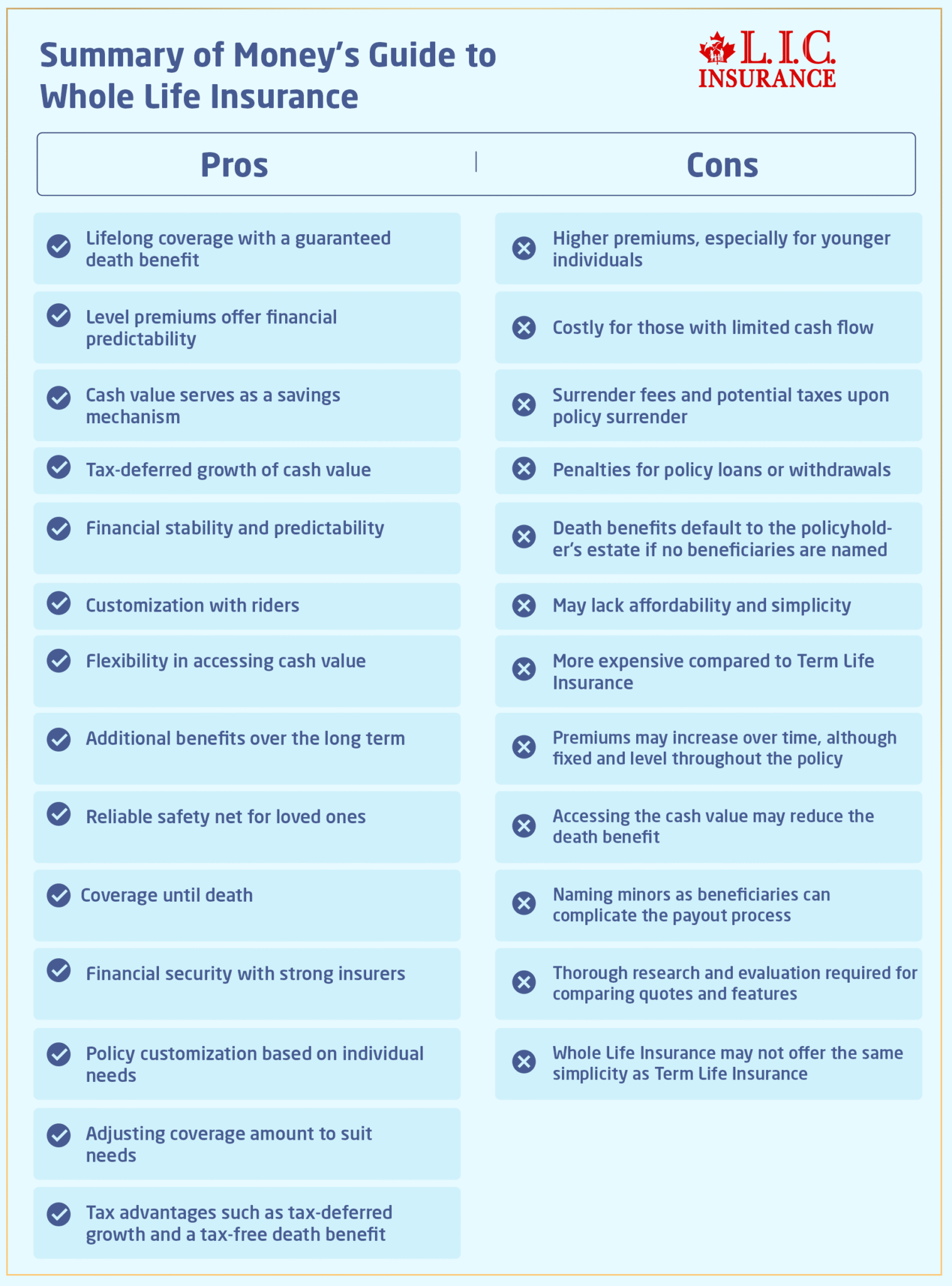
- Premium Efficiency: By blending term riders or using joint structures, policyholders can achieve high coverage amounts that would otherwise be cost-prohibitive in a pure whole life format.
- Guaranteed Growth: Like all whole life products, the permanent portion of a combined policy offers a guaranteed rate of return on cash value, providing a non-correlated asset class that performs independently of stock market volatility.
- Tax-Advantaged Liquidity: Cash value grows on a tax-deferred basis under Internal Revenue Code Section 7702. Furthermore, policyholders can generally access this capital via tax-free loans for any purpose, such as funding a child's education or seizing a business opportunity.
- Dividend Participation: If the policy is issued by a mutual insurance company, the "combined" policy may be eligible for dividends. These dividends can be used to further increase the death benefit, pay premiums, or accumulate as cash.
- Estate Liquidity: These policies provide an immediate infusion of cash to heirs, which is exempt from the probate process and, if structured correctly via an Irrevocable Life Insurance Trust (ILIT), can be exempt from federal estate taxes.
Comparing Combined Whole Life Options
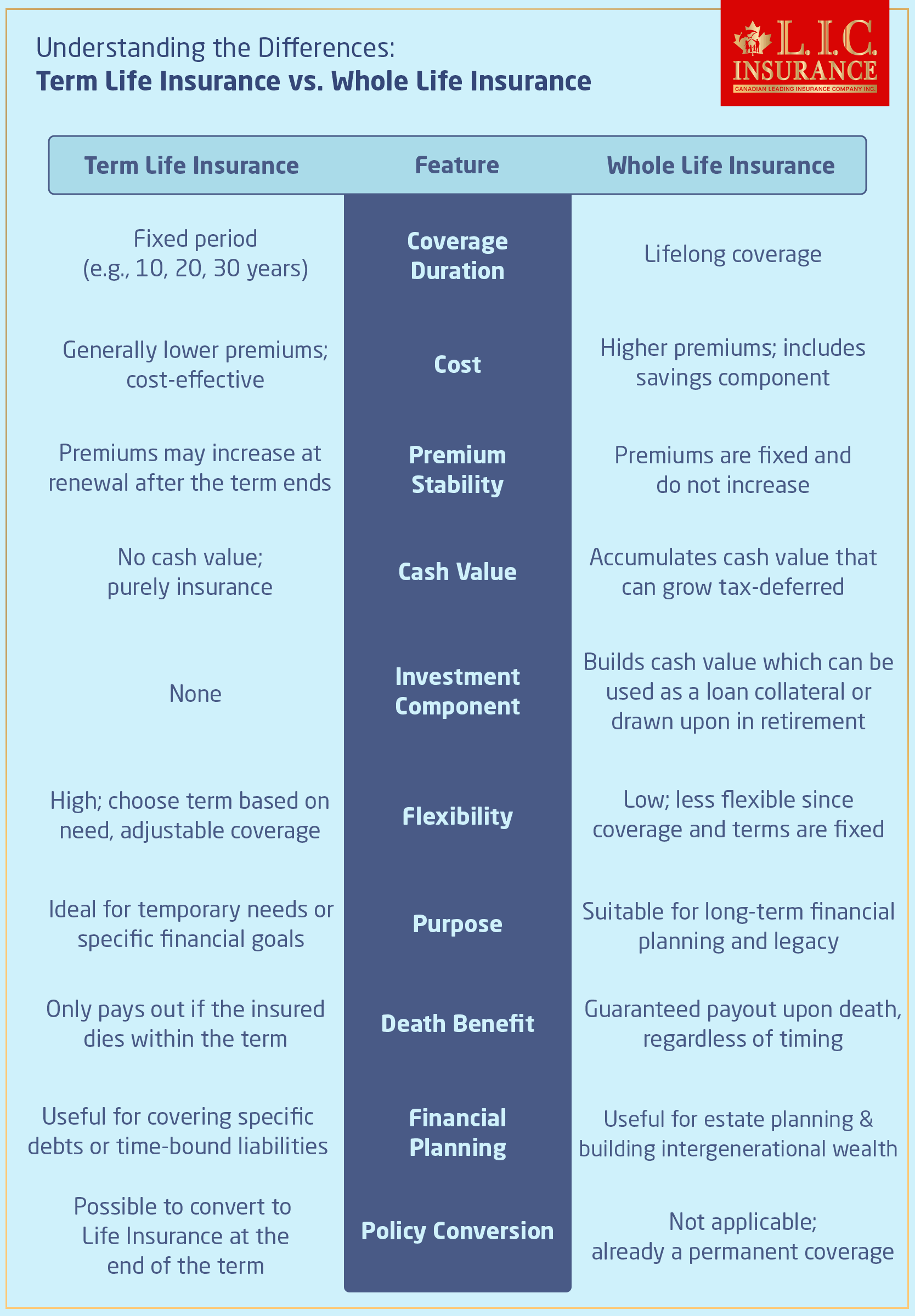
The following table compares the characteristics of traditional whole life insurance with the two primary "combined" structures discussed.
| Feature | Traditional Whole Life | Blended (Base + Term) | Joint Survivorship |
|---|---|---|---|
| Initial Premium Cost | Highest | Moderate | Lowest (per person) |
| Cash Value Growth | Standard / Slow start | Accelerated via PUAs | Standard |
| Coverage Duration | Permanent (Livelong) | Permanent (after conversion) | Permanent (after 2nd death) |
| Primary Use Case | Basic death benefit | Wealth accumulation/High IRR | Estate tax / Legacy |
| Complexity | Low | High | Moderate |
| Flexibility | Limited | High (via riders) | Limited |
Strategic Implementation in 2026 Financial Planning
As of 2026, the financial landscape is characterized by increased interest rate stability but higher tax sensitivity. Combined whole life insurance serves as a "volatility buffer."
Business Continuity and Succession
For small to mid-sized enterprises, combined policies provide a mechanism for succession that doesn't drain company coffers. A joint first-to-die policy can fund a "cross-purchase" agreement, ensuring that if one partner dies, the other has the cash to keep the business running without interference from the deceased partner's heirs.
Supplementing Retirement Income
While not a replacement for a 401(k) or IRA, the cash value in a blended whole life policy offers a "tax-free bucket" of money. In years when the market is down, retirees can draw from their policy cash value instead of selling equities at a loss, allowing their portfolio time to recover. This "sequence of returns" protection is one of the most significant strategic benefits of maintaining a well-funded permanent policy.
Potential Limitations and Considerations
While the benefits are substantial, combined whole life insurance is not a one-size-fits-all solution. There are technical nuances that require careful management.
- Modified Endowment Contract (MEC) Risk: If a policy is funded too aggressively with PUAs, it may lose its tax-favored status and be classified as a MEC by the IRS. This makes withdrawals taxable and potentially subject to penalties.
- Dividend Fluctuations: While whole life policies have a guaranteed base growth, the "extra" growth from dividends is not guaranteed. In lower-interest-rate environments, the speed at which the term rider is "bought out" by PUAs might be slower than originally illustrated.
- Underwriting Requirements: Joint policies require both individuals to undergo medical underwriting. If one spouse is in poor health, it can significantly drive up the cost for the entire joint policy, sometimes making two individual policies more economical.
Frequently Asked Questions
Can I change the "blend" of my policy after it is issued?
In most cases, the ratio of base to term insurance is set at the time of application. However, many 2026-era policies allow for "flexible PUA riders," which permit you to adjust the amount of additional cash you contribute annually, within the limits set by the IRS to avoid MEC status.
What happens if the term rider in a blended policy expires before the PUAs cover it?
If the policy is underfunded or dividends underperform, there is a risk that the term rider could expire before the permanent additions have fully replaced it. This would result in a drop in the total death benefit. It is crucial to review your annual policy illustrations with a professional to ensure the "conversion" is on track.
Is joint whole life insurance better than two individual policies?
It depends on the objective. If the goal is to provide for the surviving spouse (income replacement), individual policies or a first-to-die joint policy are better. If the goal is strictly to pay estate taxes or leave a legacy to children, a second-to-die (survivorship) policy is almost always more cost-effective.
Are the dividends in a combined policy taxable?
Generally, no. The IRS views dividends from a mutual insurance company as a return of "overpaid" premium. They are not taxable until the total dividends and withdrawals exceed the total amount of premiums paid into the policy (the "basis").
Can a combined policy be used for "Infinite Banking"?
Yes, blended policies are the preferred vehicle for the Infinite Banking Concept (IBC) or "Bank on Yourself" strategies. The high PUA component allows for the rapid cash accumulation necessary to use the policy as a personal financing source while the death benefit remains intact.
Recommendation for Next Actions
If you are considering a combined whole life insurance strategy, your first step should be to request a "Full Illustration" from a specialized agent. This document will show how the base and term components interact over 20, 30, and 50 years. Ensure the illustration includes both "guaranteed" and "non-guaranteed" (dividend-based) values to understand your worst-case scenario.
For those with estates exceeding $7 million (the approximate 2026 individual exemption level), consult with an estate attorney to discuss holding a joint survivorship policy within an Irrevocable Life Insurance Trust (ILIT). This structure ensures the death benefit remains outside of your taxable estate, maximizing the amount passed to your beneficiaries.
Image Gallery