Why Your Sink Gurgles When Draining: Causes, Fixes, and Prevention
A sink that gurgles when draining is typically caused by a pressure imbalance within your plumbing system, often due to a blocked vent pipe or a partial clog in the drain line. When water flows down the drain, it creates a vacuum effec...
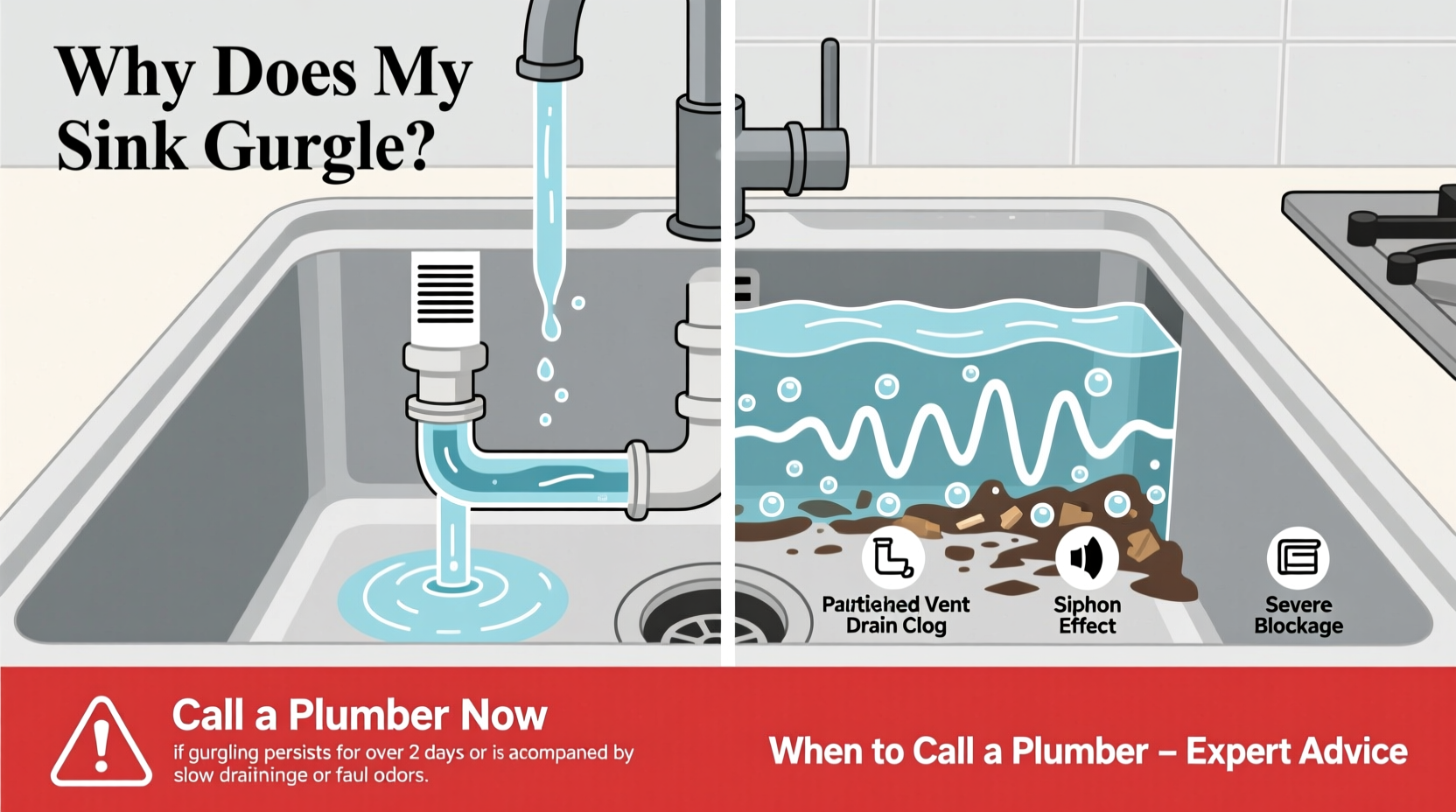
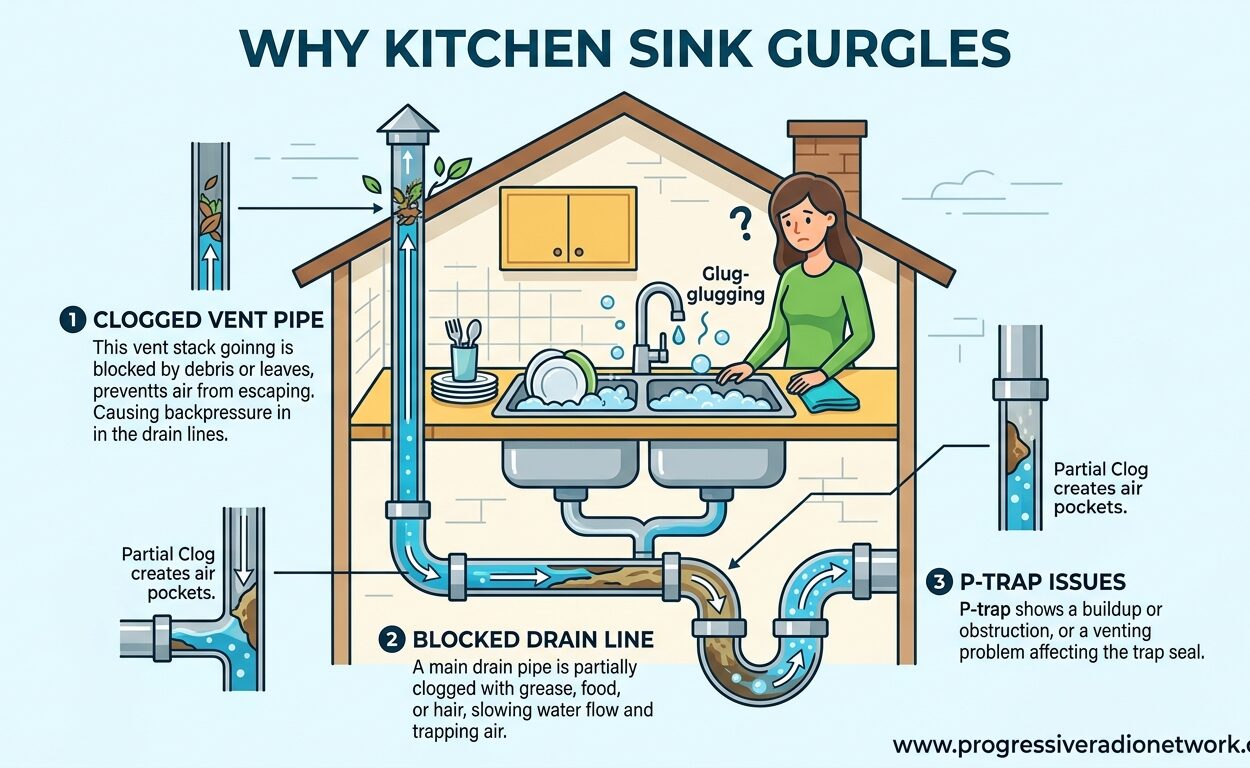
A sink that gurgles when draining is typically caused by a pressure imbalance within your plumbing system, often due to a blocked vent pipe or a partial clog in the drain line. When water flows down the drain, it creates a vacuum effect; if air cannot enter through the ventilation system to equalize this pressure, it pulls air through the water seal in the P-trap, resulting in the characteristic glugging or gurgling sound.
Contents
The Mechanics of Home Plumbing: Why Air Matters
To understand why a sink gurgles, one must first understand the basic physics of a modern residential drainage system as of 2026. Every plumbing fixture in your home relies on a delicate balance of water flow and air pressure. This system consists of two primary components: the drain pipes, which carry waste away, and the vent pipes, which allow air into the system.
The Role of the P-Trap
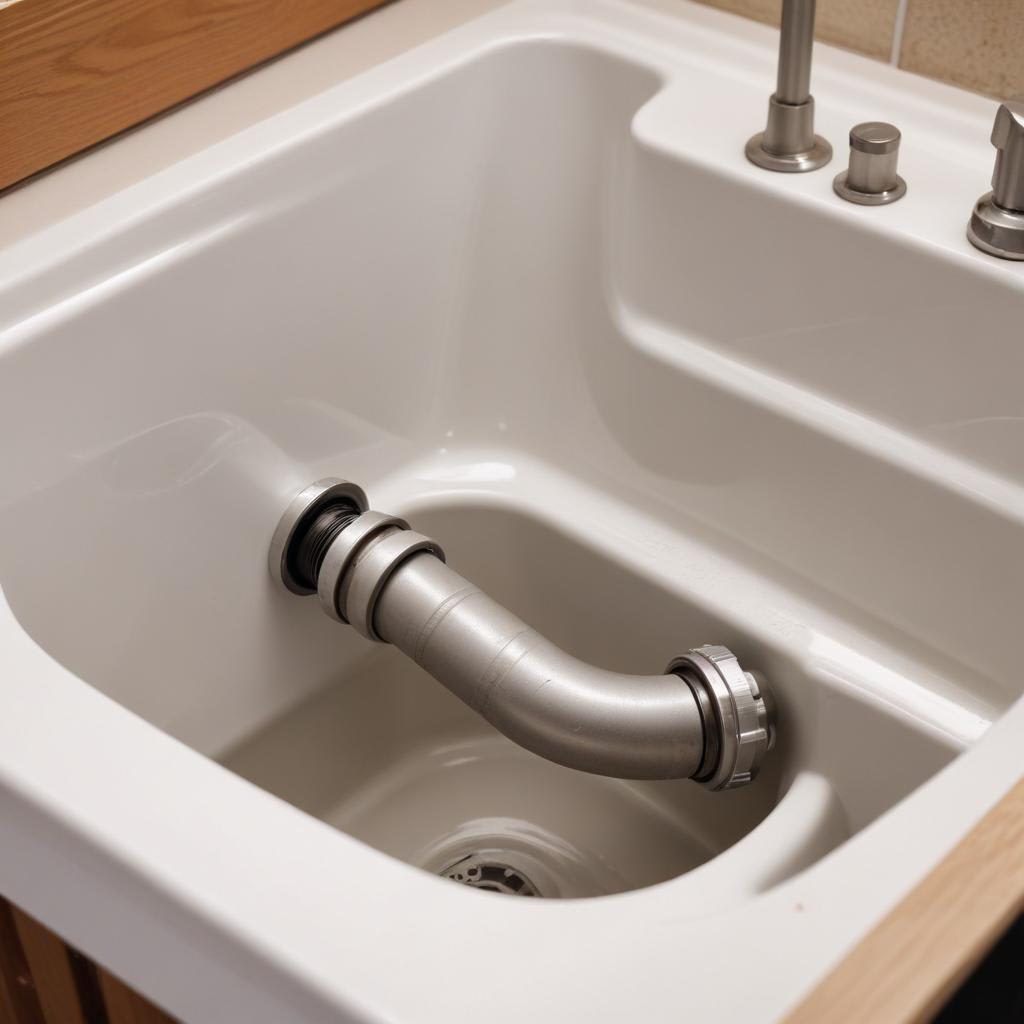
The P-trap is the U-shaped pipe located directly beneath your sink. Its primary function is to hold a small amount of "trap water" that acts as a seal, preventing sewer gases (which can be toxic and foul-smelling) from entering your living space. For this seal to remain intact, the atmospheric pressure inside the pipe must be equal to the pressure in the room.
The Venting System (The "Lungs" of the House)
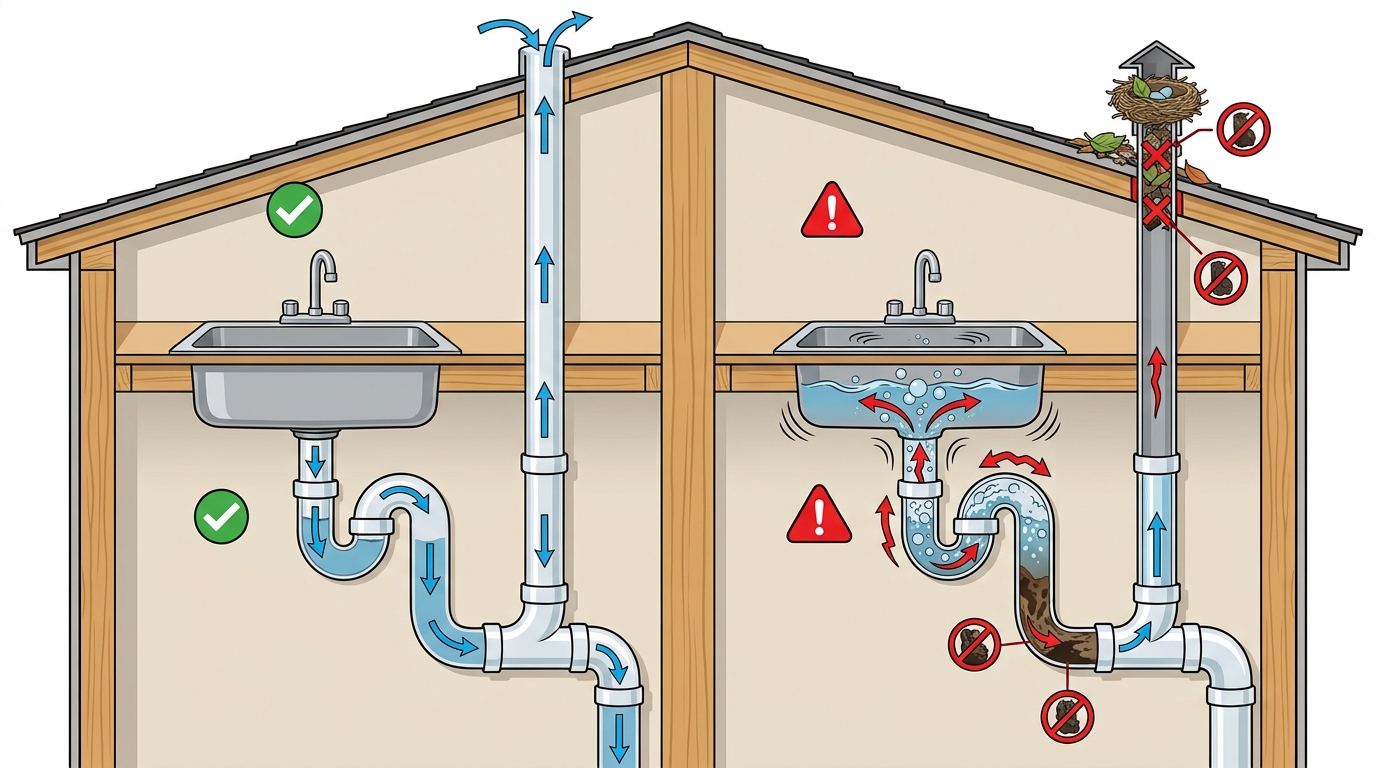
Most homeowners are unaware that their plumbing has a "breathing" component. The vent stack typically exits through the roof of the house. As water rushes down a drain, it creates a "slug" of liquid that pushes air ahead of it and pulls air behind it. Without a vent, this movement would create a vacuum (negative pressure) that would suck the water right out of the P-trap. The vent provides a path for air to follow the water, preventing that vacuum from forming.
Common Causes of Sink Gurgling in 2026
While the physics remain constant, the specific causes of gurgling can vary based on the age of the home and the type of plumbing installed. Identifying the location of the sound is the first step in diagnostics.
1. Clogged or Obstructed Vent Stack
This is the most frequent culprit when a sink gurgles. Because the vent stack is open to the outdoors on the roof, it is susceptible to various blockages:
- Bird Nests and Debris: Small animals often find the warmth of a vent pipe appealing. Leaves and twigs can also accumulate over time.
- Ice and Snow: In colder climates, "hoarfrost" or ice buildup can narrow or completely seal the vent opening during winter months.
- Structural Failures: In older homes, cast iron vent pipes may scale or rust internally, eventually closing off the airway.
2. Faulty Air Admittance Valves (AAV)
Many modern kitchens and island sinks use an Air Admittance Valve (AAV), often referred to by the brand name Studor vent, instead of a traditional through-the-roof vent. These are one-way mechanical valves that open to let air in when negative pressure is detected. However, these valves have moving parts and rubber seals that eventually fail. By 2026, many AAVs installed in the early 2020s are reaching the end of their 5-to-10-year lifespan, leading to stuck diaphragms that cause the sink to gurgle or emit odors.
3. Partial Drain Clogs
A gurgle doesn't always mean a venting issue; it can also indicate a partial blockage downstream. If hair, grease, or food particles have narrowed the pipe, water will drain more slowly. As the water struggles to pass the obstruction, air bubbles are forced back up through the line and through the P-trap, creating a "pushing" gurgle rather than a "sucking" gurgle.
4. Improper Drain Sloping
Plumbing codes, such as the International Plumbing Code (IPC), require specific slopes (usually 1/4 inch per foot) for horizontal drain lines. If a pipe "bellies" or was installed with an improper grade, water can pool in sections of the pipe where it shouldn't. This creates a secondary trap effect, where air gets trapped between two pockets of water, causing air to burp back through the sink.
Troubleshooting and Diagnostic Steps
Before calling a professional, you can narrow down the source of the noise using these diagnostic methods.
The "Multiple Fixture" Test
Run the sink that is gurgling. While it drains, listen to other nearby fixtures (like a toilet or shower).
- Local Gurgle: If only the sink gurgles, the problem is likely in that specific sink's P-trap, AAV, or immediate drain arm.
- Systemic Gurgle: If flushing the toilet causes the sink to gurgle, or if the bathtub gurgles when the sink drains, you almost certainly have a blockage in the main vent stack or a partial clog in a shared waste line.
Inspecting the P-Trap and AAV
For kitchen sinks, look under the cabinet. If you see a small, cylindrical cap on a vertical pipe, that is your AAV. You can often test this by unscrewing the valve (hand-tight) and running the sink. If the gurgling stops while the valve is removed, the valve is faulty and needs replacement.
Caution: Removing the AAV temporarily allows sewer gas into the room; perform this test quickly and ensure the area is ventilated.
| Symptom | Likely Cause | Recommended Fix |
|---|---|---|
| Gurgling only at one sink | Partial clog or faulty AAV | Clean P-trap / Replace AAV |
| Sink gurgles when toilet flushes | Blocked vent stack | Clear roof vent / Snake vent |
| Gurgling accompanied by slow drainage | Downstream blockage | Snake the drain line |
| Sewage smell + Gurgling | Empty or siphoned P-trap | Check venting / Refill trap |
| Gurgling in winter only | Ice-blocked vent stack | Insulate vent or clear ice |
How to Fix a Gurgling Sink: Step-by-Step
1. Cleaning the P-Trap
If the gurgle is local, start by cleaning the trap.
- Place a bucket under the sink.
- Unscrew the slip nuts on the U-shaped pipe.
- Remove the pipe and clear any debris (hair, soap scum, or "biofilm").
- Reinstall and test for sound.
2. Clearing a Clogged Vent from the Roof
If you suspect the vent stack is the issue, you will need to access the roof.
- Visual Inspection: Check for nests, leaves, or dead animals.
- The Garden Hose Trick: Insert a garden hose into the vent and have someone on the ground turn the water on in short bursts. The weight of the water can often push through a soft blockage.
- Plumbing Auger: If the hose doesn't work, use a manual or powered plumbing auger (drain snake) to break up the obstruction within the vent pipe.
3. Replacing a Mechanical Vent (AAV)
AAVs are not repairable. If the valve is sticking, purchase a new one with the same NPT (National Pipe Thread) size (usually 1.5 or 2 inches). Simply unscrew the old one and screw in the new one using Teflon tape on the threads to ensure a gas-tight seal.
4. Snaking the Drain
For clogs located deeper in the walls, a sink auger is required. Remove the P-trap and feed the cable directly into the wall pipe. Rotate the cable as you feed it to break through grease or hair masses. In 2026, many homeowners prefer using "kinetic" water pulse tools or high-pressure bladders, though these should be used with caution on older PVC or copper pipes to avoid joint failure.
Professional Solutions and 2026 Cost Estimates
If DIY methods fail, the issue may be a "main line" blockage or a structural plumbing defect. A licensed plumber has access to tools like fiber-optic sewer cameras, which can pinpoint the exact location of a vent blockage or a pipe "belly" without tearing down walls.
In 2026, the average cost for a professional plumbing diagnostic visit ranges from $150 to $300. Specific repairs can vary:
- AAV Replacement: $150 – $250 (including parts).
- Main Vent Clearing: $300 – $600 (depending on roof access).
- Hydro-jetting Drain Lines: $400 – $800 for clearing heavy grease or root intrusion.
Preventing Future Gurgling Issues
Maintenance is significantly cheaper than emergency repairs. To keep your plumbing quiet and efficient, consider the following:
- Install Vent Screens: Small mesh covers on roof vents can prevent birds and rodents from entering without restricting airflow.
- Use Enzyme Cleaners: Avoid harsh caustic chemicals which can damage pipes and the environment. Use monthly bio-enzymatic cleaners that "eat" organic buildup in the pipes.
- Mind the Grease: Never pour fats, oils, or grease (FOG) down the kitchen sink. Even with hot water, these substances solidify further down the line, creating the partial clogs that lead to gurgling.
- Check AAVs Periodically: If your home uses AAVs, make it a habit to check them for odors or slight noises every two years.
FAQ: Understanding the "Glug"
Is a gurgling sink dangerous? Generally, no, but it is a warning sign. The gurgling itself isn't dangerous, but if the suction is strong enough to empty the P-trap, sewer gases (methane and hydrogen sulfide) can enter your home. These gases are flammable and can cause respiratory issues or headaches.
Can I use Drano to fix a gurgling sink? It is not recommended. If the gurgling is caused by a venting issue, chemical cleaners will do nothing. If it is a partial clog, caustic chemicals often fail to clear the entire diameter of the pipe and can sit in the trap, potentially damaging the plumbing or burning a plumber who has to disassemble the pipe later.
Why does my sink gurgle only when the dishwasher runs? The dishwasher pumps out water at a high velocity. If the sink's drain or vent is slightly restricted, the volume of water from the dishwasher overwhelms the system's ability to equalize pressure, forcing air through the sink's P-trap.
Does a gurgling sink always mean a clog? Not necessarily. It always means a pressure imbalance. This could be from a clog, but it could also be from a poorly designed plumbing system, a lack of venting, or atmospheric conditions like high winds blowing across the vent stack on the roof.
Final Recommendation
If your sink has recently started gurgling, start by cleaning the P-trap and checking for a mechanical AAV under the counter. These are the most common and least expensive points of failure. If the noise persists across multiple fixtures or occurs when the toilet is flushed, focus your efforts on the roof vent stack or consult a professional to perform a camera inspection. Addressing the sound early will prevent a total backup and ensure your home's air remains free of sewer contaminants.
Image Gallery