Why You Need Commercial Insurance: Understanding Auto, GL, WC, and Industry Reference Books
To protect a business from catastrophic financial loss and legal penalties, you must maintain Commercial Auto, General Liability (GL), and Workers' Compensation (WC) insurance. These coverages address vehicle accidents, third-party law...
To protect a business from catastrophic financial loss and legal penalties, you must maintain Commercial Auto, General Liability (GL), and Workers' Compensation (WC) insurance. These coverages address vehicle accidents, third-party lawsuits, and employee injuries, respectively. Furthermore, consulting industry "books"—regulatory manuals like those from NCCI or ISO—is essential for accurate risk classification, premium cost control, and ensuring compliance with 2026 state mandates.
Contents
The Essential Insurance Triad for Modern Businesses
In the business landscape of 2026, the complexity of operational risk has reached an all-time high. Whether you are a small contractor or a mid-sized enterprise, three specific types of insurance form the bedrock of your risk management strategy: Commercial Auto, General Liability (GL), and Workers' Compensation (WC).
While these policies provide a safety net, simply "having insurance" is insufficient. Business owners must also understand the "books"—the technical manuals and classification systems used by underwriters to determine rates. Misinterpreting these reference materials can lead to overpaying for premiums or, worse, having a claim denied due to improper classification.
Commercial Auto Insurance: Protecting Your Mobile Assets
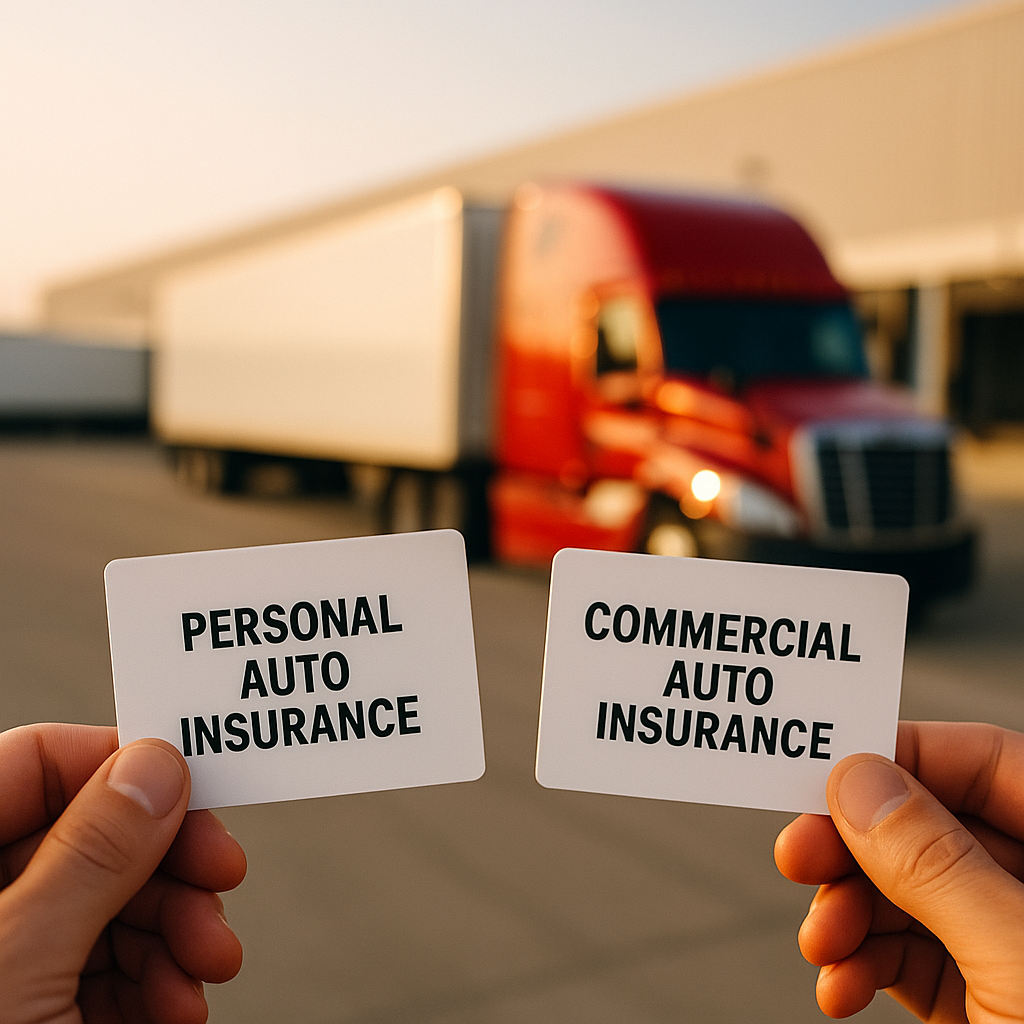
Many business owners mistakenly believe that their personal auto insurance policy will cover them while they are working. This is a dangerous assumption. In 2026, personal insurance carriers have become increasingly stringent, using advanced data analytics to identify vehicle usage patterns. If an accident occurs during a business-related task, a personal policy will almost certainly deny the claim.
Why You Need Commercial Auto
Commercial Auto insurance provides liability coverage for bodily injury and property damage caused by you or your employees while operating a company vehicle. It also covers physical damage to the vehicles themselves from collisions, theft, or vandalism.
In the current year, the rise of semi-autonomous delivery vehicles and specialized EV fleets has increased the cost of repairs. A standard commercial policy ensures that these high-value assets are protected. Furthermore, Hired and Non-Owned Auto (HNOA) coverage is a critical sub-component. This protects the business if an employee uses their own car for a company errand—such as picking up supplies or visiting a client—and gets into an accident.
General Liability (GL): The Shield Against Third-Party Claims
General Liability is often the first policy a business purchases, and for good reason. It is designed to protect your business assets if you are found legally liable for damages to a third party. This does not cover your employees (that is the role of Workers' Comp) but rather customers, vendors, and the general public.
Core Components of GL
- Bodily Injury: If a customer slips and falls on your premises, GL covers their medical expenses and your legal defense costs if they sue.
- Property Damage: If you or an employee accidentally damage a client's property while performing work, GL pays for the repairs or replacement.
- Products-Completed Operations: For contractors and manufacturers, this is vital. It covers damages that occur after a project is finished or a product has been sold.
- Personal and Advertising Injury: This covers non-physical damages like libel, slander, or copyright infringement in your marketing materials.
Without GL insurance, a single lawsuit could result in a judgment that exceeds your company’s total cash reserves. In 2026, the "social inflation" of legal settlements means that even minor incidents can result in six-figure payouts.
Workers’ Compensation (WC): Statutory Requirements and Employee Safety
Workers’ Compensation is unique because it is not just a good idea—it is a legal mandate in nearly every state. WC provides medical benefits and wage replacement to employees who are injured or become ill as a direct result of their job.
The Legal Mandate
State laws dictate the requirements for WC. In 2026, most jurisdictions require coverage the moment you hire your first employee. Failure to carry WC can result in massive fines, stop-work orders, and even criminal charges against business owners.
More importantly, WC acts as an "exclusive remedy." By providing these benefits, you are generally protected from being sued by an injured employee for negligence. This trade-off is the cornerstone of the American labor system, providing stability for both the employer and the workforce.
Deciphering the "Books": NCCI and ISO Classifications
The term "books" in the context of commercial insurance usually refers to the technical manuals published by rating bureaus. The two most significant entities are the National Council on Compensation Insurance (NCCI) and the Insurance Services Office (ISO).
The NCCI Basic Manual and Scopes Manual
For Workers' Compensation, the "book" that matters most is the NCCI Basic Manual. This contains the Classification Codes for every type of job. Each code carries a different rate based on the historical risk associated with that profession.
- The Risk of Misclassification: If a roofing company classifies its workers as "clerical office employees" to save money, they are committing premium fraud.
- The Audit Process: At the end of every policy year, the insurance company will audit your financial "books" (accounting records) to ensure your payroll matches the classifications listed on the policy. If the "books" don't align, you could face a massive "audit premium" bill.
ISO Commercial Lines Manual
Similar to NCCI for Workers' Comp, the ISO provides the "books" for General Liability and Auto insurance. They create the standardized policy forms and loss cost data that most insurance companies use. Understanding these classifications helps a business owner ensure they are grouped with similar businesses, preventing them from paying inflated rates based on higher-risk industries.
Why Technical Accuracy in Record-Keeping Matters
The "books" also refer to your internal financial record-keeping. In 2026, insurance companies utilize sophisticated auditing software that integrates directly with your accounting platforms. If your internal books are disorganized, the auditor may default to the highest-risk classification code available, leading to significantly higher premiums.
Managing Your Insurance Data
To optimize your insurance costs, you must maintain detailed records of:
- Certificates of Insurance (COI): If you hire subcontractors, you must keep their COIs on file. If you cannot prove your subcontractors have their own insurance, your carrier will charge you for their exposure during your audit.
- Payroll by Class Code: Do not lump all payroll into one bucket. Separate field labor from administrative staff to ensure you are paying the correct WC rates for each risk level.
- Vehicle Maintenance Logs: For Commercial Auto, proving a proactive maintenance schedule can often lead to "safe fleet" discounts.
Comparison of Core Commercial Coverages
| Feature | Commercial Auto | General Liability (GL) | Workers' Comp (WC) |
|---|---|---|---|
| Primary Target | Company vehicles & drivers | Third parties (customers/public) | Employees |
| Legal Status | Required for road use | Often contractually required | Statutorily required by state |
| Covers Injuries? | Yes, if caused by a vehicle | Yes, third-party slips/falls | Yes, workplace injuries/illness |
| Covers Property? | Yes, vehicle & 3rd party property | Yes, 3rd party property damage | No |
| Audit Required? | Usually No | Sometimes (based on sales/payroll) | Yes, annually |
Frequently Asked Questions
Can I bundle Auto, GL, and WC into one policy?
While many carriers offer a Business Owner’s Policy (BOP) that combines General Liability and Property insurance, Workers' Compensation and Commercial Auto are typically separate policies. However, you can often "account credit" or bundle them with the same carrier to receive a multi-policy discount. Using a single broker to manage all three ensures there are no gaps in coverage between the different "books" of business.
What happens if I use the wrong NCCI class code?
Using the wrong code—whether accidentally or intentionally—can lead to severe financial consequences. During the annual audit, the carrier will correct the code and charge you the difference in premium for the entire year. If the misclassification is deemed intentional, it can be flagged as insurance fraud, leading to non-renewal and legal action by state regulators.
Do I need Commercial Auto if I only have one van?
Yes. Even a single vehicle used primarily for business purposes requires a commercial policy. Personal policies typically have exclusions for "delivery" or "commercial transport." In 2026, with the prevalence of gig-economy and independent contracting, insurance carriers are more vigilant than ever in enforcing these exclusions.
Why do I need to see a subcontractor's "books" or COI?
When you hire a subcontractor, you are effectively taking on their risk. If they get injured on your job site or cause damage to a client and do not have their own insurance, the claim will fall back on your GL or WC policy. Your insurance carrier will then charge you for that subcontractor's payroll as if they were your employee during your year-end audit.
How are premiums determined in 2026?
Premiums are determined by a combination of your "loss history" (past claims), your total payroll or revenue (exposure), and the classification codes found in the NCCI or ISO manuals. In 2026, many carriers also use telematics data for auto policies and real-time payroll reporting for Workers' Comp to adjust premiums dynamically.
Final Recommendation for Business Owners
To ensure your business is fully protected and financially efficient, you should conduct a "policy audit" at least 90 days before your current coverage expires. Review your internal financial books to ensure payroll is correctly categorized according to current NCCI and ISO manuals. Consult with a specialized commercial insurance broker who can interpret these technical reference "books" for you, ensuring that your Auto, GL, and WC policies are perfectly aligned with your actual operational risks. Maintaining precise records today is the only way to prevent expensive audit surprises tomorrow.
For more information on workers' compensation standards, visit the National Council on Compensation Insurance (NCCI). For general liability forms and data, refer to the Insurance Services Office (ISO).
Image Gallery