How Long to Cook Steamed Shrimp: The Complete Culinary Guide
Steamed shrimp typically takes between 3 to 6 minutes to cook, depending on the size of the shrimp, whether they are shell-on or peeled, and whether they are fresh or thawed from frozen. The moment the shrimp turn opaque, curl into a l...
Steamed shrimp typically takes between 3 to 6 minutes to cook, depending on the size of the shrimp, whether they are shell-on or peeled, and whether they are fresh or thawed from frozen. The moment the shrimp turn opaque, curl into a loose "C" shape, and reach an internal temperature of 145°F (63°C), they are fully cooked and ready to eat.
Contents
Mastering the art of cooking seafood requires precision, as crustaceans transition from perfectly tender to tough and rubbery in a matter of seconds. Steaming is one of the best culinary techniques for shrimp because it relies on gentle, indirect heat rather than harsh direct contact with a hot pan or boiling water. This method preserves the delicate natural sweetness and moisture of the shellfish while infusing them with aromas from seasoned liquids and aromatics. Understanding the specific variables that influence cooking time ensures restaurant-quality results every single time you fire up the stove.
Understanding Shrimp Sizes and Cooking Times
The single most important factor determining how long to cook steamed shrimp is their physical size. Shrimp are typically categorized by count per pound—meaning the number of individual shrimp required to weigh one pound. The lower the count number, the larger the shrimp.
Because heat takes time to penetrate the protein fibers from the exterior to the absolute center, smaller shrimp require only a fleeting moment in the steam chamber, while colossal varieties demand a slightly longer window.
- Small and Medium (51-70 count per pound): These smaller specimens cook through in roughly 2 to 3 minutes. They are ideal for salads, pasta dishes, or quick stir-fries where you want uniform bites.
- Large and Extra-Large (31-50 count per pound): The standard grocery store variety usually falls into this bracket. They require 3 to 4 minutes of steady steam to achieve an opaque, tender texture.
- Jumbo, Colossal, and Super-Colossal (Under 30 count per pound): These hefty crustaceans need 4 to 6 minutes. Because they are thick, running the risk of an undercooked center if removed too early, monitoring them closely during the final minute is critical.
Attempting to cook a mixed batch of small and jumbo shrimp simultaneously will result in uneven textures. Always sort your shrimp by size before placing them in the steamer basket to ensure uniform cooking.
Shell-On vs. Peeled: How Preparation Affects Cook Time
Another critical variable in the steaming equation is the physical state of the shrimp: whether they are dressed in their hard external shells, peeled and deveined, or left with tail-on modifications.
Shells act as a natural insulating barrier against heat. When you steam shell-on shrimp, the shell absorbs the initial thermal energy and protects the delicate underlying meat from seizing up too quickly. This results in a juicier, more flavorful final product because the natural juices are trapped inside the carapace. However, because of this insulation, shell-on shrimp usually require an extra 30 to 60 seconds of cooking time compared to their naked counterparts.
Peeled and deveined shrimp, by contrast, are exposed directly to the rushing steam. Heat penetrates the muscle tissue instantly. If you are steaming peeled shrimp, you must watch the timer vigilantly, as they can overcook and turn rubbery in under 3 minutes.
Tail-on versus tail-off preparations make negligible difference to the actual cooking duration, but tail-on presentations offer a convenient handle for dipping and eating.
Step-by-Step Guide to Steaming Shrimp Perfectly
Achieving optimal results requires a methodical approach that controls both the steaming environment and the post-cooking cooling process. Follow this structured workflow for foolproof steamed shrimp.
Equipment and Ingredients Needed
- A standard saucepan or stockpot with a matching lid
- A metal or silicone steaming basket
- 1 to 2 cups of liquid (water, low-sodium chicken broth, or a 50/50 mix of water and dry white wine)
- Aromatics: sliced lemon, smashed garlic cloves, fresh dill sprigs, bay leaves, or old bay seasoning
- 1 pound of shrimp (rinsed and patted dry)
- A large bowl filled with ice water (for an ice bath)
Step-by-Step Instructions
- Prepare the Steaming Liquid: Pour your water, broth, or wine into the bottom of the stockpot. Add your aromatics—such as lemon wheels, garlic, and spices—directly into the liquid. Bring the mixture to a rolling boil over high heat.
- Set Up the Steamer Basket: Insert the steamer basket into the pot, ensuring the bottom of the basket sits safely above the level of the boiling liquid. It is vital that the shrimp steam in the vapor rather than boiling in the liquid.
- Arrange the Shrimp: Place the prepared shrimp into the basket in a single, even layer. Overlapping the shrimp will block the circulation of steam, leading to unevenly cooked batches where the top layer remains raw while the bottom overcooks.
- Cover and Steam: Secure the lid tightly on the pot to trap the steam. Reduce the heat slightly to medium-high to maintain a steady, vigorous production of vapor without boiling the pot dry.
- Monitor the Timer: Start your timer immediately. For medium shrimp, check at 3 minutes. For large or jumbo shrimp, check at 4 minutes.
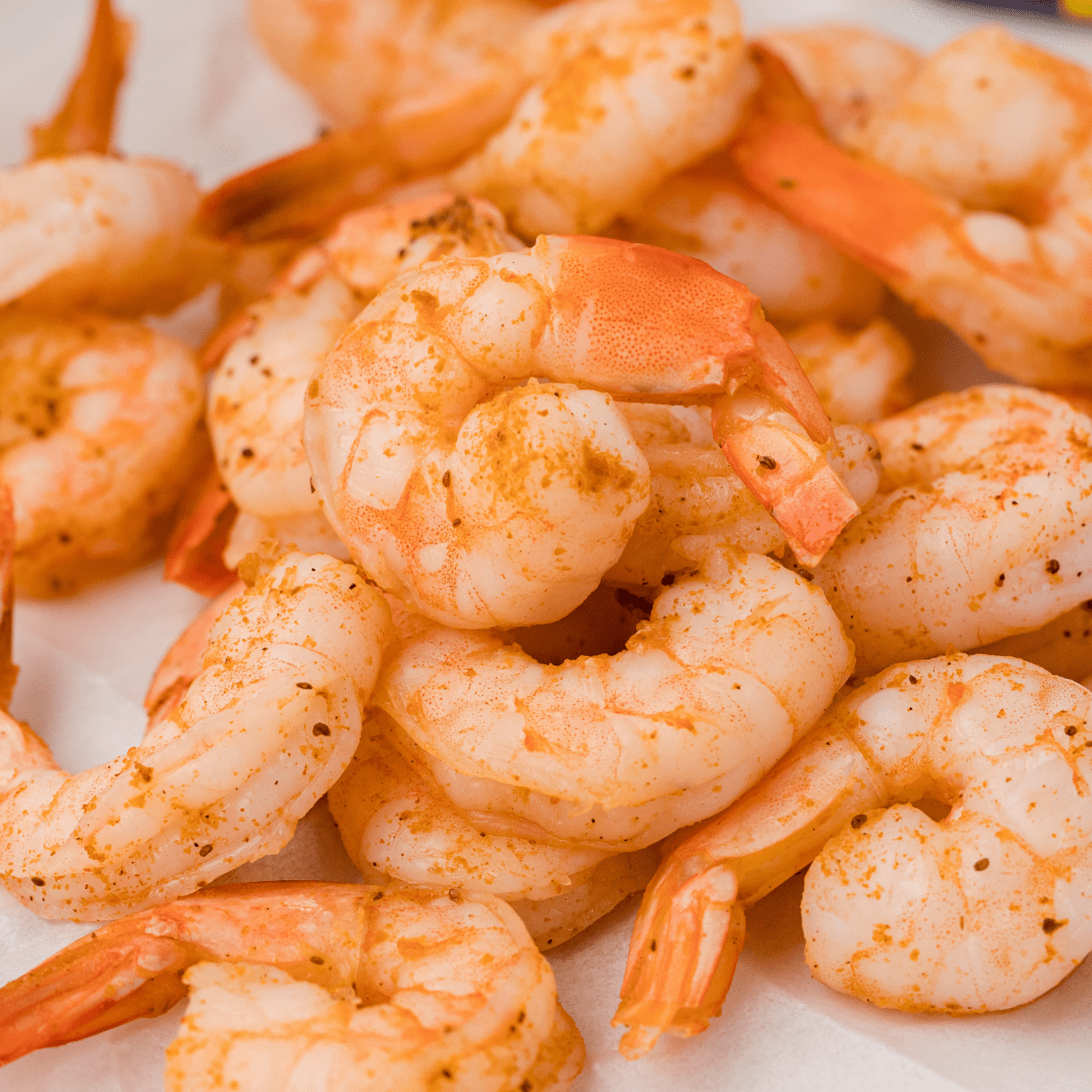
- Test for Doneness: Lift the lid carefully away from your face. Examine the shrimp. They should be completely pink on the outside, opaque white on the inside, and curled into a loose "C" shape. If they form a tight, closed "O" shape, they are already overcooked.
- Halt the Cooking Process: Immediately remove the steamer basket from the pot. To prevent residual carryover heat from continuing to cook the shrimp, dump them directly into the prepared ice bath for 30 to 60 seconds, then drain them thoroughly on paper towels.
Comprehensive Comparison of Shrimp Preparation Methods
To understand why steaming is often superior, it helps to compare it against other common seafood preparation methods in terms of texture retention, flavor infusion, and margin of error.
| Cooking Method | Average Time | Moisture Retention | Margin of Error | Best Use Case |
|---|---|---|---|---|
| Steaming | 3–6 minutes | High (Excellent) | Moderate | Cocktail shrimp, meal prep, tender dishes |
| Boiling | 2–4 minutes | Low (Leaches flavor) | Very Narrow | Quick seafood boils, large crowd feeds |
| Sautéing | 2–3 minutes | Medium | Narrow | Stir-fries, scampi, pasta toppings |
| Grilling | 3–5 minutes | Medium | Narrow | Smoky flavor profiles, skewers |
As the comparison shows, boiling submerges the shrimp in water, which can dilute their natural sweet flavor and leach nutrients into the pot. Steaming uses moisture-rich vapor to cook the protein gently, offering a more forgiving window of time before disaster strikes.
Common Mistakes and Troubleshooting
Even experienced home cooks occasionally misjudge timing or preparation, leading to rubbery or undercooked seafood. Review these common pitfalls to ensure consistent execution.
Overcooking Due to Carryover Heat
The most frequent mistake is leaving hot shrimp sitting in a warm pile after removing them from the heat source. Residual heat inside the thickest parts of the meat will continue cooking the protein even when the burner is off. This is why plunging them into an ice bath is not optional if you want a tender, snappy texture.
Overcrowding the Steamer Basket
Piling two or three layers of shrimp into a single basket creates a thermal barrier. The steam cannot penetrate the dense mass efficiently, causing the bottom layer to overcook into tough rubber while the top layer remains translucent and raw. If you are cooking more than one pound of shrimp, do it in separate batches.
Using Plain Tap Water Without Seasoning
Steaming relies on vapor to transfer flavor. Using plain, unseasoned water misses a golden opportunity to infuse the shrimp with subtle aromatic notes. Always salt your steaming liquid or add citrus, herbs, and spices to enhance the baseline flavor profile of the shellfish.
Frequently Asked Questions
How do I know when steamed shrimp are done without a timer?
Visual cues are your best indicator. Fully cooked shrimp transform from a translucent, greyish hue to an opaque pink with bright red accents. Furthermore, their body shape changes: they should curl into a loose, open "C" shape. If a shrimp curls tightly into a closed circle or letter "O", it has been cooked past its prime and will exhibit a tough, rubbery bite.
Should I thaw frozen shrimp before steaming them?
Yes, it is strongly recommended to completely thaw frozen shrimp under cold running water and pat them dry with paper towels before placing them in the steamer. Steaming frozen shrimp directly introduces excess water into the basket, lowers the ambient temperature of the steam chamber, and results in uneven cooking where the exterior is waterlogged while the center remains icy.
Can I overcook shrimp in a steamer?
Shrimp cook extremely fast because their muscle fibers are short and tender. Leaving them in a steamer for even 60 to 90 seconds past their optimal doneness will cause the proteins to contract tightly, squeezing out all internal moisture and turning the meat tough, dry, and rubbery.
What is the best seasoning to use in the steaming water?
Classic additions include Old Bay seasoning, sliced lemons, smashed garlic cloves, peppercorns, fresh parsley, and bay leaves. If you want a more complex flavor profile, substitute half of the water in the pot with a dry white Sauvignon Blanc or a light seafood stock.
How should leftover steamed shrimp be stored?
Allow the cooked shrimp to cool completely to room temperature, then place them in an airtight container lined with a paper towel to absorb excess moisture. Store them in the coldest part of your refrigerator for up to 3 days. Reheating them is not recommended as it easily leads to toughness; instead, enjoy them cold in salads or wraps.
Final Recommendations for Success
To master the timing of steamed shrimp, rely on a digital kitchen timer rather than intuition, especially when working with unfamiliar sizes. Always prep your ice bath before turning on the stove so you can halt the cooking process the exact second the shrimp reach opaque perfection. By controlling your variables, sorting your sizes, and respecting the delicate nature of crustacean protein, you will consistently yield succulent, tender, and flavorful seafood.
Image Gallery