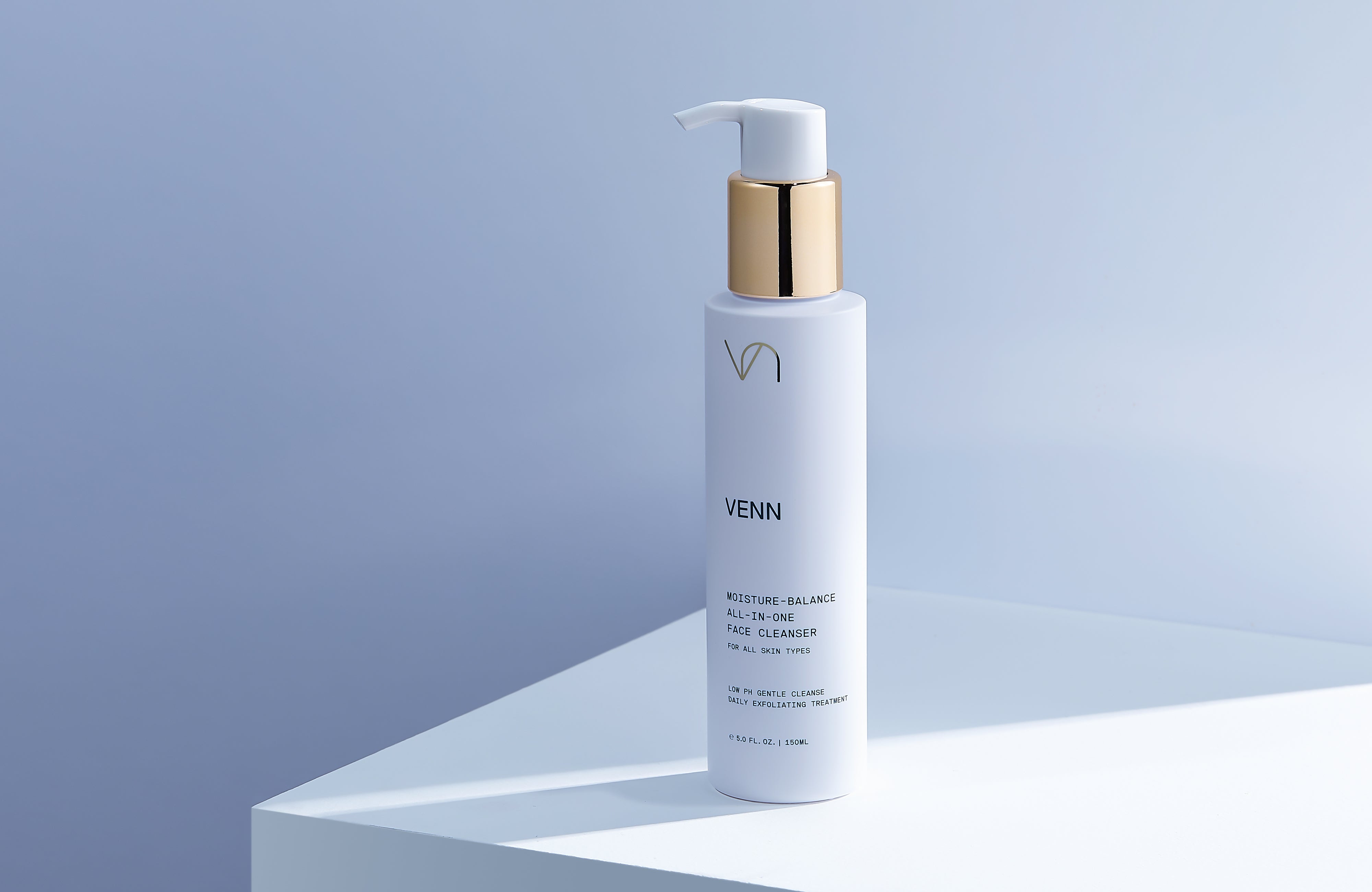
How the All-in-One Facial Cleanser Works: The Science of Multi-Tasking Skincare
An all-in-one facial cleanser works by utilizing dual-phase surfactants and emulsifiers that simultaneously dissolve oil-soluble impurities, such as makeup and sebum, and water-soluble debris like sweat and dust. By stabilizing the ski...
An all-in-one facial cleanser works by utilizing dual-phase surfactants and emulsifiers that simultaneously dissolve oil-soluble impurities, such as makeup and sebum, and water-soluble debris like sweat and dust. By stabilizing the skin’s natural pH and incorporating hydrating lipids, these formulas effectively replace the traditional three-step process of removing makeup, cleansing, and toning in a single application.
Contents
The evolution of dermatological chemistry has led to the rise of the "all-in-one" formulation, a category of skincare designed to streamline routines without compromising the integrity of the skin barrier. As of 2026, the demand for these products has surged as consumers prioritize efficiency and "skinimalism." To understand how a single liquid or balm can perform multiple complex tasks, one must examine the molecular behavior of surfactants, the role of micellar structures, and the importance of pH maintenance in modern cosmetic science.
The Molecular Mechanism: How Surfactants Function
At the core of every all-in-one facial cleanser is a group of molecules known as surfactants (surface-active agents). These molecules are amphiphilic, meaning they possess a dual nature: a hydrophilic (water-loving) head and a lipophilic (oil-loving) tail. In a standard cleansing scenario, water alone cannot remove oil-based impurities because oil and water naturally repel each other.
When you apply an all-in-one cleanser, the lipophilic tails of the surfactants attach themselves to the oils on your face, including excess sebum, waterproof mascara, and long-wear foundation. Simultaneously, the hydrophilic heads remain oriented toward the water. As you rinse, the water pulls the hydrophilic heads away from the skin, dragging the oil-bound tails—and the trapped grime—along with it. This process is known as emulsification. In all-in-one formulas, the concentration and type of surfactants are meticulously balanced to ensure they are strong enough to break down heavy pigments but gentle enough not to disrupt the intercellular lipids that keep the skin hydrated.
According to research published in the Journal of Clinical and Aesthetic Dermatology, the selection of surfactants is critical. Modern all-in-one cleansers often move away from harsh sulfates like Sodium Lauryl Sulfate (SLS) in favor of non-ionic or amphoteric surfactants, such as Cocamidopropyl Betaine or Decyl Glucoside. These ingredients effectively cleanse while maintaining a lower potential for irritation, allowing the product to be used safely around the sensitive eye area for makeup removal.
Micellar Technology and Phase Transition
Many all-in-one cleansers utilize micellar technology or phase-shifting formulations (such as oil-to-milk or balm-to-oil) to achieve their multi-tasking goals. In micellar water, surfactants group together into tiny spheres called micelles. When these micelles come into contact with the skin via a cotton pad or fingertips, they "open up" to grab onto dirt and oil before closing again to encapsulate the waste. This allows for the removal of makeup without the need for vigorous rubbing, which can damage the delicate stratum corneum.
Oil-to-milk cleansers work on a slightly different principle of phase transition. These formulas often begin as a rich oil or balm. When massaged onto dry skin, the high concentration of oils dissolves similar substances—this follows the chemical principle of "like dissolves like." Once water is added, the formula undergoes a chemical shift, turning into a milky emulsion. This transition is triggered by specific emulsifiers that allow the oil-makeup mixture to become water-soluble, ensuring that no greasy residue is left behind. This eliminates the historical need for a "second cleanse" with a foaming wash, as the initial product handles both the breakdown and the removal of impurities.
Replacing the Toner: pH Balancing and the Acid Mantle
A primary reason consumers traditionally used a separate toner was to restore the skin’s pH after using alkaline soaps. The skin’s natural surface, known as the acid mantle, typically resides at a pH of approximately 4.7 to 5.75. Traditional bar soaps often have a pH of 9 or 10, which strips the mantle and leaves the skin vulnerable to bacteria and dehydration.
In 2026, all-in-one cleansers are formulated to be "pH-optimized." By maintaining a slightly acidic profile, these products negate the need for a post-cleansing toner. Manufacturers achieve this by using buffering agents like citric acid or sodium citrate. Furthermore, these cleansers often incorporate "skin-identical" ingredients such as ceramides, squalane, and glycerin. Because the cleanser does not disrupt the pH, these beneficial ingredients can begin to deposit on the skin surface immediately, providing a soothing effect that mimics the traditional role of a hydrating toner.
Key Ingredients in 2026 All-in-One Formulations
The efficacy of an all-in-one cleanser is largely dependent on its ingredient synergy. Unlike simple soaps, these products are complex chemical matrices designed to provide therapeutic benefits while they clean.
- Squalane and Hemicellulose: These are often used as the primary oil phase in all-in-one balms. They provide excellent slip for makeup removal and prevent Transepidermal Water Loss (TEWL) during the cleansing process.
- Polyhydroxy Acids (PHAs): Ingredients like gluconolactone act as very mild exfoliants. Because they have larger molecular sizes than AHAs, they do not penetrate deeply, providing a "toning" and smoothing effect without the irritation associated with traditional chemical peels.
- Fermented Extracts: By 2026, many high-end cleansers include fermented lysates (like Bifida or Lactobacillus). These support the skin microbiome, ensuring that the act of cleansing does not wipe out beneficial bacteria.
- Betaine and PCA: These humectants stay on the skin even after rinsing, ensuring that the face feels "plump" rather than "tight" after the process is complete.
Comparison of Cleansing Methods
To understand the value proposition of the all-in-one facial cleanser, it is helpful to compare it against traditional multi-step methods.
| Feature | Traditional 3-Step (Remover, Wash, Toner) | Double Cleansing (Oil + Foam) | All-in-One Cleanser |
|---|---|---|---|
| Primary Goal | Deep cleaning via multiple specialized layers. | Thorough removal of SPF and heavy makeup. | Maximum efficiency and barrier protection. |
| Time Required | 5–10 minutes. | 4–6 minutes. | 1–2 minutes. |
| Barrier Impact | High risk of over-stripping and irritation. | Moderate; depends on the foam quality. | Low; designed to be self-buffering. |
| Cost Efficiency | High (requires 3 separate products). | Moderate (requires 2 products). | Low to Moderate (1 versatile product). |
| Recommended For | Heavy stage makeup or clinical treatments. | Oily skin and waterproof SPF users. | Sensitive skin, dry skin, and daily maintenance. |
Step-by-Step Application for Maximum Efficacy
How you apply an all-in-one cleanser is just as important as the chemistry inside the bottle. Because these products are designed to perform several jobs, they often require a specific technique to activate their full potential.
- Dry Application: If the cleanser is an oil, balm, or cream-based all-in-one, it should almost always be applied to dry skin. This allows the lipophilic components to bond with makeup and sebum without the interference of water molecules.
- Massage Period: Spend at least 60 seconds massaging the product into the skin. This "60-second rule" ensures the surfactants have enough time to break down stubborn sunscreens and pigments.
- Emulsification: Gradually add lukewarm water. This is the moment the product transforms into a milky or foamy texture, lifting the dissolved impurities away from the skin surface.
- Rinsing and Patting: Rinse with cool to lukewarm water. Avoid hot water, as it can cause vasodilation and irritate the skin barrier. Pat dry with a clean microfiber towel to avoid physical abrasion.
Potential Limitations and Troubleshooting
While all-in-one cleansers are highly efficient, they are not a universal panacea. Users with extremely oily skin or those who wear high-zinc physical sunscreens may find that a single pass with an all-in-one product is insufficient. In such cases, a "residue check" is recommended: swipe a clean cotton pad across the face after cleansing. If the pad shows pigment, a second application or a more intensive oil cleanser may be necessary.
Furthermore, those with acne-prone skin should ensure their all-in-one cleanser is labeled non-comedogenic. Some all-in-one formulas use heavy esters or coconut-derived oils to facilitate makeup removal, which can potentially clog pores if not formulated correctly for oily skin types. It is always advisable to consult a board-certified dermatologist, as recommended by the American Academy of Dermatology, to determine the best cleansing vehicle for your specific skin concerns.
Frequently Asked Questions
Can an all-in-one cleanser really remove waterproof mascara?
Yes, most modern all-in-one cleansers contain high-weight esters or silicones (like dimethicone) specifically chosen to dissolve the polymers found in waterproof makeup. However, for the best results, you should apply the product to the lashes and let it sit for 30 seconds before gently massaging, allowing the chemicals to break the waterproof bond.
Is it necessary to use a moisturizer after an all-in-one cleanser?
While all-in-one cleansers are much more hydrating than traditional soaps, they are still "rinse-off" products. Most of the hydrating ingredients are washed away. While your skin will feel less tight, you should still follow up with a dedicated moisturizer or serum to seal in hydration and protect the barrier throughout the day or night.
Does an all-in-one cleanser work for all skin types?
These products are generally formulated to be versatile, but "all-in-one" does not mean "one size fits all." Those with very dry skin should look for cream or balm-based versions, while those with oily skin might prefer a micellar gel or a product that produces a light, non-stripping foam.
Can I use an all-in-one cleanser if I have sensitive skin or rosacea?
Actually, all-in-one cleansers are often preferred for sensitive skin. By reducing the number of products applied and the amount of physical friction (rubbing and rinsing) the skin undergoes, you decrease the likelihood of triggering a flare-up. Look for formulas that are fragrance-free and "soap-free."
Practical Recommendation
When selecting an all-in-one facial cleanser in 2026, prioritize formulas that list ceramides or fatty acids in the top half of the ingredient list. To test if a product is working for your skin, observe your face five minutes after cleansing and before applying any other products. If your skin feels flexible and looks matte but not dull, the cleanser is successfully maintaining your acid mantle while removing impurities. If your skin feels tight or looks shiny/red, the surfactant concentration may be too high for your specific barrier needs.
Image Gallery