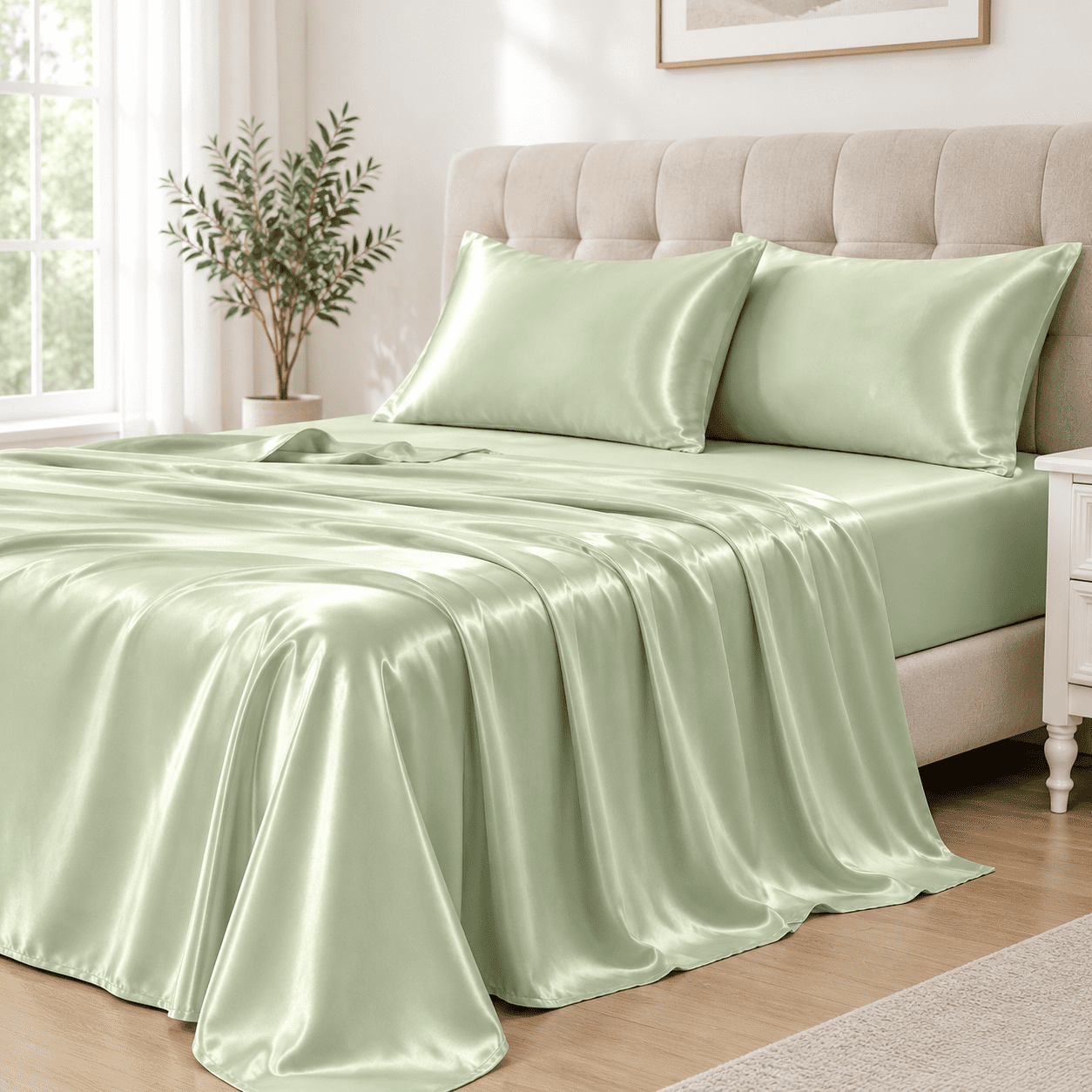
The Complete Guide to Satin Bed Sheets: Luxury, Benefits, and Selection in 2026
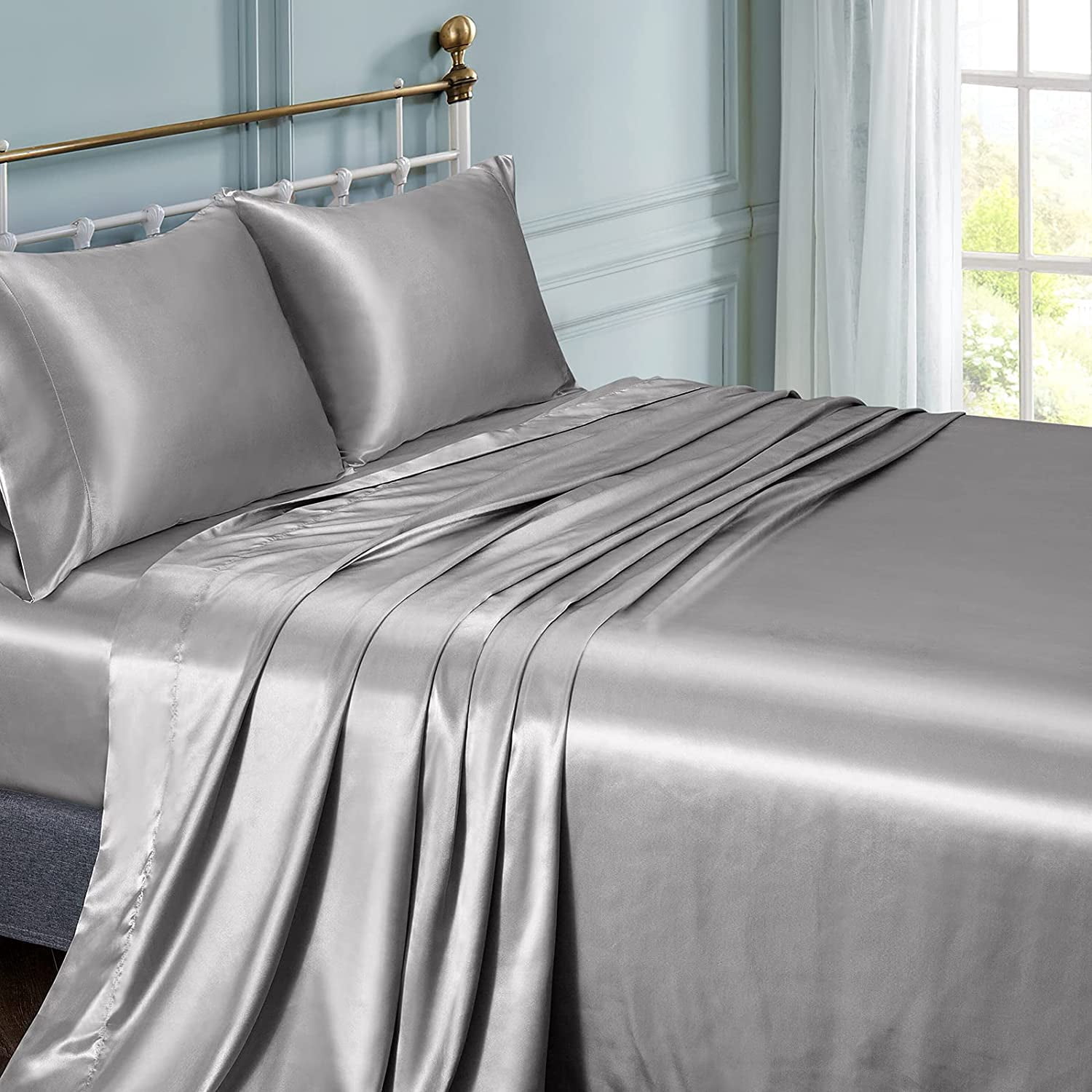
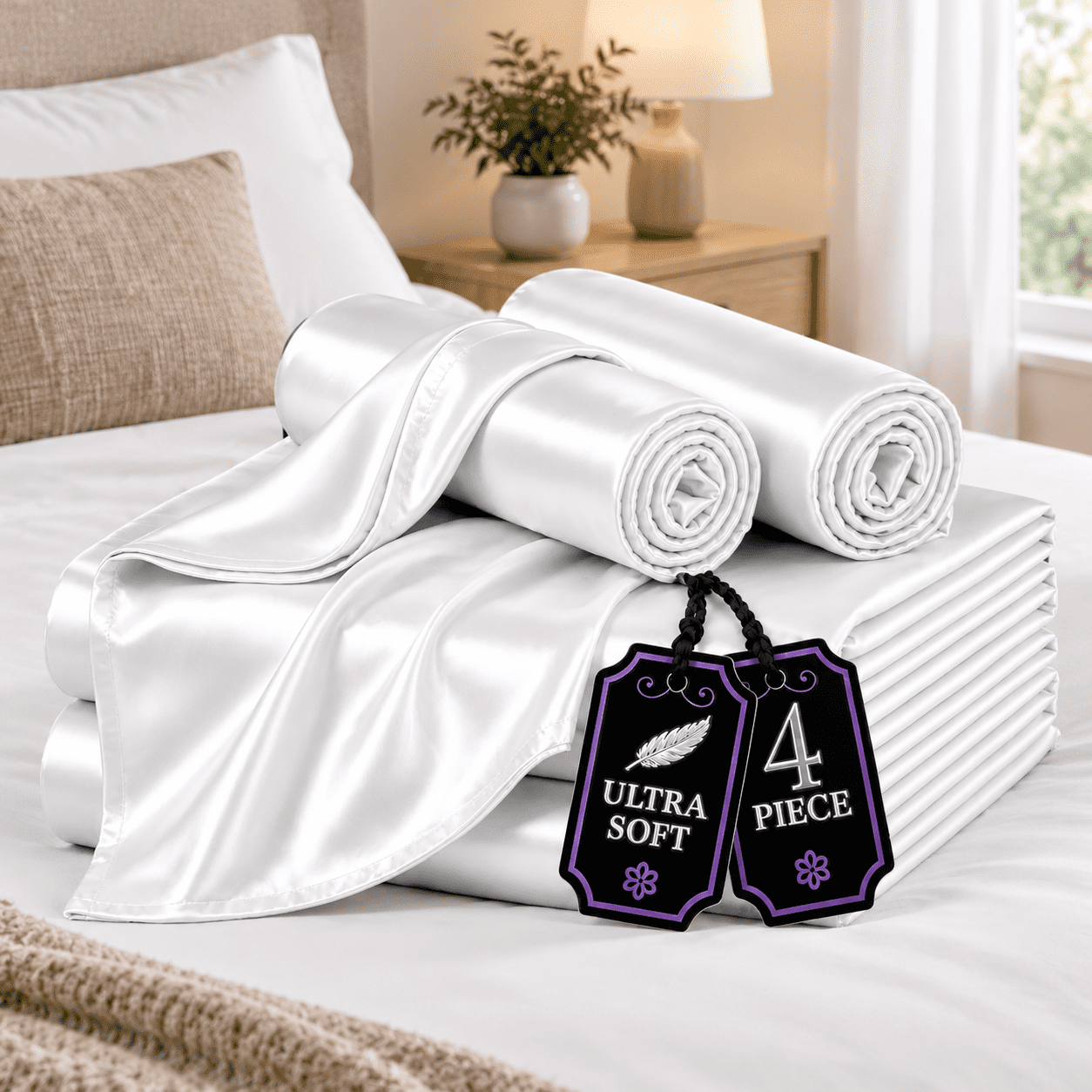
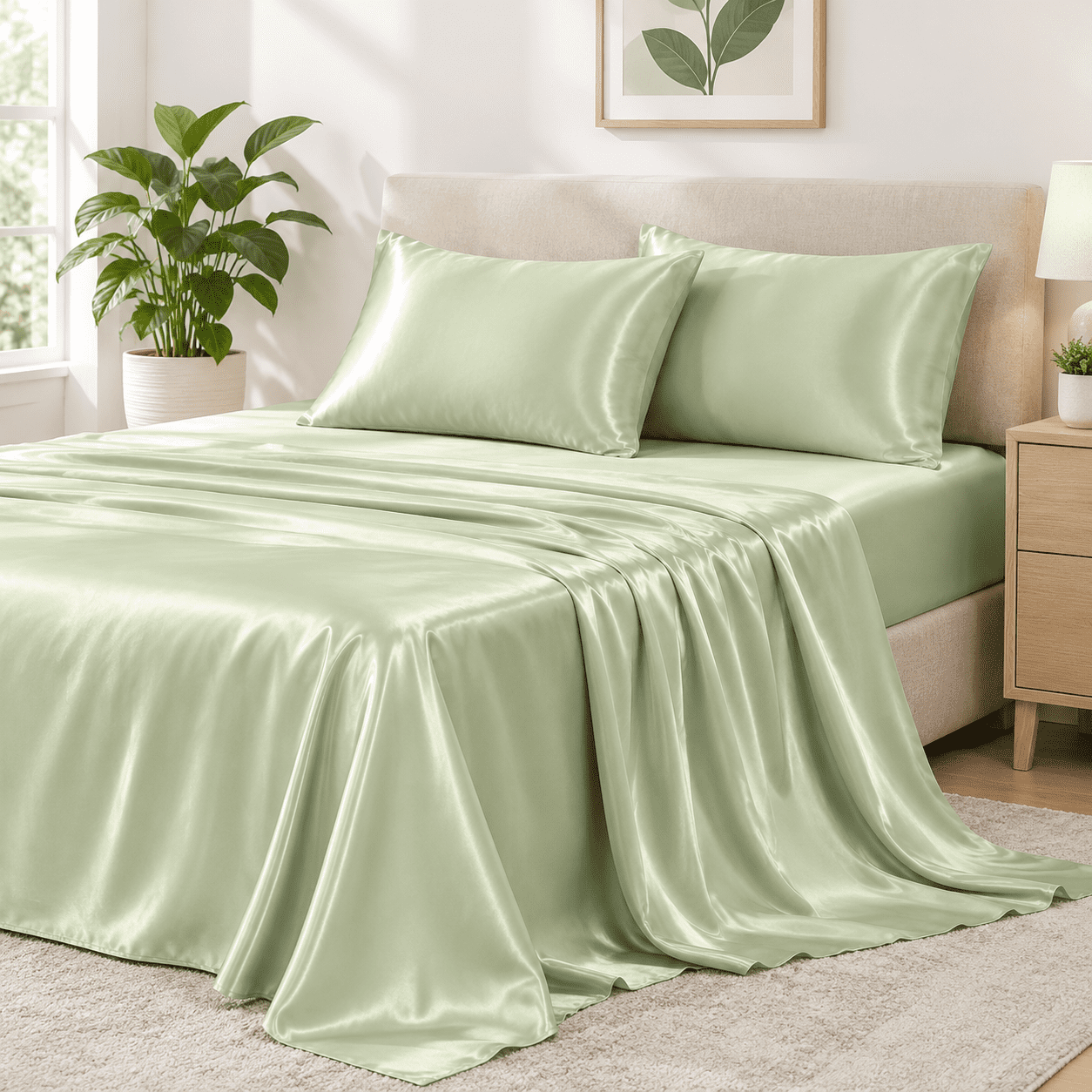
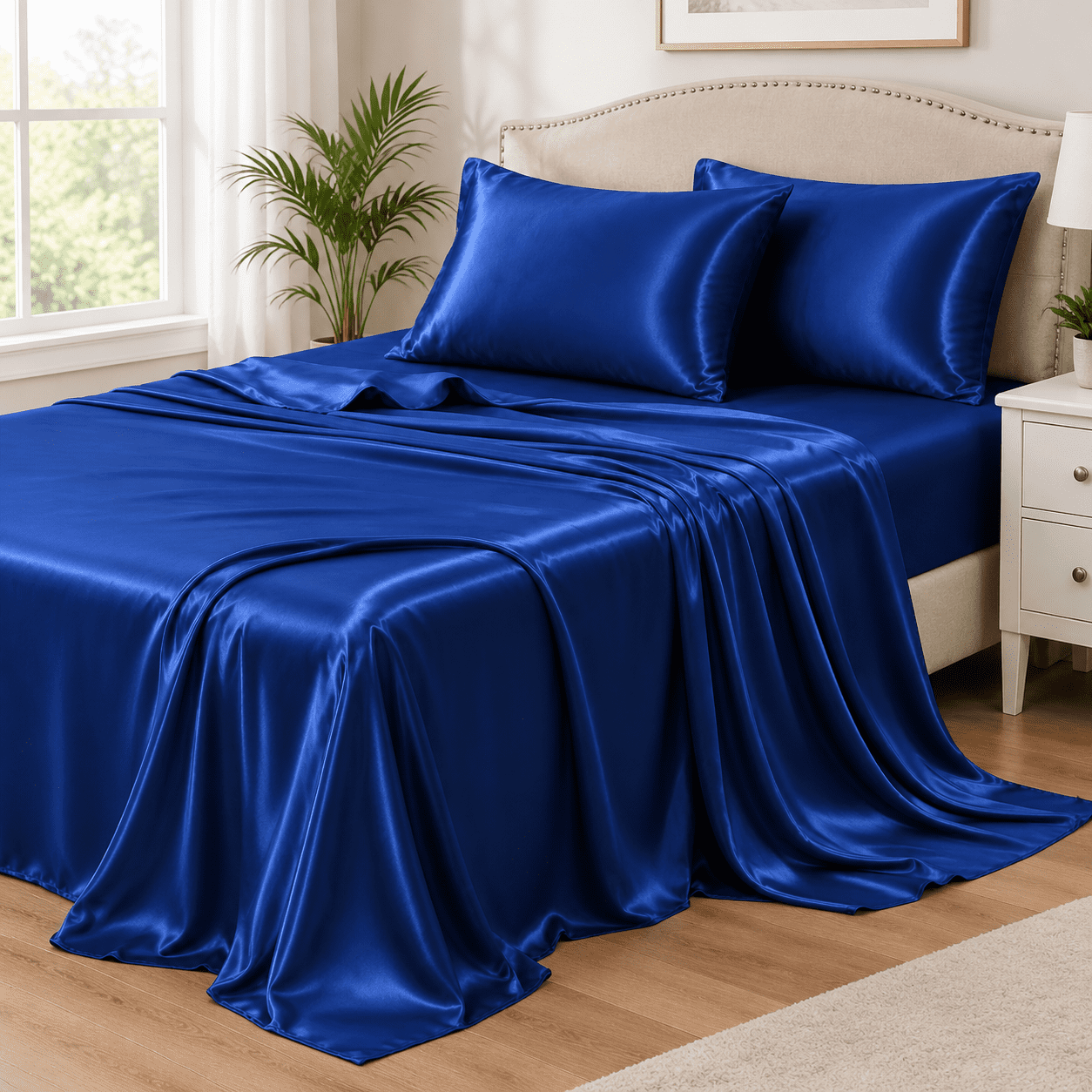
Satin bed sheets are high-luster textiles defined by a specific weaving technique—typically a four-over, one-under stitch—that creates a smooth, glossy surface and a dull back. Primarily used to reduce friction on hair and skin while p...
Satin bed sheets are high-luster textiles defined by a specific weaving technique—typically a four-over, one-under stitch—that creates a smooth, glossy surface and a dull back. Primarily used to reduce friction on hair and skin while providing a luxury aesthetic, these sheets are available in various synthetic and natural fibers.
Contents
Choosing the right bedding is a critical component of sleep hygiene and dermatological care. While the term "satin" is often used interchangeably with "silk," it is essential to understand that satin refers to the weave, not the raw material. In 2026, the market for satin bed sheets has evolved significantly, incorporating advanced cooling technologies and sustainable synthetic fibers that bridge the gap between affordability and high-performance comfort. This guide explores the technical specifications, health benefits, and maintenance requirements of modern satin bedding.
Understanding the Satin Weave: Technical Construction
To appreciate why satin bed sheets feel different from standard percale or jersey, one must look at the loom. The satin weave is characterized by "floats." In a standard plain weave, the warp and weft threads cross over each other in a one-to-one ratio, creating a tight, matte grid. In a satin weave, four or more warp yarns "float" over a single weft yarn.
This construction minimizes the number of interlacing points, leaving a large surface area of yarn exposed. This exposure is what creates the signature light-reflecting sheen and the incredibly low-friction texture. However, this same "float" makes the fabric more susceptible to snagging than tighter weaves.
Satin vs. Sateen: The Fiber Distinction
A common point of confusion in the bedding industry is the difference between satin and sateen. While both use a similar weave structure, the primary difference lies in the fiber used:
- Satin: Traditionally made using filament fibers such as silk, polyester, or nylon. These fibers are long and continuous, which enhances the smoothness and shine of the final product.
- Sateen: Specifically refers to a satin weave applied to short-staple fibers, most commonly mercerized cotton. Sateen is heavier and warmer than satin and lacks the intense slipperiness of filament-based fabrics.
The Health and Beauty Benefits of Satin Sheets
Beyond the visual appeal of a glossy bedspread, satin provides measurable benefits for physical maintenance during sleep. Because we spend approximately one-third of our lives in bed, the surface tension of our sheets directly impacts our skin and hair health.
Dermatological Advantages
Traditional cotton sheets, while breathable, are inherently abrasive at a microscopic level. Cotton fibers can "tug" at the skin during the night as you move. Satin’s low-friction surface allows the skin to glide across the pillowcase and sheets. This is particularly beneficial for:
- Preventing Sleep Lines: Friction-induced creases can eventually contribute to permanent fine lines. Satin minimizes this mechanical stress.
- Moisture Retention: Cotton is highly absorbent and can draw expensive night creams and natural oils away from the face. Satin is less absorbent, ensuring that topical treatments stay on the skin where they belong.
- Sensitive Skin Management: For individuals with eczema or psoriasis, the smoothness of satin reduces the irritation caused by more textured fabrics.
Hair Care and Maintenance
The "satin pillowcase" phenomenon is backed by hair care science. Hair cuticles are prone to lifting and snagging against rougher fabrics, leading to the "bed head" effect. Satin sheets help maintain hair integrity by:
- Reducing Frizz: By eliminating the friction that causes static, satin keeps the hair shaft smooth.
- Preventing Breakage: For those with curly (Type 3) or coily (Type 4) hair, or those with chemically treated strands, the lack of "grip" on the fabric prevents mechanical breakage and knotting.
- Preserving Styles: Satin helps extend the life of blowouts and braids by keeping the hair alignment intact overnight.
Material Composition: Comparing Options in 2026
When shopping for satin bed sheets in 2026, the choice of fiber determines the longevity, breathability, and price point of the set.
| Feature | Polyester Satin | Silk Satin (Charmeuse) | Acetate/Rayon Satin |
|---|---|---|---|
| Durability | High; resistant to wrinkles and shrinking. | Moderate; requires delicate handling. | Low; prone to thinning over time. |
| Breathability | Low to Moderate (Improved by 2026 tech). | Excellent; natural temperature regulator. | Moderate; feels cool but absorbs moisture. |
| Price Point | Budget-friendly ($30–$80). | Luxury/Investment ($300–$600+). | Mid-range ($60–$120). |
| Maintenance | Machine washable; fast drying. | Hand wash or dry clean preferred. | Dry clean or delicate wash only. |
| Best For | Daily use, kids, and pets. | Ultimate luxury and thermal regulation. | Occasional use or guest rooms. |
The Rise of Recycled and "Cooling" Synthetics
As of 2026, the environmental impact of synthetic satin has been mitigated by the widespread adoption of rPET (recycled polyethylene terephthalate). Many high-end polyester satin sets are now derived from recycled ocean plastics, offering a more sustainable alternative to virgin petroleum-based fabrics.
Furthermore, "Cooling Satin" has become a dominant sub-category. Historically, polyester satin was criticized for trapping heat. Modern versions often incorporate moisture-wicking finishes or "hollow-core" fibers that mimic the breathability of silk while maintaining the durability and cost-effectiveness of a synthetic.
Key Technical Specifications for Buyers
To ensure you are purchasing a high-quality set of satin sheets, you must look beyond the "satin" label and examine the technical metrics of the fabric.
Weight and GSM (Grams per Square Meter)
Because satin is a weave and not a specific weight, the density of the fabric varies. For synthetic satin, a GSM of 100 to 120 is generally considered the sweet spot for bedding. Anything lower may feel flimsy and prone to "shifting" on the mattress, while anything significantly higher may become too heavy and lose its drape.
Thread Count vs. Fiber Quality
While thread count is a popular marketing term, it is often misleading for satin. Because filament fibers (like polyester or silk) are much thinner than cotton threads, they can be packed more densely. A "high" thread count in satin (e.g., 600+) is common, but the quality of the finish and the tightness of the weave are better indicators of quality than the raw number. Look for "Charmeuse" weaves, which offer a more liquid-like drape and higher luster than standard satin weaves.
Fit and Security
One functional drawback of satin is its slipperiness. In 2026, many manufacturers have addressed this by adding deep pockets and heavy-duty elastic perimeter bands to the fitted sheets. Some brands also include "non-slip" backing on the underside of the fitted sheet to prevent it from sliding off the mattress during the night.
Care and Maintenance Protocols
The longevity of satin bed sheets is entirely dependent on how they are laundered. Because the long "floats" in the weave are exposed, they are highly susceptible to pilling and snagging when in contact with zippers, hooks, or rougher fabrics.
Washing Instructions
- Turn Inside Out: If washing satin pillowcases, turn them inside out to protect the glossy surface.
- Use a Mesh Bag: Always place satin items in a large mesh laundry bag to prevent them from tangling with other garments or catching on the washing machine's agitator.
- Cold Water Only: Heat can damage synthetic fibers and cause them to lose their sheen. Use a delicate cycle with cold water.
- pH-Neutral Detergent: Avoid harsh bleaches or enzymatic cleaners, which can break down the fibers over time.
Drying and Ironing
Avoid the dryer whenever possible. The high heat of a tumble dryer can create "static shock" and permanent wrinkles in synthetic satin. Air-drying is the gold standard. If you must use a dryer, use the "air fluff" or "no heat" setting.
If the sheets are wrinkled, use a steamer rather than a traditional iron. If an iron is necessary, use the lowest possible setting (usually labeled "Silk" or "Synthetics") and place a pressing cloth between the iron and the satin to prevent scorching.
Common Mistakes to Avoid
- Ignoring the Fiber Content: Many shoppers buy "satin" expecting the benefits of silk but end up with cheap polyester that causes them to overheat. Always check the label to see if the fiber is polyester, acetate, or silk.
- Neglecting Rough Skin: Satin is so smooth that it will catch on calloused skin or unfiled fingernails. If you have very rough skin on your feet, you may find that you "snag" the bottom of the sheets, which can eventually lead to pilling.
- Using Fabric Softener: Most modern satin sheets are treated with finishes that make them inherently soft. Adding liquid fabric softener can create a "filmy" residue that dulls the shine and reduces breathability.
Frequently Asked Questions
Are satin sheets too hot for summer?
This depends on the material. 100% silk satin is highly breathable and excellent for summer. Older or low-quality polyester satin can trap heat. However, 2026-era "performance satin" often features moisture-wicking technology designed specifically to keep sleepers cool.
Do satin sheets slide off the bed?
They can, especially if the fitted sheet is not the correct size for the mattress depth. To prevent this, look for "deep-pocket" sheets with elastic "anchor bands" at the corners. Using a cotton mattress protector underneath can also provide enough friction to keep the satin fitted sheet in place.
Is satin better than silk?
"Satin" is the weave; "Silk" is the fiber. Silk satin is generally considered the pinnacle of luxury because it offers the benefits of the satin weave with the natural breathability of silk. However, synthetic satin (polyester) is much more durable, easier to wash, and significantly more affordable.
Can pets sleep on satin sheets?
It is not recommended. Cat and dog claws can easily snag the long floats of a satin weave, causing "pulls" that ruin the aesthetic and texture of the sheets. If you have pets, a tighter weave like cotton percale or a durable microfiber is usually a better choice.
How often should I replace satin sheets?
With proper care, a high-quality synthetic satin set should last 2 to 4 years. Silk sets can last longer if hand-washed. You should replace them when you notice significant pilling, thinning of the fabric, or a loss of the original luster.
Final Recommendation
For most consumers in 2026, a high-quality polyester satin set with moisture-wicking properties offers the best balance of price, beauty benefits, and ease of care. If you are a "hot sleeper," prioritize silk or performance-grade synthetics. Regardless of the material, always ensure the fitted sheet features deep-pocket construction to manage the inherent slipperiness of the fabric.
Image Gallery