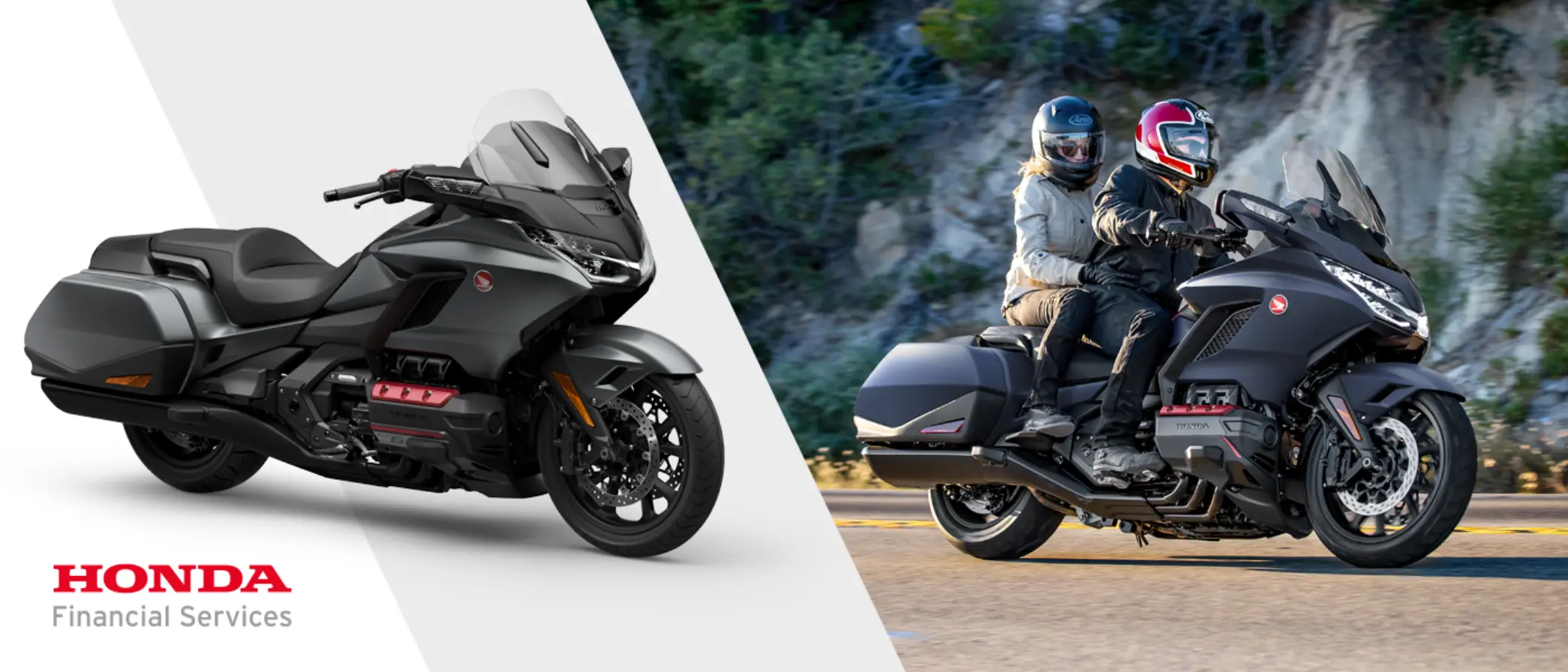
Understanding the Honda Gold Wing Weight Across All Generations
The curb weight of a modern Honda Gold Wing (2018–2026) ranges from 804 lbs (365 kg) to 853 lbs (387 kg), depending on the specific trim and transmission. Older generations, specifically the 2001–2017 GL1800 models, were significantly...
The curb weight of a modern Honda Gold Wing (2018–2026) ranges from 804 lbs (365 kg) to 853 lbs (387 kg), depending on the specific trim and transmission. Older generations, specifically the 2001–2017 GL1800 models, were significantly heavier, often exceeding 900 lbs (408 kg) when fully equipped with touring accessories and fluids.
Contents
The Honda Gold Wing has long been the benchmark for luxury touring motorcycles. For riders considering this machine in 2026, understanding its weight is not merely about looking at a spec sheet; it is about understanding how that mass affects handling, storage, fuel efficiency, and the overall riding experience. While the Gold Wing is undeniably a heavy motorcycle, Honda’s engineering focus has shifted over the decades from sheer size to "mass centralization," making the current generation feel much lighter than its predecessors despite its substantial physical presence.
The Evolution of Gold Wing Weight: 1975 to 2026
To understand why the Gold Wing weighs what it does today, one must look at its history. The Gold Wing did not start as the "two-wheeled couch" it is known as today.
The Early Years (GL1000 to GL1200)
In 1975, the original GL1000 was a "naked" bike. It lacked the massive fairings, trunks, and stereos associated with the modern line. It had a dry weight of approximately 584 lbs. As Honda added fairings and luggage in the 1980s (Interstate and Aspencade models), the weight climbed steadily. By the time the GL1200 arrived in the mid-80s, the bike had crossed the 700-lb threshold, reflecting the market's demand for more comfort and weather protection.
The Six-Cylinder Era (GL1500)
The introduction of the flat-six engine in 1988 marked a major turning point. The GL1500 was a massive machine designed for the American interstate system. These bikes typically weighed between 790 and 840 lbs dry. Once you added oil, coolant, and a full 6.3-gallon tank of fuel, these bikes were well over 850 lbs. This era established the Gold Wing as a heavyweight champion, prioritized stability over agility.
The Peak of Mass (GL1800 First Generation: 2001–2017)
The first generation of the 1800cc Gold Wing saw the weight reach its absolute peak. While the aluminum frame introduced in 2001 was lighter than the previous steel frames, the addition of more electronics, larger luggage capacity, and sophisticated suspension pushed the curb weight of a fully loaded "Airbag" model to nearly 930 lbs. For nearly two decades, Gold Wing riders accepted that a nearly half-ton machine was the price of admission for ultimate touring comfort.
Modern Specifications: The 2018–2026 Weight Revolution
In 2018, Honda performed a "ground-up" redesign that shocked the touring world by shedding nearly 90 lbs from the previous model. As of 2026, the current generation maintains this lighter, more athletic profile. The weight varies based on three primary factors: the presence of a rear trunk (Tour vs. Standard), the transmission type (Manual vs. DCT), and the inclusion of a safety airbag.
| Model Trim (2026) | Transmission | Curb Weight (lbs) | Curb Weight (kg) |
|---|---|---|---|
| Gold Wing (Base/Bagger) | 7-Speed DCT | 804 lbs | 365 kg |
| Gold Wing Tour | 6-Speed Manual | 834 lbs | 378 kg |
| Gold Wing Tour | 7-Speed DCT | 845 lbs | 383 kg |
| Gold Wing Tour Airbag | 7-Speed DCT | 853 lbs | 387 kg |
Standard Gold Wing vs. Gold Wing Tour
The "Standard" Gold Wing (often referred to as the Bagger) lacks the top trunk. This configuration accounts for a weight reduction of approximately 30 to 40 lbs compared to the Tour model. This weight is removed from the highest point of the motorcycle, which significantly lowers the center of gravity and makes the bike feel much more nimble in corners.
Manual vs. Dual Clutch Transmission (DCT)
The DCT is an engineering marvel, but it comes with a weight penalty. The DCT system, which includes two clutches and the hydraulic control assembly, adds roughly 11 lbs (5 kg) to the bike's total weight. However, most riders in 2026 find this a worthy trade-off, as the DCT includes a "Walking Mode" (forward and reverse) that makes managing the 800+ lb mass much easier in parking lots.
Why Curb Weight Matters More Than Dry Weight
When researching "what is the Gold Wing weight," you will often encounter two different figures: dry weight and curb weight.
- Dry Weight: This is the weight of the motorcycle without any fluids—no gasoline, no engine oil, no coolant, and no brake fluid. This figure is largely a marketing tool and does not represent how the bike actually feels or operates.
- Curb Weight: This is the "ready-to-ride" weight. Honda defines curb weight as the bike with all standard equipment, required fluids, and a full tank of fuel.
For a motorcycle like the Gold Wing, the difference is substantial. With a fuel capacity of approximately 5.5 gallons (21 liters), the gasoline alone adds nearly 34 lbs. When you add the massive cooling system and several quarts of oil required for the 1833cc flat-six engine, the "dry" weight is usually 50–60 lbs lighter than the weight you actually have to balance at a stoplight.
The Engineering of Weight: Mass Centralization
One of the most frequent comments from riders transitioning to a 2026 Gold Wing is that it "feels lighter than the numbers suggest." This is due to mass centralization.
Honda engineers placed the heaviest components—the engine, the fuel tank, and the exhaust system—as low and as central as possible. The fuel tank is actually located under the seat rather than high up between the rider's knees. The horizontally opposed cylinder layout (the "Flat Six") places the heavy cylinder heads very low to the ground.
This low center of gravity creates a high "moment of inertia," meaning the bike is resistant to tipping but easy to lean once in motion. This engineering choice is why a Gold Wing can often feel more stable at low speeds than a top-heavy 600-lb Adventure bike.
Handling the Weight: Tips for Riders
Operating an 800-lb machine requires a specific skill set, particularly during low-speed maneuvers or when the bike is stationary.
- Utilize Walking Mode: If you have the DCT model, the Walking Mode is your best friend. It allows the bike to creep forward or backward at a fraction of a mile per hour. This eliminates the need to "duck-walk" the heavy machine, which is where most tip-overs occur.
- Master the Front Brake Caution: Applying the front brake while the handlebars are turned is the fastest way to drop a heavy motorcycle. At low speeds, Gold Wing riders should rely almost exclusively on the rear brake to settle the chassis.
- The "Pick-Up" Technique: Even the most experienced riders may drop a bike. Because of the engine guards (crash bars), a Gold Wing does not lay flat; it rests at about a 45-degree angle. The correct way to lift it is the "back-to-the-bike" method, using your legs to push against the seat while walking backward.
- Suspension Preload: The 2026 Gold Wing Tour features electronic preload adjustment. It is vital to set this correctly based on whether you are riding solo, with a passenger, or with luggage. Proper preload ensures the bike sits at the correct height, which affects the sidestand angle and ease of lifting the bike off the stand.
Comparing the Gold Wing to the Competition
To put the Gold Wing's weight in perspective, we must compare it to its primary rivals in the luxury touring and heavy cruiser segments as of 2026.
- Harley-Davidson Ultra Limited: Typically weighs around 910–930 lbs curb weight. The Harley is significantly heavier than the modern Gold Wing and carries its weight higher in the frame.
- BMW K 1600 GTL: This is the Gold Wing's closest technological rival. It weighs approximately 785–800 lbs. While slightly lighter than the Gold Wing Tour, the BMW’s inline-six engine sits higher, giving it a different balance profile.
- Indian Roadmaster: This V-twin tourer comes in at approximately 890–912 lbs. Like the Harley, it retains a more traditional, heavier iron-and-chrome construction.
The Gold Wing occupies a "sweet spot" in the segment. It is lighter than the traditional American V-twin tourers but heavier (and arguably more stable) than the sport-touring leaning BMW.
Maintenance and the "Weight Tax"
The mass of the Gold Wing places specific demands on its consumables. If you own a bike that weighs 850 lbs before adding a rider and passenger, you must be diligent about two things: tires and brakes.
Gold Wing tires are specifically engineered with stiffer sidewalls to handle the immense load. Using a standard touring tire not rated for a GL1800 can lead to premature wear or delamination. Owners should expect to replace tires more frequently than they would on a lighter motorcycle, typically every 8,000 to 12,000 miles, depending on riding style.
Similarly, the braking system uses a "Linked Braking System" (LBS) to ensure that both the front and rear calipers are engaged to stop the massive momentum. The pads are high-friction sintered metal, designed to dissipate the heat generated by stopping nearly 1,200 lbs (bike + riders + gear).
FAQ: Common Questions About Gold Wing Weight
Is the Gold Wing too heavy for a beginner?
Yes, generally. While the low center of gravity makes it stable, the sheer momentum of 800+ lbs is unforgiving. Beginners often lack the "clutch-throttle-rear brake" coordination required to keep a heavyweight bike upright during tight u-turns or sudden stops.
Does the weight affect the fuel economy?
Surprisingly, less than you might think. While it takes more energy to get the mass moving, the 2026 Gold Wing’s aerodynamic profile and 7-speed DCT allow it to achieve 40–45 MPG on the highway. The weight actually aids in maintaining momentum once at cruising speed.
How much weight can the Gold Wing carry?
The Gross Vehicle Weight Rating (GVWR) for the Gold Wing is typically around 1,260 lbs. This means that after accounting for the bike’s 850-lb curb weight, the total capacity for the rider, passenger, and luggage is approximately 410 lbs. Exceeding this can stress the suspension and affect braking distances.
Does the Airbag model weigh more?
Yes, the Airbag model is the heaviest in the lineup at 853 lbs. The weight difference comes from the airbag module itself, the sensors located in the front forks, and the reinforced housing required to deploy the system safely.
Is the 2026 model lighter than the 2017 model?
Yes, significantly. The 2026 model (part of the 2018+ generation) is approximately 80 to 90 lbs lighter than the 2017 model. This was achieved by moving to a more compact engine design, a double-wishbone front suspension, and an integrated starter-generator system.
Final Recommendation
When considering the weight of a Honda Gold Wing, do not let the 800-lb figure intimidate you. If you are a long-distance tourer who prioritizes stability in crosswinds and a plush ride over long miles, the weight is an asset, not a liability. However, if your riding consists mostly of short urban commutes with frequent stops, you may find the mass of the Gold Wing Tour cumbersome.
For most riders in 2026, the Gold Wing Tour with DCT offers the best balance. The added 11 lbs of the DCT is more than offset by the "Walking Mode" and the lack of low-speed stalling risk, making the bike’s weight much easier to manage in real-world conditions. Always check your tire pressure weekly; on a bike this heavy, even a 5 PSI drop can make the steering feel "heavy" and sluggish.
Image Gallery