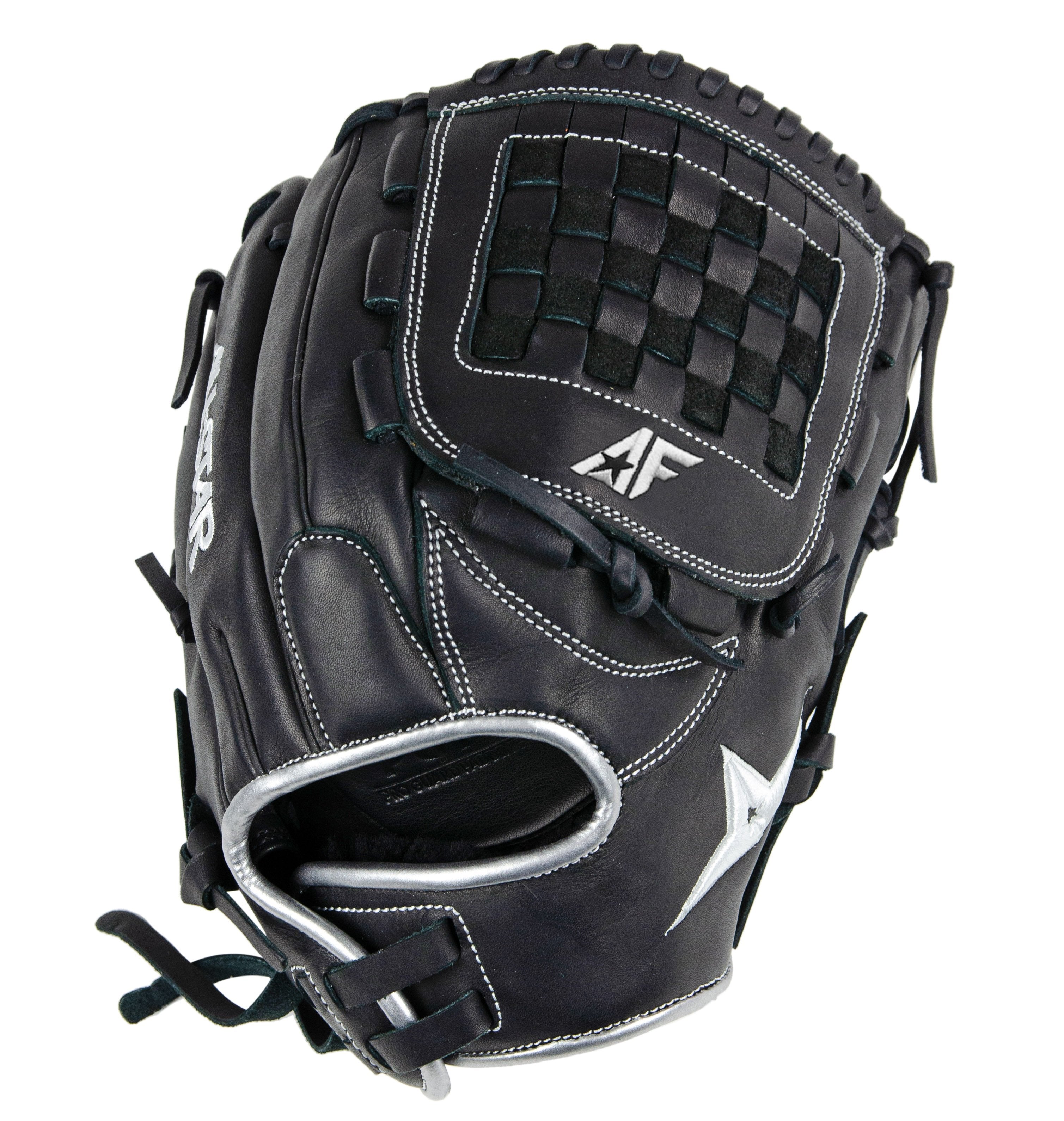
How to Choose a Softball Glove for Your Game
To choose the right softball glove, you must first identify your league type (fastpitch or slowpitch) and your primary defensive position. Unlike baseball gloves, softball gloves feature deeper pockets and thinner heels to accommodate...
To choose the right softball glove, you must first identify your league type (fastpitch or slowpitch) and your primary defensive position. Unlike baseball gloves, softball gloves feature deeper pockets and thinner heels to accommodate a 12-inch ball. Prioritize high-quality steerhide or kip leather for durability and a snug, adjustable fit for control.
Contents
Choosing the right softball glove is one of the most critical decisions a player makes. In 2026, the market offers a staggering array of specialized patterns, leather grades, and closure systems. While it may be tempting to pick a glove based on aesthetics or professional endorsements, a truly effective selection depends on technical specifications that align with your specific role on the field. A properly fitted glove functions as an extension of the hand, facilitating quicker transfers, better ball security, and reduced impact sting.
Understanding the Core Differences: Fastpitch vs. Slowpitch
Before examining pocket depths or leather types, you must distinguish between fastpitch and slowpitch equipment. Although they may look similar to the untrained eye, the engineering behind them serves different game velocities and ball sizes.
Fastpitch Softball Gloves
Fastpitch softball is characterized by high-speed pitching and aggressive baserunning. Because the game moves quickly, fastpitch gloves are designed with smaller hand openings and tighter finger stalls to accommodate female athletes. Manufacturers like Wilson and Rawlings utilize "Pro Velvet" linings and adjustable pull-lace systems to ensure the glove stays secure during high-intensity movements. The goal here is control and "feel" for the ball to facilitate rapid transitions from catching to throwing.
Slowpitch Softball Gloves
Slowpitch gloves are generally larger, often ranging from 12.5 to 15 inches. Since the ball is delivered in an arch and the game emphasizes hitting, the defensive focus is on maximum reach and ball security. These gloves feature massive pockets to swallow the 12-inch ball used in most adult leagues. Because slowpitch is often a recreational or "co-ed" activity, the hand openings are typically larger to accommodate a wider range of hand sizes compared to specialized fastpitch models.
Positional Requirements and Glove Patterns
Your position on the field dictates the ideal length and web style of your glove. Each role has specific mechanical demands that a generic "utility" glove may not fully satisfy.
Infielders (Second Base, Shortstop, Third Base)
Infielders require the smallest gloves on the field, typically ranging from 11.5 to 12.5 inches for fastpitch. A smaller glove allows for a quicker "transfer"—the act of pulling the ball out of the glove to make a throw.
- Pocket Depth: Infielders prefer a shallow pocket. This prevents the ball from getting "lost" in the glove, allowing the fingers to find the seams of the softball instantly.
- Webbing: I-Web or H-Web patterns are standard. These open webs allow dirt and debris to fall through the glove rather than getting trapped, and they provide the structural integrity needed to withstand hard-hit ground balls.
Outfielders
Outfielders are the "safety net" of the defense. They need a larger glove, usually 12.5 to 14 inches, to extend their reach for fly balls and diving catches.
- Pocket Depth: A deep pocket is essential. When a player is running at full speed to track a fly ball, they need the confidence that the ball will stay seated in the glove upon impact.
- Webbing: The "H-Web" or "Trapeze" style is common. These designs offer a reinforced "top bar" that helps the glove maintain its shape when reaching for balls at the end of the fingers.
Pitchers
The pitcher’s glove serves two purposes: catching comebackers and concealing the ball from the batter.
- Webbing: Pitchers almost exclusively use closed webs (Basket-web or Solid-web). This prevents the batter or the base coaches from seeing the pitcher’s grip on the ball, which would reveal the type of pitch (rise ball, drop ball, or changeup) before it is released.
- Size: Usually 12 to 12.5 inches, providing enough surface area for defense without being too heavy for the pitching motion.
First Base and Catchers
These are specialized mitts, not gloves. They lack individual finger stalls to provide more padding and a more efficient "scooping" shape.
- First Base Mitt: Long and flat with a curved edge to help pick low throws out of the dirt.
- Catcher’s Mitt: Heavily padded to protect the hand from high-velocity pitches. Fastpitch catchers use a mitt with a "hinge" that allows the glove to close more easily around the large softball.
Material Selection: Leather Quality and Longevity
The material of your glove determines how long it will last and how difficult it will be to "break in." In 2026, leather technology has bifurcated into ultra-premium professional grades and game-ready synthetic blends.
| Leather Type | Durability | Break-In Time | Best For |
|---|---|---|---|
| Synthetic/Mesh | Low | Instant (None) | Beginners, Youth Players |
| Cowhide | Medium | 1–2 Weeks | High School, Casual Adult |
| Steerhide | High | 3–6 Weeks | College, Competitive Travel |
| Kip Leather | High | 4–8 Weeks | Professional, Elite Fastpitch |
| Full-Grain | Highest | Longest | Serious players seeking a "forever" glove |
Premium Leather (Kip and Steerhide)
Elite players often opt for Kip leather, which comes from younger cattle. It is lighter than traditional steerhide but maintains a tight grain structure, making it incredibly durable. Steerhide is the "gold standard" for durability; it is heavier and stiffer, requiring a significant break-in period, but it will hold its shape for many seasons. Brands like Mizuno often use specialized tanning processes to make these high-end leathers feel softer without sacrificing structural integrity.
Game-Ready and Synthetic Materials
For younger players or those who do not want to spend weeks oiling and pounding a glove, "game-ready" leather is pre-softened at the factory. Synthetic materials or mesh backs are also popular in 2026 to reduce weight. While these are convenient, they tend to "floor out" (lose their shape) much faster than high-quality leather.
Sizing and Fit: The Human Factor
A glove that is too large will be floppy and difficult to control, while one that is too small will cause hand fatigue and increased impact pain.
Measuring for the Right Fit
Softball gloves are measured from the tip of the index finger, down along the inside of the pocket, to the center of the heel. When trying on a glove, your fingers should reach near the top of the stalls, but not be cramped.
- The "Two-Finger" Method: Many modern players prefer to put both the pinky and ring finger into the pinky stall. This creates a deeper pocket and more leverage for closing the glove, which is particularly helpful for the larger 12-inch softball.
- Wrist Adjustment: Look for gloves with adjustable Velcro straps or "pull-lace" systems. These are essential for fastpitch players with smaller hands to ensure the glove doesn't slip during a throw.
The 2026 Break-In Process
Once you have chosen your glove, the work isn't over. In 2026, the consensus among professional glove technicians is to avoid "shortcuts" like ovens or microwaves, which can dry out the leather fibers and lead to premature cracking.
- Conditioning: Apply a small amount of manufacturer-approved glove oil or conditioner to the dry areas of the glove.
- Mallet Work: Use a glove mallet to strike the pocket and the "hinge" points (the areas where the glove naturally folds).
- Catch Play: The best way to break in a glove is simply by playing catch. This shapes the pocket specifically to your hand and the way you catch the ball.
- Storage: Always store your glove with a ball in the pocket and a glove wrap to maintain the "cradle" shape.
Frequently Asked Questions
Can I use a baseball glove for softball?
While possible in a pinch, it is not recommended. Baseball gloves have narrower pockets designed for a 9-inch ball. A 12-inch softball may not sit securely in a baseball glove, leading to more "pop-outs" and increased risk of the ball catching the end of the fingers and bending them back.
How often should I replace my softball glove?
A high-quality steerhide or kip leather glove can last 5 to 10 years if properly maintained. Signs that you need a replacement include the leather becoming "mushy" (losing its ability to stay open), the internal padding thinning out to where catches become painful, or the laces constantly snapping.
What is the difference between a "closed" and "open" web?
Closed webs use a solid piece of leather, offering maximum support and concealing the ball (ideal for pitchers). Open webs (like the I-Web) use interlaced leather strips, which are lighter and allow for better visibility when tracking fly balls through the sun or lights.
How do I know if a glove is too big for a youth player?
If the child cannot close the glove completely with one hand, or if the glove slides off the hand when they reach for a ball, it is too large. It is better to have a slightly smaller, controllable glove than a massive one that the player cannot manipulate.
Should I get a glove with a Velcro strap or a conventional back?
Velcro or "Fastback" designs are excellent for players who need a custom, tight fit, which is common in fastpitch. Conventional "Open Back" designs offer more breathability and are often preferred by infielders who want more wrist flexibility.
Practical Recommendation
When selecting your glove for the 2026 season, prioritize the quality of the leather over flashy colors or "Pro Model" branding. For competitive fastpitch players, an 11.75-inch to 12-inch I-Web glove in Kip leather offers the best balance of weight and durability. For recreational slowpitch, a 13-inch H-Web cowhide glove provides the necessary reach and a shorter break-in time. Always verify the league's equipment standards through organizations like USA Softball to ensure your glove meets legal pocket depth and color requirements for pitchers.
Image Gallery