Navigating Street Parking in Miami: Rules, Rates, and Expert Strategies for 2026
Finding street parking in Miami requires using the PayByPhone app, identifying specific zone numbers, and understanding neighborhood-specific regulations. While rates typically range from $2.00 to $4.00 per hour on the mainland, availa...
Finding street parking in Miami requires using the PayByPhone app, identifying specific zone numbers, and understanding neighborhood-specific regulations. While rates typically range from $2.00 to $4.00 per hour on the mainland, availability and enforcement vary significantly between high-traffic areas like Brickell and residential zones. Always verify local signage to avoid strict towing and ticketing.
Contents
The Landscape of Miami Parking in 2026
In 2026, the City of Miami and its surrounding municipalities have fully embraced a digital-first parking infrastructure. Street parking is primarily managed by two distinct entities: the Miami Parking Authority (MPA), which handles the mainland (including Downtown, Brickell, Coconut Grove, and Wynwood), and the City of Miami Beach Parking Department, which manages the barrier island. Understanding this distinction is crucial because your account settings and permit eligibility often differ between these jurisdictions.
The transition to a "Smart City" model means that physical parking meters have become a rarity. Most street spots now rely on multi-space pay stations or, more commonly, mobile payment applications. This shift has increased the efficiency of enforcement, as parking enforcement officers (PEOs) now use license plate recognition (LPR) technology to scan vehicles and verify payment status instantly. For drivers, this means the margin for error—such as overstaying a session by five minutes—has narrowed significantly.
How to Pay for Street Parking: The PayByPhone Standard
The PayByPhone app remains the undisputed king of street parking in Miami. While some municipal lots might accept other forms of payment, street-level curbside parking is almost exclusively managed via this platform.
Setting Up Your Account
Before heading into high-traffic areas, it is advisable to have the app installed and your vehicle information pre-loaded. The system links your payment to your License Plate Number. A common mistake is entering a typo in the plate number; in 2026, enforcement is automated, and even a single wrong digit will result in a citation because the scanner will not find a matching active session for your vehicle.
Understanding Zone Numbers
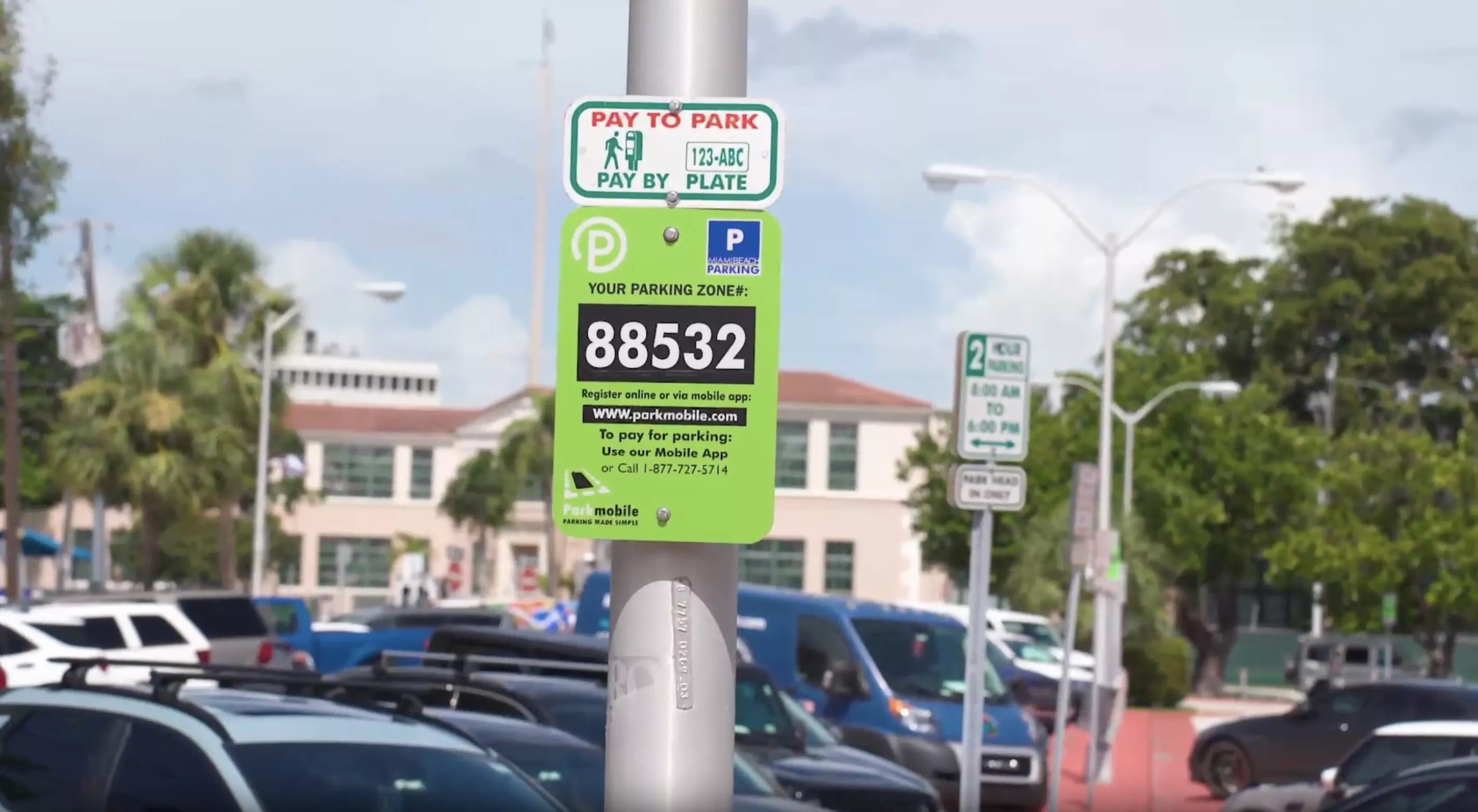
Every block or section of a street is assigned a unique Zone Number, clearly displayed on green or blue signs. You must enter this specific number into the app to ensure you are paying the correct rate for that specific location. Rates are not uniform across the city; they are tiered based on demand. For instance, parking in the heart of the Design District will cost more than parking in a residential pocket of Silver Bluff.
Extension and Alerts
One of the primary benefits of the digital system is the ability to extend your parking session remotely. The app sends a notification before your time expires. However, be aware of "Maximum Stay" limits. In high-turnover areas like Downtown, you may be restricted to a four-hour maximum. Once that limit is reached, the app will prevent you from renewing in the same zone to encourage turnover for local businesses.
Street Parking Rates and Enforcement by Neighborhood
Miami’s parking costs are dynamic, reflecting the density and commercial value of each neighborhood. As of 2026, the following table outlines the typical rates and enforcement windows you can expect across the major districts.
| Neighborhood | Average Hourly Rate | Enforcement Hours | Demand Level |
|---|---|---|---|
| Brickell | $4.00 | 7:00 AM – Midnight (Daily) | Extremely High |
| Downtown Miami | $3.50 | 7:00 AM – Midnight (Daily) | High |
| Wynwood | $3.00 - $4.00 | 7:00 AM – 3:00 AM (Daily) | High (Weekends) |
| Coconut Grove | $2.50 | 7:00 AM – Midnight (Daily) | Moderate |
| Miami Beach (South Beach) | $4.00 | 24 Hours | Critical |
| Coral Gables | $2.50 - $3.00 | 9:00 AM – Midnight (Mon-Sat) | Moderate/High |
| Little Havana | $2.00 | 7:00 AM – 9:00 PM (Daily) | Moderate |
Brickell and Downtown
These are the most challenging areas for street parking. During business hours, finding an open curbside spot is nearly impossible. If you do find one, pay close attention to commercial loading zones. In 2026, these zones are strictly enforced to allow delivery vehicles access to high-rise buildings. Parking in a loading zone, even for a "quick errand," will almost certainly result in an immediate tow.
Wynwood Art District
Wynwood has a unique parking ecosystem. Many streets that appear to be open for parking are actually restricted during special events or weekend nights. The enforcement hours here extend late into the night (3:00 AM) due to the neighborhood's active nightlife. Always look for the "Pay to Park" signs, as the transition between a public street and a private lot can be confusing, and private lots often charge significantly higher flat rates.
Miami Beach
Parking in Miami Beach is handled separately from the mainland MPA. If you are crossing the MacArthur or Julia Tuttle Causeways, be prepared for higher rates. The city uses a "Residential Parking Permit" (RPP) system extensively. If you park on a side street without the proper residential decal or an active PayByPhone session in a visitor-allowed zone, your car will likely be towed within the hour.
Avoid Common Fines and Towing Risks
The cost of a parking ticket in Miami in 2026 starts at approximately $35 to $45, but the real expense is towing, which can exceed $250 plus storage fees. To protect your vehicle, follow these technical guidelines:
- The 15-Foot Rule: Never park within 15 feet of a fire hydrant. Miami PEOs are particularly vigilant about this, as it is a public safety violation.
- Direction of Travel: You must park in the direction of traffic. Parking against the flow of traffic on a two-way street is a common mistake for out-of-state visitors and is an automatic citation.
- Crosswalks and Sidewalks: Blocking any portion of a crosswalk or even slightly overlapping a sidewalk is strictly prohibited. In dense areas like Little Havana, where sidewalks are narrow, this is heavily enforced.
- Disabled Parking: Only vehicles with a valid, non-expired disabled permit or license plate may use blue-marked spots. In 2026, Florida laws regarding the use of these permits are strictly enforced to prevent fraud. While disabled permit holders may receive some complimentary time in certain on-street spots, they must still adhere to the maximum time limits posted.
- Yellow and Red Curbs: A yellow curb generally indicates a loading zone or a "no parking" area, while a red curb is strictly for emergency vehicles or fire hydrants. Do not park at any colored curb unless there is a sign explicitly permitting it during certain hours.
Residential Parking Programs and Visitor Passes
For residents living in high-density areas, the Residential Parking Permit (RPP) program is essential. This program reserves specific street blocks for residents, protecting them from the influx of commuters and tourists.
If you are visiting a resident in an RPP zone, you cannot simply park on the street. The resident must usually register your license plate through their online portal to grant you temporary visitor access. Without this digital "guest pass," you are liable to be ticketed even if the street appears empty. For those moving to Miami, applying for an RPP requires proof of residency (such as a utility bill or lease) and a vehicle registration tied to that address.
Special Events and Holiday Regulations
Miami's parking rules can change overnight due to major events like Art Basel, the Miami International Boat Show, or Formula 1 weekends. During these times, the Miami Parking Authority often implements "Event Pricing."
- Temporary No-Parking Zones: The city frequently clears entire streets for security or logistics. These will be marked with temporary paper signs taped to posts or trees. These signs override any permanent "PayByPhone" zones.
- Holiday Exceptions: While some cities offer free parking on holidays, Miami's high-demand areas rarely do. In 2026, you should assume that enforcement is active 365 days a year in areas like South Beach and Brickell unless a sign explicitly states otherwise.
Frequently Asked Questions
Is there any free street parking in Miami?
Free street parking is virtually non-existent in the commercial and tourist centers such as Brickell, Downtown, and South Beach. You may find free street parking in more residential neighborhoods like parts of Shenandoah or The Roads, but you must be careful not to block driveways or park in permit-only zones.
What should I do if my car is towed?
If your car is missing and you believe it was towed from a city street, you should contact the Miami Police Department's non-emergency line or check the MPA website. You will need to provide your VIN or license plate number. Most vehicles towed from the mainland are taken to the central impound lot, where you must pay the towing fee, storage fee, and any outstanding tickets before the vehicle is released.
Can I pay for street parking with cash or credit cards?
While most street parking has transitioned to the PayByPhone app, some high-traffic areas still have multi-space kiosks that accept credit cards. However, almost none accept cash or coins in 2026. The app is the most reliable method to ensure your session is recorded accurately in the enforcement database.
How do the parking rates change during the night?
In most of the City of Miami, enforcement ends at midnight. However, in entertainment districts like Wynwood or South Beach, enforcement is often 24/7 or extends until 3:00 AM. Always check the specific signs on the block where you are parking to confirm the active hours.
Does the PayByPhone app work for all of Miami?
Yes, the PayByPhone app works for both the City of Miami and the City of Miami Beach, though they operate as separate entities within the app. You simply need to enter the correct zone number found on the street signage for your current location.
Practical Recommendation for Drivers
Before you put your car in park, perform a 360-degree check of the immediate area for signage. Look for "Tow-Away Zone" signs and verify the Zone Number for the PayByPhone app. If you are visiting a high-traffic area like Brickell or South Beach, consider using one of the many municipal parking garages (such as the Knight Center Garage or the 17th Street Garage in Beach) instead of street parking. Garages often offer lower long-term rates, protection from the Florida sun, and a lower risk of accidental towing.
Image Gallery