Understanding the Auto Insurance You Must Carry in PA: A Comprehensive 2026 Guide
To drive legally in Pennsylvania, you must maintain a motor vehicle liability insurance policy that meets the state's minimum financial responsibility requirements. At a minimum, Pennsylvania law requires $5,000 in medical benefits, $1...
To drive legally in Pennsylvania, you must maintain a motor vehicle liability insurance policy that meets the state's minimum financial responsibility requirements. At a minimum, Pennsylvania law requires $5,000 in medical benefits, $15,000/$30,000 in bodily injury liability, and $5,000 in property damage liability. Drivers must also choose between "Full Tort" and "Limited Tort" coverage.
Contents
The Pennsylvania Motor Vehicle Financial Responsibility Law (MVFRL) establishes the baseline for what every driver must carry to operate a vehicle on public roads. While these mandates represent the legal minimum, they often fall short of providing full financial protection in the event of a significant accident. Understanding the nuances of these requirements is essential for both legal compliance and personal financial security.
The Foundation of Pennsylvania's "Choice No-Fault" System
Pennsylvania operates under a "choice no-fault" insurance system. This is a hybrid model that differs significantly from many neighboring states. In a pure no-fault system, your own insurance pays for your medical treatments regardless of who caused the accident, and your right to sue the other driver is restricted. In Pennsylvania, you have the "choice" to opt into a system that either limits or preserves your right to sue for non-monetary damages like pain and suffering.
Despite this choice, the "no-fault" aspect always applies to medical benefits. This means that if you are injured in an auto accident in Pennsylvania, your own auto insurance policy is the primary payer for your medical bills, up to your policy limit, regardless of whether you were at fault or the other driver was at fault.
Mandatory Minimum Coverage Limits in 2026
The Commonwealth mandates specific dollar amounts for different types of coverage. Failure to maintain these specific limits can result in the suspension of your driver’s license and vehicle registration.
1. Medical Benefits (First-Party Benefits)
Minimum Requirement: $5,000
This is the "no-fault" portion of your policy. It covers medical bills for you and others covered under your policy (such as family members or passengers) if they are injured in a vehicle-related accident. It applies regardless of fault. In 2026, the $5,000 minimum remains the baseline, though many medical professionals and insurance advisors suggest higher limits due to the rising costs of emergency room visits and rehabilitation.
2. Bodily Injury Liability
Minimum Requirement: $15,000 per person / $30,000 per accident
Bodily injury liability covers the medical expenses, rehabilitation, and potentially the legal defense costs if you are found at fault for an accident that injures someone else.
- $15,000 per person: The maximum amount your insurance will pay for any one individual injured in an accident you caused.
- $30,000 per accident: The total maximum amount your insurance will pay for all individuals injured in a single accident, regardless of how many people are hurt.
If you cause an accident with three people and each has $15,000 in medical bills (totaling $45,000), your minimum policy would only cover $30,000, leaving you personally liable for the remaining $15,000.
3. Property Damage Liability
Minimum Requirement: $5,000
This coverage pays for damage you cause to someone else’s property with your vehicle. While this usually applies to the other driver's car, it also covers damage to lamp posts, fences, buildings, or other structures. Given that the average cost of a new vehicle in 2026 far exceeds $5,000, carrying only the minimum property damage liability puts a driver at high risk of being sued personally for the difference in repair or replacement costs.
The Mandatory Tort Choice: Full vs. Limited
One of the most critical decisions you must make when purchasing Pennsylvania auto insurance is selecting your tort option. This choice must be made in writing and remains in effect until you change it.
Limited Tort
Selecting the Limited Tort option allows you to save on your monthly premiums. However, in exchange for these lower rates, you waive your right (and the rights of household members) to seek financial compensation for "pain and suffering" and other non-monetary damages unless the injuries sustained are defined as "serious."
Pennsylvania courts generally define a "serious injury" as a personal injury resulting in death, serious impairment of a body function, or permanent serious disfigurement. If your injury does not meet this high threshold, you are limited to recovering only your actual out-of-pocket medical expenses and lost wages.
Full Tort
The Full Tort option carries a higher premium but preserves your unrestricted right to sue the at-fault driver for all damages, including pain and suffering, regardless of the severity of the injury. There is no "threshold" to meet; if the other driver was negligent, you can seek full compensation for the impact the accident had on your quality of life.
| Coverage Type | Mandatory Minimum | Purpose |
|---|---|---|
| Medical Benefits | $5,000 | Pays your own medical bills regardless of fault. |
| Bodily Injury Liability | $15,000 / $30,000 | Pays for others' injuries when you are at fault. |
| Property Damage Liability | $5,000 | Pays for damage to others' property. |
| Tort Option | Must Choose One | Defines your right to sue for pain and suffering. |
| Uninsured Motorist (UM) | Must be offered | Covers you if hit by a driver with no insurance. |
| Underinsured Motorist (UIM) | Must be offered | Covers you if the at-fault driver has low limits. |
Uninsured and Underinsured Motorist Coverage
In Pennsylvania, insurance companies are legally required to offer you Uninsured Motorist (UM) and Underinsured Motorist (UIM) coverage. While the law requires you to carry the three types of liability coverage mentioned earlier, it allows you to reject UM and UIM coverage in writing.
- Uninsured Motorist (UM): Protects you, your family, and your passengers if you are hit by a driver who does not have insurance or by a hit-and-run driver.
- Underinsured Motorist (UIM): Protects you if the at-fault driver has insurance, but their limits are too low to cover the full extent of your medical bills and damages.
While you can legally waive these coverages to lower your bill, doing so is often considered a major financial risk. If you are seriously injured by a driver carrying only the $15,000 minimum, and you do not have UIM coverage, you may have no way to recover the costs of your long-term care or lost earning capacity.
Consequences of Driving Without Insurance in PA
Pennsylvania utilizes an electronic tracking system to monitor insurance compliance. Insurance companies are required to notify the Pennsylvania Department of Transportation (PennDOT) when a policy is canceled or terminated. If you fail to provide proof of new insurance within a specified timeframe, several penalties apply.
- Registration Suspension: PennDOT will suspend your vehicle registration for three months. During this time, no one can legally drive the vehicle.
- Driver's License Suspension: If you are caught operating a vehicle without insurance, your personal driver's license may be suspended for three months.
- Fines and Fees: You will face a minimum fine of $300 for non-compliance, plus restoration fees for both your registration and your license.
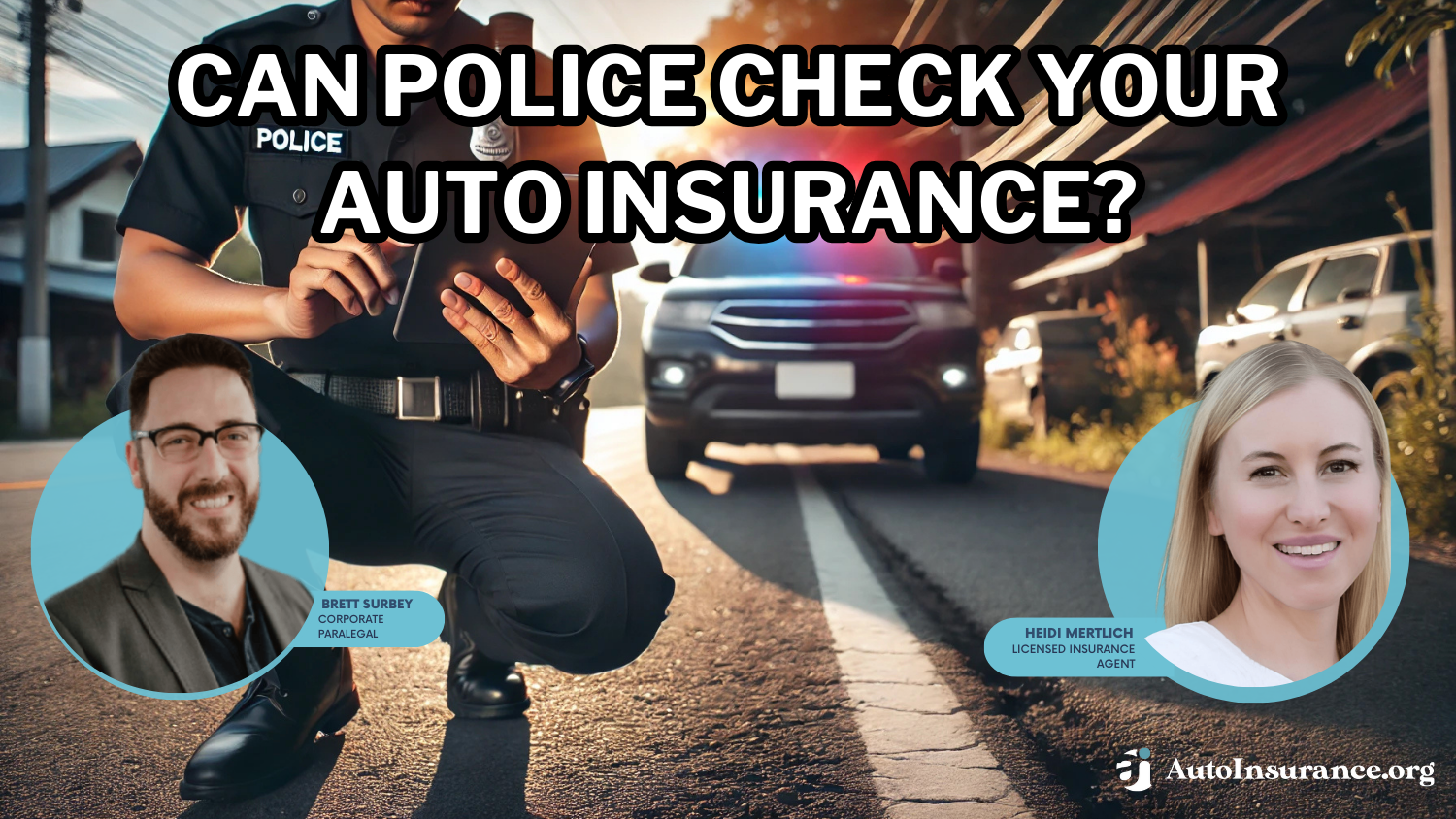
- Vehicle Impoundment: Police have the authority to impound a vehicle if the driver cannot provide proof of valid insurance during a traffic stop.
To restore a suspended registration, you must provide proof of insurance and pay a civil penalty (in some cases, this penalty can be paid in lieu of serving the three-month suspension, provided the lapse was less than 31 days and the vehicle was not driven during that time).
Common Mistakes and Misconceptions
"Full Coverage" vs. Mandatory Minimums
Many drivers use the term "full coverage," but this has no legal definition in Pennsylvania. Usually, people mean they have added Collision and Comprehensive coverage.
- Collision: Pays for damage to your car after an accident you caused.
- Comprehensive: Pays for damage from non-accident events like theft, vandalism, or falling trees. Neither of these is required by Pennsylvania law, though they are almost always required by banks or leasing companies if you have an active auto loan.
The "Starkey" and "Stacking" Rule
When purchasing UM/UIM coverage, you will be asked about "stacking." Stacking allows you to multiply your UM/UIM limits by the number of vehicles on your policy. For example, if you have two cars and a $50,000 UIM limit, stacking allows you to access $100,000 in coverage. You must carry this unless you sign a specific waiver.
The Out-of-State Driver
If you are a Pennsylvania resident, you must follow PA requirements even if you drive in other states. Conversely, if you move to PA, you have 20 days to register your vehicle and obtain a PA-compliant insurance policy.
Frequently Asked Questions
Is Pennsylvania a no-fault state?
Yes, Pennsylvania is a "choice no-fault" state. This means your own insurance always pays for your medical bills first (up to your chosen limit), but you have the choice to decide whether you want to limit your right to sue for non-economic damages like pain and suffering through the Limited Tort or Full Tort selection.
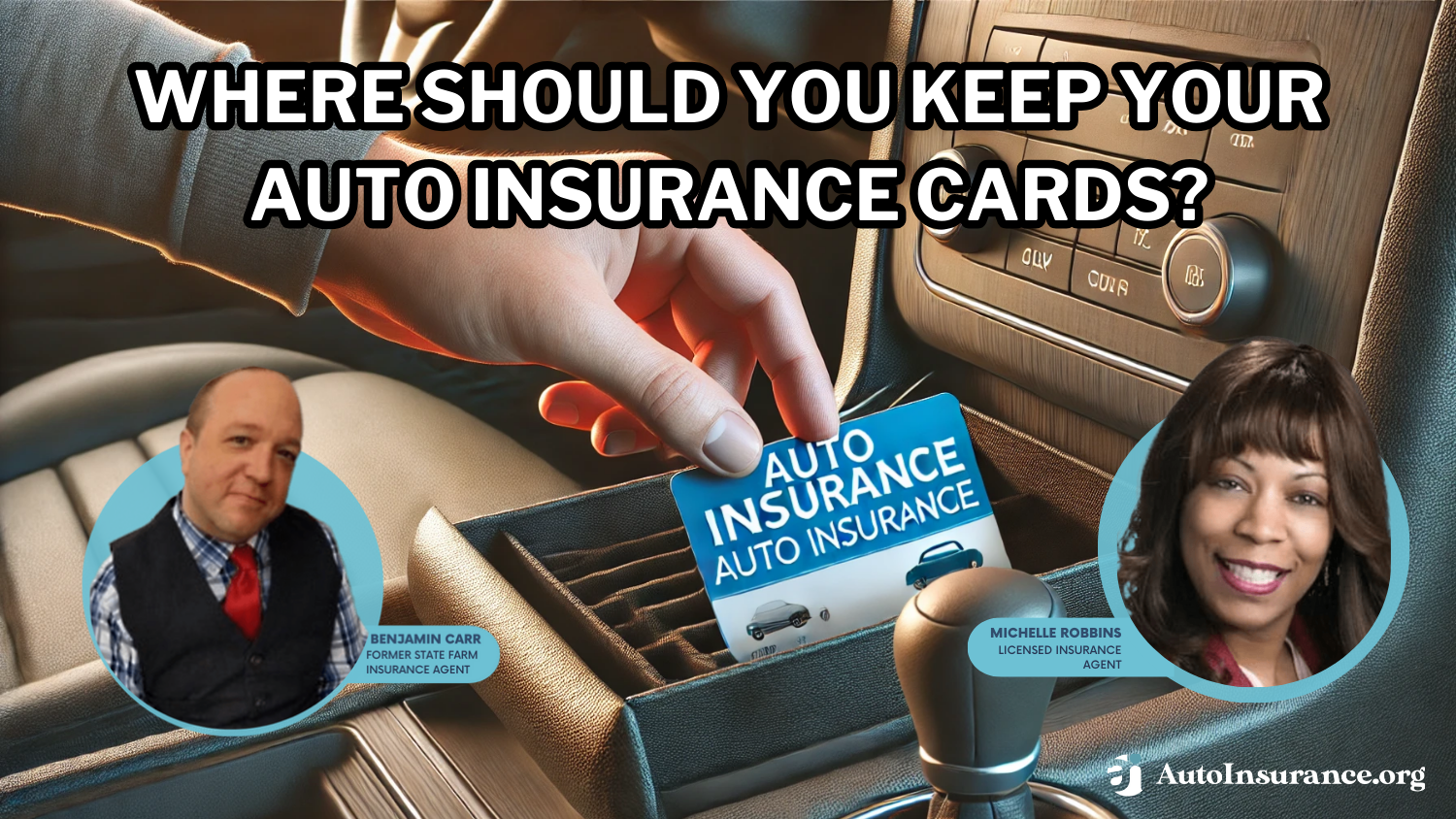
Can I get a ticket if I have insurance but don't have the card in my car?
Yes, you are required to provide proof of financial responsibility upon request by law enforcement. While Pennsylvania accepts electronic proof of insurance (on a smartphone), failing to produce it can result in a citation. Often, if you show proof to the court later, the fine may be dismissed, but you will still likely have to pay court costs.
Does the $5,000 medical benefit cover my passengers?
Yes. The first-party medical benefit covers you, any relatives living in your household, and passengers in your vehicle who do not have their own Pennsylvania auto insurance policy. If a passenger has their own PA policy, their own medical benefits will usually cover them first.
What happens if I cause $20,000 in property damage but only have the $5,000 minimum?
Your insurance company will pay the maximum of $5,000 to the other party. The other party (or their insurance company, through subrogation) can then sue you personally for the remaining $15,000. This could lead to wage garnishment or liens on your assets.
Is UM/UIM coverage mandatory to carry in PA?
Technically, no. While Pennsylvania law requires insurance companies to include UM/UIM coverage in every quote, you have the legal right to "reject" this coverage by signing a specific waiver. However, carrying it is strongly recommended because of the high number of underinsured drivers on the road.
Practical Recommendation
When setting up your policy in 2026, do not simply ask for the "cheapest" option. While the $15,000/$30,000/$5,000 limits are the legal minimums, they are widely considered inadequate for modern financial protection. Most experts recommend at least $100,000/$300,000 in bodily injury and $50,000 in property damage.
Furthermore, unless the premium difference is completely unaffordable, selecting Full Tort is generally the safer long-term choice, as it ensures you are not barred from seeking compensation for the life-altering impacts of an accident that wasn't your fault. Always keep a digital copy of your insurance ID card on your phone and a paper copy in your glove box to ensure you can verify your coverage during a PennDOT audit or a roadside stop.
Disclaimer: This article provides general information regarding Pennsylvania insurance laws and should not be construed as legal or financial advice. Jurisdictional rules and statutes are subject to change. For specific legal guidance, consult a licensed attorney or insurance professional in the Commonwealth of Pennsylvania.
Image Gallery