Exploring the NEAT Clinical Trial Framework for Modern Drug Development
The NEAT clinical trial framework is a strategic methodology designed to modernize drug development through Nimble operations, Efficient resource allocation, Adaptive study designs, and Transparent data sharing. By 2026, it has become...
The NEAT clinical trial framework is a strategic methodology designed to modernize drug development through Nimble operations, Efficient resource allocation, Adaptive study designs, and Transparent data sharing. By 2026, it has become a primary standard for sponsors seeking to integrate decentralized tools and real-time data analytics to accelerate regulatory approval timelines and improve patient outcomes.
Contents
Understanding the NEAT Clinical Trial Framework
As the pharmaceutical landscape evolves toward precision medicine and rapid response, traditional trial methodologies often struggle with rigidity and escalating costs. The NEAT framework (Nimble, Efficient, Adaptive, and Transparent) was conceptualized to address these bottlenecks. Unlike sequential, "one-size-fits-all" trial structures, NEAT prioritizes flexibility and data-driven decision-making throughout the clinical lifecycle.
In 2026, trying the NEAT clinical trial framework means moving away from siloed data and fixed protocols. Instead, researchers utilize a modular approach where trial parameters can be adjusted based on interim results without compromising the statistical integrity required by regulatory bodies like the FDA or EMA. This framework is particularly effective for rare diseases and oncology, where patient populations are small and the need for therapeutic breakthroughs is urgent.
The Evolution of Clinical Methodology
To appreciate the NEAT framework, one must look at the shift from "Blockbuster" drug development to targeted therapies. Historically, trials were built on massive, multi-year phases (I, II, and III). If a mid-trial discovery suggested a better dosage or a more specific biomarker, the trial often had to be stopped and restarted. The NEAT framework integrates the principles of "fail fast" and "learn fast," ensuring that resources are diverted to the most promising candidates as early as possible.
The Four Pillars of the NEAT Framework
To successfully try the NEAT clinical trial framework, organizations must align their operations with four core pillars. Each pillar represents a shift in both technology and mindset.
1. Nimble Operations
Nimbleness in clinical trials refers to the ability to deploy studies across diverse geographic locations and patient demographics with minimal friction. In 2026, this is largely achieved through Decentralized Clinical Trials (DCTs). By using local pharmacies, mobile health clinics, and in-home nursing, the NEAT framework reduces the burden on patients, leading to higher retention rates. Nimble operations also involve "plug-and-play" site onboarding, where digital infrastructure is pre-integrated, allowing new sites to begin recruitment in days rather than months.
2. Efficient Resource Allocation
Efficiency in the NEAT context is about reducing "protocol bloat." Many trials collect excessive data that never contributes to the primary endpoint. The NEAT framework utilizes Risk-Based Monitoring (RBM) to focus oversight on the data points that matter most for patient safety and trial integrity. By automating routine data verification through AI-driven tools, sponsors can reduce the cost per patient significantly, allowing for more trials to be run simultaneously within the same budget.
3. Adaptive Study Designs
Adaptivity is the statistical heart of the NEAT framework. It allows for pre-planned modifications to the trial design based on accumulating data. This might include:
- Sample Size Re-estimation: Adjusting the number of participants mid-trial to ensure statistical power.
- Dropping Inferior Arms: In multi-arm trials, closing groups that show a lack of efficacy early on.
- Response-Adaptive Randomization: Assigning more patients to the treatment arm that is performing better.
These changes are governed by strict "stopping rules" and overseen by Independent Data Monitoring Committees (IDMC) to prevent bias.
4. Transparent Data Sharing
Transparency is no longer just a regulatory requirement; it is a catalyst for innovation. The NEAT framework encourages the use of Open Science principles. By sharing anonymized patient data and negative results, the industry can avoid redundant studies. In 2026, blockchain-based ledgers are frequently used within the NEAT framework to provide an immutable trail of data entry, ensuring that trial results are verifiable and trustworthy for both regulators and the public.
Technical Prerequisites for Implementing NEAT
Before an organization can try the NEAT clinical trial framework, specific technical and organizational foundations must be in place. Implementation is not merely a software update; it is a structural overhaul.
Data Interoperability and Standards
The framework relies heavily on the ability of different systems to communicate. This requires strict adherence to CDISC (Clinical Data Interchange Standards Consortium) standards. Without standardized data, the "Adaptive" and "Efficient" portions of the framework fail because real-time analysis becomes impossible. Organizations must implement a centralized Clinical Data Repository (CDR) that can ingest data from Electronic Data Capture (EDC) systems, wearable devices, and Electronic Health Records (EHR) seamlessly.
Regulatory Alignment
While the NEAT framework is designed to be compliant with modern standards, sponsors must engage in early dialogue with regulators. For instance, the FDA’s Guidance on Adaptive Designs for Clinical Trials provides the necessary legal boundaries. Success requires submitting a "Master Protocol" that outlines the potential adaptations in advance, ensuring that any changes made during the trial have already received preliminary regulatory blessing.
Comparative Analysis: Traditional vs. NEAT Framework
The following table illustrates the material differences between traditional clinical trial methodologies and the NEAT framework as of 2026.
| Feature | Traditional Framework | NEAT Clinical Trial Framework |
|---|---|---|
| Protocol Structure | Fixed and linear; revisions require formal amendments. | Modular and adaptive; pre-planned adjustments allowed. |
| Patient Participation | Site-centric; patients travel to major medical centers. | Patient-centric; decentralized and remote options. |
| Data Analysis | Batch processing at the end of trial phases. | Real-time analytics and continuous data monitoring. |
| Monitoring Strategy | 100% Source Data Verification (SDV) on-site. | Risk-Based Monitoring (RBM) and remote oversight. |
| Recruitment Speed | High dependency on site-specific investigators. | AI-driven patient matching and social media outreach. |
| Cost Management | High "sunk costs" regardless of interim results. | Dynamic budget allocation based on efficacy signals. |
Steps to Try the NEAT Clinical Trial Framework
Transitioning to this framework requires a phased approach. It is rarely advisable to convert an ongoing Phase III trial to NEAT; rather, it should be built into the design of new programs.
Phase 1: Strategic Protocol Design
Start by identifying the primary question the trial must answer. In the NEAT framework, the protocol is designed as a "living document." Work with biostatisticians to build a Bayesian model that accounts for various "if-then" scenarios. This phase must include the selection of Digital Health Technologies (DHTs) that will be used to collect data remotely.
Phase 2: Technology Stack Integration
Select a platform that supports the NEAT pillars. The software must offer real-time visualization of data trends. In 2026, many sponsors use Unified Clinical Trial Management Systems (CTMS) that integrate EDC, eCOA (electronic Clinical Outcome Assessment), and IRT (Interactive Response Technology) into a single interface. Verify that the system meets 21 CFR Part 11 requirements for electronic records and signatures.
Phase 3: Stakeholder Training and Site Onboarding
The NEAT framework requires site investigators to be comfortable with remote monitoring and technology-driven patient interactions. Training sessions should focus on data integrity at the source and the use of telehealth tools. Clear communication channels must be established so that sites understand when an "Adaptive" change has been triggered by the central system.
Phase 4: Pilot and Scale
Begin with a pilot study, such as a Phase Ib or IIa trial, to test the nimbleness of your operations. Monitor the "Time to Insight"—the duration between data collection and actionable analysis. Once the workflows are validated, the NEAT framework can be scaled to larger, global Phase III studies.
Common Challenges and Solutions
Even with the advancements of 2026, trying the NEAT framework presents hurdles. One primary concern is the Statistical Complexity of adaptive designs. To mitigate this, sponsors should utilize blinded independent statistical groups to run simulations before the trial begins. This ensures that the Type I error rate (the risk of a "false positive") is strictly controlled.
Another challenge is Patient Privacy in decentralized settings. With data flowing from wearable devices and home-health apps, the attack surface for data breaches increases. The NEAT framework addresses this by implementing end-to-end encryption and "Privacy by Design" principles, ensuring that personal identifiable information (PII) is decoupled from clinical data at the point of capture.
Frequently Asked Questions
Is the NEAT framework suitable for all types of drugs?
While the NEAT framework is highly effective for oncology, rare diseases, and chronic conditions requiring long-term monitoring, it may be less necessary for simple, short-term bioequivalence studies. Its primary value lies in complex trials where uncertainty about dosage or patient response is high.
How does the NEAT framework impact trial costs?
Initially, the setup costs for technology and statistical modeling may be higher. However, the framework significantly reduces total expenditure by allowing for earlier "no-go" decisions on failing drugs and by reducing the physical infrastructure costs associated with site-heavy traditional trials.
What role does AI play in the NEAT framework?
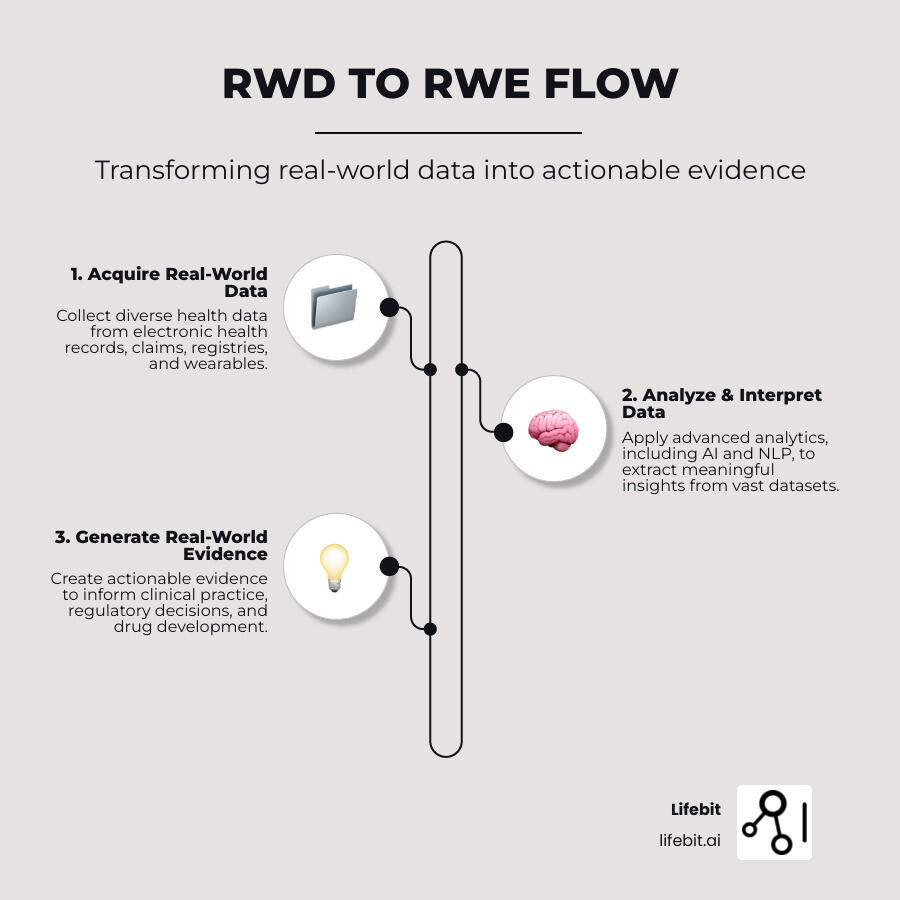
In 2026, AI is used for predictive recruitment, identifying patients who are most likely to adhere to the protocol. It also powers the "Efficient" pillar by flagging data anomalies in real-time, allowing monitors to address issues before they become systemic.
Does "Transparent" data sharing mean my proprietary data is public?
No. Transparency in the NEAT framework refers to the clarity of data provenance for regulators and the sharing of specific, anonymized datasets to advance scientific understanding. It does not require the disclosure of trade secrets or proprietary chemical formulations.
How do patients benefit from a trial using the NEAT framework?
Patients benefit from reduced travel requirements, more frequent (though remote) touchpoints with clinical staff, and the knowledge that the trial is designed to move them toward an effective treatment faster, or move them off an ineffective one sooner.
Recommendations for Moving Forward
To successfully try the NEAT clinical trial framework, start by auditing your current digital infrastructure. Success depends on data flowing freely and accurately between systems. Engage with regulatory consultants who specialize in adaptive designs early in the planning process to ensure your "Master Protocol" is robust. Finally, foster a culture of transparency within your R&D teams; the ability to act on mid-trial data requires high levels of trust and communication across departments. By embracing the NEAT framework, you position your organization at the forefront of the 2026 clinical research landscape, where speed, efficiency, and patient-centricity are the keys to success.
Image Gallery