What is Soft Money in Politics? Definition, History, and Current Impact
Soft money refers to unregulated contributions made to political parties for "party-building" activities rather than for the direct support of a specific federal candidate. Unlike hard money, which is subject to strict limits and discl...
Soft money refers to unregulated contributions made to political parties for "party-building" activities rather than for the direct support of a specific federal candidate. Unlike hard money, which is subject to strict limits and disclosure requirements by the Federal Election Commission (FEC), soft money was historically used to bypass campaign finance laws until major legislative reforms in 2002.
Contents
In the landscape of 2026, the term "soft money" is often used interchangeably with "dark money" or independent expenditures, though they represent distinct legal mechanisms. To understand the current state of American political spending, one must look at how soft money evolved from a loophole in the 1970s to a banned substance for national parties, eventually giving rise to the modern era of Super PACs and non-disclosing 501(c)(4) organizations.
Understanding the Mechanics of Soft Money
To grasp what soft money is, one must first understand the concept of "hard money." Hard money is the currency of candidate committees. When a donor writes a check directly to "Candidate X for Congress," that money is "hard." It is limited by federal law—currently adjusted for inflation every two years—and every dollar must be accounted for and reported to the FEC.
Soft money, conversely, was born from a 1979 amendment to the Federal Election Campaign Act (FECA). This amendment allowed political parties to spend unlimited amounts of money on "non-federal" activities. The original intent was to encourage grassroots participation, such as voter registration drives, distributing "slate cards" (lists of party-supported candidates), and maintaining party headquarters. However, because money is fungible, political parties quickly realized they could use these "unregulated" funds to influence federal elections indirectly.
By the 1990s, soft money had become the primary vehicle for corporate and union influence. National party committees would solicit million-dollar donations from wealthy individuals and interest groups, claiming the funds were for "party-building." In reality, the money was often used for "issue advocacy" ads—commercials that praised or attacked a candidate's record without using specific "magic words" like "Vote For" or "Elect."
The Core Distinction: Hard Money vs. Soft Money
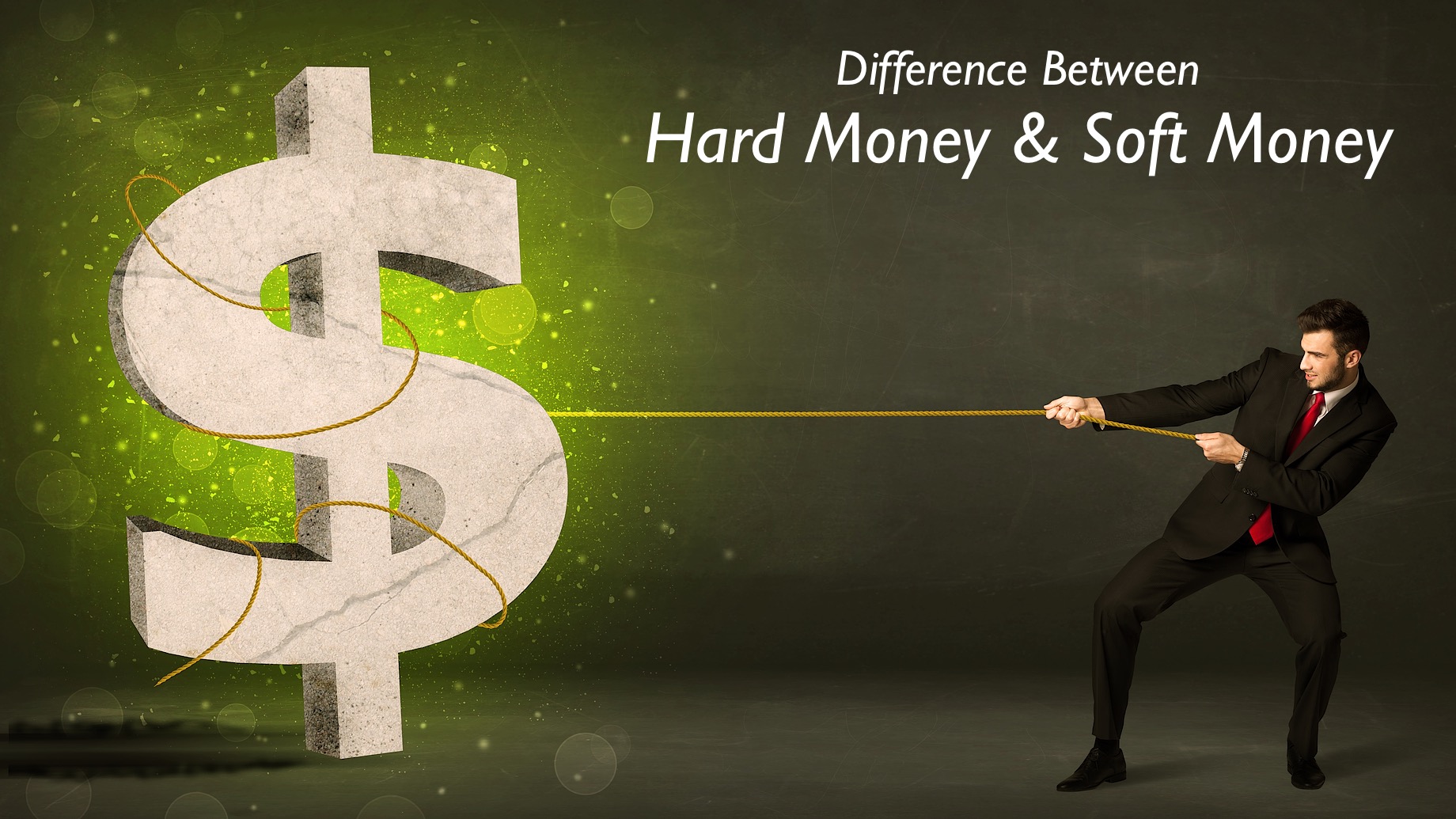
The differences between these two types of political capital are rooted in regulation, source, and intended use. The following table outlines the traditional distinctions that defined the pre-2002 era and continue to influence the legal framework in 2026.
| Feature | Hard Money | Soft Money (Traditional) |
|---|---|---|
| Regulation | Strictly regulated by the FEC. | Largely unregulated at the federal level until 2002. |
| Contribution Limits | Limited per election cycle (e.g., $3,300 per candidate in 2024-2026). | Historically unlimited; now banned for national parties. |
| Primary Use | Direct support for a candidate (ads, travel, staff). | Party-building, GOTV drives, issue advocacy. |
| Source Limits | No corporate or union treasury funds allowed. | Corporations and unions could donate unlimited amounts. |
| Disclosure | Full transparency; donors must be listed publicly. | Often less transparent; historically used to mask donor identities. |
| Recipient | Candidate campaign committees. | National and state political party committees. |
The Bipartisan Campaign Reform Act (BCRA) of 2002
The most significant turning point for soft money was the passage of the Bipartisan Campaign Reform Act (BCRA), also known as the McCain-Feingold Act. For decades, Senators John McCain and Russell Feingold pushed for reform as soft money totals climbed from roughly $45 million in 1992 to nearly $500 million in 2000.
The BCRA implemented several critical changes:
- The National Party Ban: It prohibited national political party committees (like the DNC or RNC) from raising or spending soft money. All money raised by national parties now must be "hard money," subject to federal limits.
- Restriction on Issue Ads: It prohibited corporations and unions from funding "electioneering communications"—broadcast ads that mention a federal candidate within 30 days of a primary or 60 days of a general election.
- Increased Hard Money Limits: To compensate for the loss of soft money, the law increased the amounts individuals could give directly to candidates and indexed those limits to inflation.
The Supreme Court upheld most of these provisions in the 2003 case McConnell v. FEC, agreeing that the government had a compelling interest in preventing the "actual or apparent corruption" stemming from large soft money contributions.
The Evolution into "Independent Expenditures"
While the BCRA effectively ended the era of party-controlled soft money, it did not remove large-scale spending from politics. Instead, the money shifted to outside groups. The current environment in 2026 is defined by the aftermath of the 2010 Citizens United v. FEC decision and the subsequent SpeechNow.org v. FEC ruling.
These cases established that while the government can limit contributions to candidates and parties (to prevent corruption), it cannot limit spending by independent groups that act separately from those candidates. This led to the creation of Independent Expenditure-Only Committees, popularly known as Super PACs.
How Modern "Soft Money" Equivalents Work
Today, the spirit of soft money lives on through three primary vehicles:
- Super PACs: These groups can raise unlimited sums from individuals, corporations, and unions. They use this money to run ads and organize field operations. The only catch is they cannot "coordinate" their strategy with the candidate’s campaign.
- 501(c)(4) Organizations: Often called "Dark Money" groups, these are social welfare organizations that can engage in political activity as long as it is not their "primary purpose." They are not required to disclose their donors, making them a preferred route for those seeking anonymity.
- State and Local Party Committees: The BCRA did not entirely ban soft money at the state level. State parties can still use non-federal funds for certain "Levin Amendment" activities, such as voter registration, provided the activities do not mention a federal candidate.
The Legal Landscape and Supreme Court Precedents
The tension between free speech and fair elections has been the subject of numerous landmark cases. The legal status of political money in 2026 rests on a foundation of several key rulings:
Buckley v. Valeo (1976)
This is the foundational case of campaign finance law. The Court ruled that "money is speech" and that while the government can limit contributions to prevent corruption, it cannot limit a candidate's spending of their own money or independent spending by others. This created the legal opening that soft money eventually filled.
Citizens United v. FEC (2010)
The Court struck down the BCRA's ban on corporate and union-funded electioneering communications. The majority argued that the government cannot suppress political speech based on the speaker's corporate identity. This effectively "re-legalized" the type of spending that soft money used to cover, but shifted it from parties to independent organizations.
McCutcheon v. FEC (2014)
The Court struck down "aggregate" contribution limits. Previously, there was a cap on the total amount a donor could give to all candidates and parties combined in a two-year cycle. By removing this, the Court allowed wealthy donors to write massive checks that are distributed across dozens of party committees and candidates, mimicking the scale of the old soft money system.
Pros and Cons of Soft Money and Unregulated Spending
The debate over soft money is a clash of two democratic values: the right to engage in political expression and the need to prevent wealthy interests from drowning out the voices of average citizens.
Arguments for Unregulated Spending:
- First Amendment Rights: Proponents argue that any limit on political spending is a limit on free speech. If a group wants to buy a television ad to discuss an issue, the government should not have the power to stop them.
- Robust Debate: More money in politics often leads to more advertisements and information reaching voters, potentially increasing awareness of candidates and issues.
- Party Strength: Soft money historically allowed political parties to build strong infrastructure, which can act as a stabilizing force in a polarized environment.
Arguments against Unregulated Spending:
- Distortion of Influence: Critics argue that soft money gives a handful of billionaires and corporations disproportionate influence over policy, leading to "legalized bribery."
- Reduced Trust: The perception that elections are "bought" by the highest bidder erodes public trust in democratic institutions.
- Lack of Transparency: When money flows through unregulated or "dark" channels, voters do not know who is funding the messages they see, making it harder to evaluate the credibility of the information.
Frequently Asked Questions
Is soft money still legal in 2026?
Technically, "soft money" as it was known in the 1990s—unlimited checks given to national political parties—is illegal under the BCRA. However, the function of soft money (unlimited, often non-disclosed spending by outside groups) is very much legal through Super PACs and 501(c)(4) organizations.
What is the difference between soft money and dark money?
Soft money refers to funds given to political parties for general purposes. "Dark money" refers specifically to funds spent on elections where the original donor is not disclosed to the public, usually through non-profit 501(c)(4) groups. All soft money used to be "darker" than hard money, but they are not the same legal entity.
Who oversees the regulation of soft and hard money?
The Federal Election Commission (FEC) is the primary regulatory body. It consists of six commissioners (no more than three from one party) who oversee disclosure, perform audits, and enforce contribution limits.
Can a corporation give money directly to a candidate?
No. In 2026, it remains illegal for a corporation or a union to give money directly from their general treasury to a candidate's campaign committee. They can, however, give unlimited amounts to a Super PAC that supports that candidate.
How do "Levin Funds" relate to soft money?
Levin funds are a specific type of contribution allowed under the BCRA. They allow state and local party committees to raise up to $10,000 per donor for voter registration and get-out-the-vote activities, provided the activity does not involve a federal candidate. They represent the last remaining vestige of legalized soft money within the party structure.
Summary of Actionable Steps for Voters and Donors
Understanding the flow of money in politics is the first step toward informed citizenship. If you are looking to track how soft money equivalents are impacting an election in 2026, consider the following actions:
- Verify the Source: Use resources like the Federal Election Commission (FEC) database to search for candidate filings and see who is funding their campaign.
- Monitor Independent Spending: Visit OpenSecrets to track outside spending by Super PACs and identify the major donors behind "issue ads" in your district.
- Check State Requirements: Because state laws vary significantly, check your state’s Secretary of State or Ethics Commission website for rules regarding "soft money" and disclosure at the local level.
- Practice Critical Consumption: When viewing political advertisements, look for the "Paid for by" disclaimer. If the group is a 501(c)(4), recognize that the funding source may be hidden, which is a hallmark of modern soft money influence.
By staying informed on these financial structures, voters can better navigate the complex messaging of modern election cycles and hold both candidates and their "independent" supporters accountable.
Image Gallery