Why Chocolate is Toxic to Deer: Risks, Symptoms, and Safe Alternatives
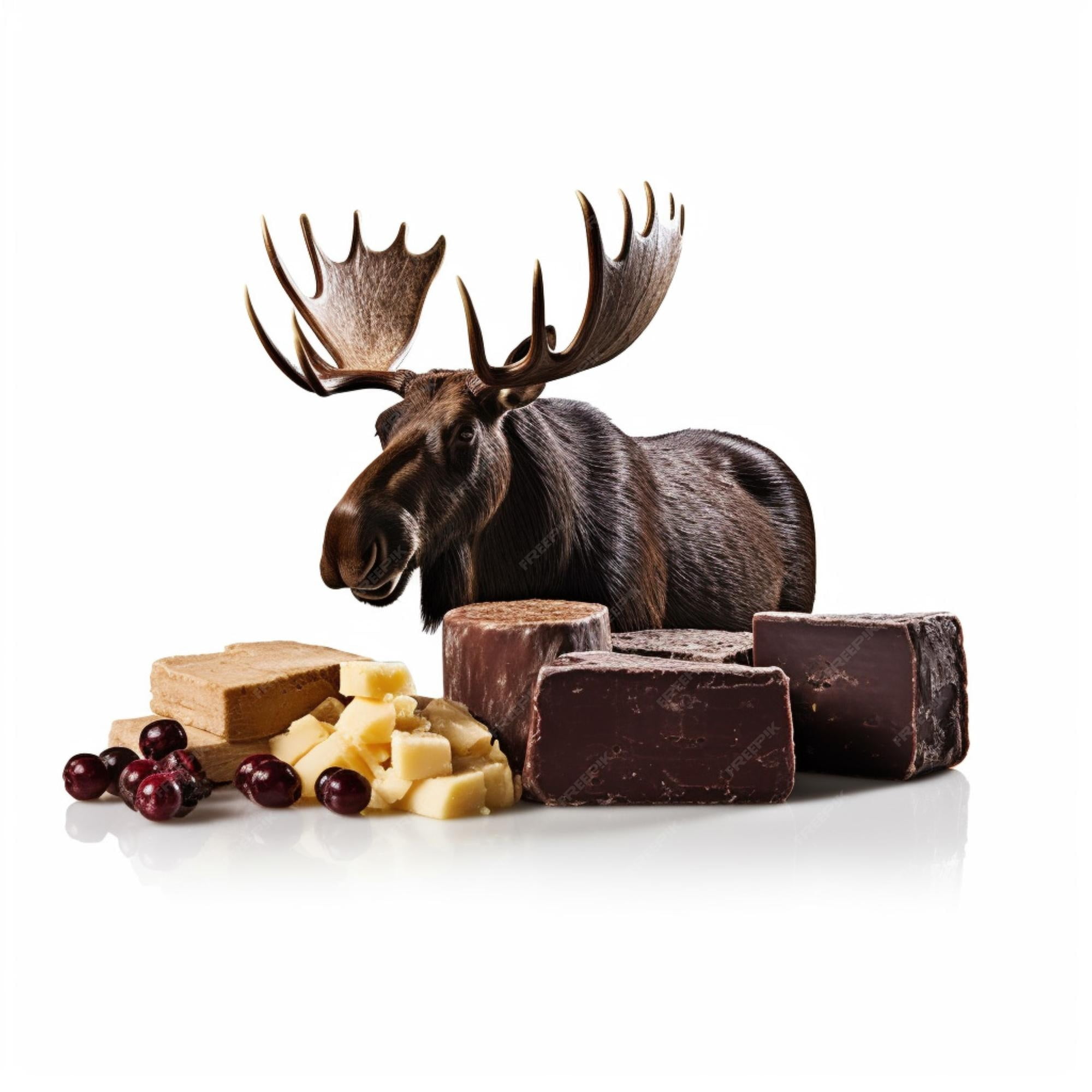
Chocolate is highly toxic to deer and should never be offered as food. It contains theobromine and caffeine, two methylxanthine compounds that deer cannot metabolize effectively. Ingesting chocolate can lead to severe heart palpitation...
Chocolate is highly toxic to deer and should never be offered as food. It contains theobromine and caffeine, two methylxanthine compounds that deer cannot metabolize effectively. Ingesting chocolate can lead to severe heart palpitations, muscle tremors, seizures, and death in deer and other wild ruminants.
Contents
The Biological Reality of Chocolate Toxicity in Deer
While chocolate is a staple treat for humans, it is a chemical hazard for the majority of the animal kingdom. The primary culprit is theobromine, a bitter alkaloid of the cacao plant. Humans possess specific enzymes that allow us to process and excrete theobromine relatively quickly. Deer, however, lack the metabolic pathways to break down these compounds at a safe rate.
When a deer consumes chocolate, the theobromine remains in its system for an extended period, leading to a toxic buildup. This substance acts as a potent stimulant, affecting the central nervous system and the cardiovascular system simultaneously. For a ruminant like a deer, whose digestive system is finely tuned for fermenting cellulose and plant fibers, the introduction of concentrated sugars, fats, and alkaloids found in chocolate creates a multi-systemic failure.
By 2026, wildlife biologists have increasingly documented cases of "backyard poisoning" where well-intentioned homeowners leave out holiday sweets or expired pantry items for local herds. These incidents often result in preventable fatalities because the internal dose-response curve for deer is significantly lower than that of humans or even domestic dogs.
The Chemical Mechanism: Methylxanthines and the Rumen
To understand why chocolate is bad for deer, one must look at the chemical group known as methylxanthines. This group includes theobromine and caffeine. These compounds interfere with cellular processes by inhibiting adenosine receptors and increasing the concentration of cyclic adenosine monophosphate (cAMP).
In deer, this interference causes:
- Vasoconstriction and Hypertension: The heart is forced to work harder, pumping blood at dangerous pressures.
- Neurological Overstimulation: The brain receives excessive signals, leading to the "jitters" in mild cases and violent seizures in severe ones.
- Rumen Dysbiosis: Beyond the chemical toxicity, the high sugar and fat content in chocolate can trigger rumen acidosis. A deer’s rumen is a fermentation vat filled with specific bacteria. Sudden exposure to high-energy human food causes a population explosion of lactic acid-producing bacteria, which can drop the pH of the rumen so low that it kills the deer through metabolic acidosis within 24 to 72 hours.
Quantifying the Risk: Chocolate Types and Toxicity Levels
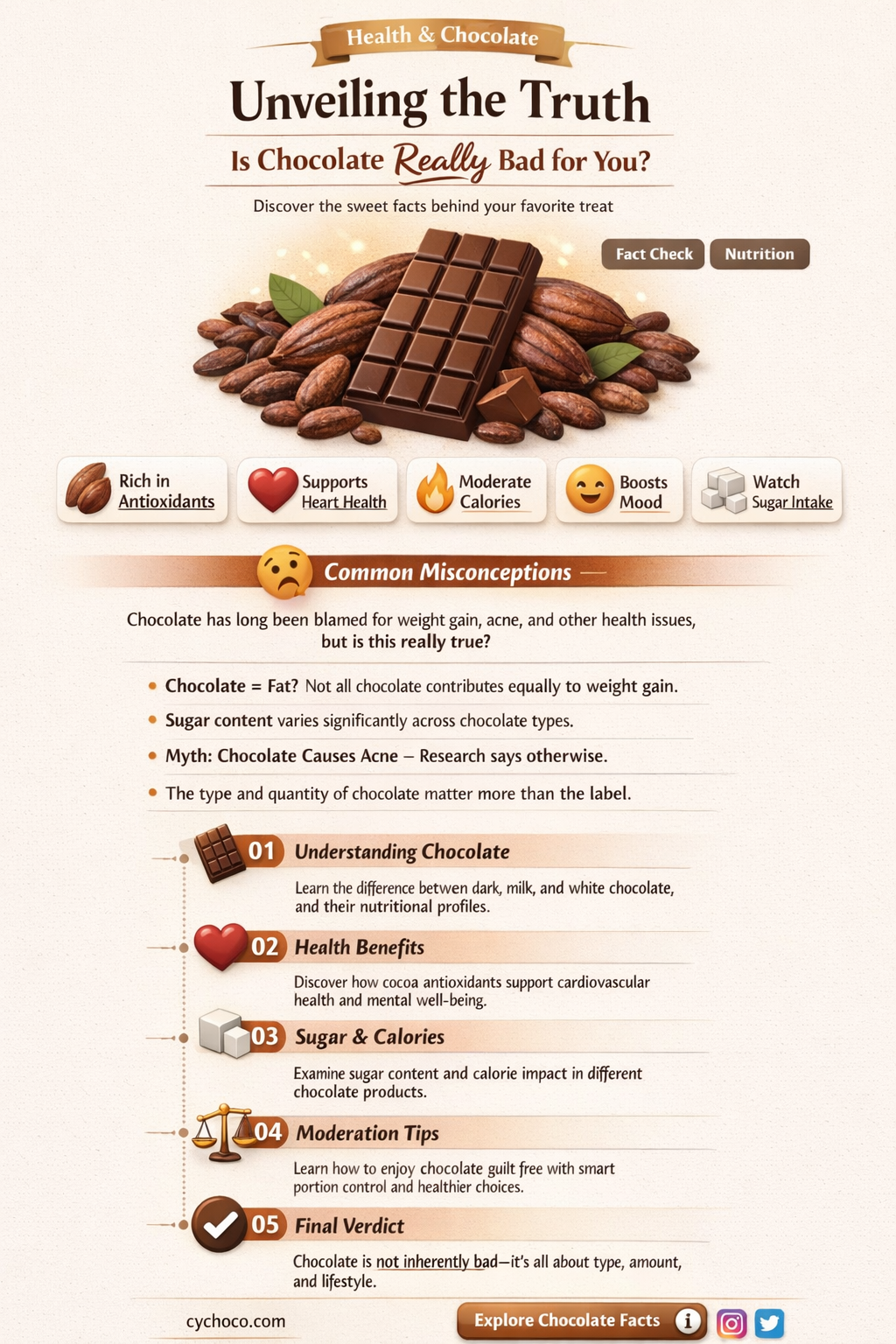
The danger level of chocolate is directly proportional to the concentration of cocoa solids. The darker the chocolate, the higher the theobromine content, and the more lethal it is to wildlife.
| Chocolate Type | Theobromine Content (approx.) | Risk Level for Deer |
|---|---|---|
| White Chocolate | Negligible | Low chemical risk; high digestive/acidosis risk |
| Milk Chocolate | 44–60 mg per ounce | Moderate to High; can cause illness in small amounts |
| Dark Chocolate | 150–400 mg per ounce | Severe/Lethal; small quantities can be fatal |
| Baker’s Chocolate | 450+ mg per ounce | Extreme Danger; highly concentrated toxin |
| Cocoa Powder | 800 mg per ounce | Maximum Toxicity; rapid onset of symptoms |
Even milk chocolate, which is lower in theobromine, poses a significant threat due to the high milk and sugar content, which deer are not equipped to digest. As of 2026, wildlife rehabilitators report that even "fun-sized" portions of dark chocolate are sufficient to cause permanent neurological damage in fawns.
Visible Symptoms of Chocolate Poisoning in Deer
Identifying a poisoned deer in the wild can be difficult, as they are prey animals that instinctively hide illness. However, if a deer has consumed chocolate, certain physiological responses will manifest within 2-12 hours.
Early Warning Signs
- Hyperactivity: The deer may appear unusually restless, pacing or running without a clear stimulus.
- Excessive Thirst (Polydipsia): Theobromine has a diuretic effect, leading the deer to seek out water sources frequently.
- Panting or Labored Breathing: The increased heart rate forces the deer to breathe faster to compensate for oxygen demand.
Advanced Toxicosis
- Muscle Tremors: Involuntary twitching of the legs and flank.
- Ataxia: A loss of coordination where the deer may stumble, walk in circles, or appear "drunk."
- Tachycardia: A dangerously high heart rate that can be seen through the chest wall in some instances.
- Seizures and Collapse: The final stage before death, usually resulting from cardiac arrest or respiratory failure.
The Broader Ecological and Legal Consequences
The issue of feeding chocolate to deer extends beyond the health of a single animal. In the year 2026, the management of wildlife populations is more critical than ever due to the continued spread of Chronic Wasting Disease (CWD) and other communicable illnesses.
Disease Transmission at Feeding Sites
When people leave food like chocolate out for deer, it creates an artificial "congregation point." Deer that would normally browse across miles of forest are suddenly touching noses and sharing saliva over a single pile of treats. This behavior is the primary driver for the spread of CWD and bovine tuberculosis. In many jurisdictions, feeding deer—regardless of whether the food is toxic—is now a strictly regulated or illegal act to prevent these outbreaks.
Behavioral Habituation
Feeding deer teaches them to associate humans with food. This leads to habituation, where deer lose their natural fear of people. A habituated deer is more likely to be involved in a vehicle collision, wander into dangerous urban environments, or become aggressive toward humans when food is not provided. By feeding them human snacks like chocolate, you are effectively "killing them with kindness" by stripping away their survival instincts.
Alternatives: How to Support Deer Safely
If your goal is to support local wildlife, the best method is to provide a natural habitat rather than a feeding station. Supplemental feeding often does more harm than good by disrupting natural migration and foraging patterns.
- Plant Native Forage: Research the trees and shrubs native to your region that deer naturally consume. This provides nutrition without the risk of toxicity or disease spread.
- Provide Clean Water: A heated birdbath or a clean trough (cleaned regularly with a weak bleach solution to prevent disease) is far more beneficial than food.
- Mineral Blocks (Where Legal): In some areas, salt or mineral licks are permitted, though you must check with your state's wildlife agency, as many have banned these to combat CWD as of 2026.
- Preserve Natural Cover: Keeping your property "wild" with thickets and brush provides the cover deer need to survive the winter and avoid predators.
Frequently Asked Questions
Can deer eat white chocolate?
While white chocolate has very little theobromine, it is still bad for deer. It is primarily composed of cocoa butter, sugar, and milk solids. Deer are ruminants that rely on a delicate balance of bacteria to digest fibrous plants. The high fat and sugar content in white chocolate can cause rumen acidosis, a painful and often fatal condition where the stomach's pH balance is destroyed.
What should I do if I accidentally left chocolate where deer can get it?
If you realize you have left chocolate outside, remove it immediately. If the deer have already consumed it, there is unfortunately very little a civilian can do. You should monitor the area and contact a local wildlife rehabilitator or the Department of Natural Resources if you see a deer showing signs of distress or neurological impairment. Do not attempt to approach or handle a distressed deer yourself.
Is chocolate mulch safe for deer?
No. Cocoa bean mulch, made from the shells of cacao beans, contains residual levels of theobromine. Many gardeners use it for its pleasant smell, but it is toxic to dogs and potentially harmful to browsing deer. If you live in an area with high deer activity, it is safer to use cedar, pine, or hardwood mulch.
Are there any human foods that are safe for deer?
Most human foods are inappropriate for deer. Even foods like corn or apples, which deer like, can be dangerous if given in large quantities suddenly (acidosis risk). If you must feed them, small amounts of plain, whole oats are generally the safest option, but only if local laws permit supplemental feeding.
Why is dark chocolate more dangerous than milk chocolate?
Dark chocolate contains a higher percentage of cocoa solids. Since theobromine is found in the cocoa solid itself, the darker the chocolate, the more concentrated the poison. A small piece of 85% dark chocolate contains more theobromine than an entire bar of standard milk chocolate.
Final Recommendation for Homeowners
To ensure the safety of your local wildlife, keep all chocolate products indoors and secured. Never use chocolate-based products in your garden and avoid the temptation to "share" treats with visiting animals. The most effective way to care for deer in 2026 is to respect their natural diet and maintain a distance that allows them to remain wild and healthy. For more information on local feeding bans and wildlife health, consult the U.S. Fish and Wildlife Service or your specific state's wildlife management agency.
Image Gallery