Midtown and the Madison District: A Comprehensive Guide to Detroit’s Innovation Corridor in 2026
In 2026, the area encompassing Midtown Detroit and the adjacent Madison District serves as the city’s primary engine for economic innovation, cultural preservation, and residential density. This corridor connects the academic anchor of...
In 2026, the area encompassing Midtown Detroit and the adjacent Madison District serves as the city’s primary engine for economic innovation, cultural preservation, and residential density. This corridor connects the academic anchor of Wayne State University with the high-tech commercial hubs of Downtown, offering a mix of historic lofts, modern high-rises, and world-class institutional amenities.
Contents
Defining the Boundaries: Where Midtown Meets Madison
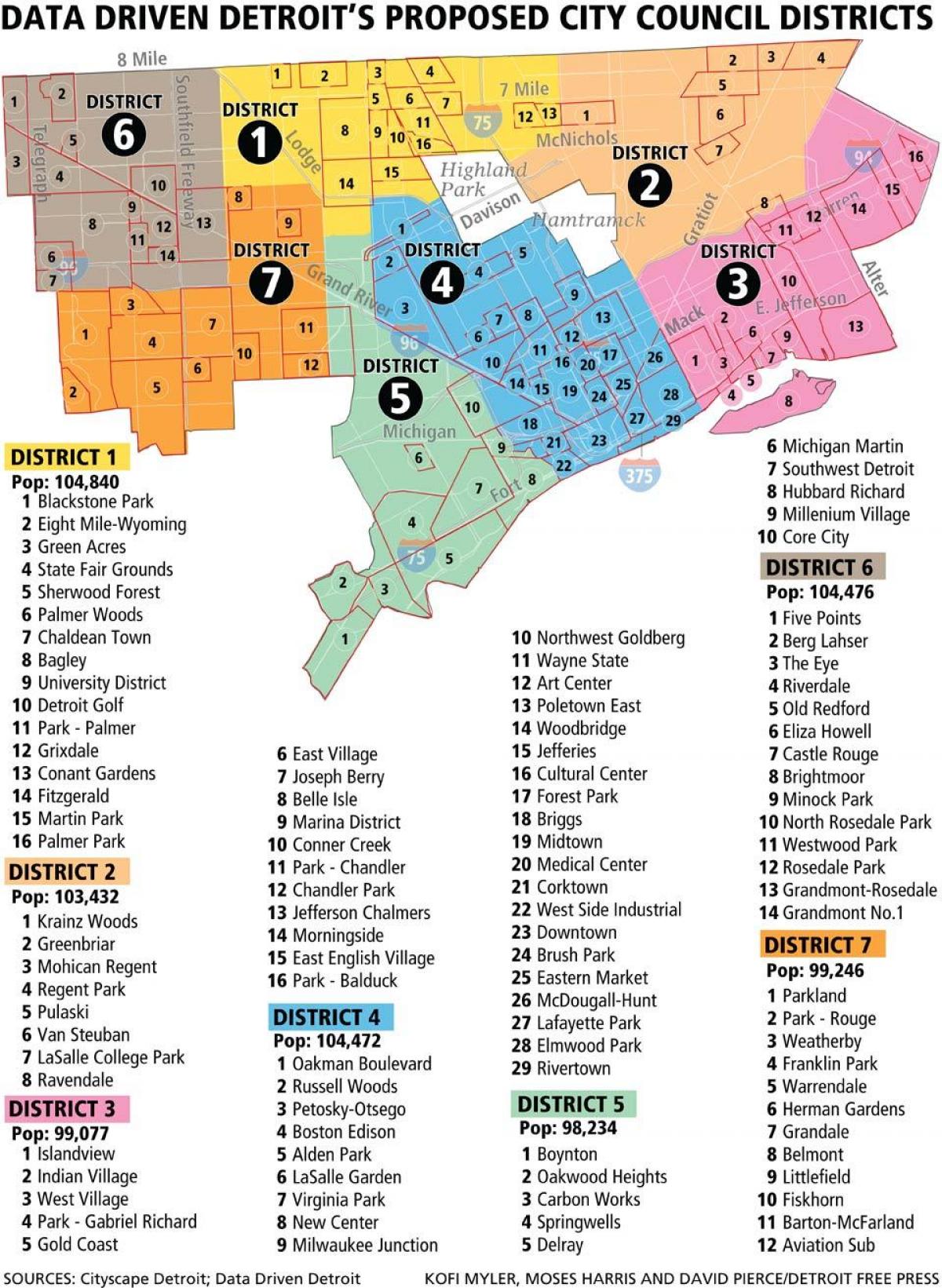
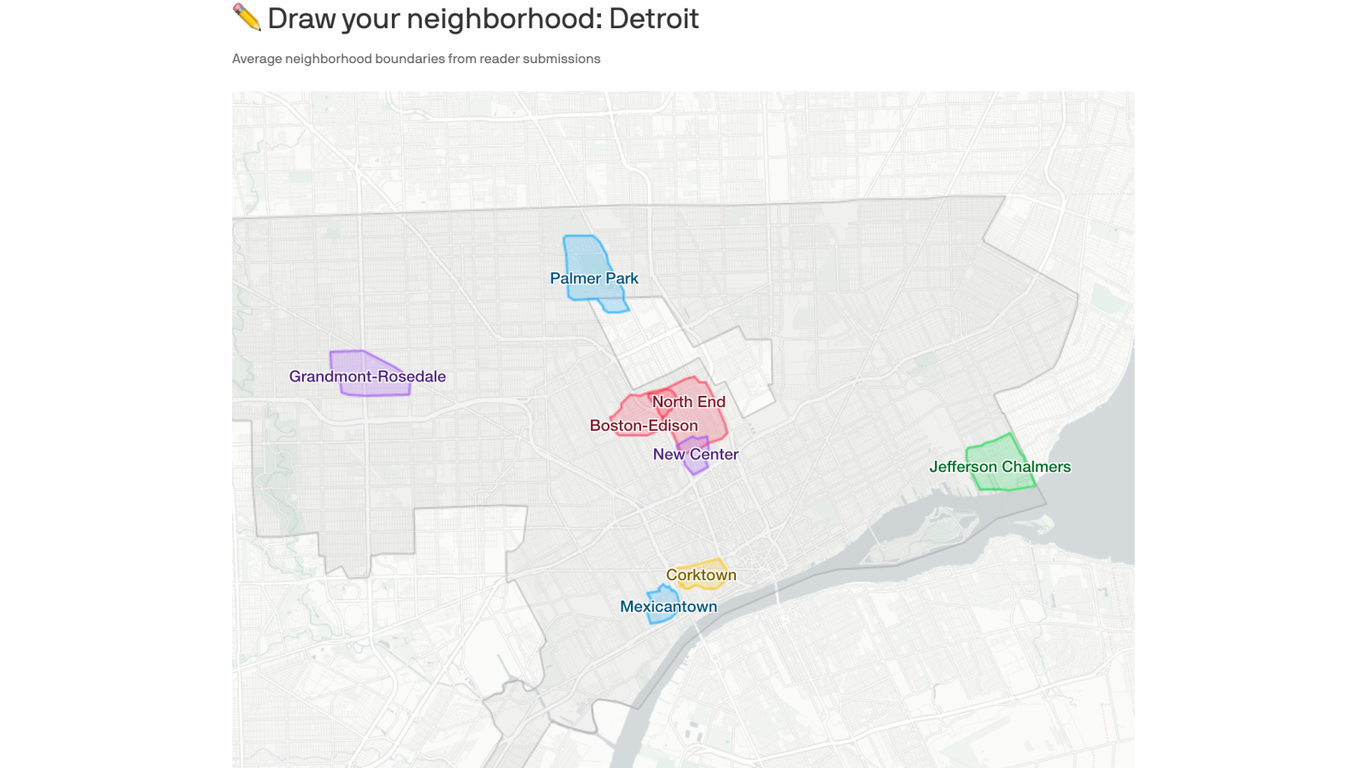
Understanding the "Midtown Madison" ecosystem requires distinguishing between two distinct but deeply integrated areas. Midtown is traditionally defined as the neighborhood bounded by the Ford Freeway (I-94) to the north, the Chrysler Freeway (I-75) to the east, the Fisher Freeway (I-75) to the south, and the Lodge Freeway (M-10) to the west. It functions as the city's "Cultural Center," housing the majority of its museums and universities.
The Madison District, often referred to as the Madison Block or the Madison Avenue tech corridor, sits just south of Midtown’s southern border (I-75), nestled within the Grand Circus Park area of Downtown. By 2026, the physical and economic distinction between these two has blurred significantly due to "The District Detroit" development project—a massive multi-billion dollar initiative that has filled the "dead zones" between the Fox Theatre and Little Caesars Arena with residential units, offices, and retail.
The synergy between these two areas creates a continuous urban experience. Students and researchers from Midtown frequently transition into the tech incubators and venture capital firms centered around the Madison Building, making this the most walkable and transit-oriented stretch of real estate in Michigan.
The Evolution of Midtown Detroit into 2026
Midtown has completed its transition from a struggling post-industrial area (formerly known as the Cass Corridor) into a premier national model for urban revitalization. In 2026, the neighborhood is characterized by nearly 98% occupancy in its residential sector and a retail landscape that rivals major coastal cities.
The Anchor Institutions
The stability of Midtown is rooted in its "eds and meds" economy. Wayne State University (WSU) remains the dominant landholder and intellectual driver, with its campus deeply integrated into the neighborhood fabric. Complementing WSU are the Detroit Medical Center (DMC) and Henry Ford Health, which have both undergone significant campus expansions as of 2026. These institutions provide a built-in workforce of over 30,000 employees and students, ensuring constant foot traffic for local businesses.
The Retail and Culinary Landscape
Retail in Midtown has moved beyond "pioneer" boutiques to established national and international brands. The Selden Standard and SheWolf corridors have expanded, making Midtown a culinary destination that attracts visitors from across the Great Lakes region. The 2026 landscape features a balanced mix of luxury storefronts on Woodward Avenue and grassroots, "Made in Detroit" businesses in the North Cass area.
The Madison District: Detroit’s Tech and Creative Engine
While Midtown provides the cultural and residential soul, the Madison District provides the high-octane commercial energy. Centered around the historic Madison Building (originally built in 1917 and revitalized by Bedrock Detroit), this sub-district is the epicenter of Detroit’s burgeoning tech scene.
A Hub for Entrepreneurship
In 2026, the Madison District is home to hundreds of startups, ranging from fintech and insurtech to green energy ventures. The infrastructure here is tailored for the modern workforce, featuring:
- High-Speed Fiber Optics: Municipal and private partnerships have ensured the area has some of the fastest internet speeds in the Midwest.
- Collaborative Workspaces: Multiple floors of coworking space allow for a "ladder" of growth, where a single person with an idea can eventually move into a private suite within the same block.
- Venture Capital Proximity: The density of investment firms in the surrounding Grand Circus Park area makes it the most efficient place in the city to secure Series A and B funding.
Architecture and Adaptive Reuse
The Madison District is a masterclass in adaptive reuse. Developers have preserved the limestone facades and intricate masonry of the early 20th-century buildings while gutting the interiors to create "industrial chic" offices with open floor plans, exposed brick, and high ceilings. This aesthetic has become the signature look of the Detroit professional class.
Real Estate and Residential Living
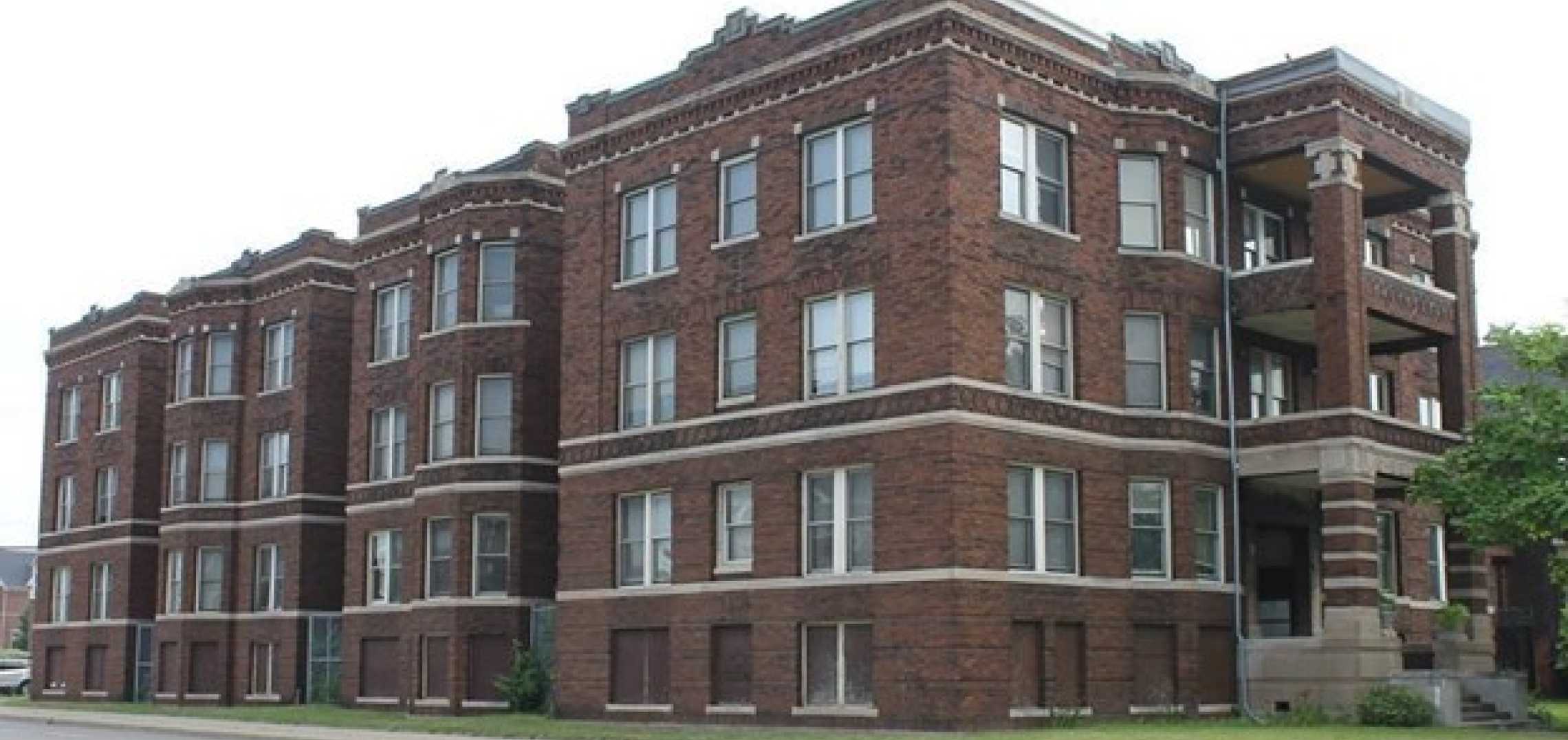
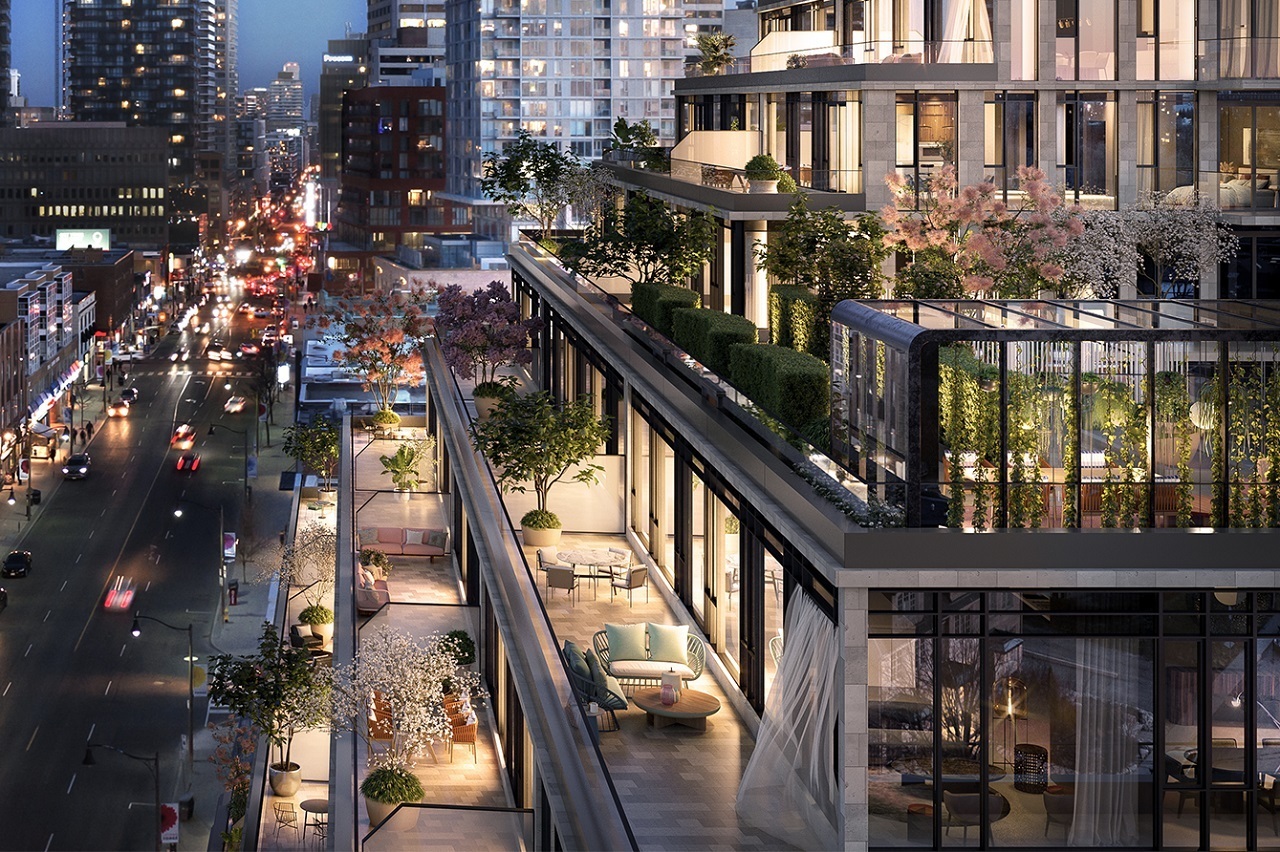
Living in the Midtown-Madison corridor in 2026 offers a variety of price points, though the trend toward premium pricing has continued. The inventory is divided into three primary categories: historic lofts, luxury new construction, and student-oriented housing.
Rental and Property Value Overview 2026
| Area | Average 1BR Rent | Primary Housing Type | Walk Score |
|---|---|---|---|
| Core Midtown | $1,950 | Historic Lofts / Renovated Apts | 92 |
| Brush Park | $2,400 | Luxury Condos / Townhomes | 88 |
| Madison/Grand Circus | $2,250 | High-rise Modern Units | 96 |
| North Cass | $1,700 | Value-oriented / Student Housing | 85 |
Note: Rents are estimates based on 2026 market trends and reflect units with modern amenities (in-unit laundry, dishwasher, central air).
The Rise of Brush Park
Just east of the main Woodward corridor, Brush Park has become the gold standard for residential growth. In 2026, the neighborhood is a dense forest of modern townhomes built around preserved mansions like the Ransom Gillis House. This area serves as the primary residential bridge for executives working in the Madison District who want the space of a townhome with the proximity of an urban core.
Connectivity and Infrastructure
The success of the Midtown-Madison corridor is largely attributed to its superior connectivity compared to the rest of Detroit.
- The QLine: The streetcar system running along Woodward Avenue remains the primary north-south artery. In 2026, improved signal priority and increased frequency have made it a reliable alternative to driving.
- MoGo Bike Share: With over 75 stations throughout the corridor, bike-sharing is a staple for "last-mile" transit between the Madison tech hubs and Midtown residential blocks.
- The Joe Louis Greenway: This massive loop of protected bike and pedestrian paths now connects Midtown to the Riverfront and surrounding neighborhoods, providing a safe, green corridor for recreation and commuting.
- Parking Evolution: While Detroit was once a "parking lot city," many surface lots in Midtown and Madison have been replaced by mixed-use parking decks that feature ground-floor retail, reducing the visual impact of cars on the urban landscape.
Cultural Institutions and Lifestyle
Living in or visiting this area provides immediate access to the "Big Five" cultural institutions, all located within a mile of each other in the Midtown core:
- Detroit Institute of Arts (DIA): One of the premier art museums in the United States, featuring the world-famous Diego Rivera murals.
- Detroit Symphony Orchestra (Orchestra Hall): An acoustical marvel that hosts a global array of performers.
- Michigan Science Center: A hub for STEM education that anchors the family-friendly side of the district.
- Charles H. Wright Museum of African American History: The world's second-largest institution dedicated to the African American experience.
- Detroit Public Library (Main Branch): A monumental piece of Italian Renaissance architecture that serves as a quiet research haven for the Madison District’s creative class.
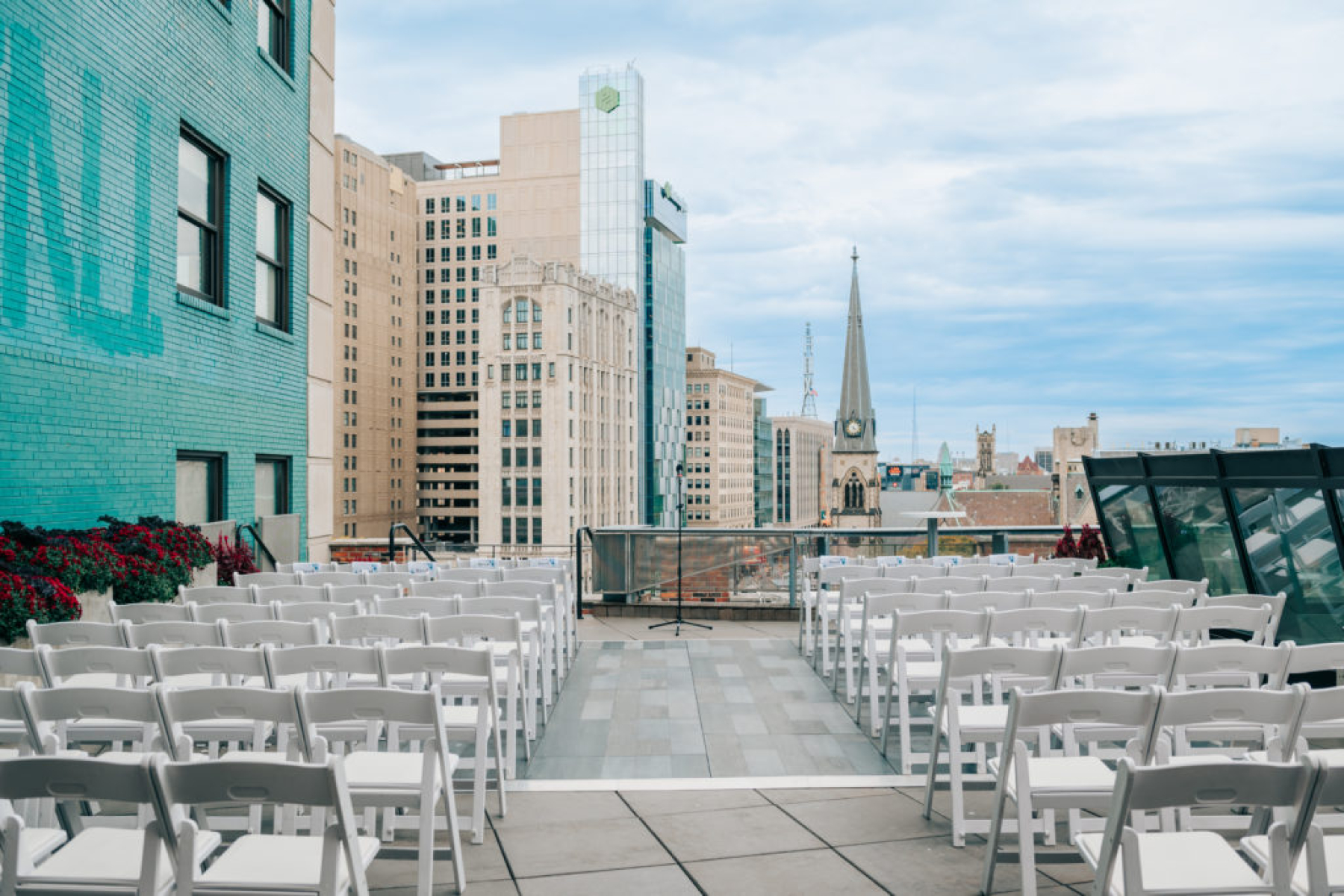
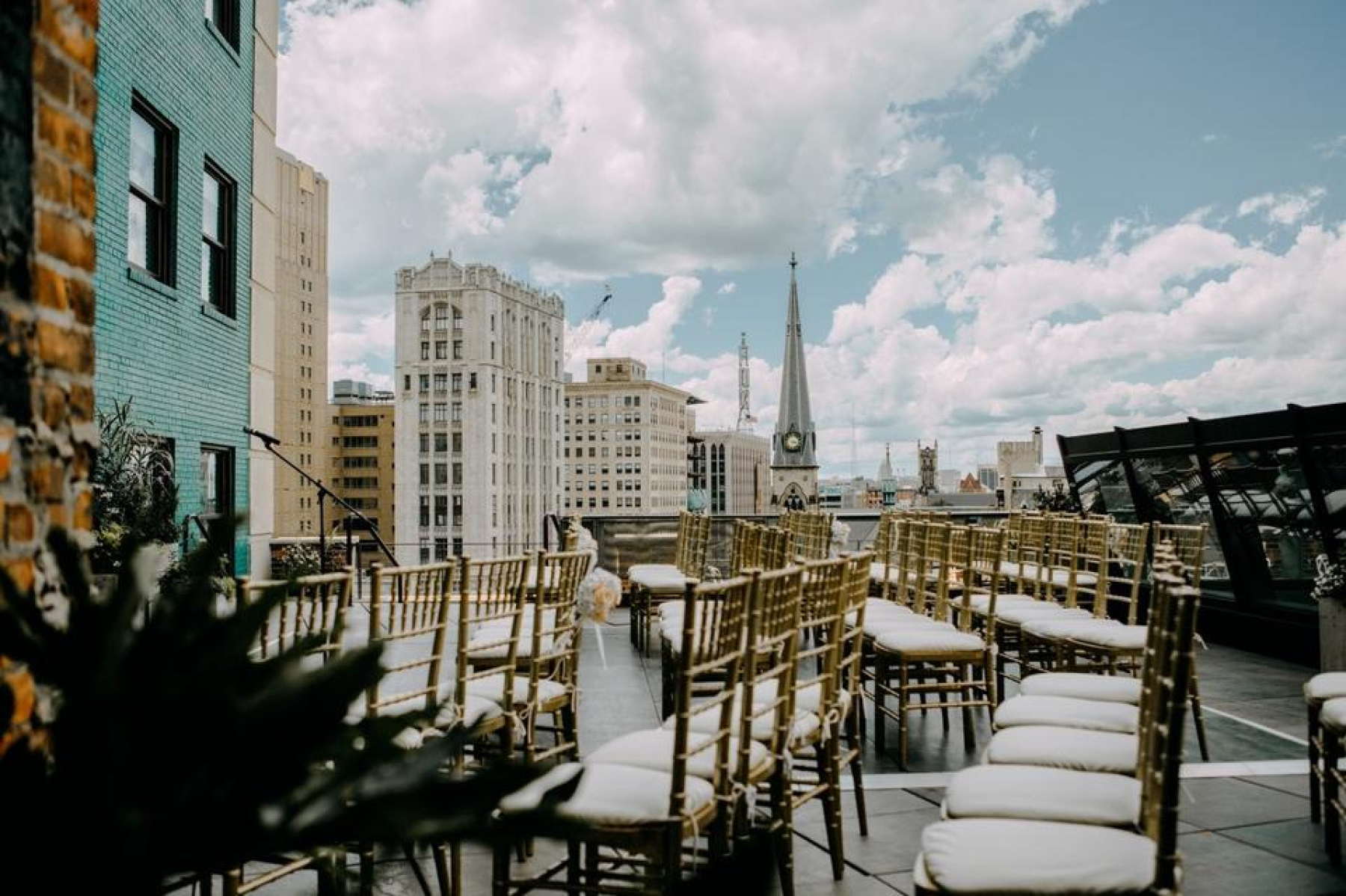
The lifestyle in 2026 is defined by "The Third Place"—locations that are neither home nor work. From the boutique Shinola Hotel (near Madison) to the numerous rooftop bars in Midtown, the social fabric is dense and active year-round.
Challenges and Future Outlook
Despite its successes, the Midtown-Madison corridor faces ongoing challenges as it looks toward the late 2020s. Affordability is the primary concern; as property values rise, there is a constant struggle to ensure that the artists and service workers who built the neighborhood's reputation can still afford to live there. The City of Detroit has implemented several 20% affordable housing requirements for new developments receiving tax incentives to mitigate this displacement.
Infrastructure maintenance also remains a priority. As the density of the area increases, the demand on the power grid and water systems has required significant upgrades, many of which are ongoing in 2026 to support the high-tech requirements of the Madison District firms.
Frequently Asked Questions
Is the Midtown Madison area safe for residents and visitors?
In 2026, Midtown and the Madison District are among the most heavily patrolled areas in Detroit. A combination of the Detroit Police Department, Wayne State University Police, and private security "ambassadors" ensures a high level of visibility. Enhanced street lighting and high pedestrian volume also contribute to a statistically lower crime rate than many other urban centers of similar size.
What is the best way to commute between Midtown and the Madison District?
The QLine is the most direct method, as it runs straight down Woodward Avenue, connecting the two areas in roughly 10–12 minutes. However, many residents prefer the MoGo bike-share system or walking, as the distance between the southern edge of Midtown and the Madison District is only about half a mile.
Are there grocery stores in the Midtown area?
Yes. In 2026, the area is well-served by multiple options, including a large Whole Foods Market on Mack Avenue, a Meijer Rivertown Market nearby, and several independent organic grocers and boutique markets scattered throughout the Cass and Selden corridors.
Is the Madison District only for tech companies?
While it is the city’s tech hub, the Madison District also houses architectural firms, advertising agencies, non-profits, and law firms. Its proximity to the 36th District Court and various government buildings makes it a strategic location for a wide range of professional services.
Can I find parking in the Madison District?
Parking is more challenging in the Madison District than in Midtown. While there are several large decks (such as the Z-Lot and the Opera House deck), they can be expensive for daily use. Most frequent visitors recommend using the QLine or ride-sharing to avoid the high cost and congestion of downtown parking.
Final Recommendation
For those looking to invest, work, or live in Detroit in 2026, the Midtown-Madison corridor represents the most stable and high-growth opportunity in the city. If you prioritize walkability and cultural proximity, focus your search on Core Midtown. If you are looking for high-energy professional networking and luxury high-rise living, the Madison District and the surrounding Grand Circus Park area are your best options.
Image Gallery