How to Cook Sausage in a Smoker: The Complete Guide for 2026
To cook sausage in a smoker, preheat your equipment to a steady temperature of 225°F to 250°F (107°C to 121°C). Place the sausages directly on the grates, ensuring they do not touch, and smoke them until they reach an internal temperat...
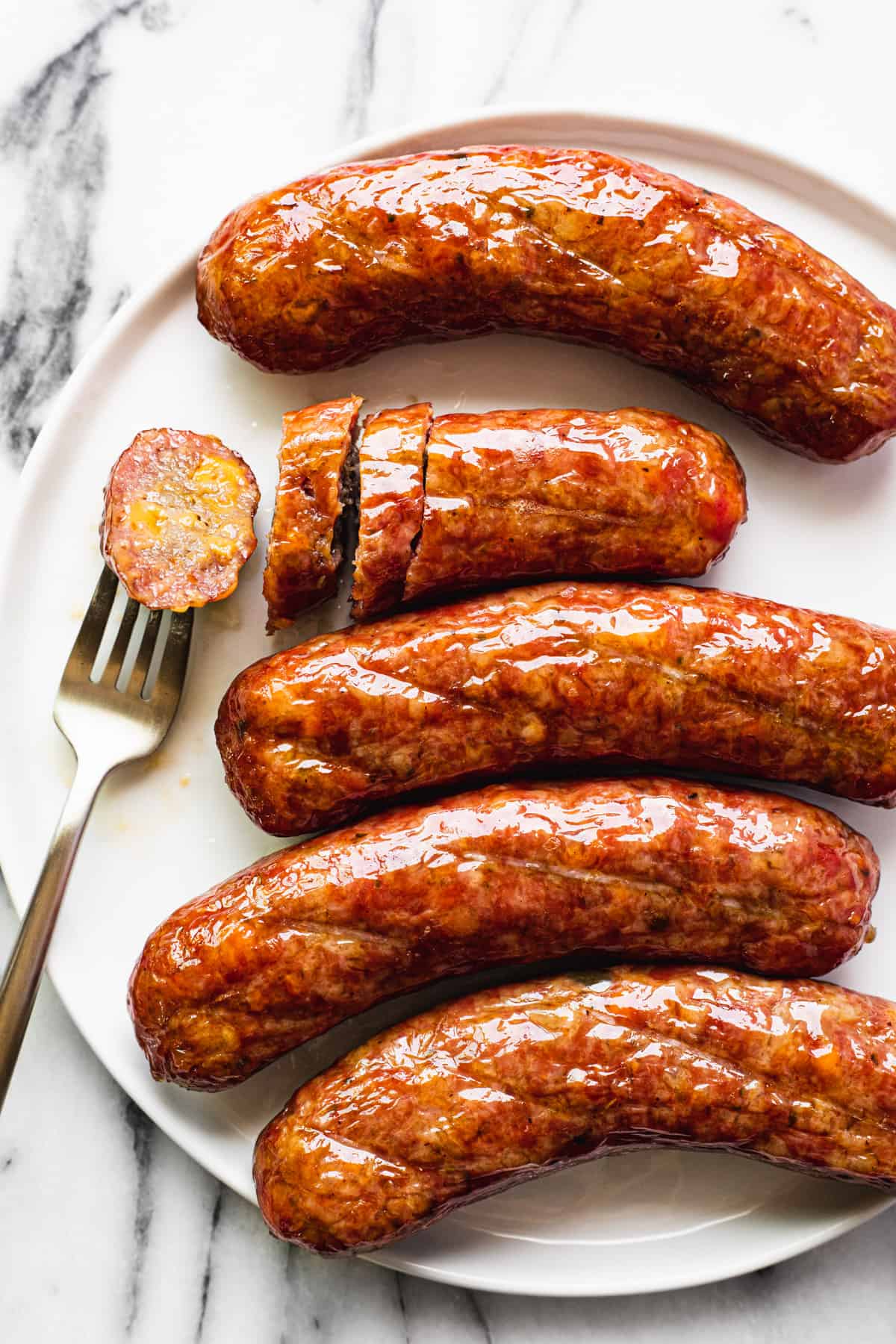
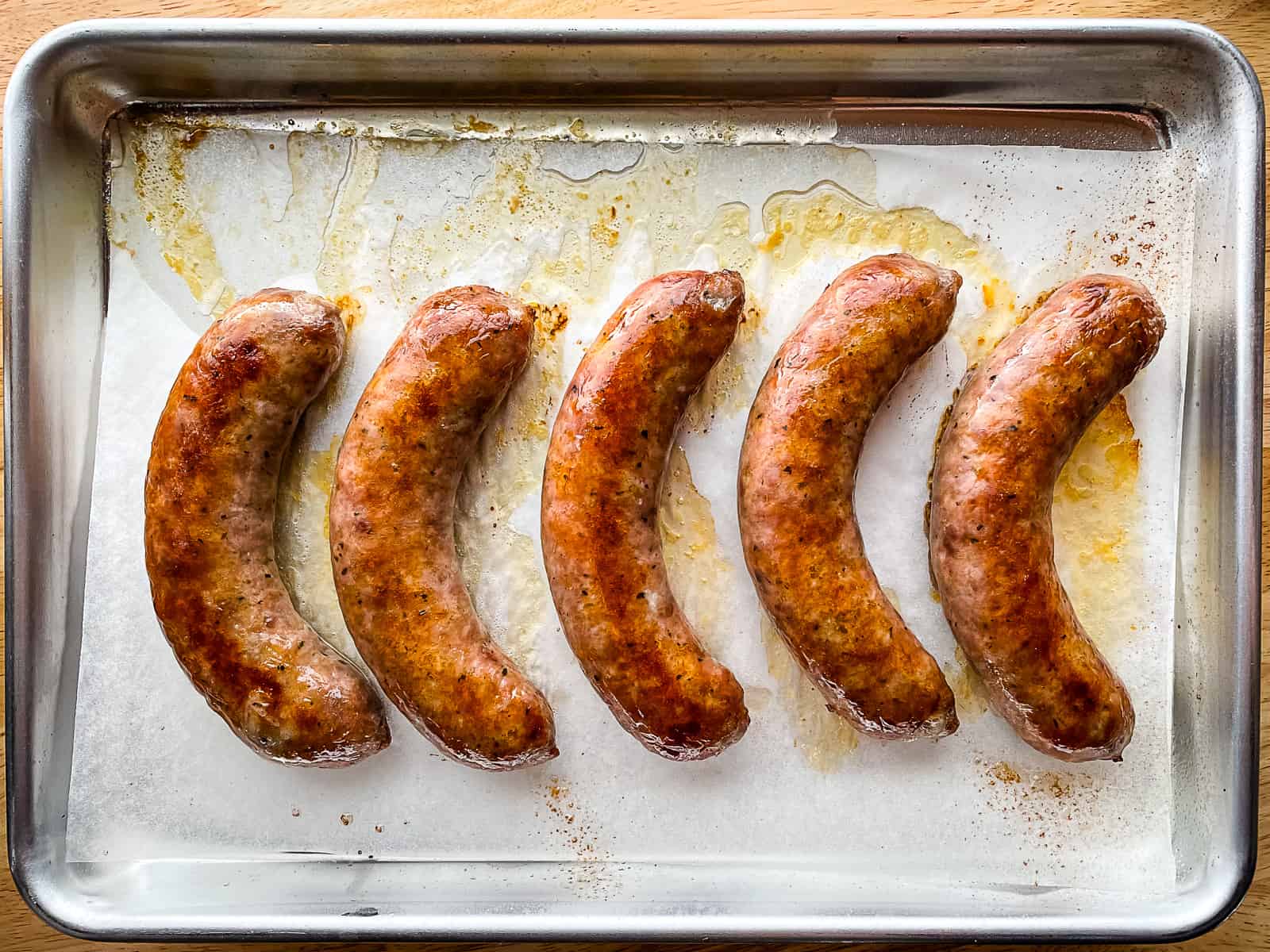
To cook sausage in a smoker, preheat your equipment to a steady temperature of 225°F to 250°F (107°C to 121°C). Place the sausages directly on the grates, ensuring they do not touch, and smoke them until they reach an internal temperature of 160°F (71°C). This process typically takes between 1.5 and 3 hours, depending on the thickness of the links and the consistency of your smoker’s heat.
Contents
Cooking sausage in a smoker is a foundational skill for any pitmaster, whether you are a novice using a pellet grill or a seasoned professional managing an offset smoker. Unlike grilling over high heat, which can cause casings to rupture and juices to spray, smoking allows for a gentle rendering of fat and a deep infusion of wood-fired flavor. As of 2026, the technology behind modern smokers has made precision temperature control more accessible than ever, but the core principles of smoke management and meat science remain unchanged.
Understanding the Physics of Smoked Sausage
When you cook sausage in a smoker, you are performing a delicate balancing act between heat, moisture, and smoke. Sausages are essentially emulsified or ground meat mixtures held within a casing. Because the meat is already ground, it has a high surface-area-to-volume ratio, making it prone to drying out if exposed to high heat or excessive airflow for too long.
The goal of the low-and-slow method (225°F–250°F) is to allow the proteins to set and the fats to render without creating enough internal steam pressure to "pop" the casing. This temperature range is high enough to bypass the "danger zone" for bacterial growth—which is critical for ground meats—yet low enough to allow the smoke to penetrate the casing and develop a rich color and flavor profile.
The Role of the Casing
Most sausages used for smoking feature either natural (hog or sheep) or collagen casings. Natural casings are preferred for smoking because they are semi-permeable, allowing smoke molecules to pass through and flavor the meat. They also react to the heat by shrinking slightly, which creates that desirable "snap" when you bite into the finished product.
Preparing Your Smoker for 2026 Standards
Before you even touch the meat, your smoker must be stabilized. Fluctuating temperatures are the enemy of a good smoke ring and a juicy interior.
- Clean the Grates: Old grease and carbon buildup can impart "dirty" smoke flavors to your sausage. Ensure your grates are scrubbed clean.
- Water Pan Usage: In 2026, many pitmasters still debate the necessity of a water pan. For sausages, a water pan is highly recommended. It adds humidity to the cooking chamber, which slows the drying of the casing and helps smoke particles adhere to the meat.
- Fuel Selection: Use high-quality hardwoods or food-grade pellets. Avoid softwoods like pine or cedar, which contain resins that produce bitter, unpalatable smoke.
Wood Pairings for Different Sausages
The choice of wood can drastically change the final flavor profile of your sausage.
- Fruitwoods (Apple, Cherry, Peach): These are the gold standard for sausages. They provide a mild, sweet smoke that doesn't overpower the spices in a bratwurst or a mild Italian link. Cherry wood, in particular, adds a deep mahogany color to the casing.
- Hickory and Pecan: These provide a more traditional "bacon-like" flavor. They are excellent for hearty sausages like Kielbasa or spicy Andouille.
- Oak: A neutral, versatile wood that provides a clean smoke. It is the best choice if you are smoking Texas-style beef links.
- Mesquite: Use sparingly. Mesquite is very intense and can easily turn a delicate sausage bitter if the smoke isn't "thin and blue."
Step-by-Step Smoking Procedure
Step 1: Preparation of the Meat
Take your sausages out of the refrigerator about 15–20 minutes before you plan to put them in the smoker. While you should never leave raw meat out long enough to reach room temperature for safety reasons, taking the "chill" off helps the meat cook more evenly. If the sausages are wet, pat them dry with a paper towel. A dry casing will take on smoke and color more effectively than a wet one.
Step 2: The Setup
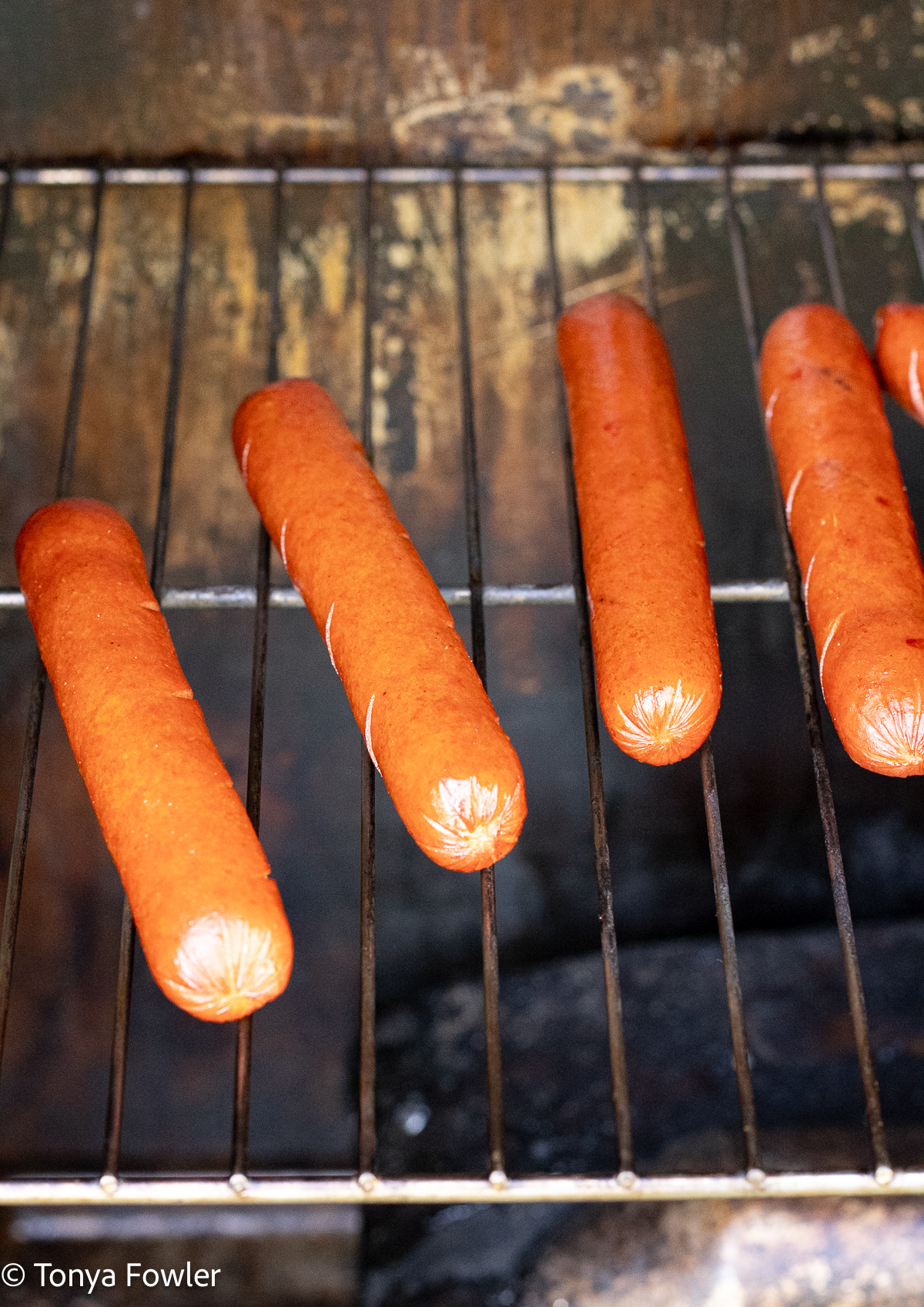
Arrange the sausages on the smoker grates. Crucial Rule: Do not let the sausages touch each other. Smoke and heat need to circulate around the entire surface of each link to ensure even cooking and color. If you are using a vertical smoker, you can hang the links from hooks, provided the internal temperature remains consistent from top to bottom.
Step 3: Monitoring the Temperature
In 2026, most smokers come with integrated probes, but a high-quality, external instant-read thermometer is still your most important tool. Avoid poking the sausages too early or too often; every time you puncture the casing, you lose internal juices.
Wait until the sausages look firm and have taken on a reddish-brown hue (usually after 60–90 minutes) before taking your first temperature reading. According to USDA Food Safety Guidelines, ground meat mixtures must reach an internal temperature of 160°F (71°C) to be considered safe for consumption.
Step 4: The Finish and Resting
Once the internal temperature reaches 160°F, remove the sausages immediately. If you leave them until 165°F or 170°F, the fat will likely "render out," leaving you with a shriveled casing and dry, crumbly meat.
Let the sausages rest for 5–10 minutes before serving. This allows the internal juices to redistribute. If you are not serving them immediately, you can give them a quick "ice bath" for 30 seconds to stop the cooking process and prevent the casings from wrinkling.
| Sausage Type | Smoker Temp | Target Internal Temp | Est. Cook Time | Recommended Wood |
|---|---|---|---|---|
| Fresh Brats/Italian | 225°F | 160°F | 2 - 2.5 Hours | Apple or Cherry |
| Breakfast Links | 225°F | 160°F | 1 - 1.5 Hours | Maple or Pecan |
| Kielbasa (Pre-cooked) | 250°F | 160°F (to heat) | 1.5 Hours | Hickory or Oak |
| Andouille/Chorizo | 225°F | 160°F | 2.5 - 3 Hours | Pecan or Hickory |
| Summer Sausage | 180°F - 200°F | 160°F | 3 - 5 Hours | Hickory |
Troubleshooting Common Issues
Rubbery or Tough Casings
This is often caused by a lack of moisture in the smoker or by cooking at a temperature that is too low for too long. If the casing feels like plastic, try increasing the humidity with a water pan or finishing the sausages over high heat for 60 seconds per side to crisp up the skin.
Burst Casings
If your sausages are splitting open, your smoker temperature is too high. When the internal fat and moisture boil, the resulting steam expands faster than the casing can stretch. Keep your smoker below 250°F to prevent this.
The Sausage is Gray or Pale
This is usually a result of "heavy" or "dirty" smoke. If your smoker is producing thick, white clouds instead of thin, blue smoke, the meat will take on a bitter taste and a dull color. Ensure your fire has enough oxygen and your wood is properly seasoned.
Advanced Techniques: The Cold-to-Hot Method
For those looking to maximize the smoke ring and depth of flavor in 2026, the "cold-to-hot" method is increasingly popular. This involves placing the sausages in a cold smoker and then lighting the fuel. As the smoker slowly climbs from 100°F up to 225°F, the meat spends more time in the temperature range where it is most receptive to smoke absorption. This method requires a very clean-burning fire to avoid depositing soot on the cold meat.
Safety and Storage
Smoked sausages can be stored in the refrigerator for 3 to 4 days or frozen for up to 3 months. When reheating, avoid the microwave if possible, as it tends to make the casings rubbery. Instead, reheat them in a skillet over medium heat with a splash of water and a lid, or return them to a low-temperature oven until warmed through.
FAQ
Do I need to prick the sausages before smoking? No. In fact, you should never prick the sausages. Pricking the casing allows the flavorful fats and juices to escape, resulting in a dry, bland sausage. The only exception is if you are specifically making a style of dried sausage that requires moisture release, which is not the case for standard hot smoking.
Can I smoke pre-cooked sausages? Yes. Since pre-cooked sausages (like many brands of Kielbasa or hot dogs) are already safe to eat, the smoking process is used to add flavor and heat them through. You can smoke these at a slightly higher temperature (250°F) to save time, but ensure they reach an internal temperature of at least 140°F to 160°F for the best texture.
What is the "Danger Zone" for smoking sausage? The "Danger Zone" is the temperature range between 40°F and 140°F where bacteria multiply most rapidly. Because sausage is ground meat, it is more susceptible to contamination. You should aim to get your sausage from the refrigerator to an internal temperature of 140°F within 4 hours to ensure safety.
Why did my sausages wrinkle after I took them out? Wrinkling occurs when the meat inside shrinks faster than the casing as it cools. To prevent this, many pitmasters use a "cold shock" (plunging the links into ice water for 30–60 seconds) immediately after they come off the smoker. This sets the casing and helps it maintain its plump shape.
Is a smoke ring important in sausage? While a pink smoke ring is a sign of good nitric oxide absorption, it is not a strictly necessary indicator of flavor or doneness in sausage. Many sausages contain curing salts (like pink salt or sodium nitrite) that will turn the entire interior pink regardless of how much smoke was used.
Practical Recommendation
For the best results in 2026, we recommend using a dual-probe thermometer system: one probe to monitor the ambient temperature of the smoker at the grate level, and one to monitor the internal temperature of your thickest sausage link. Focus on the quality of your smoke; if you can barely see the smoke coming out of the stack, you are likely producing the perfect "blue smoke" that results in professional-grade smoked sausage.
Image Gallery