The History of the Nike Air Max 95 and Its Lasting Cultural Impact
The Nike Air Max 95, designed by Sergio Lozano, revolutionized the footwear industry by introducing visible Air cushioning to the forefoot and utilizing a design inspired by human anatomy. Since its 1995 debut, it has transitioned from...
The Nike Air Max 95, designed by Sergio Lozano, revolutionized the footwear industry by introducing visible Air cushioning to the forefoot and utilizing a design inspired by human anatomy. Since its 1995 debut, it has transitioned from a polarizing performance runner to a global cultural icon, particularly within UK and Japanese street subcultures.
Contents
The Architect of Change: Sergio Lozano’s Vision
In the early 1990s, Nike’s running category was facing a creative plateau. While the Air Max 1 and Air Max 90—both designed by the legendary Tinker Hatfield—had been massive successes, the brand needed something radically different to maintain its dominance. Enter Sergio Lozano, a young designer who had previously worked on Nike’s ACG (All Conditions Gear) line. Lozano was tasked with bringing a fresh perspective to the Air Max franchise, and his approach was intentionally disruptive.
Lozano’s design process began not with footwear trends, but with the landscape. He recalled looking out his office window in Beaverton, Oregon, watching the rain erode the earth. This imagery of striated earth and layered geological formations planted the seed for what would become the Air Max 95’s signature gradient upper. However, as the design evolved, Lozano pivoted toward a more organic inspiration: the human body.
The design was so radical that it initially met with internal resistance. At the time, Nike's leadership was hesitant about a shoe that lacked a prominent Swoosh on the side. Lozano intentionally minimized the branding, placing a small Swoosh near the heel, arguing that the shoe’s design was recognizable enough without a giant logo. This move was a gamble that ultimately paid off, signaling a shift toward more sophisticated, design-led footwear.
Anatomical Inspiration: A Shoe Built Like a Human
The Air Max 95 is unique because every element of its construction corresponds to a part of the human anatomy. This was not just a marketing gimmick; it dictated the layering and functional aspects of the shoe.
- The Spine: The midsole and outsole represent the vertebral column. It provides the structural integrity of the shoe and houses the central support system.
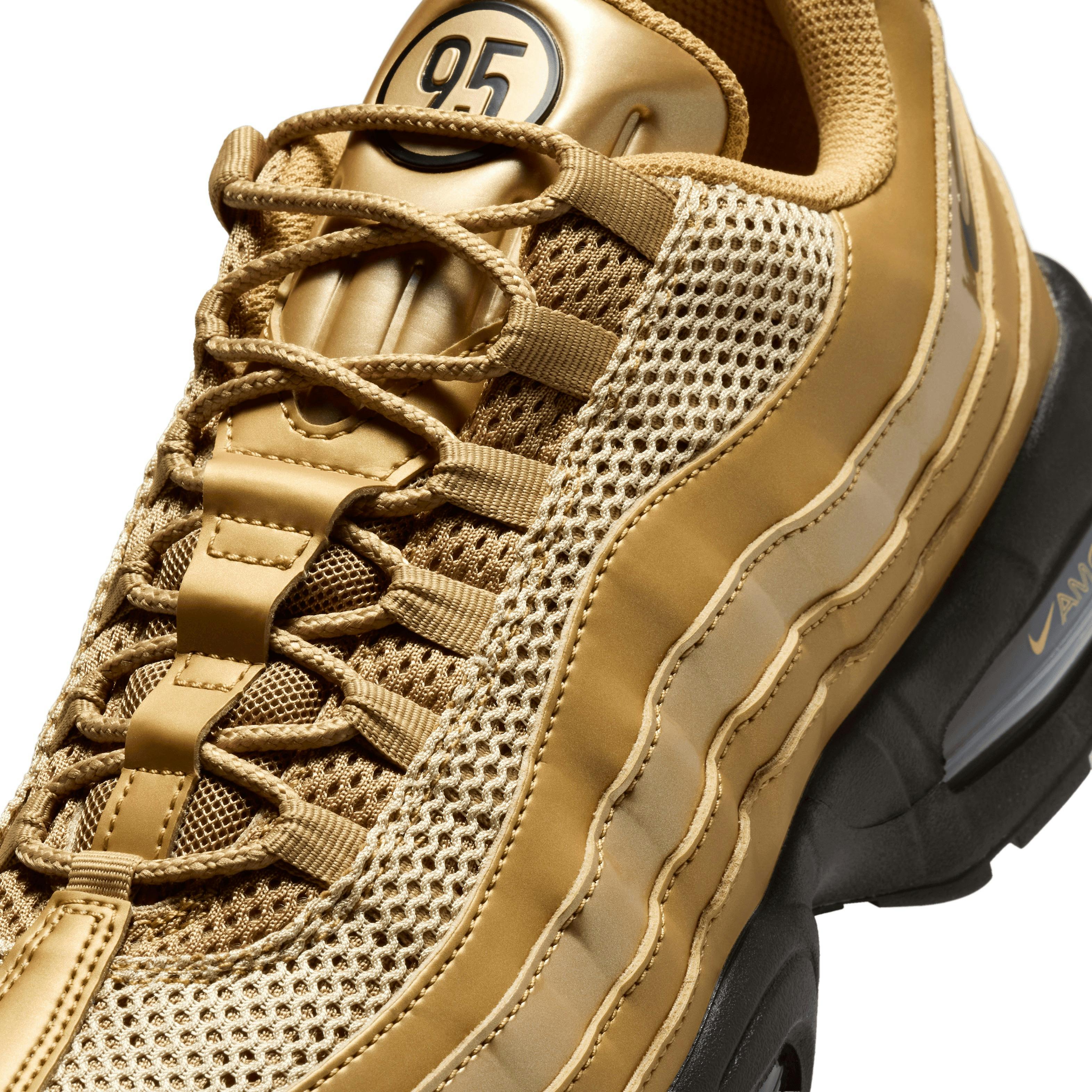
- The Ribs: The nylon eyelets and lace loops function as the ribs, wrapping around the foot to provide a secure, lockdown fit.
- The Muscles: The layered suede and mesh panels on the upper represent muscle fibers. This layering allowed Lozano to experiment with the famous grey gradient, moving from dark at the sole to light at the tongue.
- The Skin: The breathable mesh near the tongue and lacing system represents the skin, allowing for ventilation and flexibility.
Technologically, the Air Max 95 was a pioneer. It was the first Nike shoe to feature visible Air in the forefoot. Prior to 1995, Air units were largely confined to the heel. By adding dual-pressure Air units to the front of the shoe, Nike provided runners with superior strike cushioning and a futuristic aesthetic that looked like nothing else on the market.
The Iconography of the "Neon" Colorway
The debut "Neon" colorway (Black/Neon Yellow/White/Medium Grey) is arguably as famous as the silhouette itself. Lozano chose the grey gradient for a very practical reason: running in the rain in Oregon often resulted in mud and dirt splashing onto the shoes. By making the base of the shoe dark and fading to light at the top, the Air Max 95 was designed to hide wear and tear effectively.
The choice of Neon Yellow (often referred to as "Volt") was intended to highlight the new technology. The bright pops of color drew the eye directly to the visible Air units in the heel and forefoot. In 1995, this color palette was jarring. Most running shoes were white with simple primary accents. The Air Max 95’s aggressive, dark aesthetic felt "counter-culture," which helped it find an audience far beyond the track.
Global Cultural Impact: From London to Tokyo
While the Air Max 95 was designed for performance running, its true legacy was forged on the streets. Two regions, in particular, adopted the shoe as a subcultural uniform: the United Kingdom and Japan.
The "110" and UK Street Culture
In the UK, specifically in London, Liverpool, and Manchester, the Air Max 95 became a staple of the "roadman" and "chav" subcultures of the late 90s and early 2000s. It earned the nickname "The 110" because its original retail price was £109.99—an astronomical sum for a sneaker at the time. Owning a pair was a definitive status symbol.
The shoe’s aggressive look paired perfectly with the burgeoning Grime music scene. Artists and fans alike wore the 95 as a badge of authenticity. Even as prices rose over the decades, the nickname stuck, cementing the shoe's place in British fashion history.
Japan’s Sneaker Mania
In Japan, the Air Max 95 triggered a cultural phenomenon known as "sneaker hunting." The shoe’s release coincided with a massive boom in Japanese streetwear and the rise of the "Ura-Harajuku" scene. The Neon 95 was so coveted that it led to "Air Max狩り" (Air Max hunting), where individuals were reportedly mugged for their shoes. This era of hyper-demand in Japan helped birth the modern "sneakerhead" culture and the secondary resale market that dominates the industry today.
Technical Specifications and Evolutionary Milestones
Over the past three decades, the Air Max 95 has seen numerous iterations, from the introduction of "Ultra" lightweight versions to "SE" (Special Edition) releases. However, the core silhouette remains largely unchanged, a testament to Lozano’s original vision.
| Feature | Original 1995 Specification | Modern 2026 Retrospective Status |
|---|---|---|
| Cushioning | Dual-pressure visible Air (Heel & Forefoot) | Recycled Air-Sole units; enhanced pressure tuning |
| Upper Material | Synthetic Suede and Mesh | Move to Zero (Sustainable) materials and premium leather |
| Branding | Minimalist "Mini-Swoosh" near heel | Historically accurate OG branding on retros |
| Weight | Approx 14.5 oz | Reduced in "Ultra" versions (approx 11-12 oz) |
| Primary Use | High-performance running | Lifestyle, fashion, and heritage collecting |
Significant Collaborations and Modern Relevance
As we look at the landscape in 2026, the Air Max 95 remains a favorite for high-fashion and streetwear collaborations. These partnerships have kept the silhouette relevant to younger generations who may not have been alive during its 1995 debut.
- Comme des Garçons (2020): This collaboration featured a "distressed" look with raw, frayed edges on the anatomical layers. It bridged the gap between street footwear and high-fashion avant-garde design.
- Corteiz (2023): The London-based brand Corteiz released a series of Air Max 95s that caused literal riots during "drop" events. This collaboration reaffirmed the shoe’s deep-rooted connection to London’s street culture.
- Stüssy (2015): A minimalist take that emphasized the shoe's shape through clean color blocking and a collaborative tongue logo.
In 2025, Nike celebrated the 30th Anniversary of the Air Max 95 by releasing the "Big Bubble" version, which featured an enlarged Air unit closer to Lozano's original prototypes. This release served as a reminder of the technical audacity required to bring this shoe to market in the mid-90s.
The 2026 Perspective: Sustainability and Longevity
In the current year, 2026, Nike has shifted its focus toward the "Move to Zero" initiative, incorporating sustainable practices into its heritage line. The modern Air Max 95 often features midsoles made from Crater Foam and uppers constructed from at least 20% recycled content by weight.
Despite the influx of new foam technologies like ZoomX and React, the Air Max 95 persists because of its aesthetic gravity. It is a "maximalist" shoe in a world that often fluctuates between minimalism and over-design. Its ability to look both retro and futuristic simultaneously is a rare feat in industrial design.
Frequently Asked Questions
Why is the Air Max 95 called the "110" in the UK?
The nickname "110" refers to the shoe's original retail price in the United Kingdom, which was approximately £110. During the late 1990s, this was significantly more expensive than other performance sneakers, making it a status symbol in urban areas. While inflation has increased the retail price to roughly £170–£190 in 2026, the name remains a part of British slang.
Who designed the Nike Air Max 95?
The shoe was designed by Sergio Lozano. Unlike many other iconic Air Max silhouettes designed by Tinker Hatfield, Lozano’s design focused on organic, anatomical shapes rather than architecture. This shift in design philosophy is credited with saving the Air Max line from stagnation in the mid-90s.
Is the Air Max 95 still good for running?
While it was originally marketed as a high-performance running shoe, by 2026 standards, it is considered a lifestyle/heritage sneaker. Modern running shoes utilize much lighter foams (like Pebax) and carbon-fiber plates. The Air Max 95 is relatively heavy and stiff compared to modern performance gear, though it remains comfortable for everyday wear and light exercise.
How do I clean the gradient suede on an Air Max 95?
Because the Air Max 95 often uses synthetic or real suede on its side panels, you should avoid using heavy amounts of water. Use a soft-bristle brush and a dedicated suede cleaner. For the mesh sections, a standard sneaker cleaning solution and a medium-bristle brush work best. Always air dry the shoes away from direct heat sources to prevent the midsole glue from degrading.
What was the first colorway of the Air Max 95?
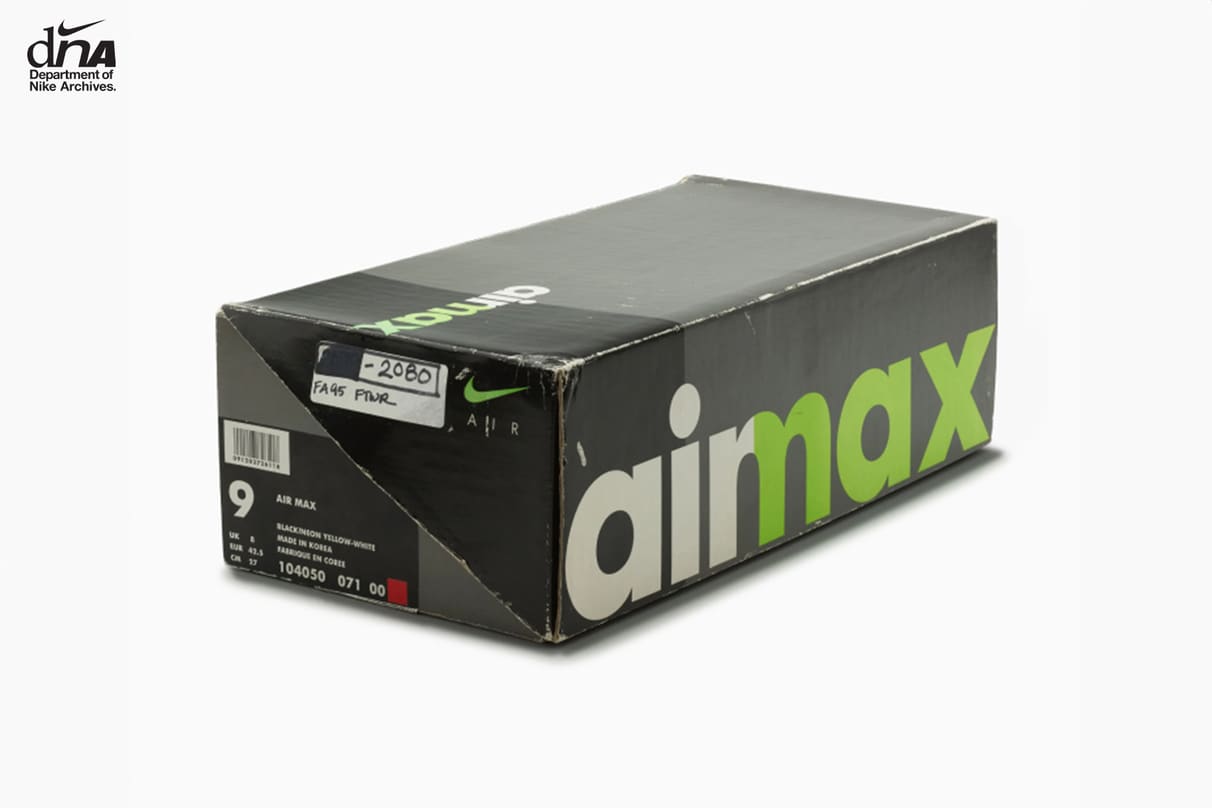
The first and most iconic colorway is the "Neon" (Black/Volt/Medium Grey). It featured a unique grey gradient on the upper and vibrant neon yellow accents inside the Air units and on the lace loops.
Practical Recommendation for Collectors
If you are looking to purchase a pair of Air Max 95s in 2026, prioritize the OG (Original) colorways or high-profile collaborations if you are interested in resale value. For daily wear, look for the "Ultra" iterations, which provide the same aesthetic but with a significantly lighter and more flexible sole unit. Ensure you verify the authenticity through reputable platforms, as the Air Max 95 remains one of the most frequently counterfeited sneakers due to its high demand and complex construction.
Image Gallery