Foundation Repair in Indialantic: A Complete Guide to Coastal Structural Integrity
Foundation repair in Indialantic requires a specialized approach tailored to the unique challenges of barrier island geology, including shifting sandy soils, high water tables, and salt-air corrosion. In 2026, the most effective soluti...
Foundation repair in Indialantic requires a specialized approach tailored to the unique challenges of barrier island geology, including shifting sandy soils, high water tables, and salt-air corrosion. In 2026, the most effective solutions involve a combination of helical pier installation to reach stable strata and polyurethane injection for void filling and slab stabilization. Addressing these issues early prevents catastrophic structural failure and preserves the high property values characteristic of this Brevard County coastal community.
Contents
Understanding Indialantic’s Unique Coastal Geology
Indialantic, situated on a barrier island between the Atlantic Ocean and the Indian River Lagoon, presents a set of environmental variables that differ significantly from mainland Florida. Most homes here are built on the Atlantic Coastal Ridge, which consists primarily of fine-grained sand, shell fragments, and localized deposits of organic "muck."
The primary driver of foundation distress in Indialantic is soil subsidence. While sand is generally non-expansive (unlike the clay found in North Florida), it is highly susceptible to "washouts." When heavy seasonal rains or storm surges occur, water moving through the soil can carry away the fine particles supporting a concrete slab. This creates subsurface voids. Without the support of the soil, the weight of the structure causes the concrete to crack and sink.
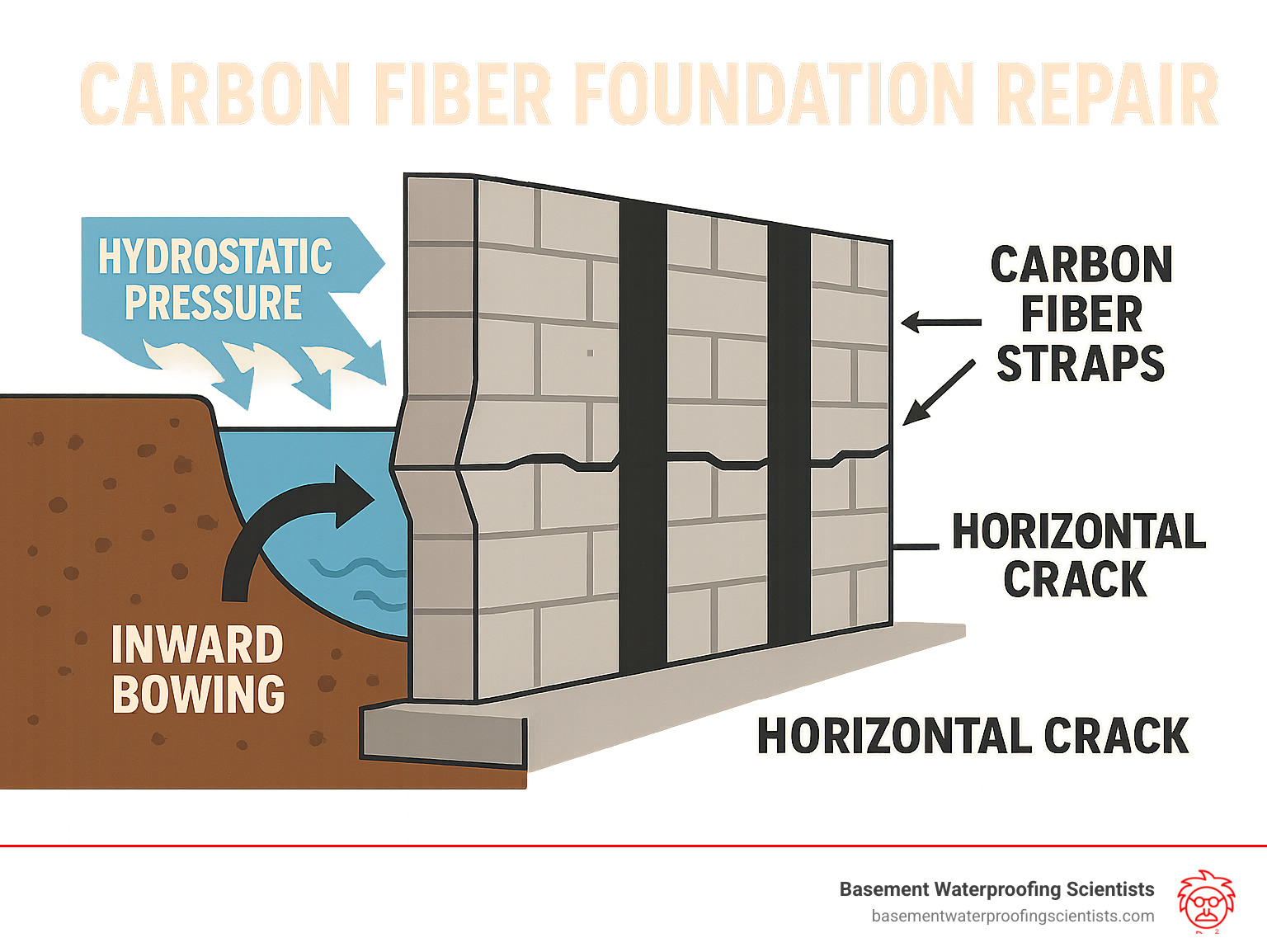
Furthermore, the water table in Indialantic is exceptionally high. In 2026, rising sea levels and increased tidal pressures have further elevated localized groundwater levels. Constant saturation weakens the weight-bearing capacity of the upper soil layers, leading to "differential settlement," where one portion of the home sinks faster than the rest.
Common Signs of Foundation Failure in Indialantic Homes
Identifying foundation issues in a coastal environment requires a keen eye for both interior and exterior symptoms. Because many Indialantic homes utilize stucco over concrete block (CBS) construction, the signs are often visible in the masonry long before they become structural emergencies.
Exterior Symptoms
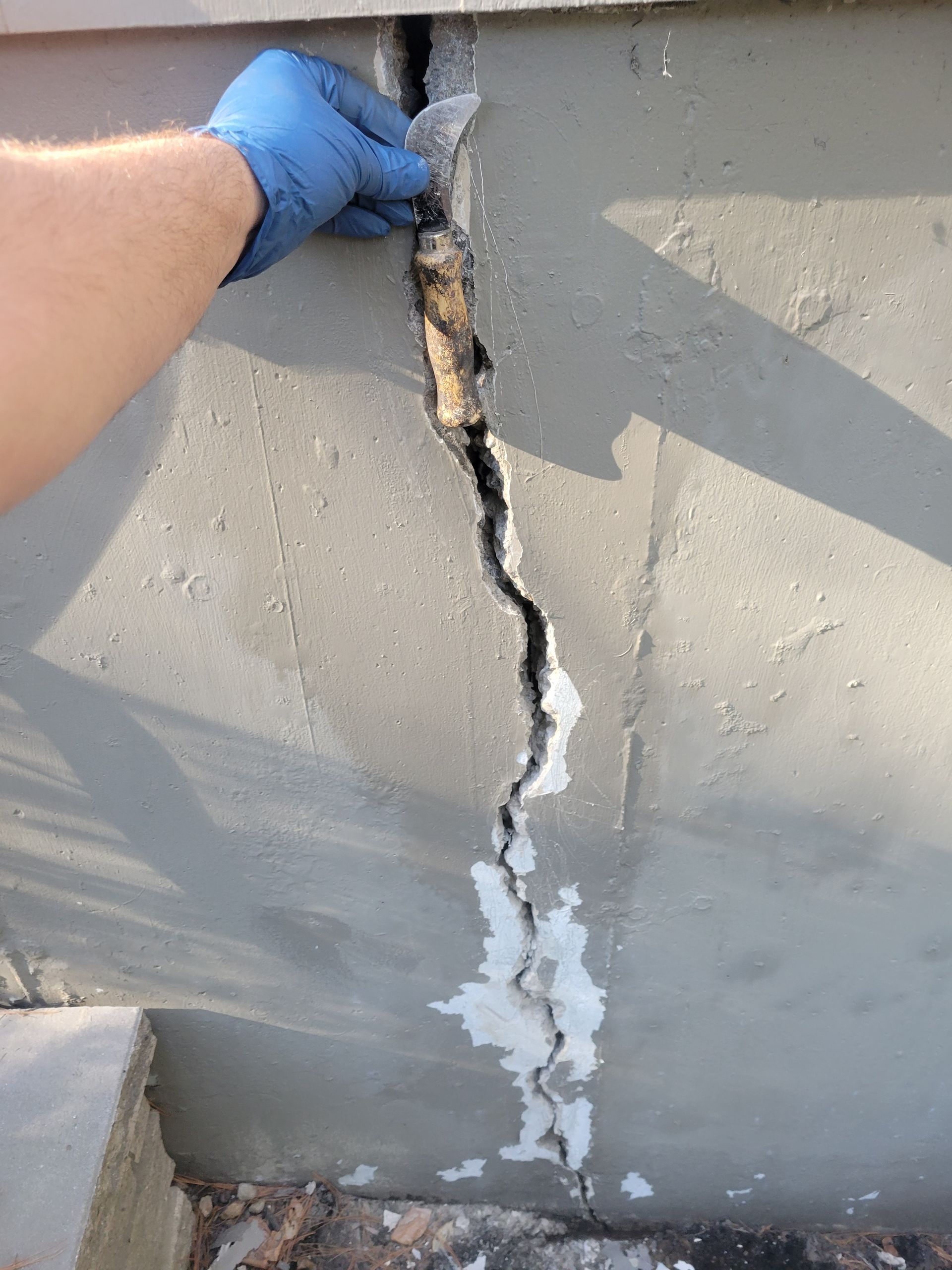
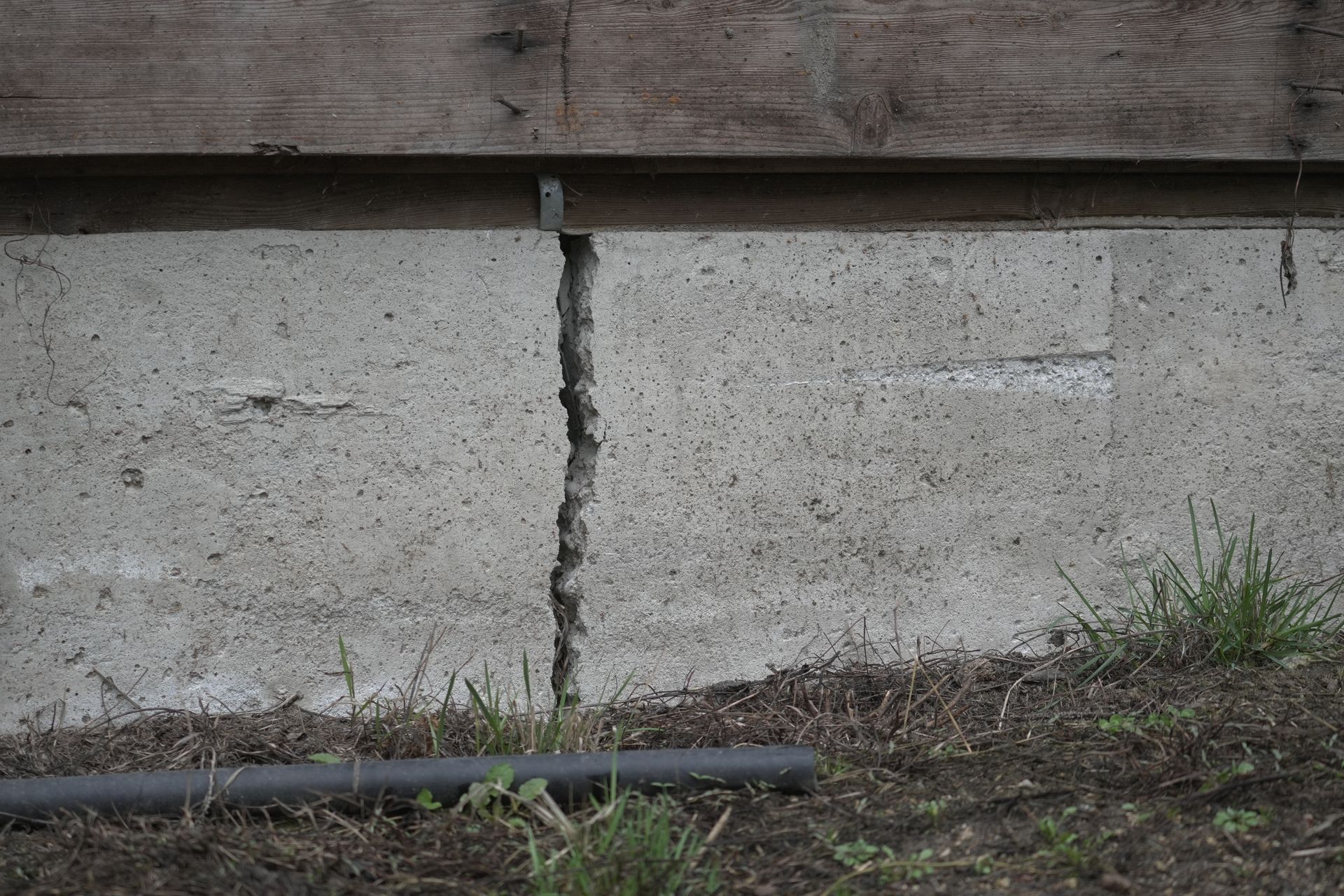
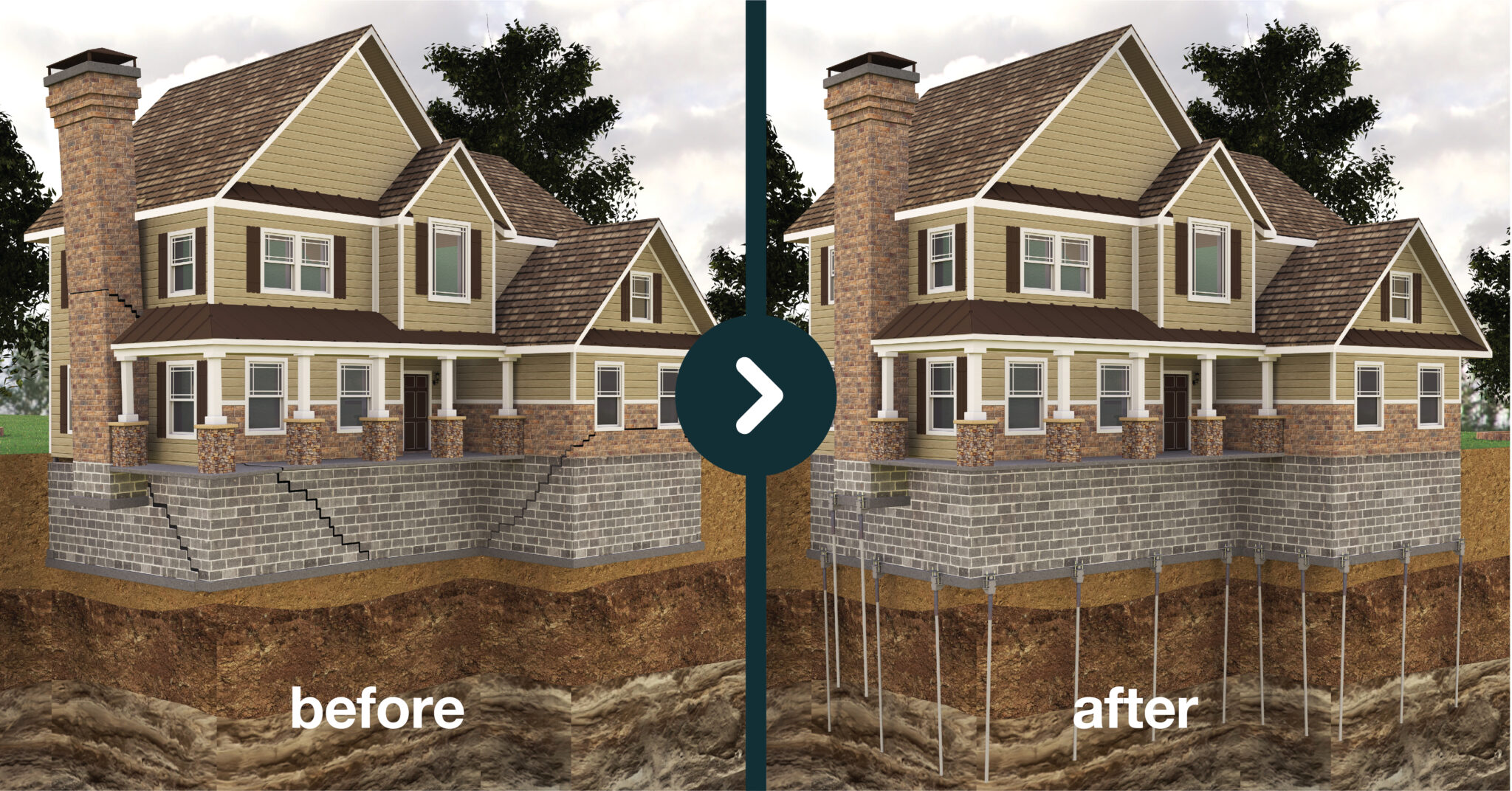
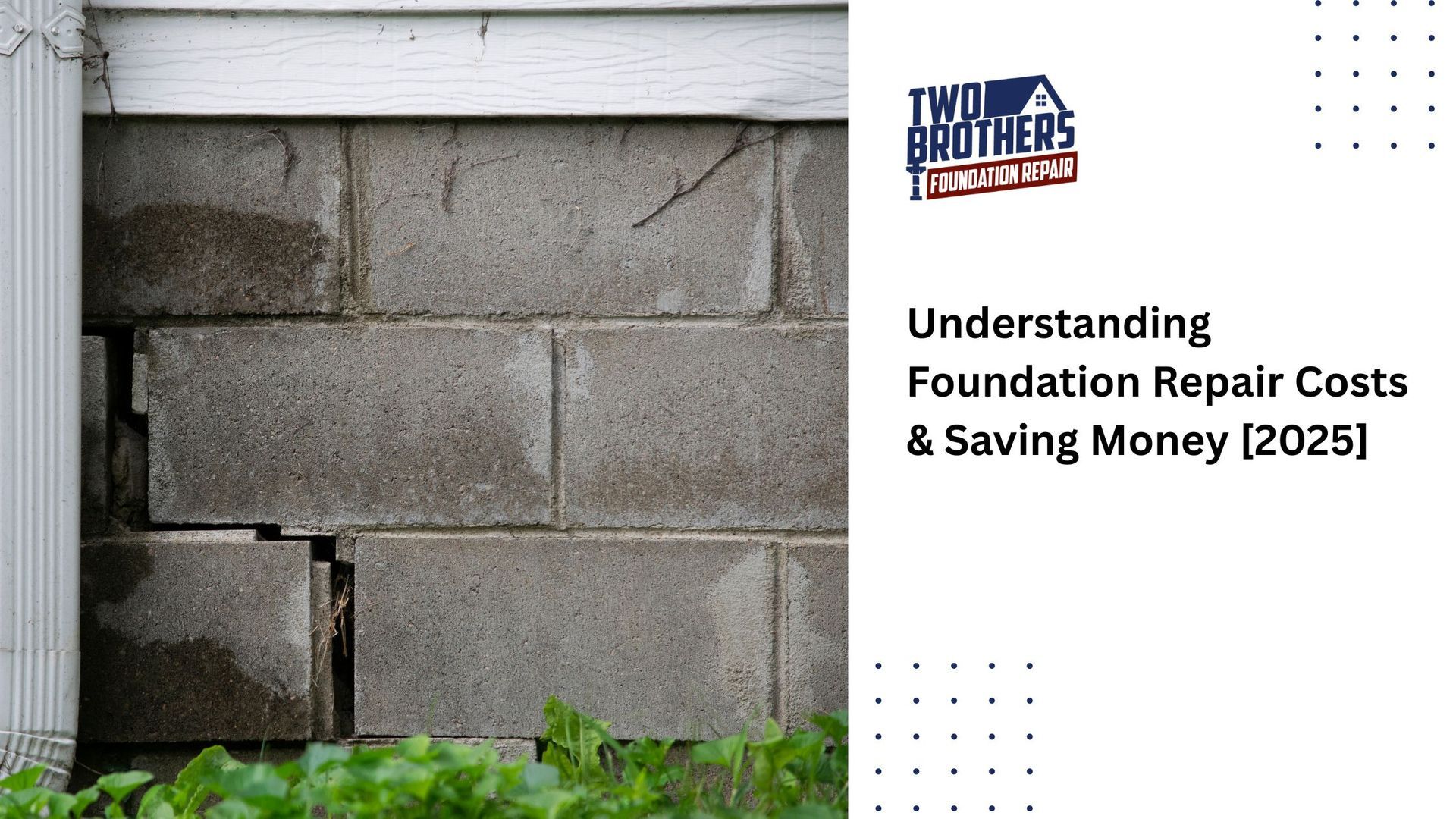
- Stair-Step Cracks: These are most common in brick or concrete block walls. The crack follows the mortar joints in a zigzag pattern, indicating that one corner of the foundation is dropping.
- Separation Around Windows and Doors: If you notice gaps between the window frame and the exterior stucco, or if the caulking is pulling away, the wall may be rotating outward.
- Fascia Board Gaps: When a foundation settles, the roofline can distort. Look for gaps where the roof meets the walls at the soffit or fascia.
Interior Symptoms
- Sticking Doors and Windows: As the frame shifts out of a perfect rectangle into a parallelogram, doors will begin to rub against the top or side of the jamb.
- Sloping Floors: In Indialantic’s slab-on-grade homes, a "low spot" in the floor is a definitive sign of a subsurface void. You may notice this as a slight tilt in furniture or a "hollow" sound when walking on tile.
- Baseboard Separation: If the floor sinks but the wall remains supported by a footer, a visible gap will appear between the bottom of the baseboard and the flooring material.
Modern Foundation Repair Methods for 2026
The technology for stabilizing homes in sandy, high-water-table environments has advanced significantly. As of 2026, the industry has largely moved away from "concrete pressing" in favor of more permanent, engineered solutions.
Helical Pier Installation
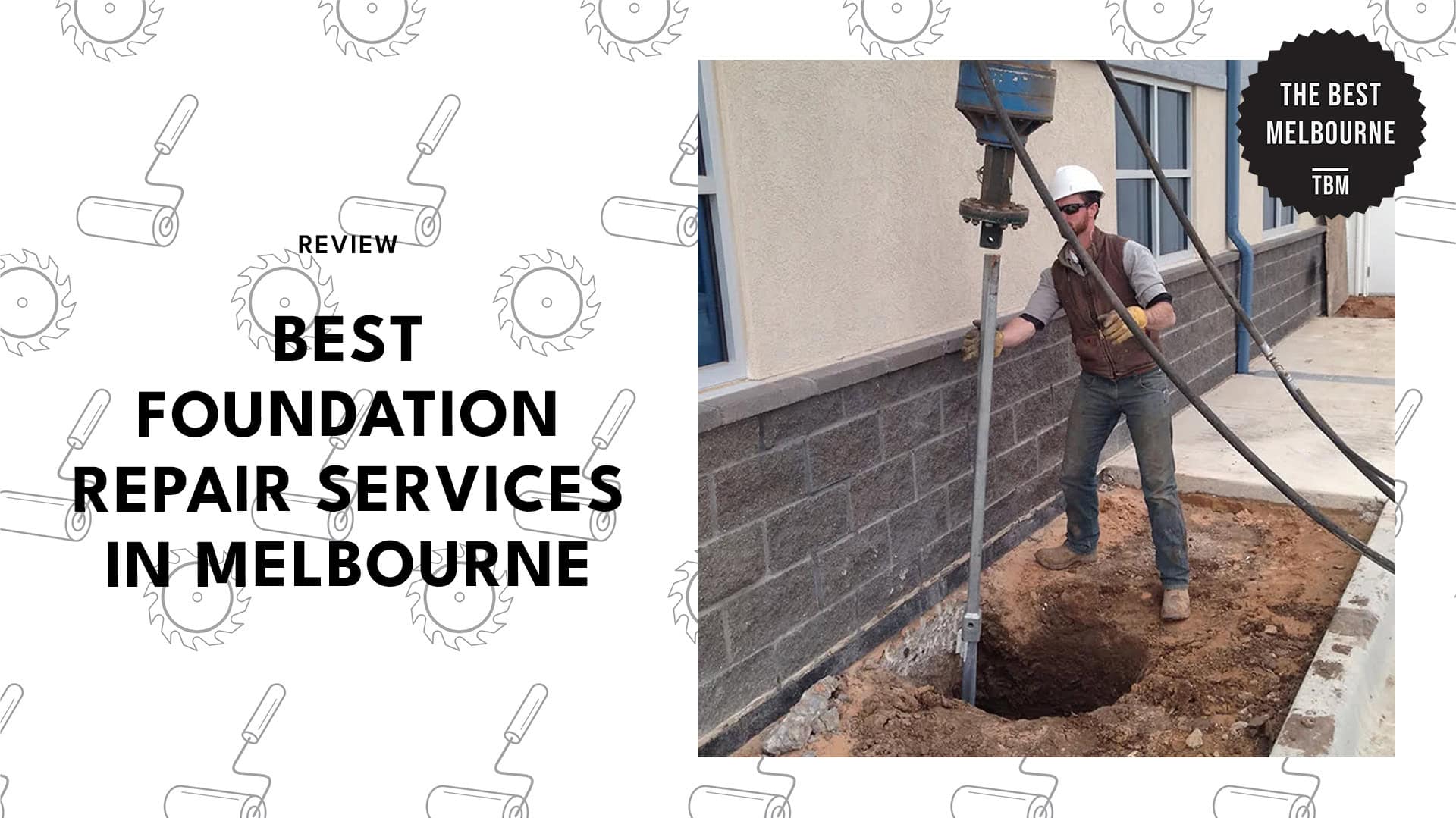
For homes experiencing deep settlement, helical piers are the gold standard. These are steel shafts with screw-like plates that are mechanically "screwed" into the ground until they reach a load-bearing soil layer or bedrock.
- Why it works in Indialantic: Unlike push piers, which rely on the weight of the house to drive the pipe down, helical piers are independent. In sandy soil, they can reach depths of 20 to 50 feet to find the stability that the surface sand lacks.
- Durability: In 2026, these piers are typically hot-dipped galvanized or coated in epoxy to resist the corrosive salt-water environment of the barrier island.
Polyurethane Foam Injection (Slab Lifting)
For minor settling or "hollow" spots under a slab, high-density polyurethane injection is the preferred method. Technicians drill small, penny-sized holes through the concrete and inject a two-part polymer.
- The Process: The liquid expands into a rigid foam, filling every crack and void in the soil. As it expands, it exerts enough upward pressure to lift the concrete slab back to its original position.
- Advantages: It is waterproof, environmentally inert, and does not add significant weight to the soil, which is crucial in Indialantic where heavy concrete patches might actually cause further sinking.
Chemical Grouting
In areas near the Indian River Lagoon where the soil is particularly loose or "mucky," chemical grouting can be used to bind the sand particles together. This turns the loose sand into a sandstone-like mass, providing a solid base for the foundation.
Cost Considerations for Indialantic Property Owners
Foundation repair costs in 2026 are influenced by the depth of the stable soil and the accessibility of the site. Because Indialantic properties are often closely spaced, specialized mini-equipment may be required to navigate side yards.
| Repair Method | Estimated Cost (Per Unit/Area) | Primary Use Case |
|---|---|---|
| Helical Piers | $2,500 – $4,500 per pier | Stabilizing perimeter walls and heavy load points. |
| Polyurethane Injection | $2,800 – $6,500 (average job) | Leveling interior floors, pool decks, and driveways. |
| Crack Injection/Repair | $800 – $2,200 | Sealing non-structural cracks to prevent water intrusion. |
| Engineering Report | $750 – $1,800 | Mandatory assessment and "letter of assurance." |
Note: These figures are estimates based on 2026 market rates in Brevard County. A standard single-family home requiring 8–10 piers can expect a total project cost between $25,000 and $45,000.
The Permitting and Engineering Process
In Indialantic, foundation repair is not a simple "handyman" task. It is a structural modification that requires strict adherence to the Florida Building Code.
- The Engineering Requirement: Before any work begins, a Florida-licensed Professional Engineer (P.E.) must conduct a site visit. They will perform a floor elevation survey and may request soil borings to determine the depth of the load-bearing strata.
- Permitting: The Town of Indialantic Building Department requires a permit for all structural repairs. This involves submitting the engineer's sealed plans.
- Third-Party Inspection: Once the piers are installed or the foam is injected, the engineer of record must return to verify that the lift was successful and that the load requirements were met. This ensures the repair is documented for future home sales.
Selecting a Specialist in Indialantic
The corrosive coastal air and specific soil conditions mean you should avoid "general" contractors for foundation work. Look for specialists who provide:
- Transferable Warranties: In 2026, the best companies offer "lifetime of the structure" warranties that stay with the house, which is a major selling point for Indialantic real estate.
- Specialized Coastal Equipment: Ensure the contractor uses galvanized steel. Untreated steel will rust through in less than a decade in our salt-spray environment.
- Local Experience: Ask for references within the 32903 ZIP code. A company that understands the specific water table fluctuations near Fifth Avenue or Riverside Drive will provide a more accurate estimate.
Preventive Maintenance for Coastal Foundations
While some settlement is inevitable due to geological shifts, Indialantic homeowners can take steps to protect their foundations:
- Gutter Management: Ensure gutters discharge water at least five feet away from the foundation. In sandy soil, a concentrated downspout can "dig" a hole under your footer in a single hurricane season.
- Tree Root Barriers: Large oaks or palms planted too close to the house can draw massive amounts of moisture from the sand, causing the soil to shrink and the slab to drop.
- Seawall Maintenance: For waterfront properties on the lagoon side, a failing seawall will quickly lead to foundation collapse. Regularly inspect "weep holes" in your seawall to ensure they aren't allowing soil to migrate out into the river.
Frequently Asked Questions
Does Florida homeowners insurance cover foundation repair?
Generally, standard policies do not cover foundation repair caused by settlement or earth movement. However, if the damage is a direct result of a "sinkhole loss" (as defined by Florida law) or a sudden pipe burst under the slab, coverage may apply. Always consult your policy's specific 2026 endorsements regarding "Catastrophic Ground Cover Collapse."
How long does a typical foundation repair take?
Most residential projects in Indialantic can be completed in 3 to 5 days. Helical pier installation is relatively fast and does not require a total evacuation of the home. Polyurethane injection is even faster, often completed in a single afternoon.
Will foundation repair fix the cracks in my tile?
Repairing the foundation stabilizes the structure, but it does not "heal" existing cracks in tile or drywall. Once the home is leveled and stabilized, you will need a flooring professional to replace damaged tiles and a painter to patch stucco or drywall cracks.
Can I sell my Indialantic home after foundation repair?
Yes. In fact, a home with a professionally engineered, permitted, and warranted foundation repair is often more attractive to buyers than a home showing signs of unaddressed settlement. You must disclose the repair, but providing the engineer's final "Letter of Completion" and the warranty transfer documents usually satisfies lender requirements.
Next Actions for Property Owners
If you suspect your Indialantic home is settling, the first step is a professional evaluation. Avoid the temptation to simply patch exterior cracks with DIY kits, as this masks the symptoms while the underlying structural void grows. Contact a structural engineer or a specialized foundation contractor who offers digital floor elevation surveys. In the high-stakes real estate market of 2026, protecting your home's foundation is the most critical investment you can make in its long-term viability.
Image Gallery