Jennifer Bowie Influences Modern Home Design: The Evolution of Warm Minimalism
Jennifer Bowie influences modern home design by championing "Warm Minimalism," a design philosophy that bridges the gap between clinical contemporary lines and tactile, organic comfort. Her approach prioritizes natural light, sustainab...
Jennifer Bowie influences modern home design by championing "Warm Minimalism," a design philosophy that bridges the gap between clinical contemporary lines and tactile, organic comfort. Her approach prioritizes natural light, sustainable "living" materials, and spatial fluidity, effectively redefining luxury in 2026 as a balance of high-end technology and grounded, artisanal craftsmanship.
Contents
The Architectural Philosophy of Jennifer Bowie
To understand how Jennifer Bowie influences modern home design, one must first recognize the departure her work represents from the "glass and steel" era of the early 21st century. By 2026, the residential landscape has moved away from the stark, often cold environments of high-concept modernism. Bowie has been a primary catalyst in this shift, advocating for homes that serve as sanctuaries rather than showrooms.
Her philosophy is rooted in the concept of sensory architecture. This involves designing spaces that consider not just the visual appeal, but also the acoustic quality, the thermal comfort of natural materials, and the psychological impact of spatial volume. Bowie’s influence is seen in the way modern architects now approach the "great room," moving away from echoing, cavernous spaces toward "zoned open-plan" layouts that facilitate both social interaction and private reflection.
The Integration of Natural Materiality
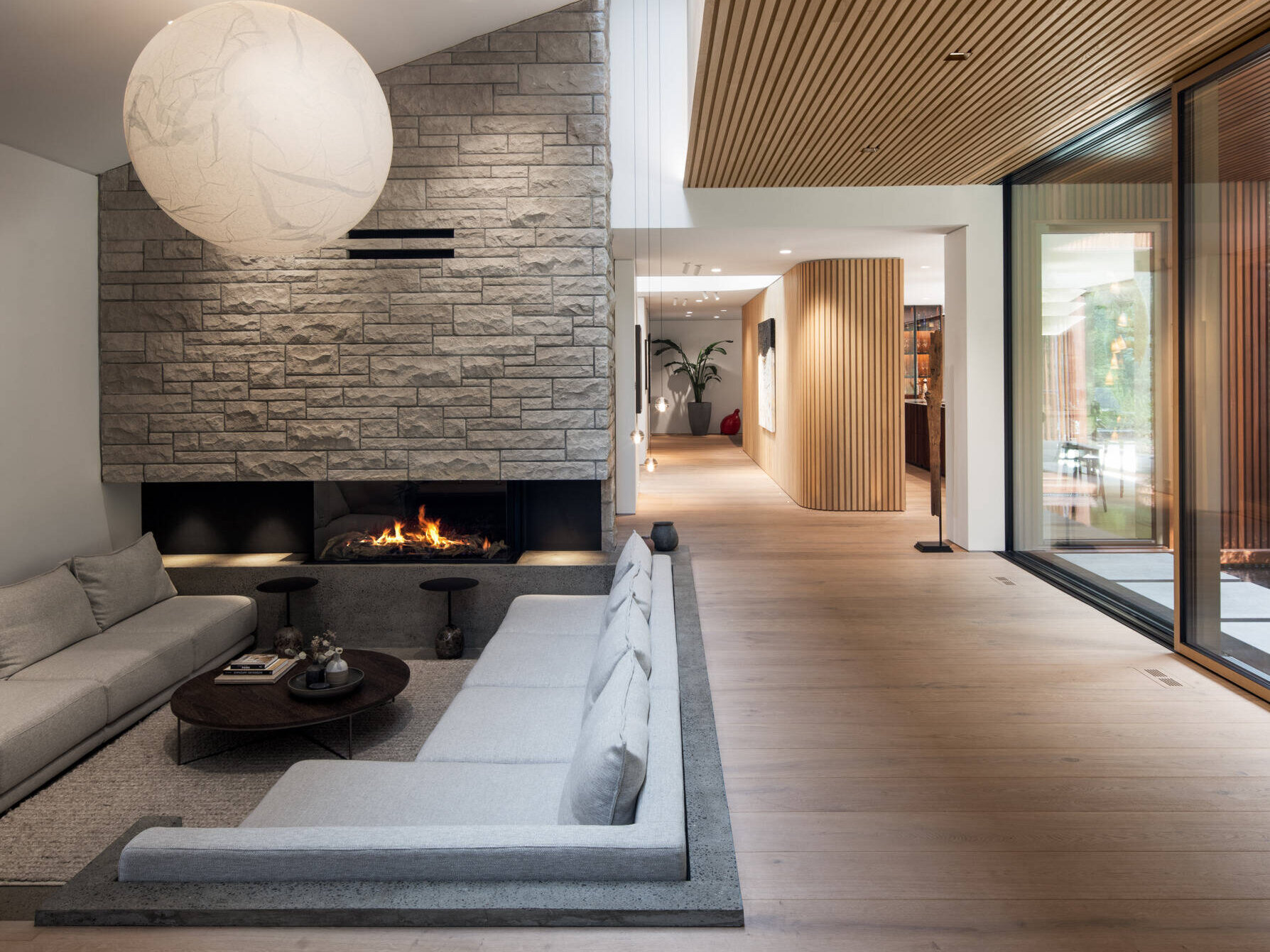
A hallmark of the Bowie influence is the deliberate use of unrefined, high-quality materials. Where previous modernists might have opted for polished chrome and synthetic composites, Bowie’s influence has pushed the industry toward honed stone, reclaimed timber, and lime-wash plasters.
In 2026, these materials are not merely decorative; they are structural. Bowie advocates for the "honesty of materials," a principle where the grain of the wood or the vein of the marble is celebrated rather than hidden. This shift has significant implications for modern home design, as it encourages homeowners to invest in materials that age gracefully—a concept known as the "patina of time"—rather than those that require frequent replacement to maintain a "new" look.
Spatial Fluidity and the "Zoned" Floor Plan
One of the most practical ways Jennifer Bowie influences modern home design is through the reimagining of the floor plan. For decades, the "open concept" was the gold standard. However, as remote work and multi-generational living became permanent fixtures of the 2020s, the flaws of completely open spaces—such as noise pollution and a lack of privacy—became apparent.
Bowie introduced the "fluid boundary" concept. Instead of solid walls, her designs use architectural elements like double-sided fireplaces, varying floor levels, and internal glass partitions to define spaces. This allows light to travel through the entire footprint of the home while providing the acoustic and visual separation necessary for modern life.
The Role of Natural Light and Biophilia
Bowie’s influence extends to how modern homes interact with their environment. She is a vocal proponent of biophilic design, which integrates natural elements into the built environment to improve occupant health and well-being. In her projects, windows are not just openings; they are "framed vistas."
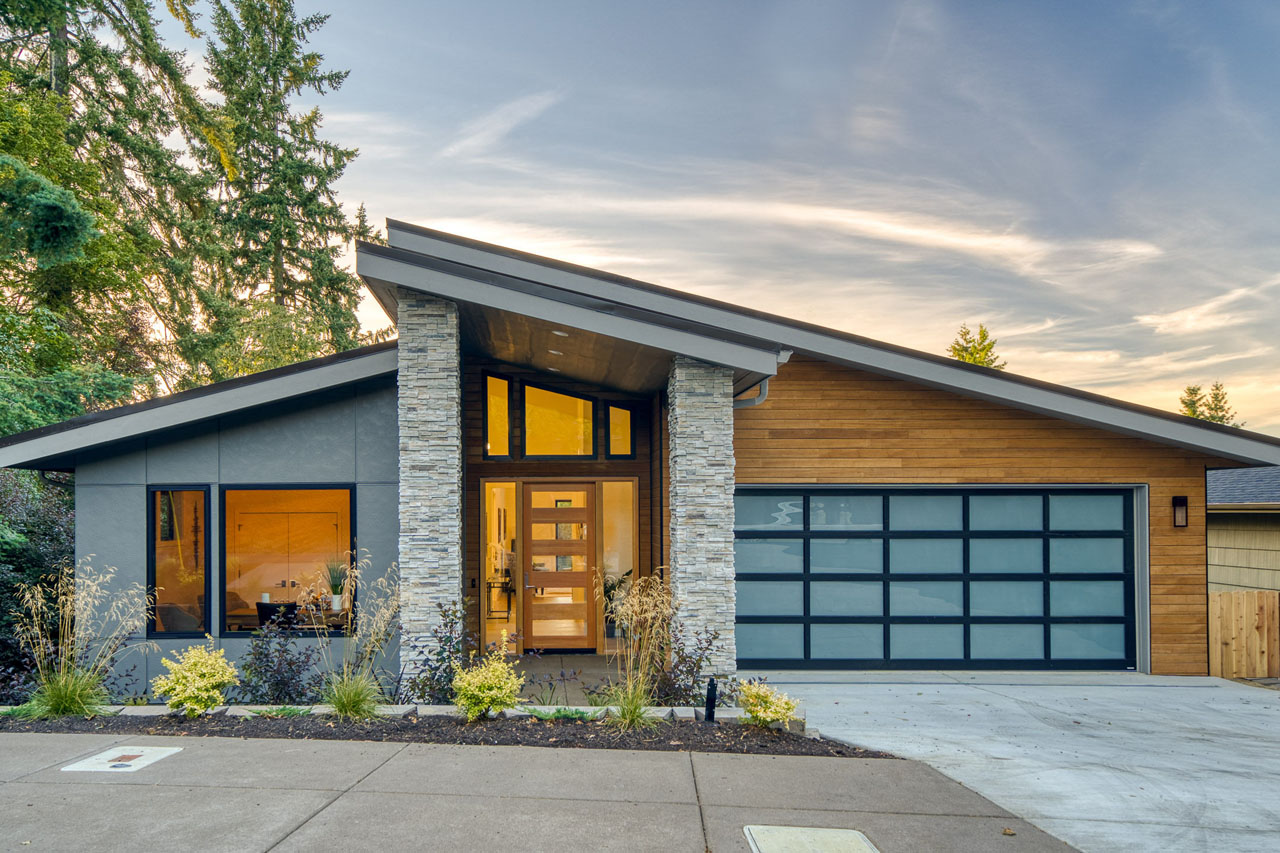
In 2026, modern home design frequently features "disappearing walls"—large-scale sliding glass systems that erase the distinction between indoor and outdoor living. Bowie’s specific contribution to this trend is the insistence on "seasonal light mapping," where the home’s orientation and window placement are designed to capture the specific quality of light at different times of the year, reducing the need for artificial lighting and improving the home's energy efficiency.
Comparing Design Eras: The Bowie Impact
To see the tangible shift in the industry, it is helpful to compare the standard modernism of the previous decade with the contemporary standards influenced by Jennifer Bowie.
| Design Element | Traditional Modernism (2010-2020) | Bowie-Influenced Modernism (2026) |
|---|---|---|
| Color Palette | Monochromatic (Grays, Whites, Blacks) | Earth-Toned (Ochre, Sage, Terracotta, Sand) |
| Primary Materials | Steel, Polished Concrete, Glass | Travertine, White Oak, Textured Plaster |
| Layout Focus | Maximum Openness | Zoned Functionality & Privacy Pockets |
| Tech Integration | Visible Gadgetry & Panels | "Invisible" Smart Tech & Hidden Hubs |
| Furniture Style | Sharp Angles, Low Profiles | Organic Curves, High-Texture Fabrics |
| Sustainability | Add-on Features (Solar Panels) | Passive Design & Low-Carbon Materials |
Sustainable Luxury and the "Low-Carbon" Aesthetic
Jennifer Bowie influences modern home design by proving that sustainability and luxury are not mutually exclusive. By 2026, the "green" home has evolved from a niche interest into a standard requirement for high-end residential projects. Bowie’s influence is particularly evident in the adoption of Passive House principles within custom home builds.
Her approach focuses on:
- High-Performance Envelopes: Using advanced insulation and air-sealing techniques to maintain a stable internal climate without heavy reliance on HVAC systems.
- Local Sourcing: Reducing the carbon footprint of a build by utilizing stone from local quarries and timber from regional forests.
- Longevity as Sustainability: Designing homes that are built to last for centuries, not decades. This "slow design" movement reduces the environmental impact of demolition and reconstruction.
Bowie’s influence has shifted the market's perception of "luxury" from the acquisition of expensive, imported goods to the appreciation of craftsmanship and environmental stewardship.
The "Quiet Luxury" of Interior Details
Beyond the architecture, Bowie’s influence is felt in the interior styling of modern homes. She popularized the move toward curated minimalism, where every object in a room is chosen for its utility, beauty, and history. This is a direct response to the "fast furniture" trends that dominated the early 2000s.
In 2026, modern interiors influenced by Bowie feature:
- Artisanal Lighting: Moving away from standard recessed cans to sculptural light fixtures that serve as the focal point of a room.
- Tactile Walls: The use of Venetian plaster, clay paint, or fabric wallcoverings to add depth and warmth to flat surfaces.
- Integrated Storage: "Hidden" cabinetry that blends seamlessly into the walls, reducing visual clutter and emphasizing the architectural lines of the room.
Technical Execution: Lighting and Smart Integration
A significant technical aspect of how Jennifer Bowie influences modern home design is her approach to "Invisible Technology." In 2026, a truly modern home is highly automated, but that technology is rarely seen. Bowie advocates for the removal of "wall acne"—the clutter of switches, thermostats, and control panels.
Instead, her designs utilize centralized smart hubs and voice- or gesture-controlled systems integrated directly into the architectural fabric. Lighting is another area of technical mastery. Bowie’s influence has led to the widespread use of circadian lighting systems in residential design. These systems adjust the color temperature and intensity of artificial light throughout the day to mimic the natural solar cycle, supporting the occupants' sleep patterns and overall health.
Challenges and Considerations in Adopting the Bowie Style
While the influence of Jennifer Bowie on modern home design is overwhelmingly positive, implementing these principles requires a high level of expertise and a significant initial investment.
One of the primary challenges is the cost of materials. High-quality, natural materials like hand-hewn stone or custom-milled oak are significantly more expensive than their synthetic counterparts. Furthermore, the "skilled labor" required to install lime plaster or intricate stone joinery is in high demand and short supply.
Additionally, the "Warm Minimalist" look requires a high degree of discipline from the homeowner. Because the design relies on clean lines and a lack of clutter, the home must be maintained with a focus on organization. For families with young children or pets, this often necessitates the inclusion of "hidden utility" spaces—expansive mudrooms and storage areas that allow the main living spaces to remain pristine.
Frequently Asked Questions
What is the core difference between Jennifer Bowie’s style and standard minimalism?
Standard minimalism often focuses on the absence of objects and can feel cold or impersonal. Jennifer Bowie’s "Warm Minimalism" focuses on the quality of what is present. It uses texture, organic shapes, and warm earth tones to ensure that a minimalist space feels inviting and lived-in rather than sterile.
How does Jennifer Bowie influence the sustainability of modern homes?
She promotes "Slow Design" and the use of low-carbon, natural materials. By focusing on passive solar gain, high-performance insulation, and locally sourced materials, her influence has made energy efficiency a fundamental part of the aesthetic rather than just a technical requirement.
Can the "Bowie influence" be applied to smaller urban apartments?
Yes. Her principles of "zoned living" and "integrated storage" are particularly effective in small spaces. By using multifunctional furniture and "invisible" storage solutions, small urban homes can achieve the same sense of spatial fluidity and calm that her larger residential projects are known for.
Why is lighting so central to her design influence?
Bowie views light as a building material. Her influence has pushed designers to move beyond simple illumination and toward "light layering." This involves combining natural light, task lighting, and ambient sculptural lighting to create depth and mood, which is essential for the "Warm Modernist" aesthetic.
Is the Jennifer Bowie style more expensive to build?
Generally, yes. Because it prioritizes authentic, natural materials and artisanal craftsmanship over mass-produced finishes, the initial construction or renovation costs are higher. However, the focus on durability and energy efficiency often results in lower long-term maintenance and utility costs.
Final Recommendation for Homeowners and Designers
To successfully incorporate the principles of Jennifer Bowie into a project in 2026, start with materiality. Prioritize the "bones" of the home—the floors, walls, and windows—over trendy furniture or decor. Investing in high-quality, natural materials like white oak and textured plaster will provide a timeless foundation that embodies the "Warm Modernist" spirit.
Additionally, reconsider the layout of your space. Instead of a purely open plan, look for ways to create "anchors" within a room using lighting or furniture placement to define different functions. By focusing on the intersection of comfort, sustainability, and architectural integrity, you can create a space that reflects the sophisticated, grounded influence that Jennifer Bowie has brought to the forefront of modern home design.
Image Gallery