A Comprehensive Guide to On and Off-Site Shredding Services for Business Security
Choosing between on-site and off-site shredding services depends on your organization’s need for immediate visual verification versus the potential cost-effectiveness of bulk, high-volume processing. Both methods ensure data destructio...
Choosing between on-site and off-site shredding services depends on your organization’s need for immediate visual verification versus the potential cost-effectiveness of bulk, high-volume processing. Both methods ensure data destruction compliance under federal and state privacy laws, but they differ significantly in operational logistics, chain of custody, and the degree of oversight your staff can exercise during the destruction process.
Contents
Understanding the Core Distinction
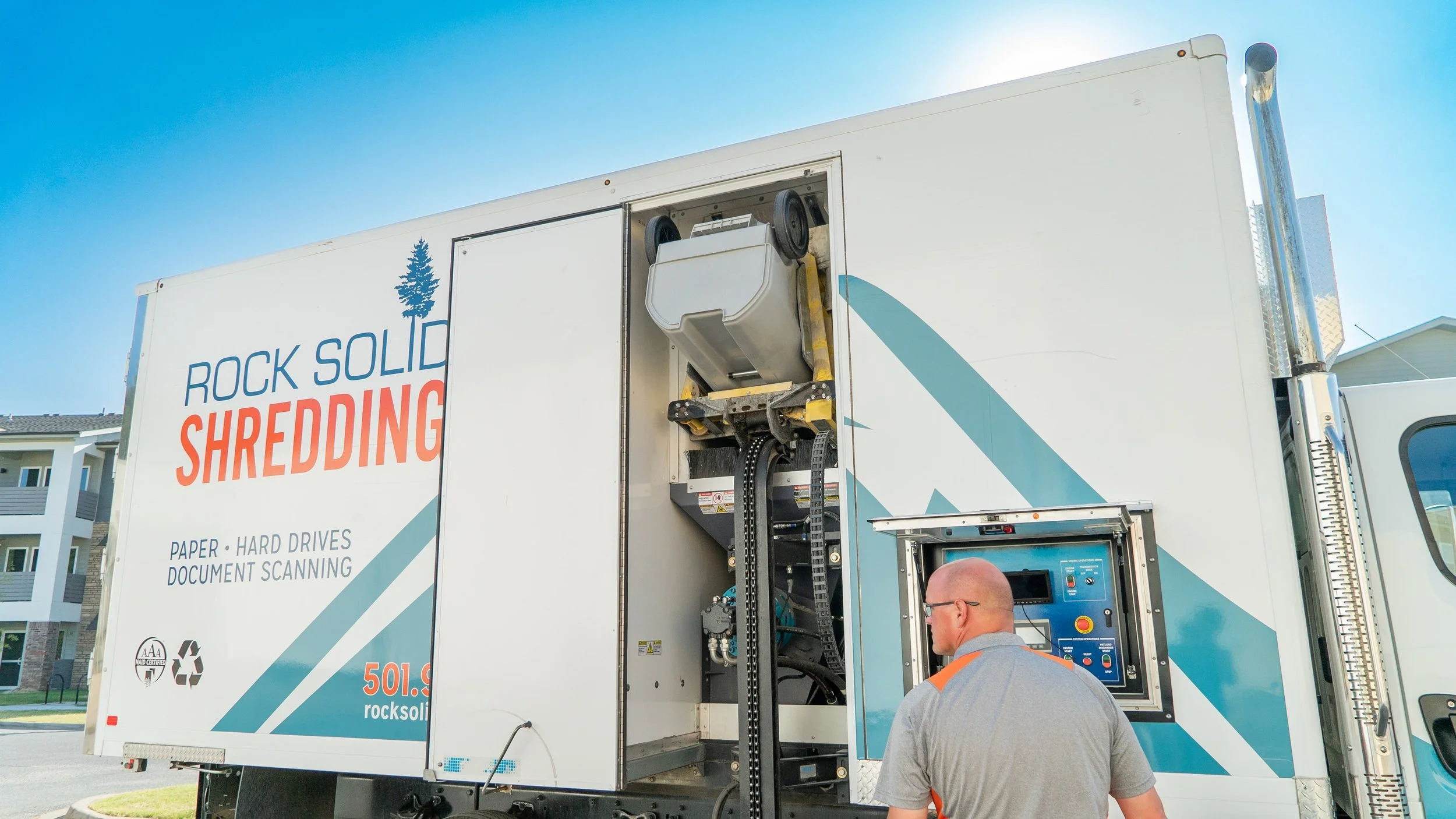
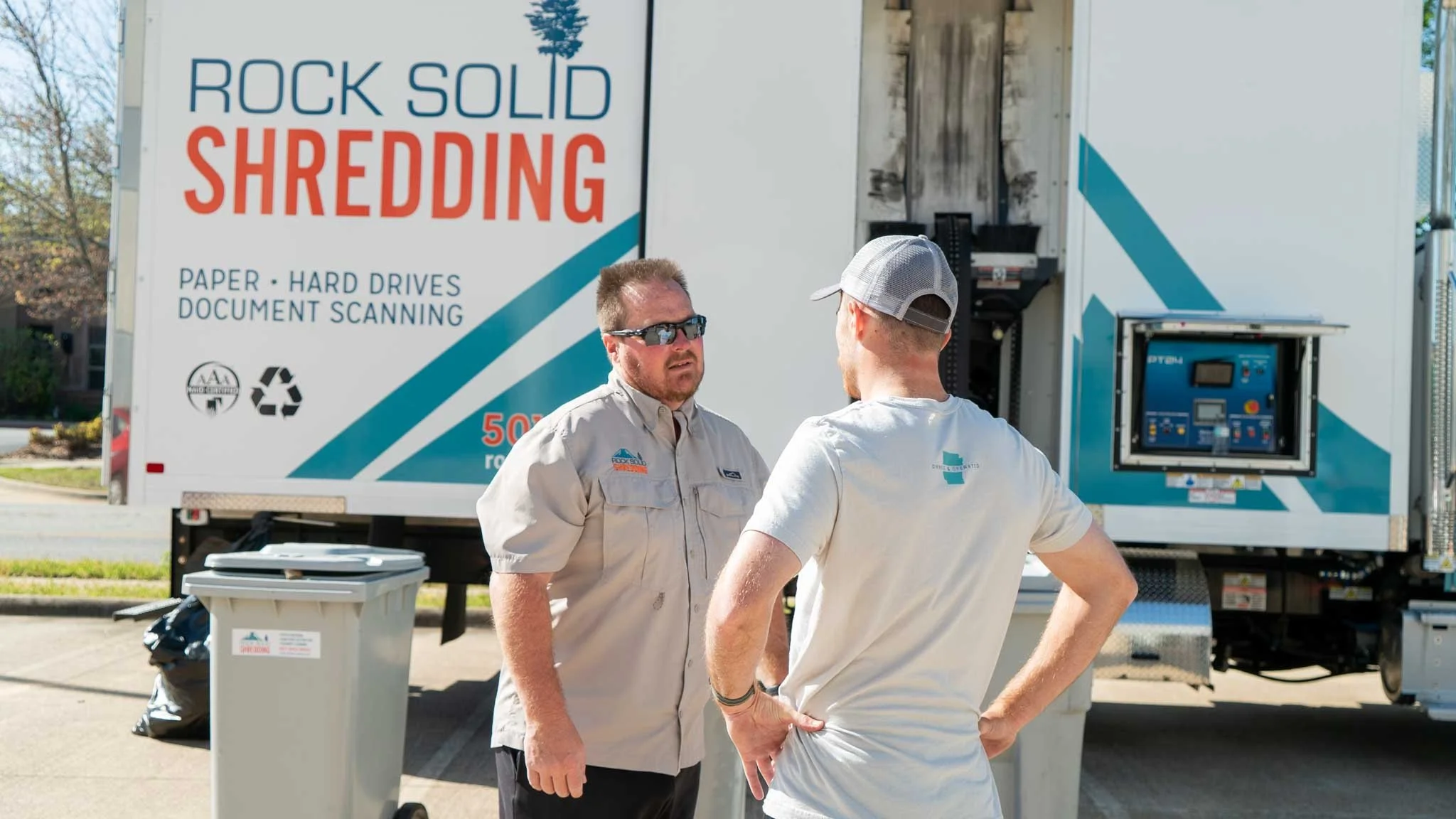
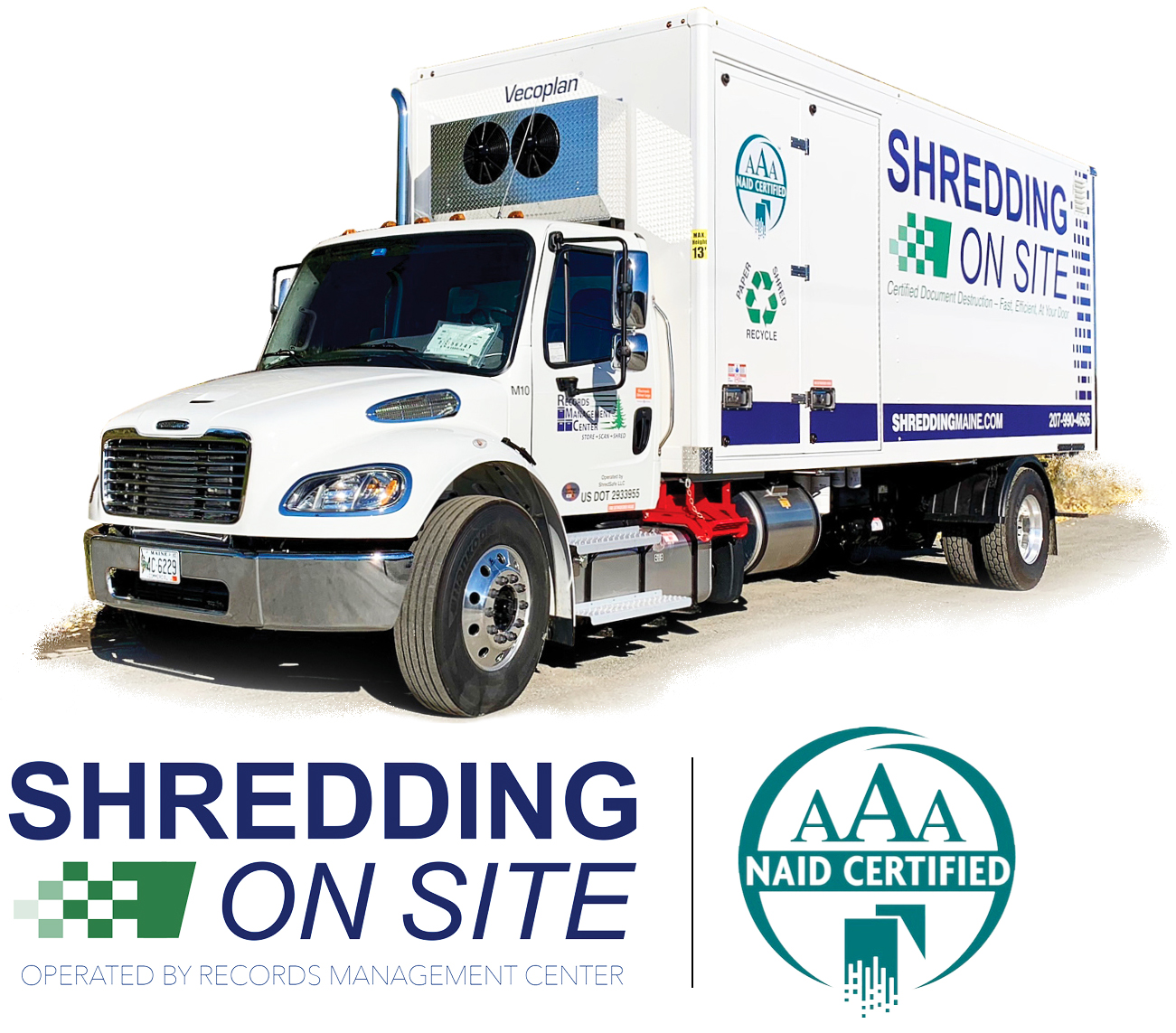
The primary difference between on-site and off-site shredding lies in the location of the equipment and the point of destruction. On-site shredding, often referred to as mobile shredding, utilizes a high-capacity industrial shredder mounted inside a specialized truck that travels to your facility. Your sensitive documents are destroyed before the vehicle leaves your premises, allowing for real-time observation.
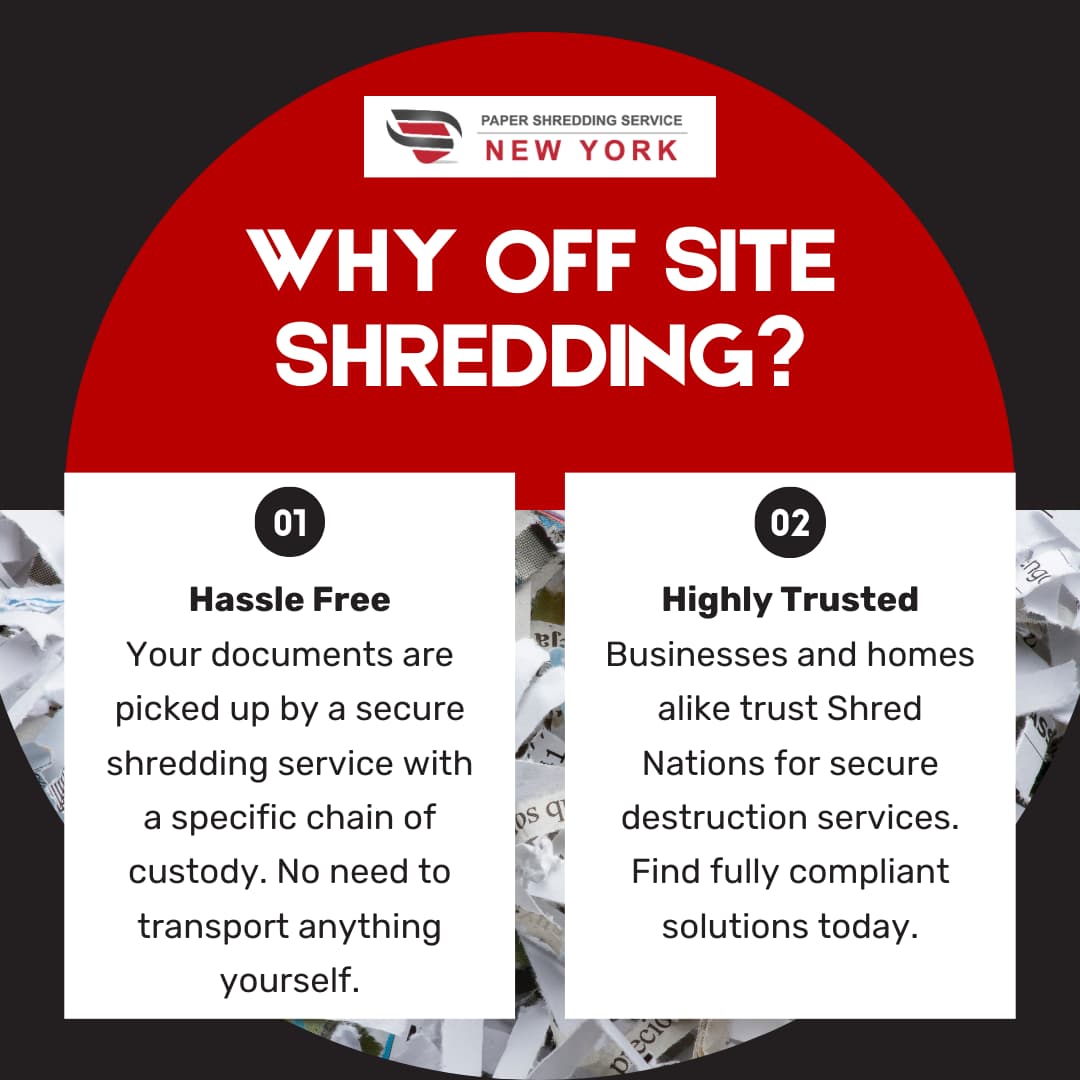
Off-site shredding involves a logistics-focused approach. A secure, locked vehicle collects your materials from your office and transports them to a dedicated, climate-controlled, and high-security facility. The destruction occurs at this central site, often involving larger stationary industrial shredders that can process massive volumes of paper faster than mobile units. Both methods are designed to meet the rigorous requirements of data protection regulations such as the Health Insurance Portability and Accountability Act (HIPAA), the Fair and Accurate Credit Transactions Act (FACTA), and the Gramm-Leach-Bliley Act (GLBA).
On-Site Shredding: The Case for Immediate Verification
For many companies, the primary advantage of on-site shredding is the ability to witness the destruction process. This method removes the "transportation gap," where paper is moved from your office to a truck and subsequently to a plant. By keeping the entire chain of custody confined to your parking lot, you minimize potential exposure risks.
Operational Workflow
- Container Placement: A service provider installs secure, locked consoles or bins throughout your office.
- Collection: On a scheduled date, a technician collects the materials, keeping them in locked security bins.
- Destruction: The technician feeds the documents into the mobile shredding unit parked directly outside.
- Verification: Clients are often permitted to watch the shredding process via a video monitor on the truck or by walking to the loading bay.
- Documentation: The provider issues a Certificate of Destruction (COD) immediately upon the completion of the job, which serves as your legal documentation for regulatory compliance audits.
Off-Site Shredding: Efficiency at Scale
Off-site shredding is frequently chosen by large corporations, law firms, and medical facilities that generate high volumes of records—such as annual file purges or box-store liquidations—that would take an excessive amount of time for a mobile truck to process on-site.
The Security of Transport
A common misconception is that off-site shredding is inherently less secure than mobile services. In reality, reputable providers adhere to strict chain-of-custody protocols. Once your documents are placed in secure, tamper-evident bins, they are locked, tracked, and transported in GPS-monitored vehicles directly to a facility that typically features 24/7 video surveillance, alarm systems, and restricted employee access.
Benefits of Off-Site Processing
- Higher Throughput: Stationary shredders at an industrial plant have significantly larger feed openings and motor capacities, allowing them to destroy thousands of pounds of paper in minutes.
- Cost Efficiency: Because the shredder does not have to travel to your site and idle while operators handle paper, the service is often priced lower for large projects.
- Facility Security: Processing plants are specifically engineered to prevent unauthorized access, often providing a higher baseline of security than a vehicle parked on a public or semi-private street.
Comparative Analysis: Choosing the Right Method
The decision between these two services rests on your organization’s risk appetite, the volume of material, and budget constraints.
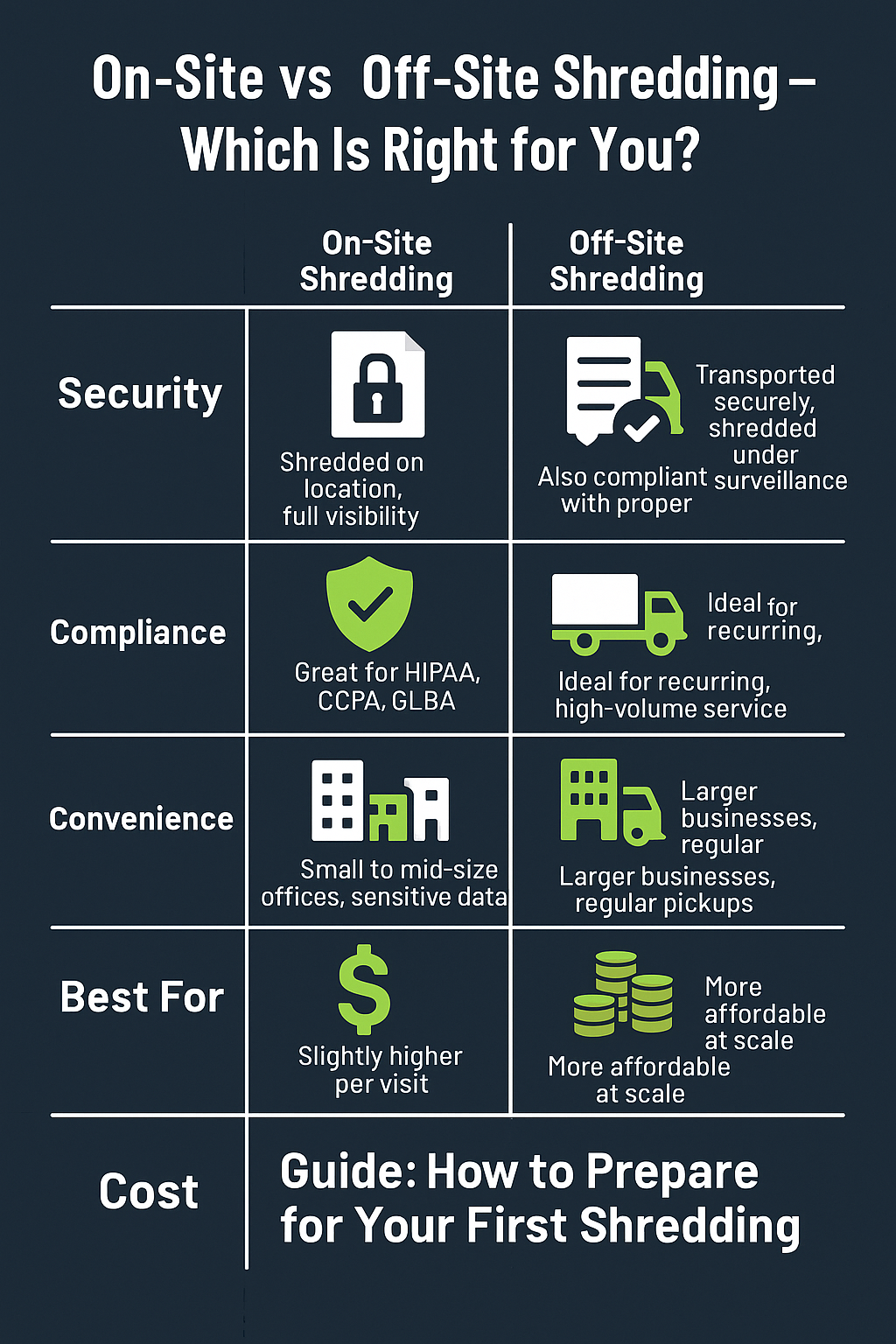
| Feature | On-Site (Mobile) Shredding | Off-Site (Plant) Shredding |
|---|---|---|
| Observation | Possible (witness destruction) | Not possible (facility restricted) |
| Speed/Volume | Moderate; ideal for weekly service | High; ideal for large purges |
| Transport Risk | Eliminated (destruction on-site) | Minimized (secured/tracked transport) |
| Cost | Typically higher per visit | Typically lower for high volumes |
| Logistics | Requires parking for a large truck | Requires scheduled truck pickup |
Regulatory Compliance and the Certificate of Destruction
Regardless of which method you select, the most important deliverable is the Certificate of Destruction. As of 2026, regulatory bodies emphasize that an organization is responsible for the protection of Personally Identifiable Information (PII) and Protected Health Information (PHI) from the moment of creation until the moment of irreversible destruction.
When auditing your service provider, verify that their Certificate of Destruction contains the following:
- The date of service.
- The specific location of destruction.
- A reference number or tracking identifier for the batch.
- The signature of the technician or facility manager.
- Confirmation that the material was destroyed in a manner compliant with industry standards (e.g., NAID AAA Certification).
Common Mistakes to Avoid
- Ignoring "Purge" Needs: Many businesses only subscribe to recurring shredding services and forget to schedule one-time purges. Keeping old tax records or employee files in storage for years increases your liability; audit your storage areas annually.
- Failure to Verify Certification: Never assume a vendor is secure. Look for certifications from recognized bodies such as the National Association for Information Destruction (NAID). These certifications mandate regular, unannounced third-party audits of the vendor’s facilities and processes.
- Mixing Media: Some shredders cannot handle hard drives, magnetic tapes, or heavy plastic binders. Always communicate with your provider about non-paper items to ensure they have the proper equipment to handle mixed media.
Frequently Asked Questions
Does off-site shredding mean my documents sit in a warehouse? No. Reputable providers maintain a "no-touch" workflow where bins remain locked until they reach the industrial shredder. Modern facilities are designed for immediate processing, meaning your documents typically move directly from the secure truck to the shredder without being stored in a general warehouse area.
Is it safer to use an on-site service to meet HIPAA requirements? HIPAA does not mandate one specific method over the other; it mandates that you take "reasonable and appropriate" steps to protect PHI. If you can provide a valid Certificate of Destruction and verify the security protocols of an off-site facility, you remain fully compliant.
How do I handle the destruction of electronic media? If you have hard drives, solid-state drives, or USB sticks, confirm your provider offers specialized e-media destruction. This usually involves physical shredding or degaussing. Do not place these items in standard paper-shredding bins, as they can damage the equipment.
What happens to the paper after it is shredded? In almost all modern shredding operations, the shredded material—referred to as "cross-cut" or "strip-cut" confetti—is baled and sent directly to paper recycling mills. By choosing a certified vendor, you are usually ensuring that your data is destroyed and the remnants are recycled in an environmentally conscious manner.
Can I stop the truck driver and watch them work? Yes, if you have opted for on-site (mobile) shredding. Most mobile shredding trucks have a camera system that displays the destruction process on a screen for the client to watch. If a provider refuses to let you witness the process or provides no mechanism for verification, you should consider finding a new vendor.
Recommended Next Actions
Before contracting a provider in 2026, conduct a document audit to determine the volume of sensitive waste currently stored in your facility. Request an on-site assessment from a NAID-certified provider to determine if your volume warrants the convenience of mobile shredding or the efficiency of off-site plant service. Finally, ensure your written data retention policy explicitly states the timeline for when records transition from "active" to "to-be-shredded" to minimize your physical data footprint.
Image Gallery