How to Handle Black Mold Remediation in Woodstock
Addressing black mold, technically known as Stachybotrys chartarum, requires a systematic and cautious approach to ensure both the structural integrity of your home in Woodstock and the health of its occupants. Remediation involves ide...
Addressing black mold, technically known as Stachybotrys chartarum, requires a systematic and cautious approach to ensure both the structural integrity of your home in Woodstock and the health of its occupants. Remediation involves identifying the moisture source, safely containing the affected area, removing the contaminated materials, and implementing preventative measures to stop future growth. Because Woodstock—whether referring to the city in Georgia, New York, or Illinois—features varying humidity levels and seasonal climate shifts, managing indoor moisture is a critical component of long-term property maintenance.
Contents
Understanding the Scope of Mold Contamination
Before beginning remediation, you must determine if the contamination is manageable as a DIY project or if it necessitates professional intervention. According to the United States Environmental Protection Agency (EPA), mold growth that covers an area greater than 10 square feet typically requires the expertise of a professional mold remediation specialist.
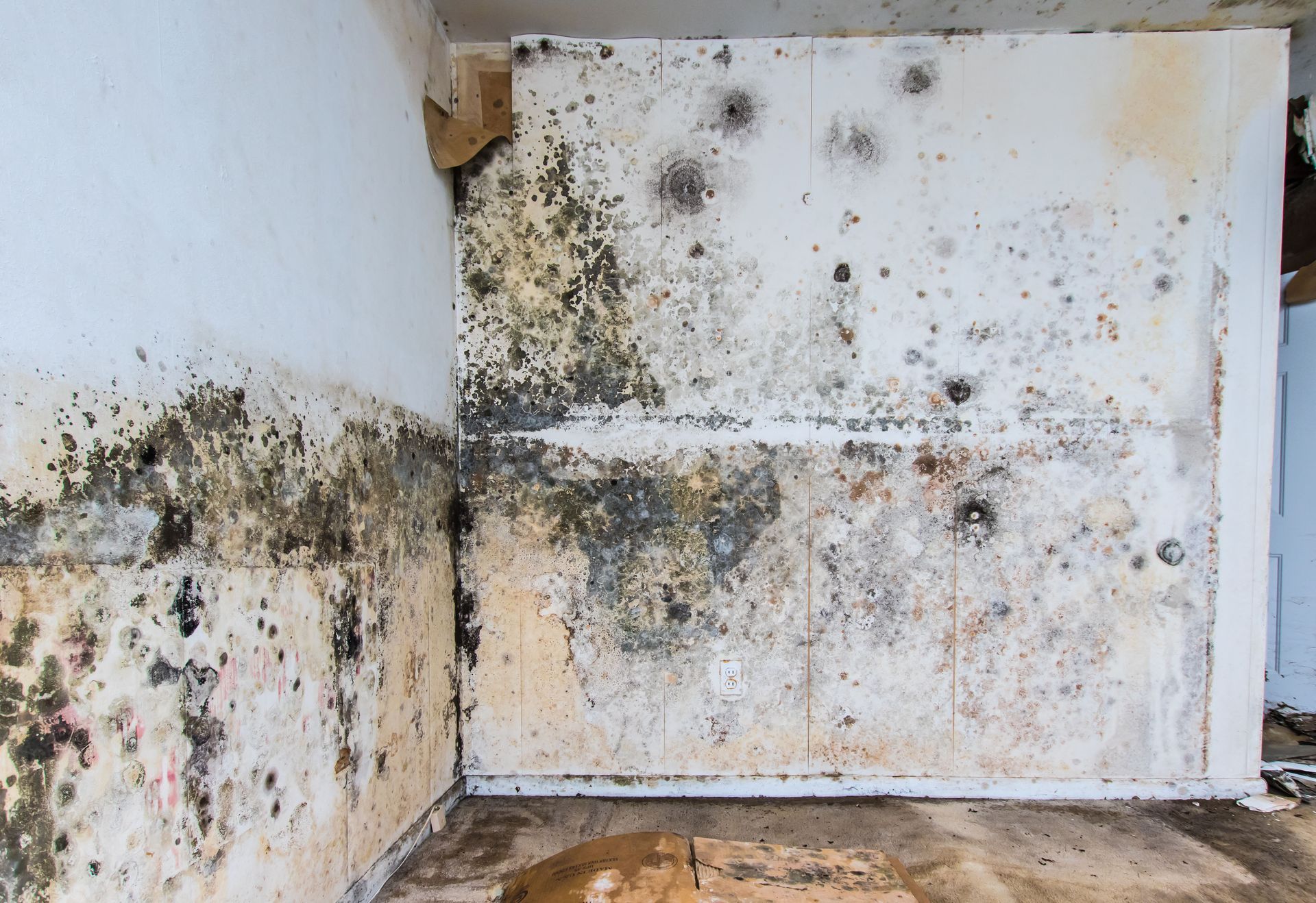
Black mold thrives in damp, humid environments where cellulose-based materials are present. These materials include drywall, ceiling tiles, wood framing, and insulation. If you notice a persistent musty odor or visible patches of dark, slimy, or soot-like growth, the infestation may have already penetrated porous surfaces, meaning simple surface cleaning will be ineffective.
When to Call a Professional
If your home’s mold issue involves HVAC systems, large-scale structural damage, or was caused by contaminated water (such as sewage backups), do not attempt remediation yourself. Professionals possess specialized equipment like High-Efficiency Particulate Air (HEPA) vacuums, industrial dehumidifiers, and biocides that are not available to the average homeowner. Furthermore, they are trained to handle hidden mold growth within wall cavities, which often requires invasive inspection techniques.
Safety Protocols and Personal Protective Equipment (PPE)
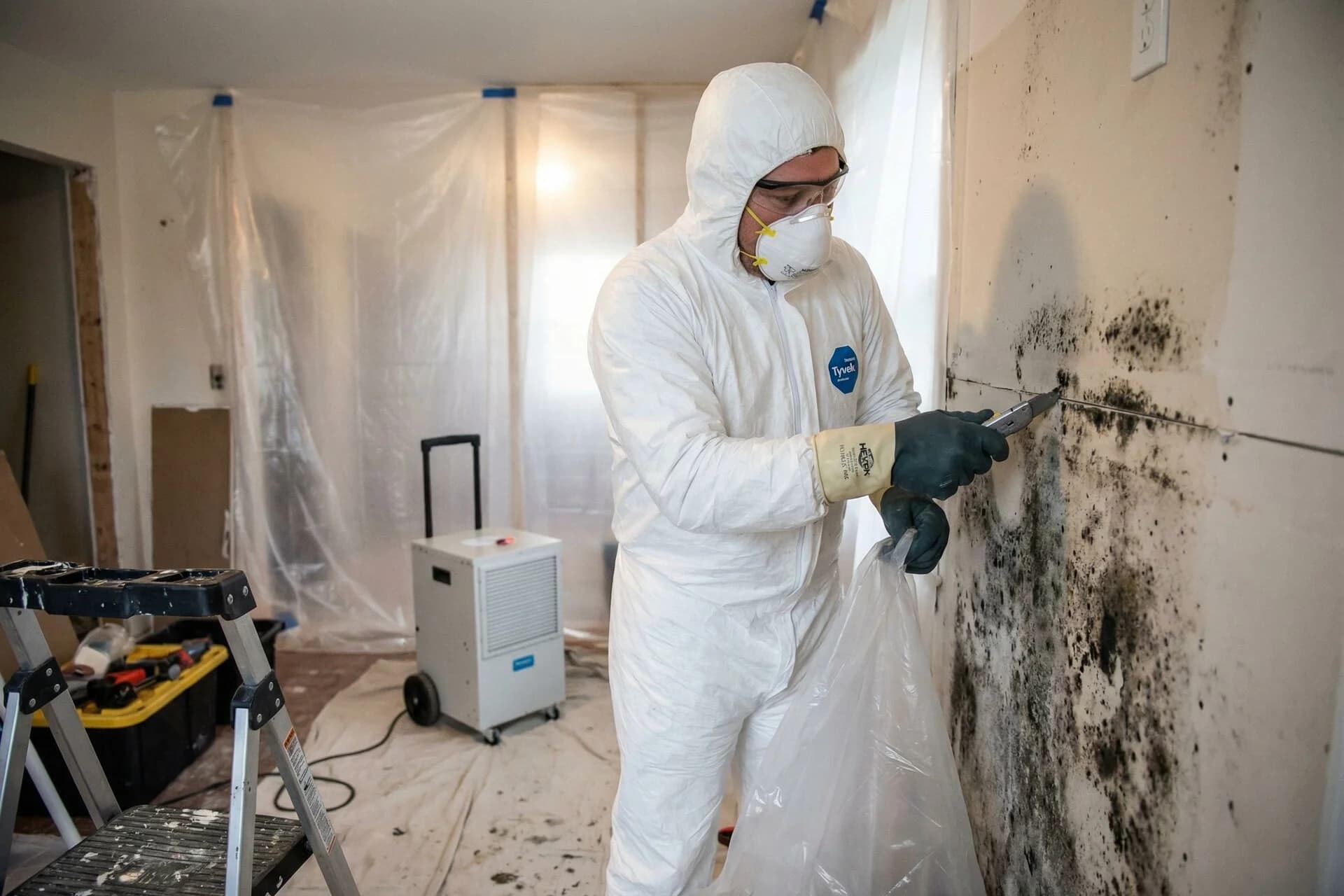
Safety is the absolute priority when dealing with mold spores, which can cause respiratory irritation, allergic reactions, or more severe health complications in sensitive individuals. Before touching any contaminated material, ensure you are properly equipped.
- Respiratory Protection: Use an N-95 respirator at a minimum. This is essential to prevent the inhalation of airborne mold spores that become dislodged during the cleaning process.
- Skin and Eye Protection: Wear non-porous gloves that extend to the middle of the forearm. Use goggles that do not have ventilation holes to ensure no spores reach your eyes.
- Protective Clothing: Disposable coveralls are recommended to prevent spores from clinging to your regular clothing and being tracked into other parts of the house.
Step-by-Step Remediation Process
If the affected area is small and the mold is limited to non-porous or semi-porous surfaces, follow these professional-standard steps to mitigate the spread.
1. Containment of the Work Area
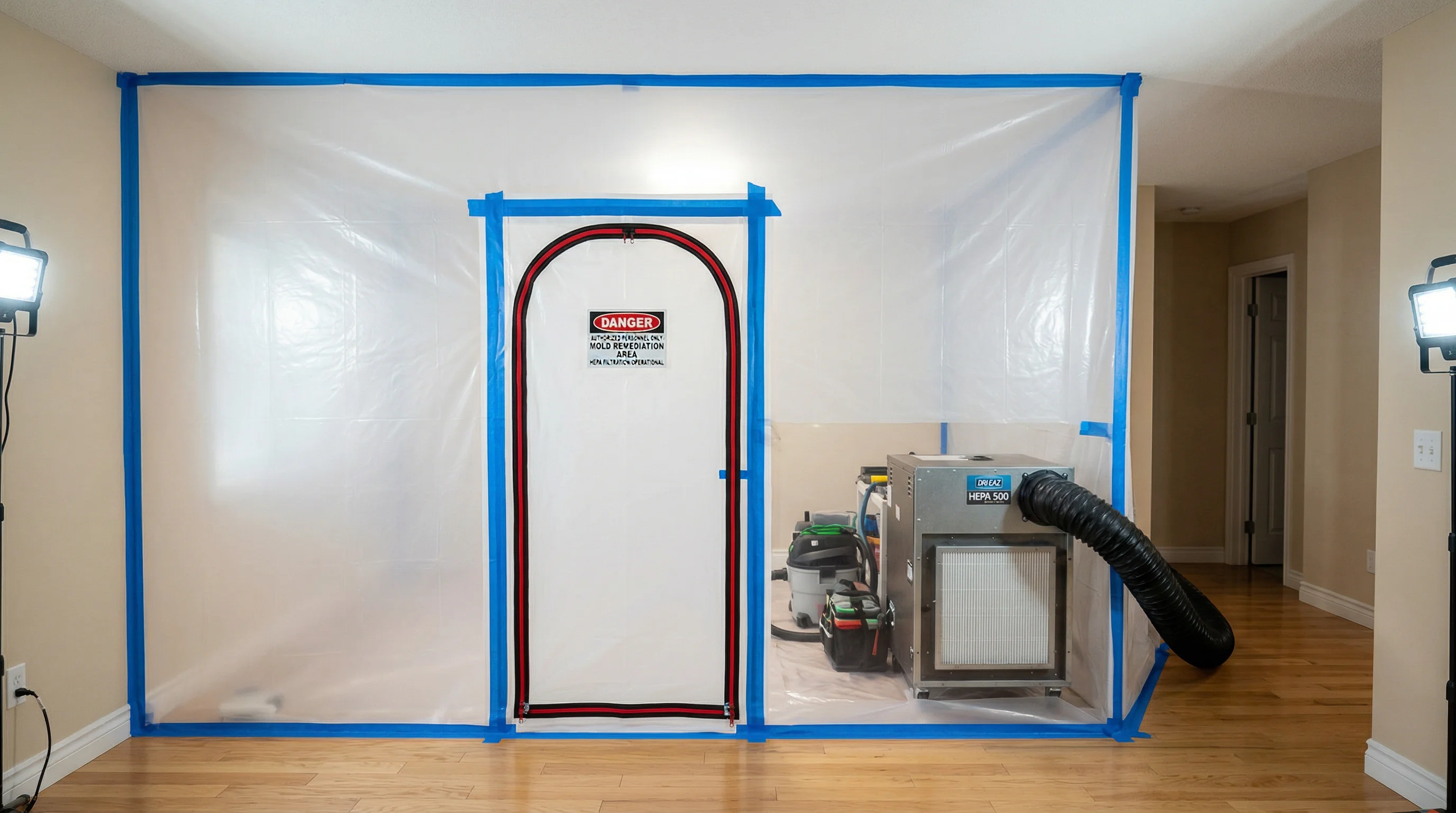
To prevent cross-contamination, seal off the area where the mold is located. Use 6-mil polyethylene plastic sheeting to cover doorways and vents. Creating a "negative air" environment by placing a box fan in a window—exhausting air to the outside—can help ensure that spores are pulled away from the rest of the living space during the cleaning process.
2. Moisture Source Elimination
Mold cannot survive without moisture. Identify the source of the leak, condensation, or high humidity. This might involve repairing a leaky roof, fixing plumbing failures, or installing a high-capacity dehumidifier in a basement or crawlspace. If you do not resolve the underlying moisture problem, the mold will inevitably return, regardless of how thoroughly you clean the surface.
3. Removal of Porous Materials
Porous materials, such as drywall, carpeting, and ceiling tiles that have become wet and moldy, cannot be fully cleaned. They must be removed and discarded. Place these items in heavy-duty plastic bags, seal them tightly, and dispose of them according to local Woodstock waste disposal regulations.
4. Cleaning Non-Porous Surfaces
Hard surfaces like metal, glass, or solid wood can often be cleaned. Use a mixture of soap and water or a commercial mold-cleaning solution. Scrub the area thoroughly. Avoid using bleach, as it does not effectively kill mold on porous surfaces and can cause the mold to release more spores in a defensive mechanism. Ensure the area is completely dried after cleaning.
Comparison of Remediation Methods
| Method | Best Use Case | Efficacy | Risk Level |
|---|---|---|---|
| HEPA Vacuuming | Dry, loose spores on surfaces | High | Low |
| Damp Wiping | Non-porous surfaces (glass/metal) | Moderate | Low |
| Material Removal | Porous, soaked materials (drywall) | Very High | Moderate |
| Biocide Treatment | Specialized surface decontamination | High | High (Requires Training) |
Maintenance and Prevention in Woodstock’s Climate
Woodstock’s local climate, characterized by varying levels of seasonal humidity, makes moisture control a perpetual task. To prevent recurring black mold, follow these ongoing maintenance practices:
- Monitor Indoor Humidity: Maintain indoor relative humidity between 30% and 50%. A simple hygrometer can help you track these levels accurately.
- Improve Ventilation: Ensure that bathrooms, kitchens, and laundry rooms are properly ventilated to the outdoors. Run exhaust fans during and after showers or cooking.
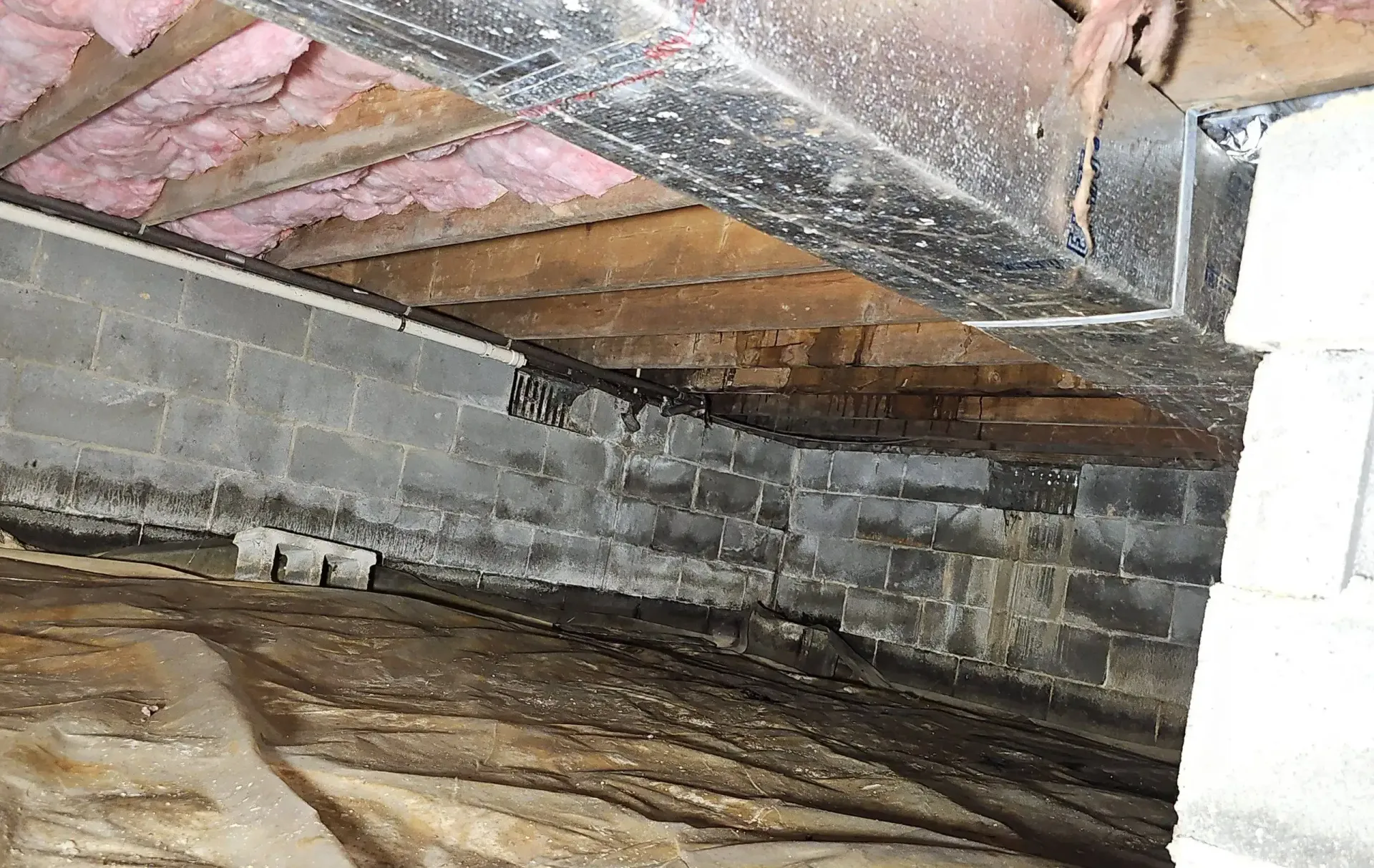
- Inspect Regularly: Conduct semi-annual inspections of attics, basements, and crawlspaces. Look for water stains on ceilings or dampness around plumbing fixtures.
- Direct Water Away: Ensure that your home’s downspouts are extended away from the foundation and that the grading of your yard prevents water from pooling against the exterior walls.
Frequently Asked Questions
Can I use bleach to kill black mold on drywall? No. Bleach is largely ineffective at killing mold roots in porous materials like drywall. The water content in bleach can actually feed the mold, and its harsh fumes can cause respiratory distress. It is safer and more effective to remove and replace moldy drywall.
How do I know if I have a mold allergy? Common symptoms of mold exposure include sneezing, runny nose, red eyes, and skin rashes. If you experience these symptoms consistently when you are at home but they subside when you are away, you may be experiencing a reaction to indoor air quality issues. Consult a medical professional for testing.
Is it safe to live in a house with black mold? If the mold colony is extensive, it is not recommended to live in the affected area until it is professionally remediated. Exposure to high concentrations of Stachybotrys can pose health risks to occupants, particularly those with asthma or compromised immune systems.
How much does professional mold remediation cost? Costs vary significantly based on the size of the infestation and the complexity of the repairs. In 2026, minor professional interventions might cost a few hundred dollars, while full-scale basement or structural remediation can reach several thousand dollars. Always obtain at least three written estimates.
Does homeowners insurance cover mold removal? Coverage depends on the cause of the mold. If the mold is the result of a sudden, accidental peril—such as a burst pipe—it may be covered. However, if the mold resulted from long-term neglect, flooding, or maintenance issues, it is typically excluded from standard policies. Check your specific policy language.
Final Recommendation
Your primary goal should be the immediate cessation of moisture infiltration. If you are handling a small, localized area, follow the containment and disposal steps outlined above with strict adherence to respiratory protection. If the mold covers a large area, is located in your HVAC system, or continues to return after your best efforts, consult a local licensed mold remediation professional in Woodstock to prevent further damage to your property and health.
Image Gallery