Why the Royal Family Balcony at Buckingham Palace Matters
The Buckingham Palace balcony serves as the ultimate stage for the British Monarchy, functioning as the primary physical link between the Sovereign and the public. It is a symbol of national unity, a platform for celebrating milestones...
The Buckingham Palace balcony serves as the ultimate stage for the British Monarchy, functioning as the primary physical link between the Sovereign and the public. It is a symbol of national unity, a platform for celebrating milestones, and a visual representation of the institution’s current hierarchy and future direction.
Contents
In 2026, the image of the Royal Family gathered on the East Front of Buckingham Palace remains one of the most recognizable sights in the world. While the palace itself contains 775 rooms, it is this single outdoor platform that defines the public’s perception of the Crown. The balcony is not merely a piece of architecture; it is a carefully curated theatre where history is made, succession is signaled, and the relationship between the British people and their leaders is reaffirmed. Understanding why this specific location matters requires looking at its historical origins, its role in constitutional branding, and the strict protocols that dictate who is allowed to step onto those famous floorboards.
A Stage for the Centuries: The Origin of the Balcony Appearance
The tradition of the balcony appearance is relatively modern compared to the thousand-year history of the British Monarchy. It was Queen Victoria who first utilized the balcony for public engagement during the opening of the Great Exhibition in 1851. Before this, the relationship between the Monarch and the public was more distant and characterized by formal processions rather than static appearances.
By stepping onto the balcony, Queen Victoria effectively turned Buckingham Palace from a secluded private residence into a focal point of national life. This shift was essential during the 19th century as the role of the Monarch transitioned from a political ruler to a symbolic figurehead. The balcony provided a "window" into the life of the family, allowing the public to witness major life events—weddings, jubilees, and coronations—without the need for thousands of people to gain entry to the palace grounds.
In the decades that followed, the balcony became the setting for moments of profound national emotion. During the relief of the Siege of Mafeking in 1900 and the declaration of peace after World War I, the balcony served as the site where the public looked for reassurance. This tradition was solidified during World War II, most notably on VE Day (Victory in Europe Day) in 1945, when King George VI, Queen Elizabeth (the Queen Mother), and the Princesses Elizabeth and Margaret appeared with Prime Minister Winston Churchill. This moment transformed the balcony into a symbol of resilience and national triumph.
The Architecture of Public Relations: Why Location Matters
The balcony is situated on the East Front of Buckingham Palace, the wing that faces The Mall. Interestingly, this is the newest part of the palace. It was designed by Edward Blore and completed in the late 1840s to provide more room for Queen Victoria’s expanding family. The East Front was later refaced in 1913 by Sir Aston Webb using Portland stone to create the majestic backdrop we see today.
The geographical layout of the balcony is vital to its significance. Because it faces The Mall—a long, straight ceremonial road leading to Trafalgar Square—it allows hundreds of thousands of people to have a direct line of sight to the Monarch. This creates a "stadium" effect where the King and the Royal Family are elevated above the crowds, yet visible enough to be seen with the naked eye or through a camera lens.
From a technical SEO and media perspective, the balcony is a "primary asset" for the Royal Collection Trust and the Palace press office. It is designed to facilitate high-definition broadcasting and photography. The height of the balcony, the lighting provided by the open sky, and the distance from the crowd are all optimized to produce the iconic images that dominate global news cycles. In 2026, as digital media continues to evolve, the "balcony shot" remains the definitive visual proof of a royal event’s success.
The Symbolism of Inclusion and Exclusion
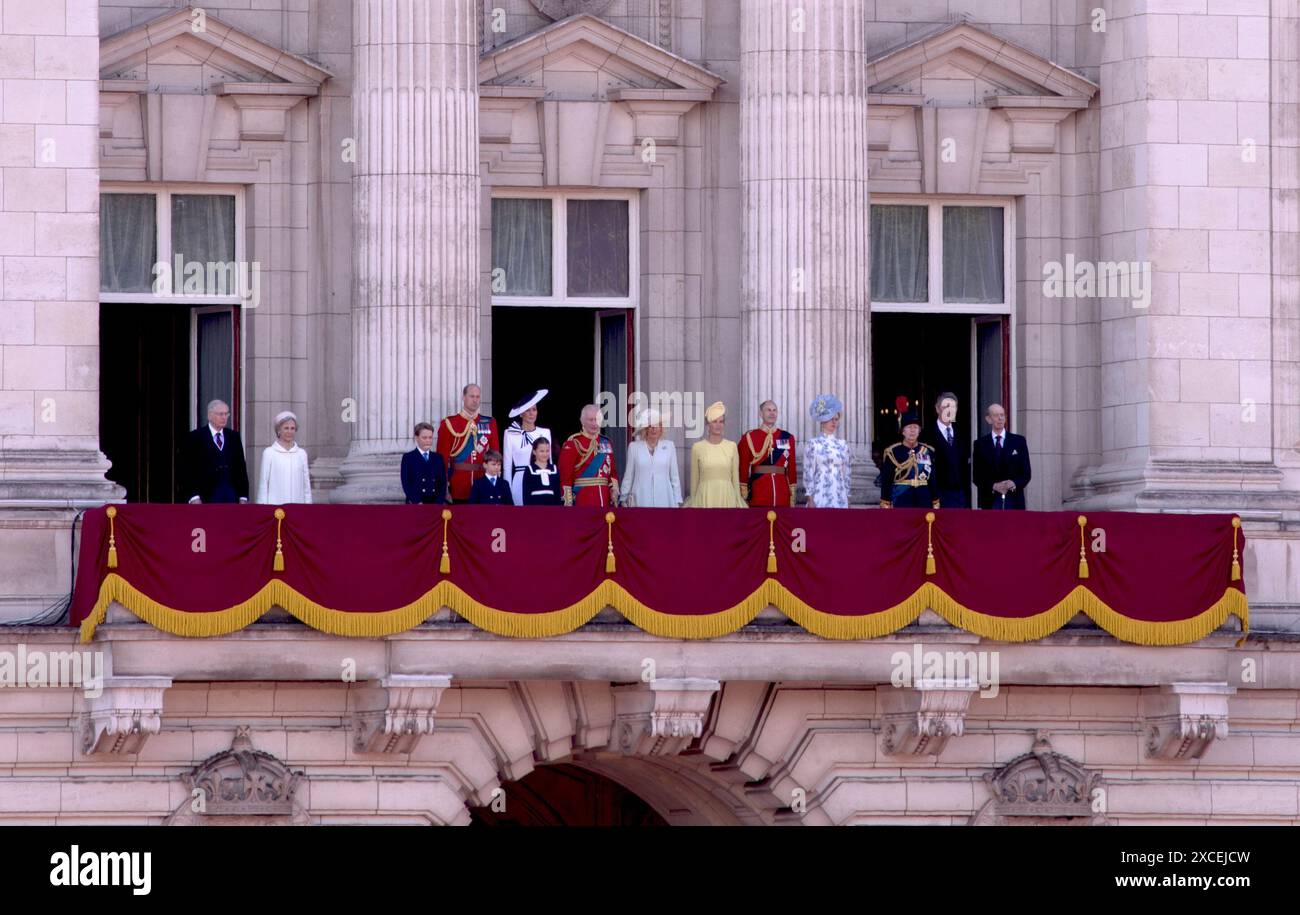
Perhaps the most significant reason the balcony matters in 2026 is its role in defining the "working monarchy." Under the reign of King Charles III, there has been a deliberate shift toward a "slimmed-down" monarchy. The balcony appearance is the most visible way the King communicates who is central to the institution and who has been moved to the periphery.
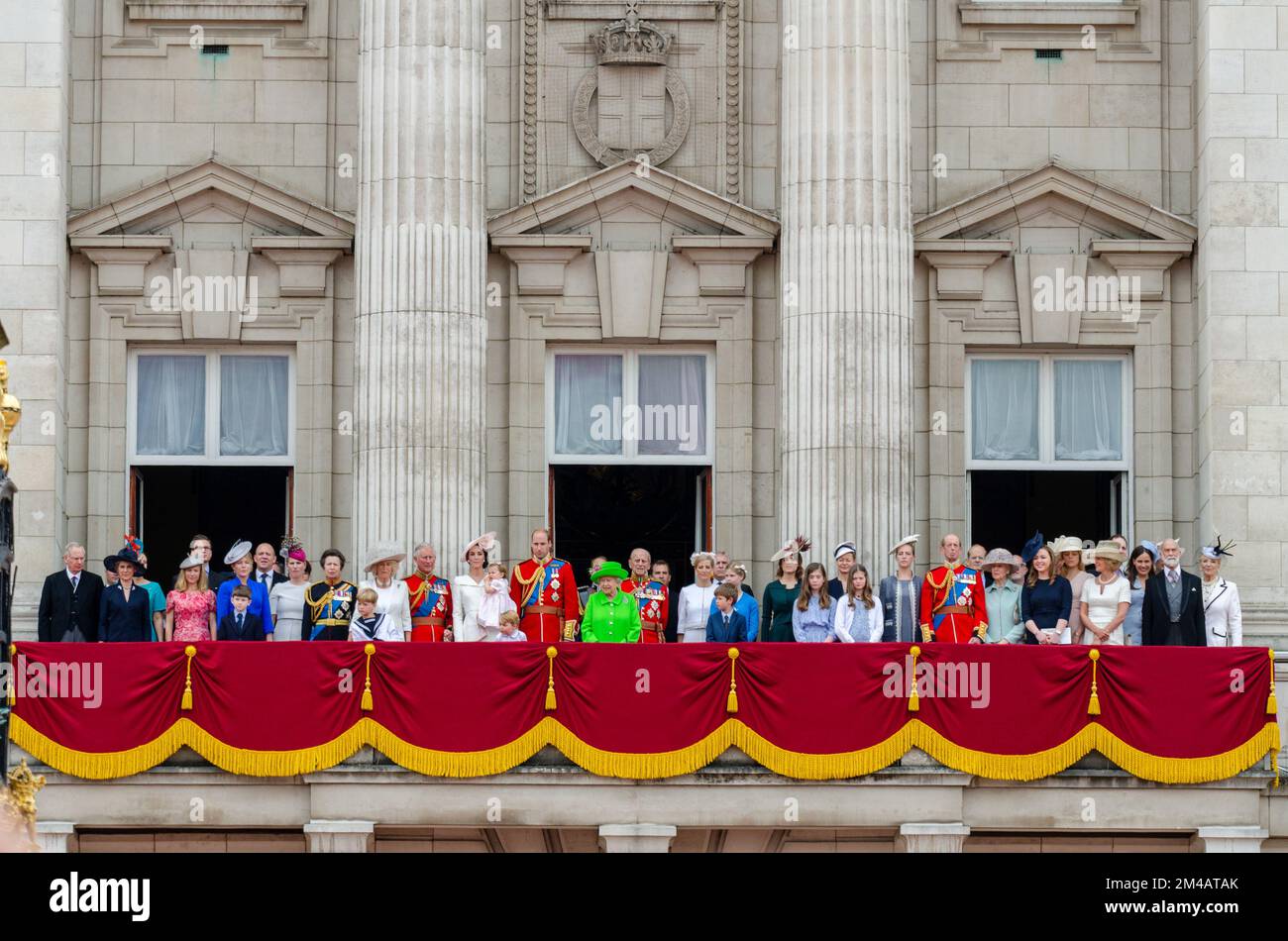
Historically, the balcony was often crowded with extended family members, including distant cousins and non-working royals. However, starting with the Diamond Jubilee of Queen Elizabeth II in 2012 and cemented during the 2022 Platinum Jubilee and the 2023 Coronation, the guest list has become much more exclusive.
Who Stands on the Balcony?
As of 2026, the criteria for appearing on the balcony usually include:
- The Sovereign and the Queen Consort: The central focus of the appearance.
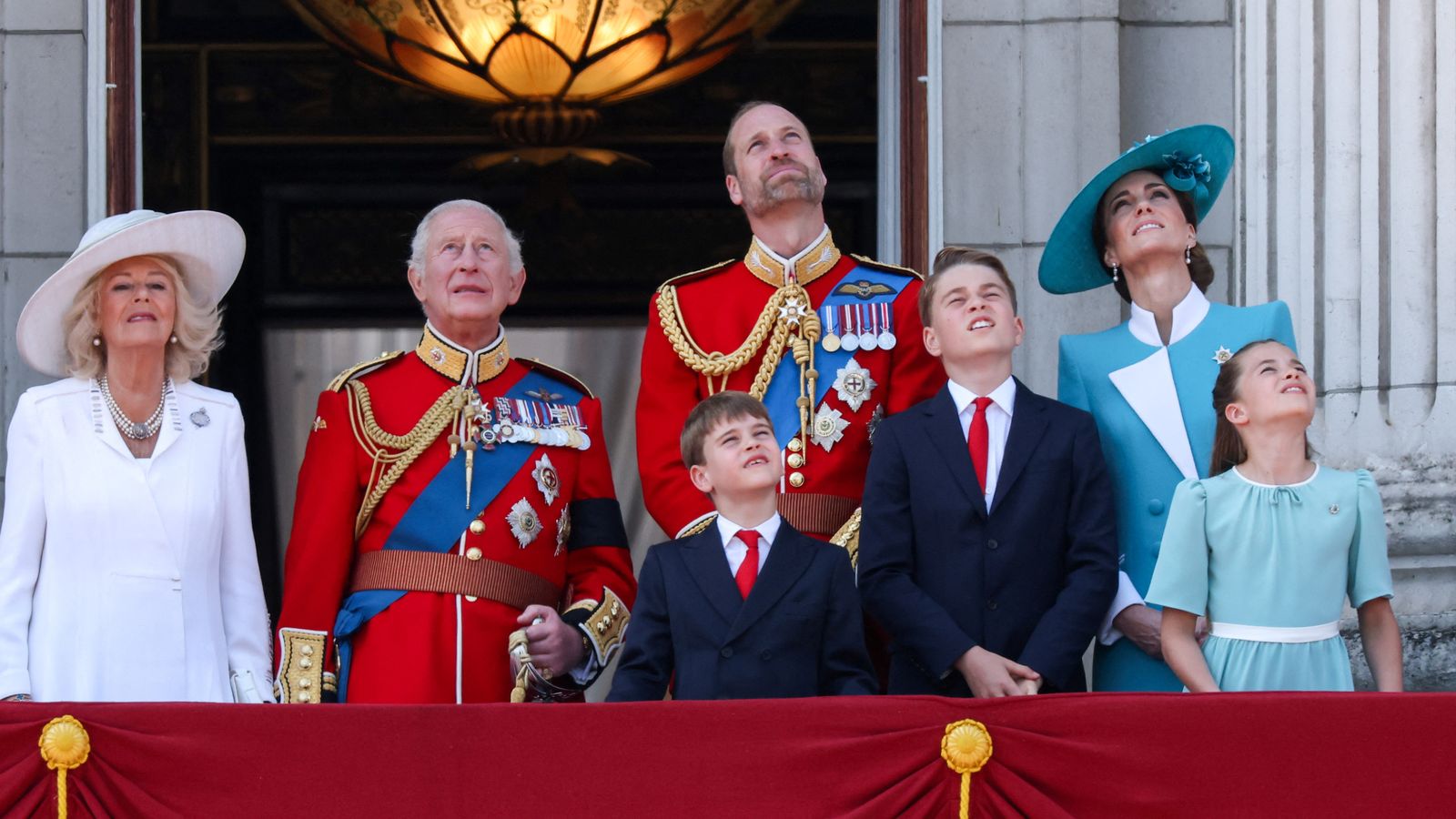
- The Heir Apparent and their immediate family: The Prince and Princess of Wales and their children, representing the future of the Crown.
- Working Royals: Those who carry out official duties on behalf of the King, such as the Duke and Duchess of Edinburgh and the Princess Royal.
The act of exclusion is just as meaningful as the act of inclusion. When family members who have stepped back from official duties or those involved in controversies are absent from the balcony, it serves as an official statement of their status within the "Firm." There is no need for a formal press release; the visual of the balcony tells the story.
Major Historical Milestones on the Buckingham Palace Balcony
To understand the weight of this location, one must look at the specific events that have taken place there. These moments have entered the collective memory of the United Kingdom and the Commonwealth.
| Event | Year | Significance |
|---|---|---|
| First Recorded Appearance | 1851 | Queen Victoria established the tradition for the Great Exhibition. |
| VE Day | 1945 | Symbolized the end of WWII and national unity with Churchill. |
| Coronation of Elizabeth II | 1953 | The first coronation appearance of the television era. |
| Wedding of Charles and Diana | 1981 | Established the tradition of the "Royal Wedding Kiss" on the balcony. |
| Platinum Jubilee | 2022 | The final major balcony appearance of Queen Elizabeth II. |
| Coronation of Charles III | 2023 | Signaled the transition to a modern, slimmed-down monarchy. |
| Trooping the Colour (Annual) | 2026 | Continues as the primary annual display of the King's birthday. |
The "Royal Kiss" is a particularly noteworthy tradition that illustrates how the balcony adapts to the times. It began in 1981 with Prince Charles and Lady Diana Spencer, largely due to the fact that their wedding ceremony at St Paul’s Cathedral did not include a kiss at the altar. This moment humanized the monarchy and created a tradition followed by the Duke and Duchess of York, and later the Prince and Princess of Wales in 2011.
The Logistics of a Royal Appearance
A balcony appearance is a masterclass in military and civil coordination. It is rarely a standalone event; it is usually the climax of a larger ceremony, such as Trooping the Colour or a Coronation.
- The Timing: Appearances are timed to the second. For Trooping the Colour, the family usually appears at 1:00 PM to coincide with the Royal Air Force (RAF) flypast.
- The Position: There is a strict protocol for where people stand. The King is always central. The heir to the throne is typically positioned to the King’s right. This spatial arrangement reinforces the line of succession.
- The RAF Flypast: The flypast is an integral part of the balcony experience. It connects the Monarch to the British Armed Forces. In 2026, these flypasts continue to feature a mix of historical aircraft (like the Spitfire) and modern jets (like the F-35), symbolizing the bridge between Britain’s past and its future.
- Crowd Management: The Metropolitan Police and the Royal Parks department coordinate to manage the thousands of people who pour onto The Mall. The "barrier drop" allows the public to walk up to the palace gates shortly before the family emerges.
The Future of the Balcony in a Modern Monarchy (2026 Perspectives)
As we move through 2026, the balcony remains the most potent tool in the Royal Family’s communication arsenal. In an era of instant social media and AI-generated imagery, the authenticity of a live balcony appearance is irreplaceable. It is a moment of "real-time" history that cannot be faked or ignored.
The balcony also matters because it represents the "King’s Peace." In times of political upheaval or national mourning, the sight of the Sovereign on the balcony provides a sense of continuity. While politicians come and go through the doors of 10 Downing Street, the figures on the balcony represent an institution that spans centuries.
Furthermore, the balcony helps maintain the "mystique" of the monarchy. By appearing only briefly and at a distance, the royals maintain a level of separation from the public while still appearing accessible. This balance is crucial for the survival of a constitutional monarchy in a democratic age.
Summary of the Balcony’s Impact
The importance of the Buckingham Palace balcony can be summarized in three primary functions:
- Validation: It confirms the status of individual royals within the hierarchy.
- Commemoration: It marks the beginning and end of eras, from coronations to jubilees.
- Connection: It provides a physical space where the "people" and the "Crown" meet in a controlled yet highly emotional environment.
Frequently Asked Questions
Can the public visit the Buckingham Palace balcony?
No, the balcony itself is not accessible to the public during standard tours of the State Rooms. Visitors can see the East Front from the outside and tour the interior rooms behind the balcony (the Centre Room), but for security and protocol reasons, stepping onto the balcony is strictly reserved for the Royal Family.
Who decides who stands on the balcony?
The final decision rests with the Sovereign. The King, in consultation with the Lord Chamberlain and senior advisors, determines the guest list for balcony appearances. In 2026, this list is largely restricted to "working royals" who receive funding through the Sovereign Grant and represent the King at official engagements.
Why is there an RAF flypast during balcony appearances?
The flypast serves as a salute to the Monarch, who is the Head of the Armed Forces. It is a display of military precision and national capability. The timing is synchronized so that the family is on the balcony exactly as the planes pass over The Mall, providing a dramatic visual climax to the event.
Has the balcony always looked the same?
The structure has remained consistent since the early 20th-century refacing, but the "dressings" change. For major events like coronations, the balcony is often draped in crimson velvet and gold lace. In 2026, modern upgrades to the palace’s infrastructure (as part of the ten-year reservicing project) have ensured the balcony remains structurally sound for future generations.
What happens if it rains during a balcony appearance?
The Royal Family typically proceeds with the appearance regardless of the weather, especially for major milestones. However, the RAF flypast is subject to weather conditions and may be cancelled or scaled back if visibility is poor or if there are safety concerns for the pilots, as seen during the 1953 coronation and the 2023 coronation.
Final Recommendation
For those interested in the history and symbolism of the British Monarchy, the best way to experience the significance of the balcony is to attend a Trooping the Colour ceremony or a major national celebration. Standing on The Mall provides a unique perspective on how the architecture of Buckingham Palace was specifically designed to facilitate this moment of national connection. If you are planning a visit, check the official Royal Family website for the most accurate dates and security protocols for public gatherings in 2026.
Image Gallery