Kundalini 3HO: What You Need to Know About the Practice and Organization
Kundalini Yoga as taught by Yogi Bhajan, often associated with the organization 3HO (Healthy, Happy, Holy Organization), is a system of physical postures, breathwork, meditation, and chanting designed to stimulate latent energy within...
Kundalini Yoga as taught by Yogi Bhajan, often associated with the organization 3HO (Healthy, Happy, Holy Organization), is a system of physical postures, breathwork, meditation, and chanting designed to stimulate latent energy within the individual. For practitioners, it represents a structured discipline aimed at balancing the glandular system, strengthening the nervous system, and fostering a state of meditative awareness. 3HO acts as the primary global facilitator for the training of instructors and the standardization of this specific pedagogical lineage.
Contents
Understanding the 3HO Foundation
The 3HO Foundation is a non-profit organization established in 1969. Its primary objective has been the dissemination of Kundalini Yoga as taught by Yogi Bhajan. While Kundalini Yoga exists as an ancient tradition outside of this specific framework, the "3HO style" is distinct due to its codified curriculum, specific sequence of exercises known as kriyas, and a lineage-based approach to teacher training.
The organization serves as a regulatory and educational body for instructors. Through its affiliation with the Kundalini Research Institute (KRI), 3HO maintains certification standards for teachers worldwide. When you encounter a class labeled "Kundalini Yoga as taught by Yogi Bhajan," it typically implies that the instructor has been trained within this specific organizational pipeline.
The Components of a Kundalini Session
A standard Kundalini yoga class generally follows a consistent structure, which is intended to provide a comprehensive experience for the body and mind. Understanding these phases is helpful for anyone entering a studio or beginning home practice.
- Opening Tuning In: Every session traditionally begins by chanting the Adi Mantra ("Ong Namo Guru Dev Namo"). This is intended to connect the practitioner to the lineage of teachers and create a focused mental space.
- Warm-ups: Gentle exercises, often focused on spinal flexibility, are used to prepare the body for more intense physical or meditative work.
- Kriya: The core of the practice is the kriya—a set sequence of postures, breath techniques, and movements directed toward a specific outcome, such as strengthening the immune system, calming the nervous system, or enhancing mental clarity.
- Deep Relaxation: Following the physical kriya, there is a period of stillness to allow the nervous system to integrate the effects of the movement.
- Meditation: This includes specific breath patterns (pranayama), hand gestures (mudras), and often the repetition of mantras.
- Closing: A closing song, "Long Time Sun," is frequently used to conclude the session.
Key Terminology and Concepts
To navigate the 3HO methodology, it is useful to understand several foundational terms that appear frequently in textbooks and class settings.
- Kriya: A completed action or a prescribed series of movements, breaths, and sounds. Each kriya is designed to produce a specific physiological and energetic effect.
- Pranayama: The practice of breath control. In the 3HO lineage, this includes specialized techniques such as Breath of Fire, a rapid, rhythmic, and continuous diaphragmatic breath.
- Mantra: The use of sound vibrations to alter the state of consciousness. Many mantras are in Gurmukhi, a language associated with the Sikh tradition, which is historically intertwined with the 3HO lineage.
- Chakras: The system of energy centers along the spine. Practices often target these centers to remove blockages and promote balanced functioning.
Comparison of Practice Styles and Approaches
It is important for prospective students to distinguish between the 3HO methodology and other forms of yoga. The following table provides a high-level comparison to help clarify the specific nature of this practice.
| Feature | Kundalini (3HO) | Traditional Hatha/Vinyasa |
|---|---|---|
| Focus | Glandular/Nervous System | Muscular/Flexibility |
| Repetition | High (Rhythmic motions) | Low (Static or flow-based) |
| Meditation | Integral (Part of every class) | Optional or separate |
| Breathwork | Intense (Breath of Fire) | Steady (Ujjayi or Natural) |
| Dress Code | Often white (for purity) | Athletic wear |
Teacher Training and Certification
The 3HO model relies heavily on the teacher-training certification provided by the Kundalini Research Institute (KRI). This certification is tiered: Level 1 (Instructor), Level 2 (Practitioner), and Level 3 (Realized Teacher). These programs are structured and require significant time commitments, including hours of self-study, group practice, and, in some cases, residential retreats.
The standardization provided by this certification ensures that students can expect a consistent experience, regardless of whether they are taking a class in North America, Europe, or Asia. Before enrolling in a training program, it is recommended that interested students verify that the program is KRI-approved, as this indicates adherence to the established curriculum and safety protocols set forth by the organization.
Practical Considerations for Beginners
If you are considering participating in a 3HO-affiliated class, keep these practical points in mind:
- Start with an Introductory Class: Do not be discouraged by the intensity of some kriyas. Most studios offer beginner-friendly classes that emphasize the fundamentals.
- Physical Limitations: While the practice is designed to be accessible to most adults, you should always inform your instructor of any pre-existing health conditions or injuries. Because Kundalini Yoga involves repetitive movements and specific breathing patterns, individuals with heart conditions, epilepsy, or severe spinal issues should consult a physician before beginning.
- The Role of Community: 3HO places a high value on Sangat, or the gathering of like-minded individuals. For many, the community aspect—shared meditation and group chanting—is as important as the physical exercises themselves.
- Atmosphere: Some students find the focus on mantras and specific spiritual traditions to be a significant departure from secular exercise classes. Approach these elements with an open mind, recognizing that they are intended to facilitate the meditative state of the practice.
Common Misconceptions
There is often confusion regarding the relationship between the 3HO organization and the Sikh religion. While the practice heavily utilizes mantras and values originating from the Sikh faith, 3HO describes itself as a non-denominational organization. Practitioners may come from any religious background or none at all. Understanding this distinction can help clarify that the practice is intended as a technology for personal development rather than a proselytizing religious movement.
Frequently Asked Questions
Is Kundalini Yoga a religion? No, 3HO identifies Kundalini Yoga as a "technology" or a science of the mind and body. While it incorporates mantras and philosophy often associated with the Sikh tradition, it is practiced by people of diverse backgrounds and faiths.
What is the "Breath of Fire" and is it safe? Breath of Fire is a rapid, rhythmic, and continuous diaphragmatic breath. It is a fundamental tool in the practice, but it should be learned under the guidance of a certified instructor. Individuals who are pregnant, menstruating, or have high blood pressure are generally advised to modify this breath to a long, deep breath instead.
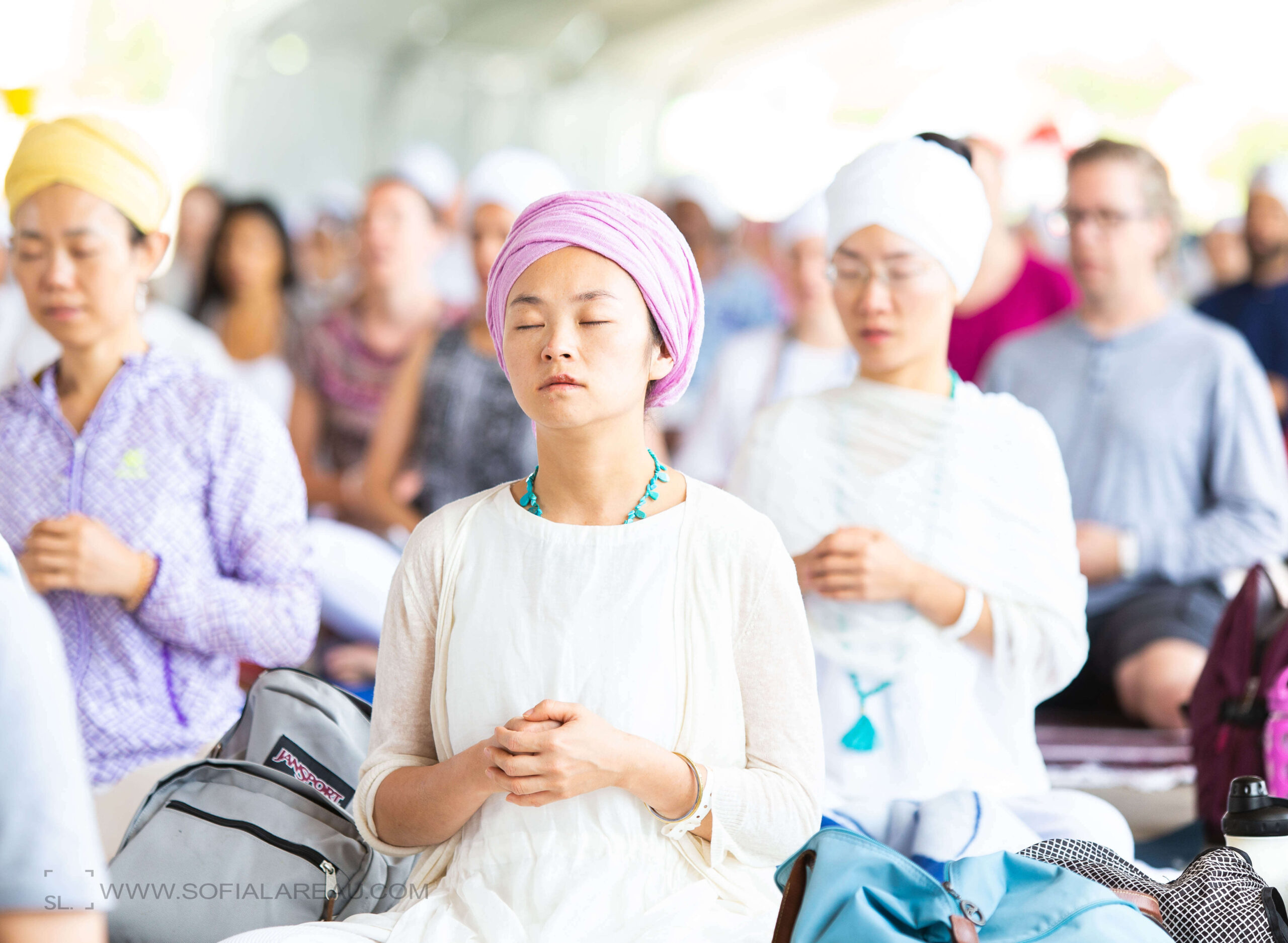
Do I have to wear white to class? While you may see many teachers or long-time practitioners wearing white, it is not a requirement for students. White is traditionally worn in this lineage to expand the aura, but students are encouraged to wear comfortable, modest clothing that allows for ease of movement.
How does 3HO differ from other Kundalini lineages? The "3HO" designation specifically refers to the lineage and curriculum established by Yogi Bhajan. Other traditions of Kundalini exist, but they may focus on different techniques, teacher hierarchies, or philosophical underpinnings.
Can I practice Kundalini Yoga at home? Yes, once you have learned the basic kriyas from a certified instructor, home practice is encouraged. Many KRI-certified manuals provide step-by-step instructions for specific sequences that can be safely practiced individually.
Next Steps for Your Practice
To begin your journey, the most effective step is to locate a certified instructor in your local area. Visit the official website of the Kundalini Research Institute or the 3HO Foundation to search their database of verified teachers. If no local classes are available, look for reputable, KRI-certified online workshops that offer live instruction. Engaging with a teacher is essential to ensure you are performing movements correctly and safely, maximizing the benefits of the practice while minimizing the risk of strain.
Image Gallery