A Comprehensive Guide to Managing Bathroom Mold Remediation
Managing bathroom mold remediation involves identifying the source of moisture, safely removing colonized fungal growth using appropriate antimicrobial agents, and implementing long-term ventilation or structural improvements to preven...
Managing bathroom mold remediation involves identifying the source of moisture, safely removing colonized fungal growth using appropriate antimicrobial agents, and implementing long-term ventilation or structural improvements to prevent recurrence. Because bathrooms are high-humidity environments, effective remediation requires a methodical approach that addresses both the visible infestation and the underlying conditions that allow mold to thrive.
Contents
Understanding the Nature of Bathroom Mold
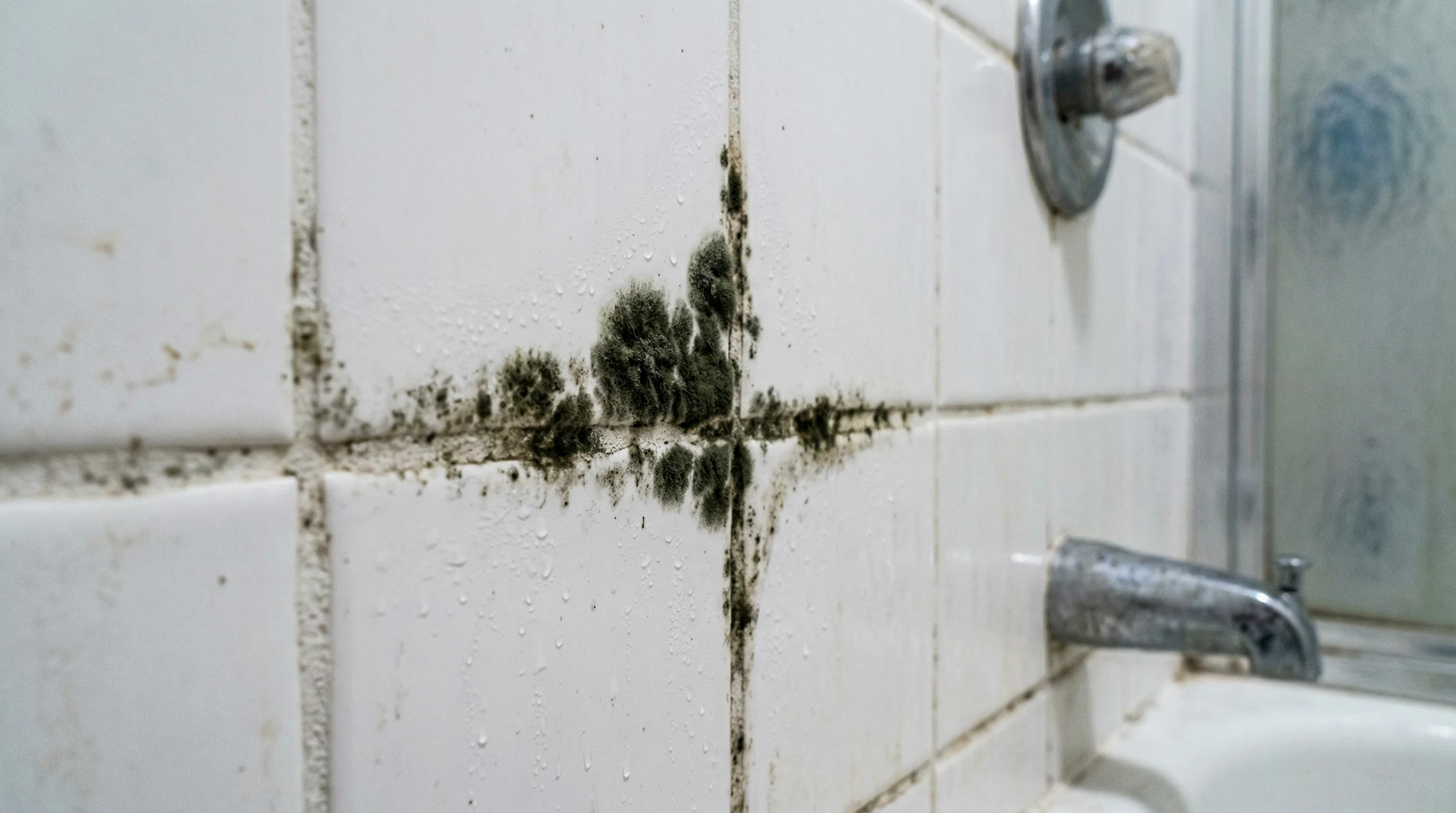
Mold is a biological organism that reproduces through microscopic spores. In a bathroom, common species like Aspergillus, Cladosporium, and Stachybotrys frequently colonize porous surfaces such as drywall, grout, caulk, and wood trim. These organisms require three primary elements to persist: a food source (cellulose-based materials like drywall paper or soap scum), a temperature range suitable for growth, and—most importantly—consistent moisture.
Unlike general house dust, mold growth in bathrooms is usually a symptom of a larger, systemic failure in building maintenance, such as inadequate exhaust ventilation, recurring plumbing leaks, or poor moisture management. Simply scrubbing away the surface growth is often insufficient; true remediation involves disinfecting the surface and removing the environmental triggers that permit future growth.
Assessing the Scope of the Infestation
Before beginning remediation, you must categorize the extent of the problem. Small, isolated patches of surface mold on tiles or glass are generally manageable as a DIY project. However, extensive mold growth—typically defined as covering an area greater than 10 square feet—often requires professional intervention according to guidelines provided by the U.S. Environmental Protection Agency (EPA).
Large-scale infestations indicate that mold has likely penetrated deep into porous substrates like drywall or insulation. In these scenarios, "cleaning" the surface is ineffective because the fungal hyphae (root structures) extend into the material. If you observe signs of decay, sagging drywall, or a persistent earthy odor that does not dissipate after cleaning, you are likely dealing with deep-seated contamination that requires the replacement of the affected building materials rather than mere surface treatment.
Essential Safety Equipment and Preparation
Mold spores can cause respiratory irritation, allergic reactions, and other health issues in sensitive individuals. Before disturbing any moldy surfaces, you must establish a protective barrier.
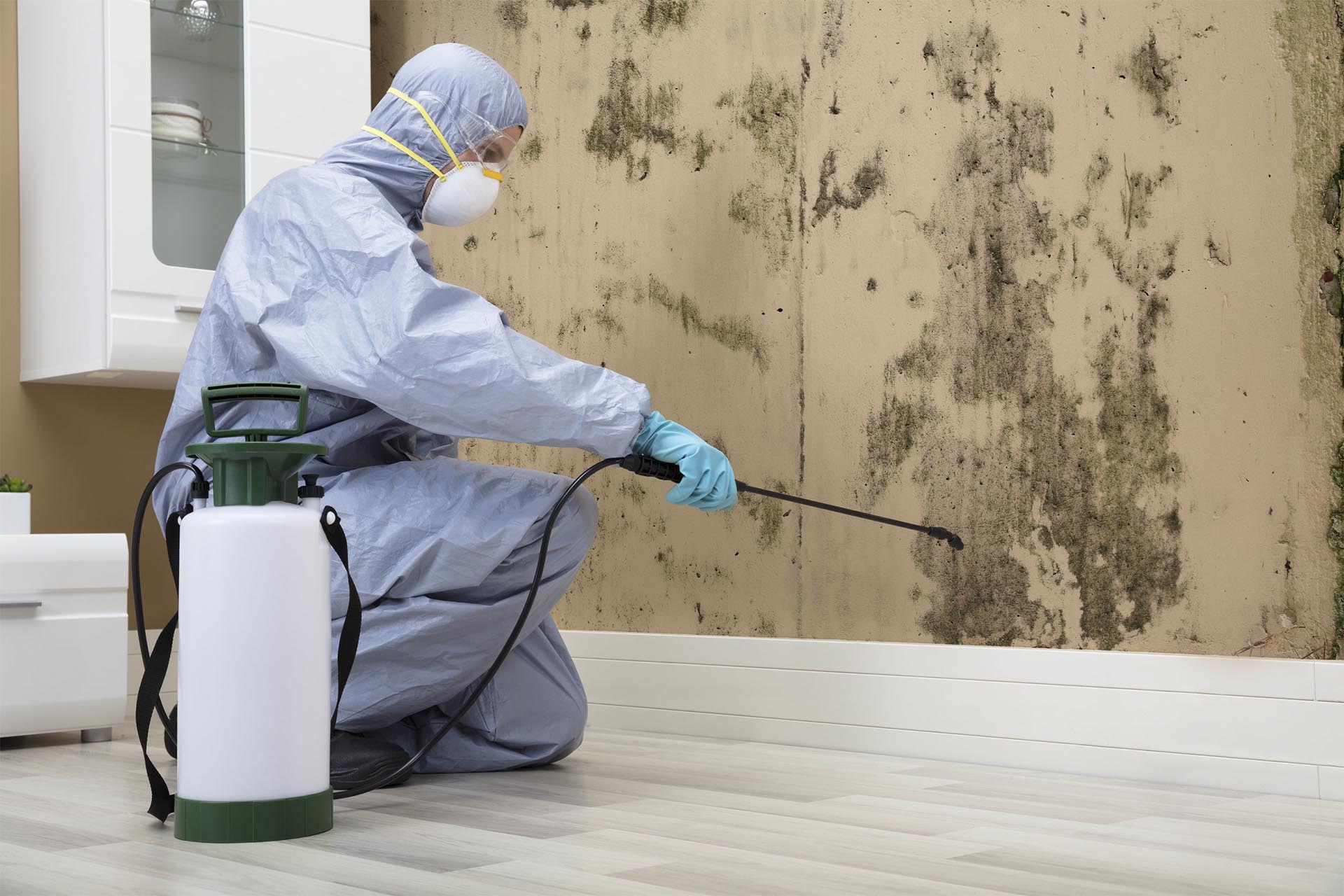
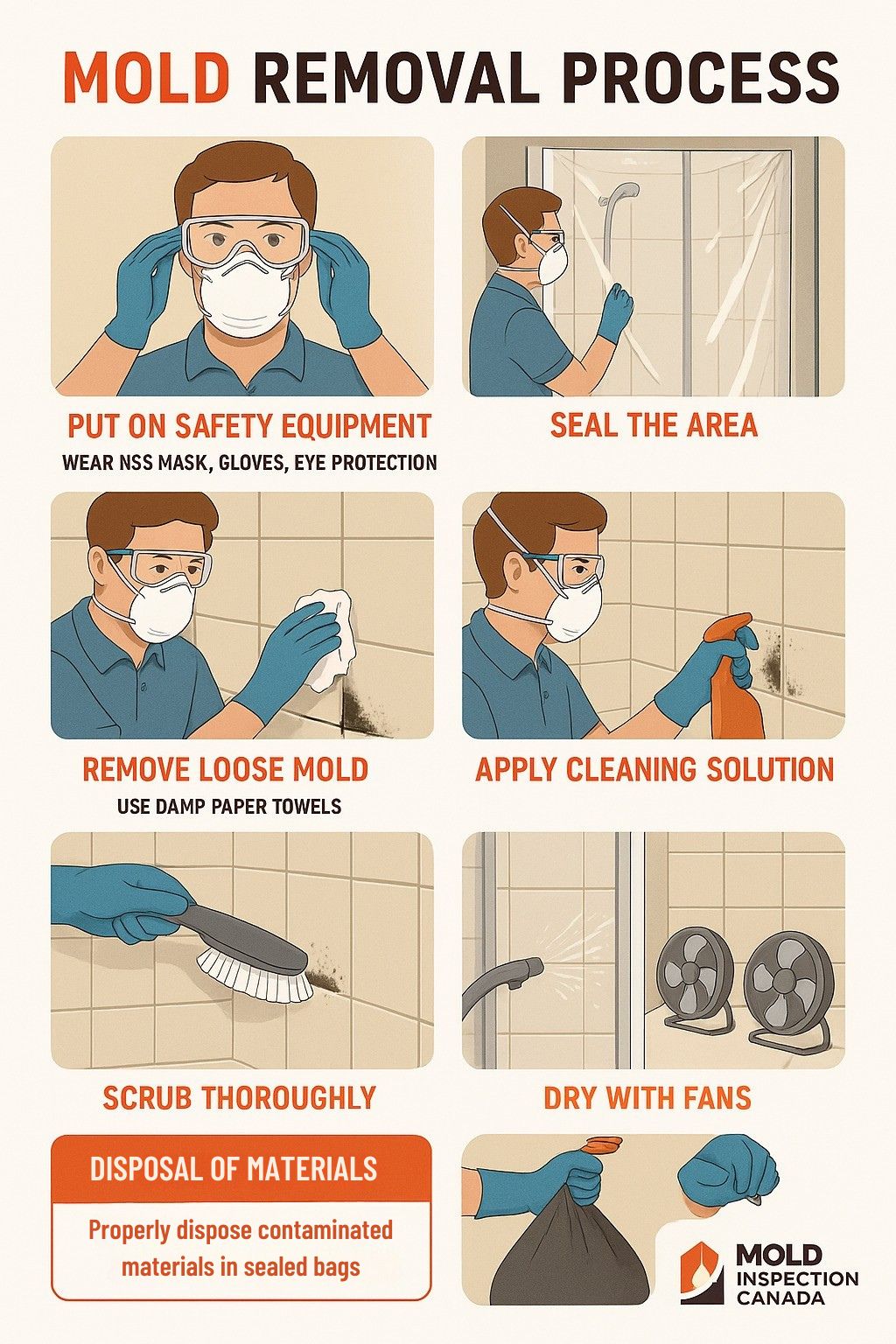
- Personal Protective Equipment (PPE): Wear a minimum of N95-rated respirators to prevent inhalation of spores. Use non-porous gloves (nitrile or rubber) and safety goggles that provide a tight seal to protect your eyes.
- Containment: Close the bathroom door and cover vents to prevent spores from circulating into the rest of the home. If possible, open a window to provide ventilation while keeping the rest of the dwelling sealed.
- Clearance: Remove all personal items—towels, bath mats, and toiletries—from the room. Non-porous items can be cleaned with soap and water; porous items that show signs of significant mold growth should be discarded, as they are difficult to fully sanitize.
Recommended Remediation Protocol
Once you have assessed the scope and donned appropriate gear, follow this structured process to treat the affected areas.
- Stop the Moisture Source: Before removing the mold, you must identify why the area is wet. Check for leaking faucets, sweating pipes, or gaps in the caulk around the bathtub. If the bathroom lacks a functional exhaust fan, ensure one is installed or that windows are reliably opened after every shower.
- Surface Cleaning: For hard, non-porous surfaces like ceramic tiles or glass, use a mixture of mild detergent and water. Scrub the surface to remove soap scum, which serves as a food source for mold.
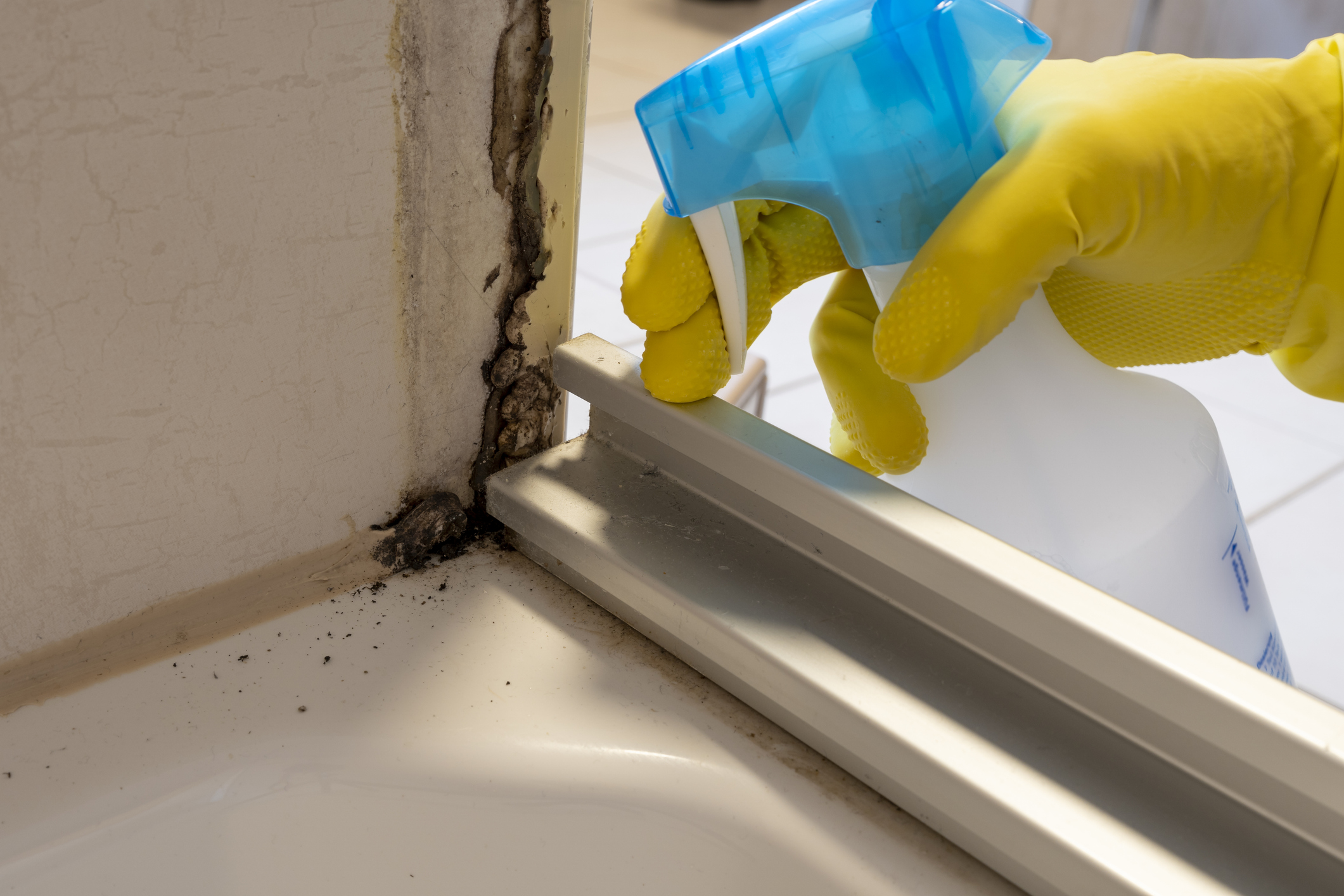
- Disinfection: Once the surface is clean, apply a fungicide or a solution of one cup of household bleach to one gallon of water (though many professionals now favor EPA-registered mold killing products or white vinegar due to the risks of bleach). Allow the solution to remain on the surface for at least 10 minutes. Never mix bleach with ammonia or other household cleaners, as this creates toxic gases.
- Material Removal: If mold has colonized porous materials such as drywall, acoustic ceiling tiles, or carpet, these items must be removed and discarded. Cut out the affected section, extending the removal roughly 12 inches beyond the visible mold growth.
- Drying: After cleaning or removal, use dehumidifiers and high-velocity fans to dry the area thoroughly. Mold cannot grow on dry surfaces.
Comparison of Cleaning Agents
Choosing the right agent depends on the material type. Using harsh chemicals on porous wood can cause warping or structural degradation.
| Agent | Best Use Case | Limitations |
|---|---|---|
| Distilled White Vinegar | Porous surfaces, tile grout | Less effective on heavy, deep-set infestations |
| EPA-Registered Fungicides | Professional-grade remediation | Requires specific PPE and adherence to labels |
| Hydrogen Peroxide (3%) | Non-porous surfaces, fabrics | Can have a mild bleaching effect |
| Soap and Water | Initial cleaning, soap scum | Does not kill fungal roots on porous surfaces |
| Bleach (Diluted) | Non-porous ceramic only | Ineffective on porous wood/drywall; toxic fumes |
Preventing Future Recurrence
After the remediation is complete, the objective shifts to prevention. The following measures are critical for maintaining a mold-free bathroom:
- Upgrade Ventilation: If your current exhaust fan is underpowered, replace it with a unit that has a higher Cubic Feet per Minute (CFM) rating. Many modern fans include humidity sensors that activate automatically.
- Manage Humidity: Keep bathroom humidity levels below 60%. Use a portable dehumidifier if the bathroom lacks natural ventilation.
- Consistent Maintenance: Regularly inspect the caulk and grout lines. If you see cracks or gaps, remove the old sealant, clean the area thoroughly, and re-apply high-quality, mold-resistant silicone caulk.
Frequently Asked Questions
Is it safe to use bleach to remove bathroom mold? Bleach is effective on non-porous surfaces like tile and glass, but it is generally discouraged for porous materials like wood or drywall. Because the chlorine in bleach cannot penetrate the surface to kill the fungal roots inside, the mold will often return shortly after cleaning. Additionally, bleach poses respiratory risks.
How do I know if the mold is toxic? All mold in an indoor environment should be treated as a potential health risk. While media reports often focus on "toxic black mold" (such as Stachybotrys chartarum), the toxicity of a mold species is less important than the fact that its presence indicates a moisture problem. All significant mold growth should be addressed regardless of the species.
When should I hire a professional for mold? You should hire a professional if the mold covers a large area (more than 10 square feet), if the mold is the result of sewage backup or contaminated water, or if you have underlying respiratory health conditions that make exposure dangerous.
Does painting over mold stop it from coming back? No. Paint is not a mold remediation tool. Painting over mold traps the colony underneath, providing it with an environment to continue growing behind the paint layer, which will eventually bubble and peel.
Next Steps for Homeowners
Begin by conducting a visual inspection of your bathroom, specifically focusing on the corners of the ceiling, the caulk around the tub, and the underside of the vanity. If you find small patches, proceed with cleaning and disinfection using the methods described above. If the mold is pervasive or the underlying structure appears damaged, contact a certified mold remediation specialist to perform an assessment and provide a remediation plan tailored to your home's construction.
Image Gallery