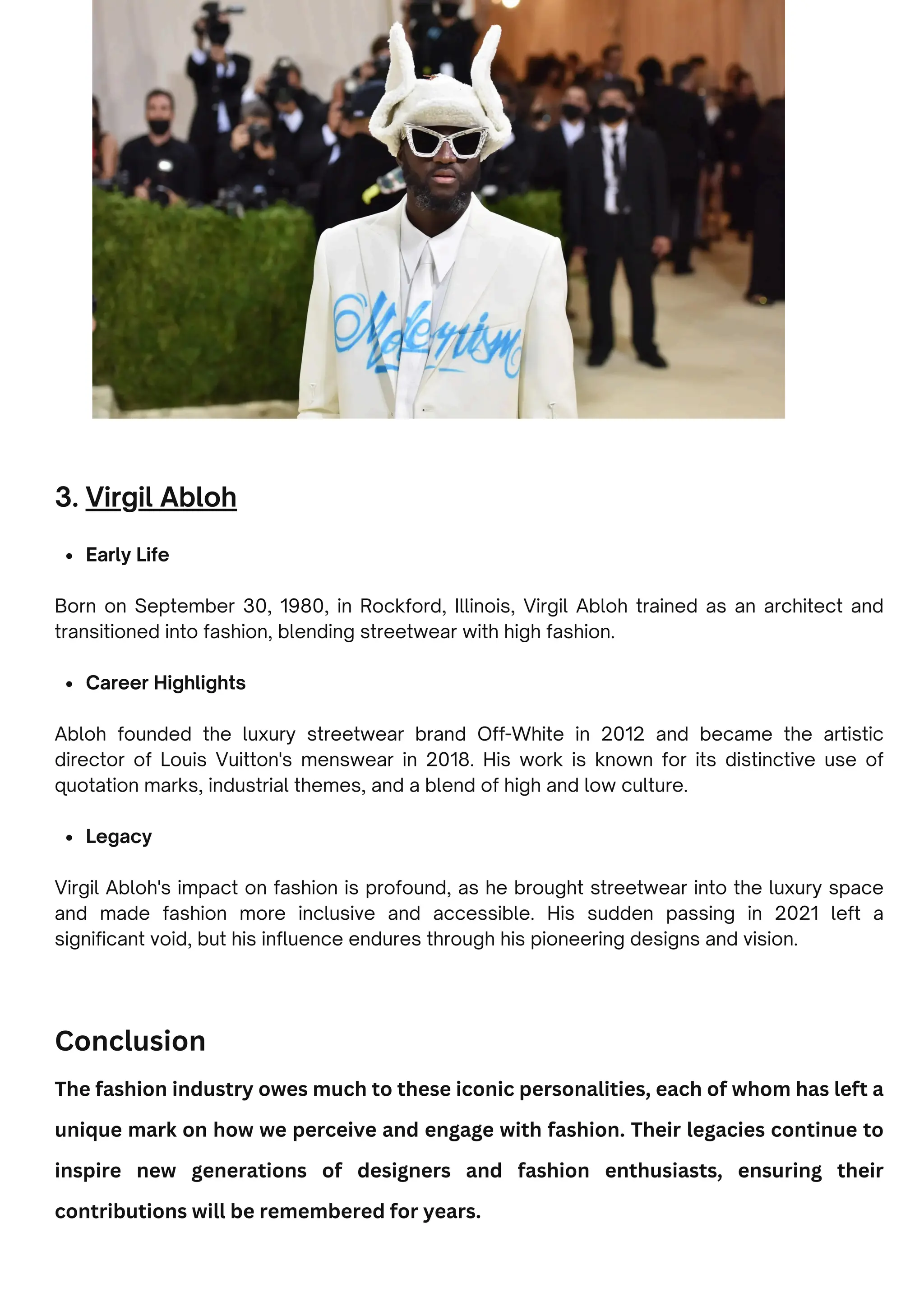
Defining and Developing Your Fashion Personality: A Strategic Approach to Personal Style
A fashion personality is the consistent aesthetic expression of an individual’s identity through clothing, accessories, and grooming. It serves as a visual language that communicates personal values, professional goals, and comfort pre...
A fashion personality is the consistent aesthetic expression of an individual’s identity through clothing, accessories, and grooming. It serves as a visual language that communicates personal values, professional goals, and comfort preferences. By identifying your core style archetype, you can curate a functional wardrobe that reduces decision fatigue and ensures your outward appearance aligns with your internal self.
Contents
Understanding the Concept of Fashion Personalities
In the context of style theory, fashion personalities are not rigid boxes but rather fluid frameworks used to categorize aesthetic preferences. These archetypes help individuals understand why certain garments feel "right" while others, despite being trendy or high-quality, feel uncomfortable or discordant. By recognizing your primary and secondary personality traits, you move away from reactive shopping—driven by fleeting trends—toward a proactive, intentional approach to personal branding.
The study of fashion personalities is rooted in the intersection of psychology and design. Clothing acts as an extension of the self; when the garment choice is congruent with one's psychological makeup, it often leads to increased confidence, a phenomenon frequently referred to in academic literature as "enclothed cognition." As of 2026, the industry has shifted away from narrow fashion rules toward a focus on sustainability and personal expression, making the identification of your fashion personality more relevant than ever for building a long-term, ethical wardrobe.
Primary Fashion Archetypes
While human personality is complex, fashion experts generally classify style preferences into several core categories. Most individuals identify with a primary "anchor" style, supplemented by one or two secondary influences.
- The Classic/Tailored: Prioritizes longevity, quality, and timeless silhouettes. This personality favors neutral color palettes, structured blazers, and high-quality natural fibers. The goal is a look that remains sophisticated regardless of changing trends.
- The Creative/Artistic: Values self-expression, unique textures, and unconventional combinations. This individual is likely to mix patterns, prioritize vintage or artisanal pieces, and avoid the "uniform" look.
- The Romantic/Soft: Prefers fluid fabrics, floral motifs, soft color palettes, and delicate details like lace or draping. This style emphasizes grace and softness in silhouette.
- The Minimalist/Modern: Focuses on clean lines, monochromatic schemes, and high-utility design. The emphasis is on "less is more," prioritizing function and geometric precision over ornamentation.
- The Dramatic/Bold: Gravitates toward statement pieces, architectural shapes, high-contrast colors, and innovative materials. This personality uses fashion to command attention and express authority or avant-garde sensibilities.
- The Relaxed/Natural: Prioritizes comfort, ease of movement, and functionality. This style favors jersey fabrics, denim, sneakers, and loose-fitting designs that accommodate an active, low-maintenance lifestyle.
Comparison of Core Fashion Personalities
| Personality Archetype | Primary Focus | Key Wardrobe Staples | Ideal Environment |
|---|---|---|---|
| Classic | Timelessness | Trench coats, loafers, silk shirts | Corporate/Formal |
| Creative | Originality | Mixed prints, layered jewelry | Studio/Urban |
| Minimalist | Utility | Neutral knits, crisp trousers | Creative/Technical |
| Dramatic | Impact | Architectural coats, bold hues | Events/Publicity |
| Natural | Comfort | High-quality denim, knitwear | Active/Casual |
Steps to Identify Your Fashion Personality
Discovering your fashion personality requires a period of observation and reflection rather than an immediate overhaul of your closet. Follow these steps to refine your identity:
- Conduct a Wardrobe Audit: Sort your current clothing into three piles: items you wear frequently and love, items you wear out of necessity, and items you never wear. Analyze the recurring themes in the "love" pile. Do they share silhouettes, colors, or fabrics?
- Document Your Preferences: For one month, track your daily outfits. Note which outfits made you feel most empowered or comfortable. Identify the common denominator—was it the level of formality, the fit, or the specific item category?
- Evaluate Your Lifestyle Requirements: Your fashion personality must bridge the gap between your identity and your daily reality. If your work requires a specific dress code or your lifestyle involves physical activity, your personality must integrate these practical constraints into your aesthetic.
- Pinpoint Your "Style Icons": Identify individuals (whether celebrities, colleagues, or historical figures) whose style you admire. List specifically what draws you to them. It is rarely the person themselves, but rather the way they assemble garments that resonates with your vision.
- Test and Iterate: Before investing in a major wardrobe shift, test your identified personality through small, affordable changes. If you think you are "Romantic," try introducing a softer blouse or a different texture to your existing outfits before replacing your entire collection.
Bridging the Gap: Style vs. Trend
A common pitfall is confusing a fashion personality with temporary trends. Trends are ephemeral, driven by the commercial fashion cycle, while your personality is a consistent internal trait. Relying solely on trends often results in a "disconnected" wardrobe where individual pieces do not coordinate with one another.
To maintain your fashion personality in 2026:
- Evaluate Before Acquisition: Before purchasing a new item, ask: "Does this garment express my identified personality, or is it merely popular?" If it does not serve your established style identity, it will likely contribute to closet clutter rather than personal style.
- The 80/20 Rule: Aim for your wardrobe to be 80% dedicated to your core fashion personality and 20% reserved for experimental or trend-driven pieces. This provides the necessary structure to remain "you," while allowing for the psychological satisfaction of periodic change.
Frequently Asked Questions
Can I have more than one fashion personality? Yes, most people possess a primary personality and a secondary influence. You might have a "Classic" base for professional settings, with a "Creative" or "Dramatic" secondary influence that you express through accessories or evening wear. This hybrid approach is common and often leads to the most well-rounded, authentic style.
Does my fashion personality have to stay the same forever? No. While core personality traits tend to be stable, your fashion expression can evolve as your lifestyle, career, or personal priorities shift. It is healthy to reassess your style every few years to ensure it remains a true reflection of your current identity.
How do I handle a disagreement between my personality and my dress code? Identify the core elements of your personality—such as color preferences, textures, or silhouettes—and look for ways to integrate them into the required dress code. If your personality is "Creative" but your office requires "Classic" attire, use subtle touches like unique jewelry or a specific color palette that deviates slightly from traditional neutral norms to maintain personal expression.
Why do I feel like I have "nothing to wear" despite a full closet? This usually indicates a lack of a clear fashion personality. When your closet contains disparate items from multiple style archetypes, they struggle to combine effectively. Focus on curating a wardrobe where pieces share a consistent aesthetic thread to resolve this issue.
Is it expensive to develop a fashion personality? Developing a fashion personality actually saves money in the long term. By understanding what suits you and aligns with your identity, you avoid impulse purchases of items you will never wear. Investing in versatile, high-quality pieces that fit your personality is more cost-effective than buying many low-quality, trend-focused items.
Final Recommendation
To begin defining your fashion personality, start by curating a mood board of 15 to 20 images that represent your ideal aesthetic. Focus on consistency rather than quantity. Once you have identified the recurring shapes and textures on your board, compare them against your current, most-worn items. Your goal is to move your wardrobe toward that visual standard over the next six months. Do not attempt a complete purge; instead, focus on replacing non-aligned items with pieces that strictly adhere to your verified personality profile.
Image Gallery