How to Find Self Respect Worksheets PDF for Free
Finding self-respect worksheets in PDF format for free is a straightforward process when you utilize reputable mental health resources, academic repositories, and established educational platforms. These digital tools provide structure...
Finding self-respect worksheets in PDF format for free is a straightforward process when you utilize reputable mental health resources, academic repositories, and established educational platforms. These digital tools provide structured guidance for cognitive restructuring, self-reflection, and the development of healthy personal boundaries, allowing you to work through psychological exercises at your own pace without initial financial investment.
Contents
Understanding the Role of Self-Respect Worksheets
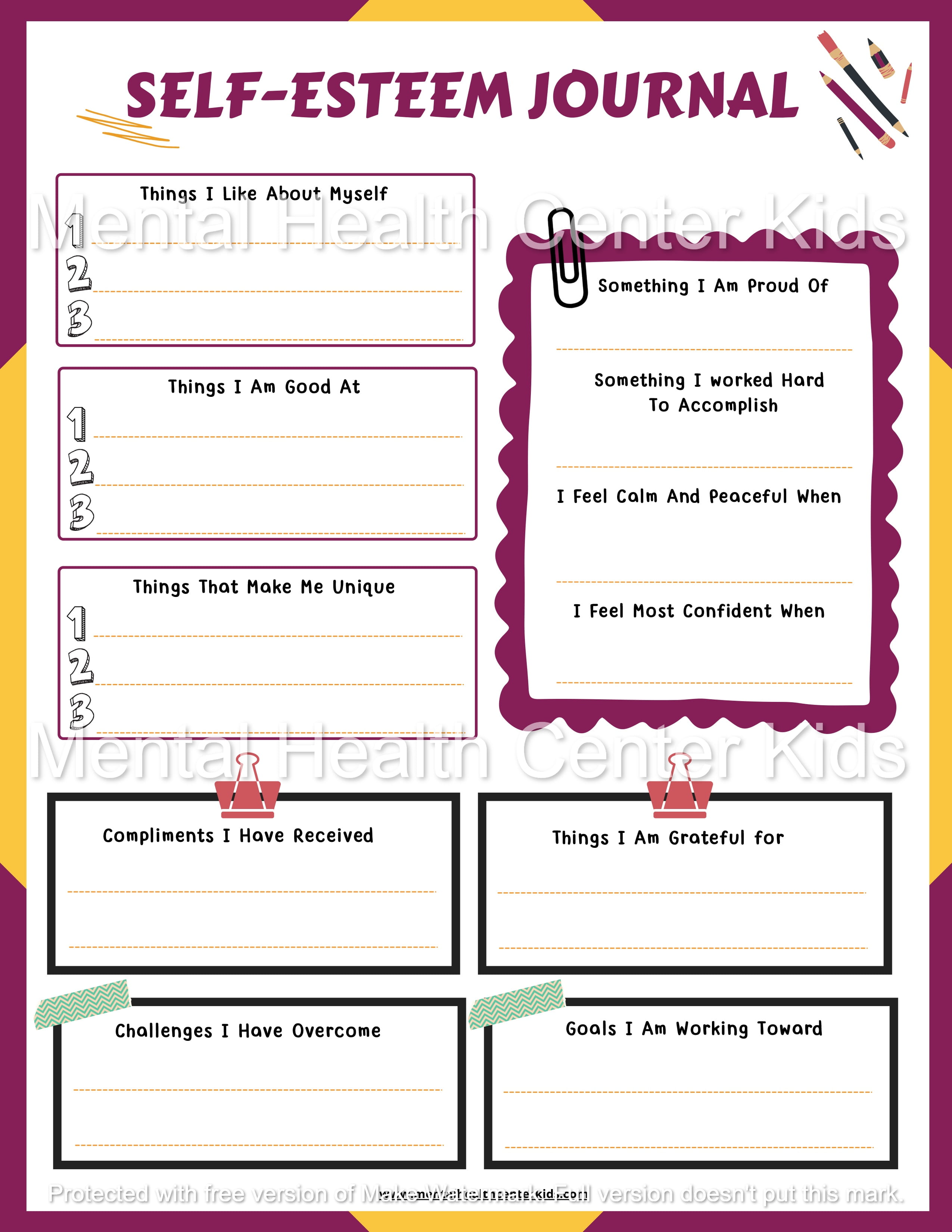
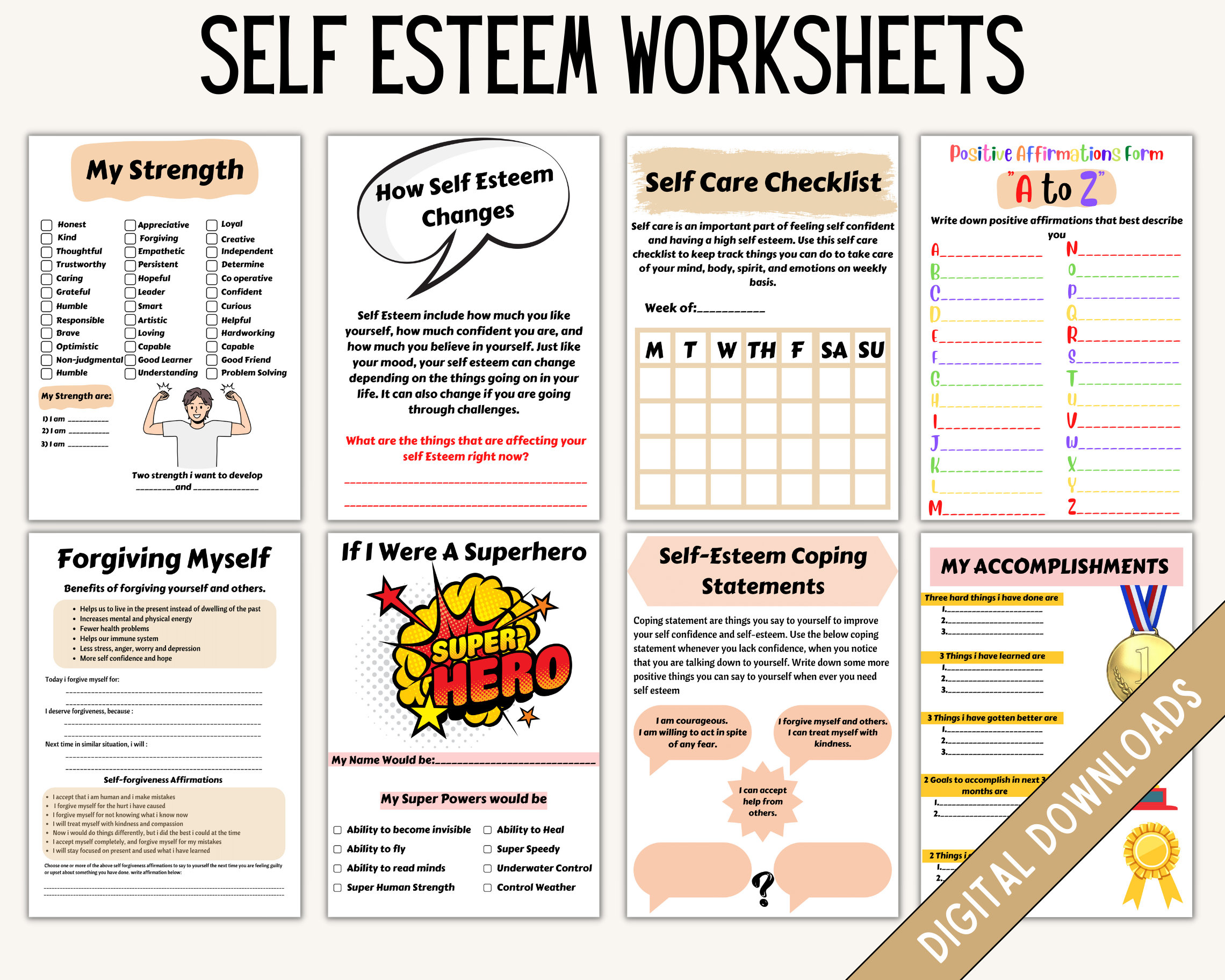
Self-respect worksheets are structured documents designed to guide individuals through psychological exercises aimed at improving self-worth, boundary setting, and self-compassion. Unlike generic journal prompts, these worksheets often rely on evidence-based practices such as Cognitive Behavioral Therapy (CBT) or Dialectical Behavior Therapy (DBT). They function by asking specific, targeted questions that force the reader to confront negative thought patterns and replace them with objective, healthy affirmations.
The primary value of these documents lies in their ability to translate abstract emotional goals into concrete tasks. When you download a PDF worksheet, you are obtaining a template that has been curated to address specific cognitive distortions. By committing these thoughts to paper, users often report a higher degree of accountability and clarity.
Where to Find Valid, Free PDF Resources
Accessing high-quality, free resources requires filtering out commercial noise—such as subscription-based life coaching platforms—in favor of academic and non-profit organizations.
1. University and Research Centers
Many psychology departments at major universities publish public-facing toolkits to support students and the general community. These are often the most reliable sources because they undergo internal peer review. Look for portals managed by psychology departments, particularly those that focus on clinical research.
2. Non-Profit Mental Health Organizations
Organizations dedicated to psychological wellness (such as those associated with professional psychological associations) frequently host "resource hubs." These hubs often contain downloadable PDF packets. When searching, prioritize results from websites ending in .org or .edu, as these are more likely to offer non-commercial, evidence-based content.
3. Therapist-Managed Educational Blogs
While some therapists use blogs to sell courses, many maintain "resource" or "freebie" pages where they offer legitimate, professionally crafted worksheets to build trust and provide value. These are effective because the content is usually designed by licensed clinicians, ensuring the terminology and methods are clinically relevant.
Evaluating the Quality of a Worksheet
Not all free content is created equal. To ensure that the worksheet you download is helpful rather than counterproductive, apply the following verification criteria before you begin the exercises:
- Source Transparency: Is the author a licensed professional (e.g., PsyD, PhD, LMFT)? If the author is anonymous, evaluate the site's reputation.
- Methodological Basis: Does the worksheet reference a known therapy style? Effective worksheets often explicitly mention CBT, DBT, or Acceptance and Commitment Therapy (ACT).
- Actionable Content: A high-quality worksheet provides a clear "call to action" or a specific problem to solve. Avoid documents that are merely collections of inspirational quotes without any space for your own input or reflection.
- PDF Integrity: Ensure the PDF is well-formatted for printing. It should include sufficient space for writing and clear, legible instructions.
Comparison of Common Self-Respect Worksheet Types
| Worksheet Type | Core Focus | Best For |
|---|---|---|
| Boundary Inventory | Identifying where you feel taken advantage of | People struggling with assertiveness |
| Cognitive Reframing | Challenging negative self-talk | Those with low self-esteem or anxiety |
| Values Alignment | Defining personal principles | People feeling lost or disconnected from self |
| Self-Compassion Log | Practicing kindness during setbacks | Individuals prone to perfectionism |
How to Use These Worksheets Effectively
Downloading a PDF is only the first step. To derive genuine benefit, you must approach the materials with a structured plan.
First, create a dedicated physical binder or a secure digital folder for these documents. Storing them in a disorganized way often leads to abandonment of the exercises. Second, allocate a specific time during your week to complete one worksheet. Consistency is significantly more effective than attempting to complete multiple, complex worksheets in a single sitting.
Third, treat the worksheets as a diagnostic tool rather than a final solution. If you find that the exercises consistently reveal deep-seated trauma or severe psychological distress, the worksheet has served its purpose by bringing these issues to light. At that stage, you should consider seeking professional assistance from a licensed mental health practitioner.
Addressing Potential Limitations
It is critical to acknowledge that free, self-guided worksheets are not a replacement for professional therapy. If you are experiencing symptoms of clinical depression, severe anxiety, or other mental health conditions, these PDFs should be viewed only as supplemental tools.
Furthermore, some free worksheets found on third-party file-sharing sites may be outdated or contain inaccuracies. Always verify the date of the content if possible. If a worksheet suggests techniques that feel harmful or overly distressing, discontinue use immediately. Always prioritize your psychological safety; if you feel overwhelmed, stop the exercise and ground yourself in a safe, familiar environment.
Frequently Asked Questions
Are free worksheets as effective as paid ones? Yes, in many cases. The efficacy of a worksheet depends on its grounding in established psychological principles rather than its price tag. Many non-profit mental health organizations provide materials that are identical in quality to those sold by private providers.
Should I fill these out on a computer or by hand? Writing by hand is generally recommended. Research in cognitive psychology suggests that the act of writing by hand facilitates better memory retention and emotional processing compared to typing, as it requires a slower, more deliberate engagement with the material.
Can I share these PDFs with friends? If the worksheet is hosted on a public domain or a Creative Commons-licensed site, you are generally encouraged to share it. However, if the worksheet is copyrighted, you should link to the original source rather than redistributing the file to ensure the original creator receives credit.
What should I do if a worksheet triggers negative emotions? It is normal to encounter difficult emotions when reflecting on self-respect. If an exercise becomes too intense, set it aside. You do not need to finish everything at once. Use grounding techniques, such as deep breathing or physical movement, to return to a neutral state of mind.
How often should I use these worksheets? There is no universal schedule, but a weekly practice is generally sustainable. The goal is to build a habit of reflection. If you find yourself over-analyzing the results, limit your practice to once every two weeks to prevent "reflection fatigue."
Next Steps for Implementation
To start, begin by searching for reputable mental health portals and selecting one worksheet that focuses on a single, specific issue—such as setting boundaries with coworkers or identifying negative self-talk. Download the file, print it out, and schedule 30 minutes of uninterrupted time this weekend to work through it. By keeping your initial scope small and focused, you increase the likelihood of building a sustainable, long-term practice of self-improvement.
Image Gallery