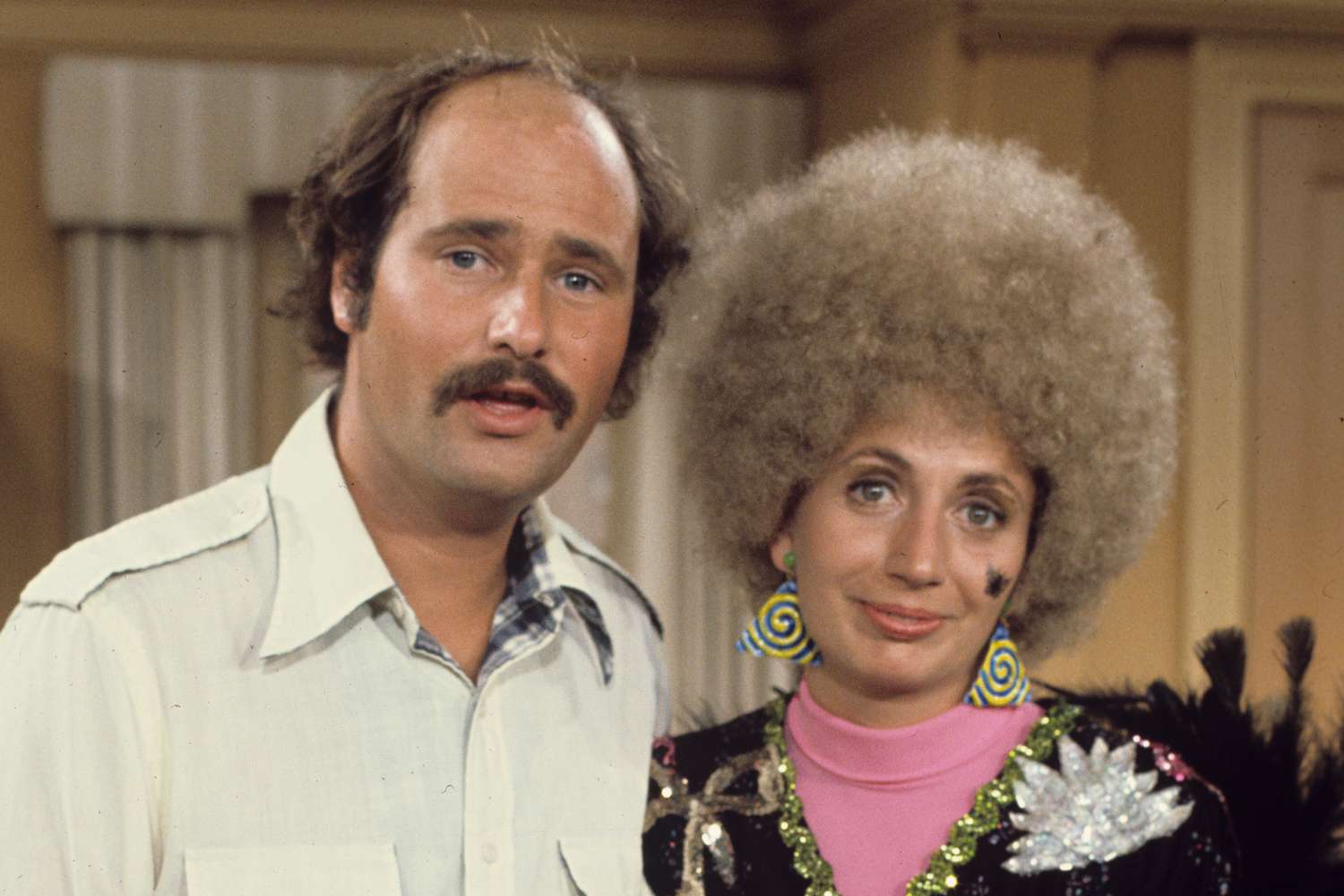
Penny Marshall: Remembering Her Life, Breakthrough Directing Career, and Enduring Legacy
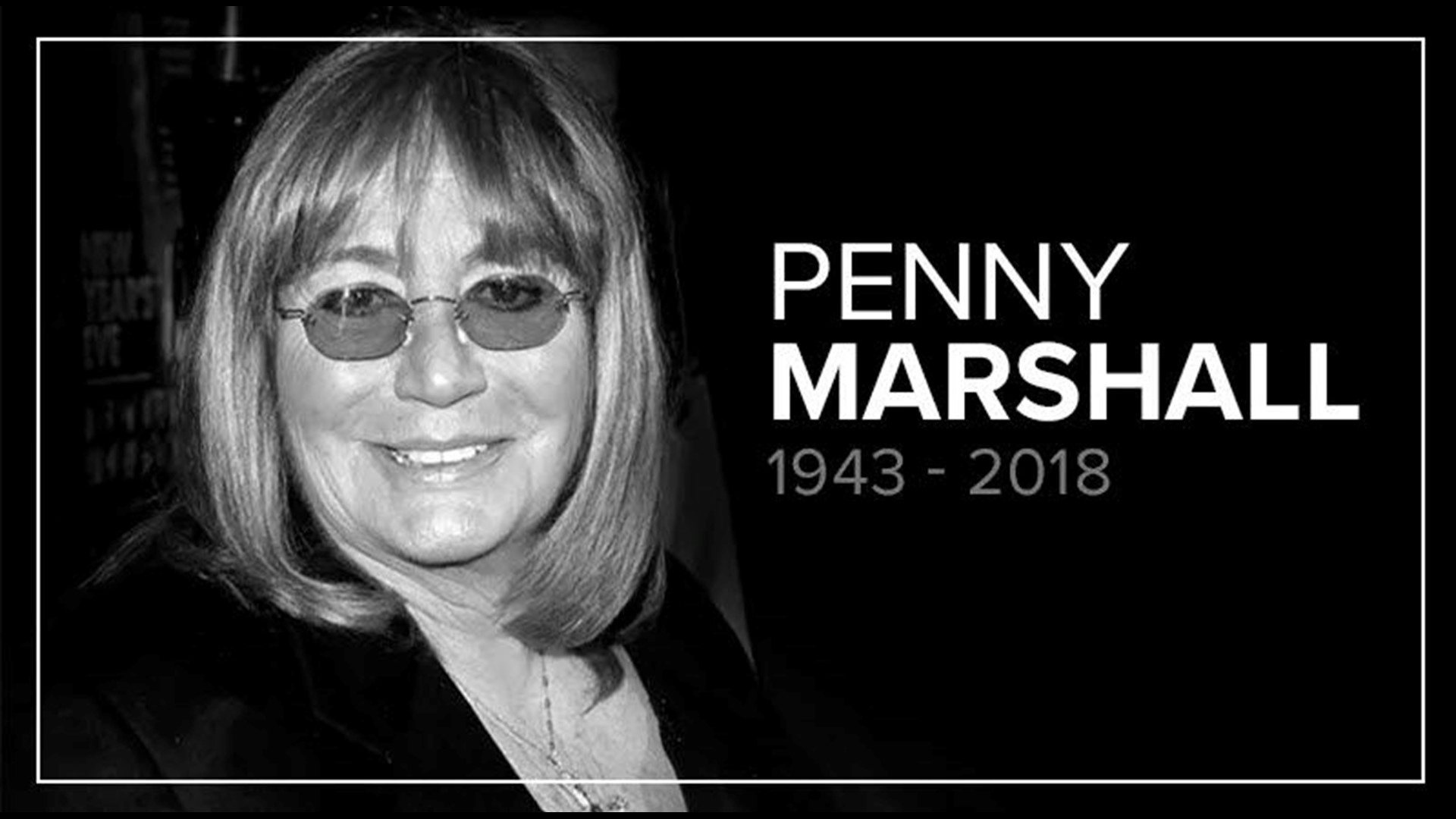
American actress and director Penny Marshall passed away on December 17, 2018, at age 75 due to heart failure and complications from diabetes. Renowned for starring as Laverne DeFazio in Laverne & Shirley, she made history as the first...
American actress and director Penny Marshall passed away on December 17, 2018, at age 75 due to heart failure and complications from diabetes. Renowned for starring as Laverne DeFazio in Laverne & Shirley, she made history as the first woman to direct a film grossing over $100 million with Big (1988), cementing her legacy as a trailblazing filmmaker.
Contents
Overview of Penny Marshall's Passing and Career Milestones
Penny Marshall died at her home in the Hollywood Hills, Los Angeles, on December 17, 2018. Her family confirmed that her passing resulted from heart disease and long-term complications associated with diabetes. Her death marked the end of an era for American television and cinema, triggering tributes from across Hollywood, ranging from cast members to industry leaders who recognized her dual achievements as a comedic icon and a barrier-breaking film director.
Born Carole Penny Marshall on October 15, 1943, in the Bronx, New York, she grew up in a family heavily steeped in the arts and entertainment. Her mother, Marjorie Marshall, operated a local dance school, while her father, Anthony W. Marshall, worked as an industrial filmmaker. Her older brother, Garry Marshall, became one of television's most prolific writers, creators, and film directors (Happy Days, Pretty Woman), while her sister, Ronny Hallin, worked as a television casting director and producer.
Despite growing up around the entertainment business, Marshall originally pursued a degree in psychology at the University of New Mexico before transitioning to acting and directing. Her entry into Hollywood during the late 1960s put her on a trajectory that eventually reshaped how major film studios viewed female directors in mainstream commercial film.
From Television Stardom to Behind the Camera
Penny Marshall first achieved national prominence during the 1970s through her acting roles on network television. After taking small roles in television commercials and sitcoms, she landed a recurring role as Myrna Turner, the deadpan secretary to Oscar Madison, on The Odd Couple (1971–1975). Her distinct Bronx accent, sharp comedic delivery, and unvarnished screen presence made her an immediate standout.
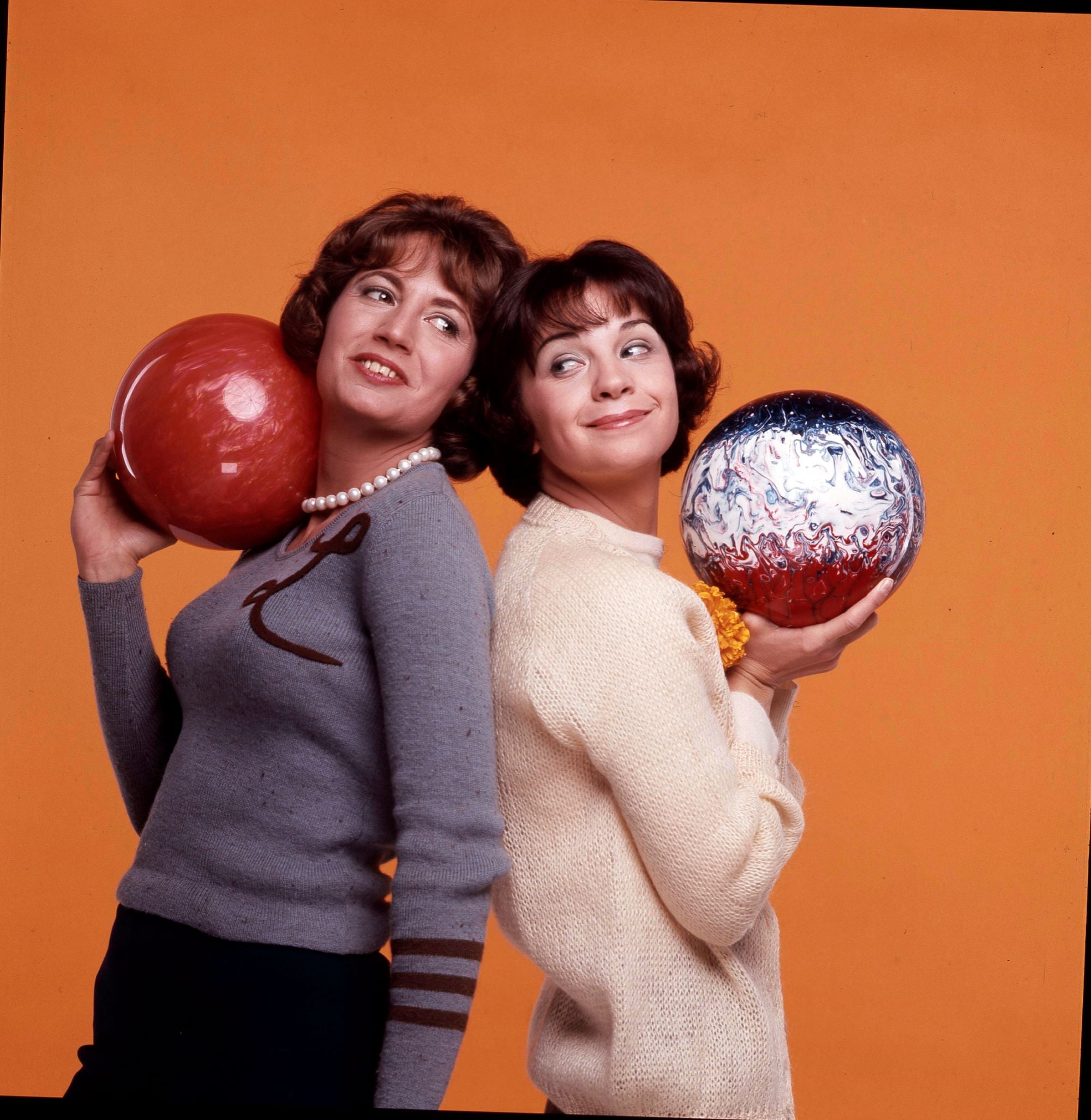
Her career reached new heights when her brother, Garry Marshall, introduced the characters Laverne DeFazio (Penny Marshall) and Shirley Feeney (Cindy Williams) in a 1975 episode of Happy Days. The characters proved so popular with test audiences and viewers that ABC commissioned a spin-off series, Laverne & Shirley, which premiered in January 1976.
- The Odd Couple (1971–1975)
- Happy Days Guest Appearance (1975)
- Laverne & Shirley (1976–1983)
- Directorial Debut: Jumpin' Jack Flash (1986)
Laverne & Shirley became a massive television success, ranking as the most-watched show on American television for multiple seasons during its eight-season run from 1976 to 1983. Marshall's performance as the tough, physical, yet deeply endearing brewery worker Laverne DeFazio earned her three Golden Globe nominations for Best Actress in a Television Series – Comedy or Musical.
Crucially, working on Laverne & Shirley served as Marshall's informal apprenticeship in film production and directing. Seeking greater creative input over the show's narrative pacing and physical comedy, Marshall directed four episodes of the series between 1979 and 1983. This behind-the-camera experience gave her hands-on expertise in camera blocking, multi-camera television production, and directing ensemble casts—skills that directly prepared her for feature filmmaking.
Glass-Ceiling Directorial Breakthroughs: Big, Awakenings, and A League of Their Own
When Penny Marshall transitioned to feature film directing in the mid-1980s, the Hollywood studio system rarely entrusted female directors with mid-to-high-budget mainstream projects. Marshall defied these structural limitations, directing a string of critical and commercial blockbusters that changed the industry's perception of commercial viability for female filmmakers.
Jumpin' Jack Flash (1986)
Marshall's feature directorial debut occurred under high-pressure circumstances. When original director Howard Zieff left the production of the spy comedy Jumpin' Jack Flash, producer Joel Silver and star Whoopi Goldberg recruited Marshall to step in and complete the picture. Despite taking over mid-production, Marshall managed the complex production budget and proved her ability to direct major studio talent under tight deadlines.
Big (1988)
Marshall's second feature, Big, starring Tom Hanks as a boy whose wish to be grown up comes true, became a landmark cultural and economic event. The film combined gentle fantasy with emotional vulnerability, anchored by Hanks's physical comedy and Marshall's observational directing style.
Big grossed over $151 million worldwide against an $18 million budget. This achievement made Marshall the first female director in cinema history to helm a film that earned over $100 million at the U.S. box office. The film earned two Academy Award nominations, including Best Actor for Tom Hanks, establishing Marshall as an A-list director capable of balancing commercial comedy with authentic character development.
Awakenings (1990)
Moving into dramatic storytelling, Marshall directed Awakenings, adapted from neurologist Oliver Sacks's 1973 memoir. Starring Robert De Niro as a catatonic encephalitis patient temporarily revived by L-Dopa drug therapy and Robin Williams as his dedicated physician, the film demonstrated Marshall's versatility outside of pure comedy.
Awakenings earned three Academy Award nominations, including a nomination for Best Picture. Marshall became only the second woman in Oscar history to direct a film nominated for Best Picture (following Randa Haines for Children of a Lesser God in 1986). The film confirmed that female directors could helm prestige studio dramas featuring top-tier male dramatic actors.
A League of Their Own (1992)
Marshall followed Awakenings with A League of Their Own, a fictionalized historical sports comedy-drama chronicling the real-life All-American Girls Professional Baseball League (AAGPBL), created during World War II. Starring Geena Davis, Lori Petty, Madonna, Rosie O'Donnell, and Tom Hanks as the washed-up manager Jimmy Dugan, the film was both a critical darling and a commercial phenomenon.
The film grossed over $107 million domestically, making Marshall the first woman to direct two separate films crossing the $100 million box office threshold. Its famous dialogue line—"There's no crying in baseball!"—became one of the most iconic quotes in American film history. In 2012, the United States Library of Congress selected A League of Their Own for preservation in the National Film Registry for being "culturally, historically, or aesthetically significant."
Key Directorial Highlights and Box Office Impact
The table below outlines Penny Marshall's key directorial feature films, detailing their release years, primary cast members, domestic box office performance, and historical significance.
| Film Title | Release Year | Primary Cast | Domestic Box Office (USD) | Historical Significance & Industry Impact |
|---|---|---|---|---|
| Jumpin' Jack Flash | 1986 | Whoopi Goldberg, Stephen Collins, Carol Kane | ~$30 million | Marshall's feature debut; demonstrated her capacity to handle studio star vehicles. |
| Big | 1988 | Tom Hanks, Elizabeth Perkins, Robert Loggia | $114.9 million | First film directed by a woman to cross $100 million at the domestic box office. |
| Awakenings | 1990 | Robert De Niro, Robin Williams, Julie Kavner | $52.1 million | Nominated for 3 Academy Awards, including Best Picture; proved her dramatic range. |
| A League of Their Own | 1992 | Geena Davis, Tom Hanks, Lori Petty, Madonna | $107.5 million | Second $100M+ film; inducted into the U.S. National Film Registry in 2012. |
| The Preacher's Wife | 1996 | Denzel Washington, Whitney Houston, Courtney B. Vance | $48.1 million | Re-imagining of The Bishop's Wife; featured the multi-platinum gospel soundtrack by Whitney Houston. |
| Riding in Cars with Boys | 2001 | Drew Barrymore, Steve Zahn, Brittany Murphy | $35.7 million | Marshall's final feature narrative film; showcased complex female-driven biography. |
The Architectural Legacy: Impact on Women in Hollywood and Modern Cinema
Penny Marshall's directorial achievements altered the economics of female directing in mainstream Hollywood. Before her success in the late 1980s and early 1990s, studio executives frequently relegated female filmmakers to small-budget independent films or domestic melodramas, citing unproven box office viability for wider release schedules.
- Pre-1988 Studio System
- Female directors restricted to low-budget/indie films
- 1988–1992: Marshall's Breakthroughs
- "Big" & "A League of Their Own" exceed $100M box office
- Modern Studio Landscape
- Direct blueprint for female directors handling major commercial releases
Marshall disproved these structural arguments by consistently delivering films that were simultaneously commercial, critically acclaimed, and broadly accessible across demographics. Her directorial signature combined three primary elements:
- Character-Centered Comedy: Marshall emphasized performance over high-concept visual gimmicks. She allowed actors to explore physical vulnerability, encouraging improvisation within a tightly structured narrative.
- Subversion of Traditional Roles: Across films like Big and A League of Their Own, Marshall explored non-traditional masculinity, emotional maturity, and women occupying sports and occupational spaces historically reserved for men.
- Cross-Genre Reliability: By moving effortlessly between broad slapstick (Jumpin' Jack Flash), fantasy-comedy (Big), historical sports drama (A League of Their Own), and medical drama (Awakenings), she established that female directors were not limited to gender-specific narrative genres.
Modern female directors, including Greta Gerwig, Patty Jenkins, and Ava DuVernay, have cited Marshall's box office breakthroughs as critical precedents that helped pave the way for female filmmakers to direct high-budget studio blockbusters.
Preserving Her Work: How Fans and Scholars Can Explore Her Archives
For film historians, scholars, and audiences interested in exploring Penny Marshall's contribution to American popular culture, several primary resources and archives remain publicly accessible.
- Memoir and Written History: In 2012, Marshall published her autobiography, My Mother Was Nuts: A Memoir. The book provides candid insights into her upbringing in the Bronx, her experiences working in 1970s television, her transition to film directing, and the personal and health challenges she faced throughout her life.
- National Film Registry Preservation: The Library of Congress maintains high-definition archival copies and preservation notes for A League of Their Own. Film scholars can access research materials, oral histories, and promotional documentation associated with the film through the National Film Preservation Board.
- Museum Collections and Retrospectives: Costumes and props from Laverne & Shirley—including Laverne's signature monogrammed "L" sweaters—are preserved in collections such as the Smithsonian's National Museum of American History in Washington, D.C.
- Home Media and Streaming Services: Marshall's complete directorial catalog, along with the full eight-season run of Laverne & Shirley, remains widely available through physical media releases (Blu-ray, 4K restorations) and digital streaming networks.
Frequently Asked Questions
When did Penny Marshall pass away, and what was the official cause of death?
Penny Marshall passed away on December 17, 2018, at her home in Los Angeles at the age of 75. Her family confirmed that her cause of death was heart failure combined with complications from type 1 diabetes.
What box office record did Penny Marshall set with the film Big?
With the release of Big in 1988, Penny Marshall became the first female director in cinema history whose film earned more than $100 million at the domestic U.S. box office. The film ultimately grossed over $151 million worldwide.
Were Penny Marshall and Garry Marshall related?
Yes, Penny Marshall was the younger sister of Garry Marshall, the acclaimed creator of Happy Days, The Odd Couple TV series, and director of films such as Pretty Woman and The Princess Diaries. Garry Marshall passed away earlier, on July 19, 2016.
Which of Penny Marshall's films is preserved in the National Film Registry?
In 2012, the Library of Congress selected Penny Marshall's 1992 baseball film A League of Their Own for preservation in the United States National Film Registry, recognizing it as culturally, historically, or aesthetically significant.
Did Penny Marshall win or get nominated for an Academy Award?
While Penny Marshall herself was not nominated for Best Director, her 1990 film Awakenings was nominated for three Academy Awards, including Best Picture. This made her only the second woman in Oscar history to direct a film nominated for the Academy Award for Best Picture.
Next Steps for Film Enthusiasts and Scholars
To fully appreciate Penny Marshall's lasting contribution to cinema and television, consider engaging with her work through these structured recommendations:
- Watch Her Core Directorial Trilogy: Begin by watching Big (1988), Awakenings (1990), and A League of Their Own (1992) consecutively to analyze her directorial progression from high-concept comedy to complex ensemble drama.
- Read Her Autobiography: Obtain a copy of My Mother Was Nuts: A Memoir (2012) for firsthand context on how she navigated the male-dominated Hollywood studio system during the 1970s and 1980s.
- Examine Her Influence on Modern Directors: Compare the structural pacing and physical comedy in Marshall's work with modern studio films directed by female filmmakers, noting how her early box-office records paved the path for female-led studio productions today.
Image Gallery