Is Zero Gravity a Good Sleeping Position? Benefits, Science, and Suitability in 2026
Zero gravity is considered an excellent sleeping position for individuals seeking relief from lower back pain, poor circulation, and respiratory issues like snoring or sleep apnea. By elevating the head and knees above the heart at a s...
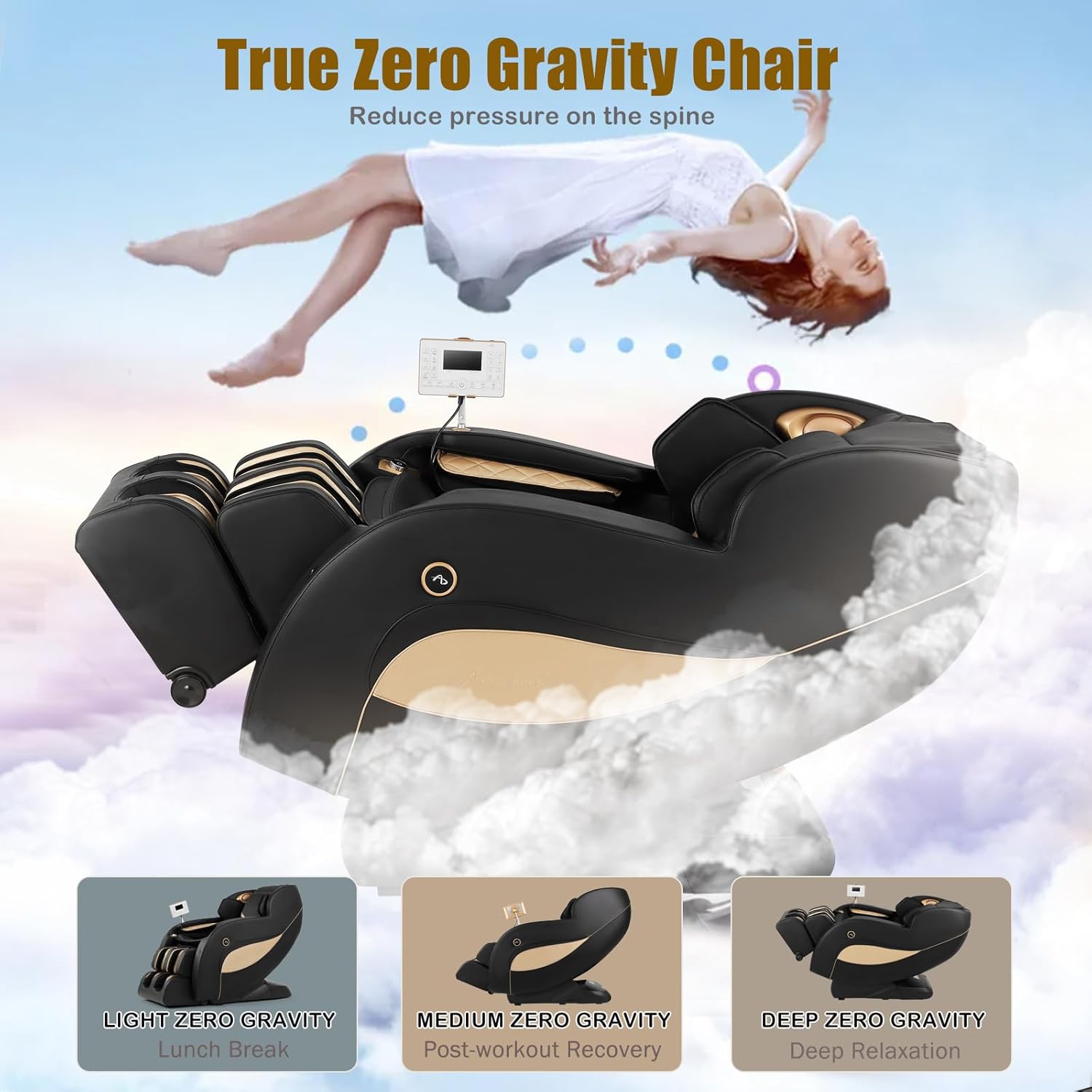
Zero gravity is considered an excellent sleeping position for individuals seeking relief from lower back pain, poor circulation, and respiratory issues like snoring or sleep apnea. By elevating the head and knees above the heart at a specific 120-to-130-degree angle, the position mimics the "neutral body posture" developed by NASA, effectively neutralizing the effects of gravity on the spine and joints.
Contents
The Origins and Science of the Zero Gravity Position
While the term "zero gravity" (Zero-G) might sound like science fiction, its roots are firmly planted in aerospace engineering. The concept was originally developed by NASA to protect astronauts from the intense G-forces experienced during takeoff. By placing astronauts in a reclined position with their legs elevated, NASA found that the body could distribute the stress of acceleration more evenly, minimizing the strain on the skeletal and cardiovascular systems.
In the context of sleep science in 2026, the Zero-G position refers to a specific configuration achievable through adjustable bed bases. The goal is to reach a state of "neutral body posture." In this state, the muscles are at their most relaxed length, and the joints are under minimal stress. When you lie flat on a traditional mattress, gravity pulls your midsection downward, often leading to an arched lower back and strained hip flexors. Zero gravity corrects this by tilting the torso and raising the knees, which flattens the lower back against the sleep surface and creates a weightless sensation.
Key Health Benefits of Zero Gravity Sleep
Adopting a zero-gravity position offers a range of physiological advantages that extend beyond simple comfort. For many, it transitions from a luxury preference to a medical necessity for managing chronic conditions.
1. Spinal Decompression and Pain Relief
The primary reason many users switch to zero gravity is to alleviate chronic back pain. When the legs are elevated, the pelvis is tilted slightly backward, which allows the lumbar spine (the lower back) to flatten and relax. This decompression can provide significant relief for those suffering from sciatica, herniated discs, or general muscle tension. By removing the pressure from the vertebrae and the surrounding nerves, the body can enter a deeper state of restorative sleep.
2. Enhanced Cardiovascular Circulation
In a traditional flat position, the heart must work against gravity to pump blood back up from the lower extremities. By elevating the legs above the level of the heart, gravity actually assists in venous return. This reduction in "cardiac workload" is particularly beneficial for individuals with edema (swelling in the legs and feet), varicose veins, or deep vein thrombosis (DVT) concerns. Better circulation also ensures that oxygenated blood reaches muscle tissues more efficiently throughout the night.
3. Improved Respiratory Function and Snoring Reduction
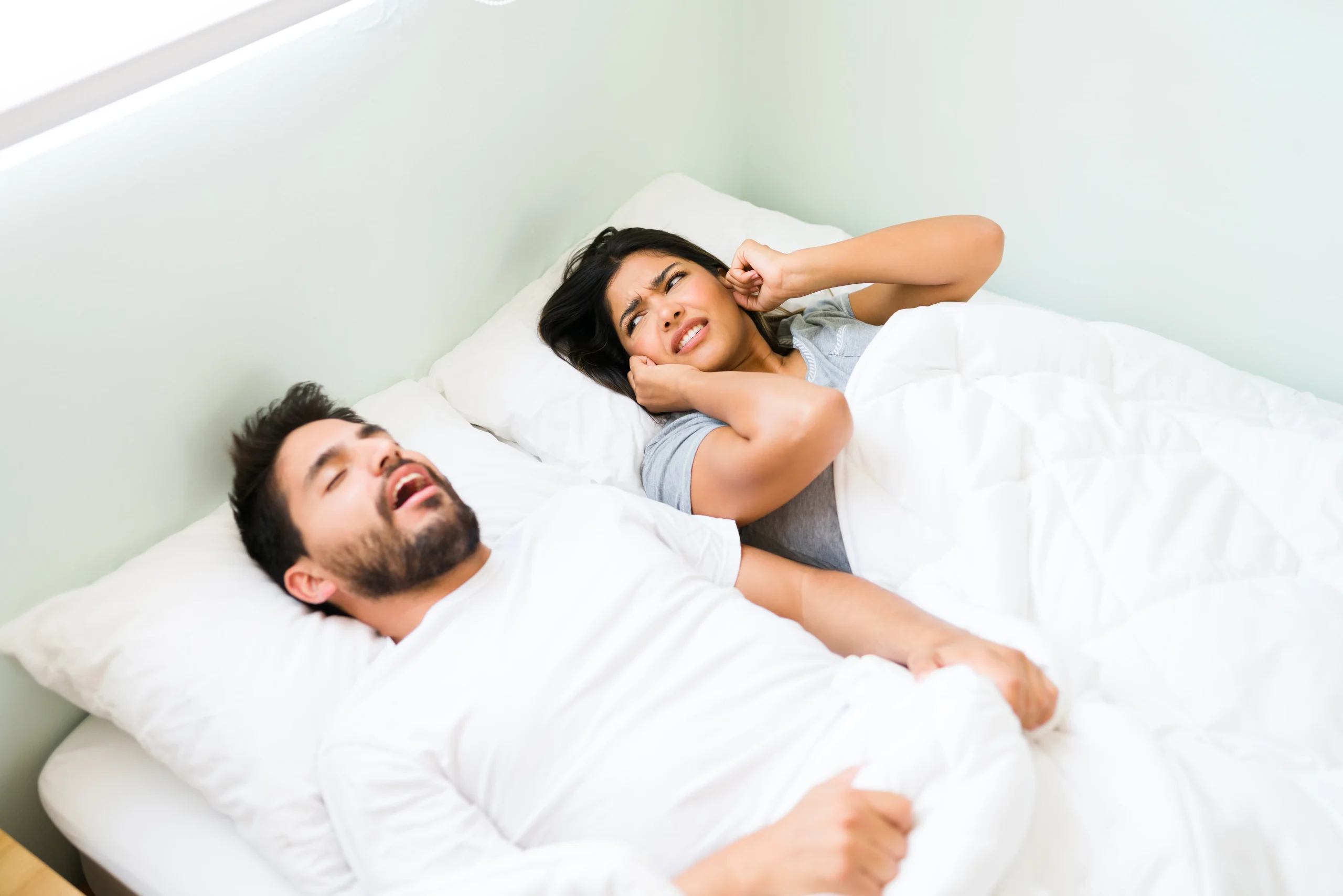
Sleeping flat often causes the soft tissues in the throat to collapse under the weight of gravity, which is a primary cause of snoring and obstructive sleep apnea (OSA). By elevating the head and torso, the airway remains open and unobstructed. This position also reduces pressure on the diaphragm, allowing for fuller, deeper breaths. Many users find that they wake up feeling more refreshed because their blood-oxygen levels remain stable throughout the night.
4. Mitigation of Acid Reflux and GERD
Gastroesophageal Reflux Disease (GERD) and general nighttime heartburn occur when stomach acid travels back up into the esophagus. Because the zero-gravity position keeps the upper body elevated, gravity helps keep stomach contents where they belong. This is often a more effective and comfortable alternative to stacking multiple pillows, which can lead to neck strain and poor spinal alignment.
Who Should Consider the Zero Gravity Position?
While the benefits are extensive, the zero-gravity position is not a universal solution for every sleeper. Suitability often depends on your primary sleep posture and specific health goals.
- Back Sleepers: These individuals benefit the most. The position is naturally designed for supine (back) sleeping and provides immediate relief to the lower back and neck.
- Chronic Pain Sufferers: Those with fibromyalgia, arthritis, or post-surgical recovery needs often find that the weightless sensation reduces "pressure points" that cause tossing and turning.
- Athletes: In 2026, many professional athletes use Zero-G settings to accelerate muscle recovery. The improved circulation helps flush lactic acid and reduces inflammation after intense physical exertion.
- Pregnant Individuals: In the later stages of pregnancy, sleeping flat can be uncomfortable and even dangerous due to the weight of the uterus on the vena cava. A modified zero-gravity position can improve comfort and blood flow to both the parent and the baby.
Important Considerations for Side and Stomach Sleepers
If you are a dedicated stomach sleeper, the zero-gravity position is generally not recommended. Attempting to sleep on your stomach in a reclined position will cause an unnatural and painful arch in the back.
Side sleepers can utilize a modified version of zero gravity, but it requires careful adjustment. A slight elevation of the head and feet can still provide some pressure relief, but the full 120-degree "V" shape is usually uncomfortable for those on their side, as it can pinch the hips or cause the spine to curve laterally.
Equipment Requirements: What You Need in 2026
To achieve a true zero-gravity position, you cannot simply rely on pillows. You require an adjustable power base and a compatible mattress.
| Feature | Requirement | Notes |
|---|---|---|
| Bed Base | Motorized Adjustable Base | Must have independent head and foot articulation. Look for "One-Touch Zero-G" presets. |
| Mattress Type | Memory Foam or Latex | These materials are highly flexible and will contour to the base's angles without damage. |
| Hybrid Option | Pocketed Coil Hybrids | Many modern 2026 hybrids are compatible, but check the manufacturer's warranty regarding "adjustable base use." |
| Innerspring | Not Recommended | Traditional tied-coil mattresses are too rigid and will likely break or lose structural integrity. |
| Weight Capacity | 650 lbs - 850 lbs | Ensure the base motors are rated for both the mattress weight and the sleepers. |
Potential Drawbacks and Limitations
Despite the health benefits, there are practical and physical hurdles to consider before making the investment.
- The Adjustment Period: For those used to sleeping flat, the sensation of being reclined can feel "unnatural" for the first 5 to 10 nights. Some users report a "dead leg" sensation if the legs are elevated too high, which indicates a need to lower the foot section slightly.
- Cost of Entry: While prices have stabilized in 2026, a high-quality adjustable base remains a significant investment. Entry-level models may lack the "wall-hugging" technology that keeps you near your nightstand when the head is elevated.
- Partner Compatibility: If you share a bed, your partner might not want to sleep in a reclined position. This often necessitates a "Split King" setup, where two Twin XL mattresses and bases are placed side-by-side, allowing for independent control.
- Mobility Restrictions: Some individuals find it harder to get out of bed from a reclined position, especially if they have limited core strength. Most modern bases include a "Flat" button to quickly return the bed to a level state for easier exit.
Expert Tips for Transitioning to Zero Gravity Sleep
If you are new to the zero-gravity position, follow these steps to ensure a successful transition and better sleep hygiene:
- Start Gradually: You don't have to hit the full NASA-spec angle on night one. Use the adjustable base to slightly elevate your head and feet, increasing the angle over several nights as your body acclimates.
- Monitor Your Lower Back: If you feel a "pulling" sensation in your lower back, your legs may be too high. The goal is to feel the small of your back pressing gently and evenly into the mattress.
- Use a Contoured Pillow: Even in zero gravity, your neck needs support. A low-profile contoured memory foam pillow usually works best to keep the cervical spine aligned with the elevated torso.
- Temperature Management: Because Zero-G positions involve more "cradling" by the mattress, you might feel warmer. Opt for cooling mattress covers or moisture-wicking sheets to offset the increased surface area contact.
Frequently Asked Questions
Is it safe to sleep in zero gravity every night?
Yes, it is safe and generally encouraged for those with back pain or circulatory issues. However, if you have a specific medical condition like severe congestive heart failure, consult your physician first, as changes in blood flow and fluid distribution can impact certain cardiac functions.
Can zero gravity help with restless leg syndrome (RLS)?
Many users report a reduction in RLS symptoms. The elevation helps with blood flow and can reduce the "tingling" or "crawling" sensations associated with the condition. However, it is a management tool rather than a cure.
Do I need a special pillow for zero gravity sleep?
While not strictly required, a thinner pillow is often better. Because the head of the bed is already elevated, a thick, high-loft pillow can push your chin toward your chest, potentially straining your neck or narrowing your airway.
Does zero gravity sleep affect digestion?
It typically improves it. By keeping the esophagus above the stomach, it prevents acid reflux and can help the body process food more comfortably if you have eaten close to bedtime.
Can children or teenagers sleep in a zero-gravity position?
While safe, it is rarely necessary for younger individuals unless they have specific medical needs like asthma or physical injuries. For most healthy children, a flat surface provides the necessary support for developing spines.
Final Recommendation
If you are a back sleeper struggling with snoring, lower back pain, or evening leg swelling, zero gravity is an excellent sleeping position. It provides a scientifically backed method to reduce physical stress on the body and improve sleep quality. However, for those who exclusively sleep on their stomachs or for side sleepers who are not willing to invest in a split-system adjustable base, the transition may be difficult. Before purchasing, test an adjustable base in a showroom to ensure the "weightless" sensation aligns with your personal comfort preferences.
Image Gallery