Secondary Research Meaning: How Desk Research Is Defined and Applied
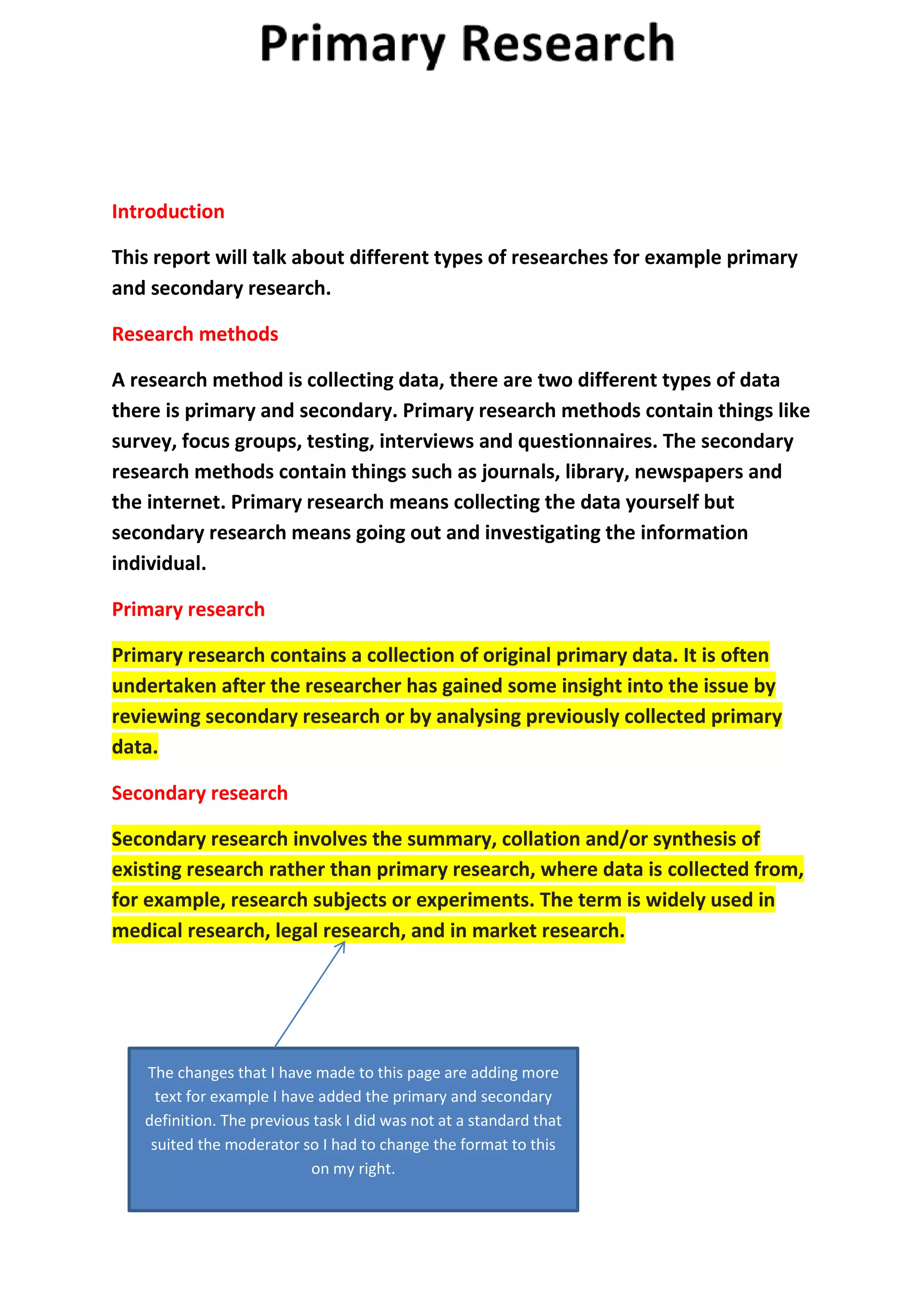
Secondary research, commonly referred to as desk research, is the practice of gathering, evaluating, and synthesizing existing data previously collected by external organizations, academic institutions, or internal departments. Rather...
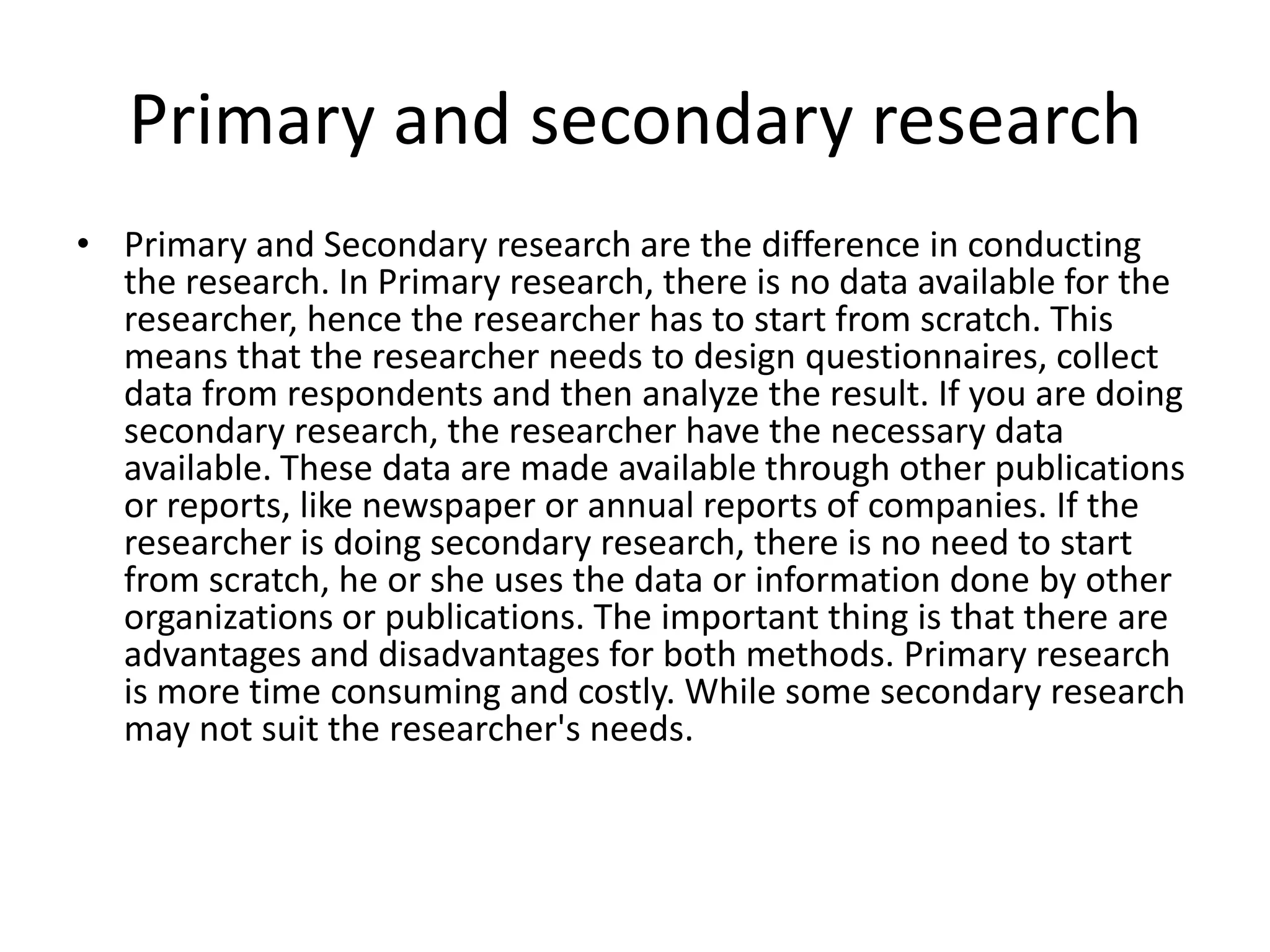
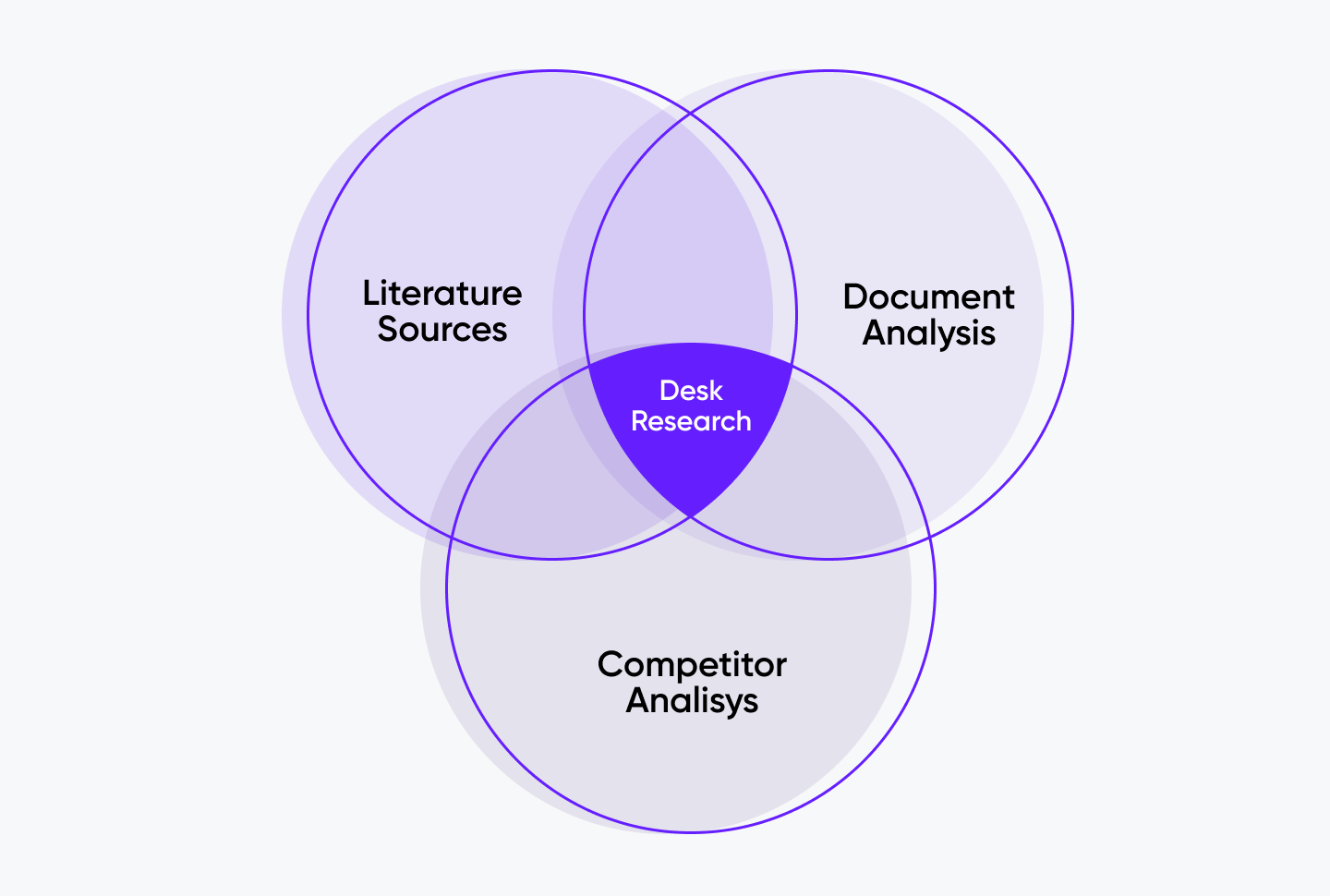
Secondary research, commonly referred to as desk research, is the practice of gathering, evaluating, and synthesizing existing data previously collected by external organizations, academic institutions, or internal departments. Rather than producing original dataset inputs through direct field trials, interviews, or surveys, researchers analyze existing studies, official statistics, trade publications, and corporate records to solve business problems or answer research questions.
Contents
What Is Secondary Research? Definition and Core Principles
Desk research centers on leveraging existing intellectual capital to answer strategic, technical, or academic questions. When an organization conducts secondary research, it re-examines data originally gathered for a primary objective and repurposes those insights to form hypotheses, evaluate market conditions, or validate theoretical frameworks.
The underlying principle of desk research is data efficiency. Collecting primary data through focus groups or randomized control trials requires substantial capital, complex logistics, and extended timelines. Secondary research allows analysts to build upon verified knowledge bases, establishing baseline metrics and historical trends before committing resources to empirical data collection.
| Primary Research | Secondary Research |
|---|---|
| • Firsthand Data Collection | • Pre-Existing Datasets |
| • Surveys, Interviews, Experiments | • Reports, Census, SEC |
| • High Customization & Control | • High Speed & Low Cost |
Secondary Research vs. Primary Research: Key Differences
Understanding the structural distinction between primary and secondary research is fundamental to designing an effective analytical strategy:
- Data Provenance: Primary research generates raw, original data directly from source subjects. Secondary research processes secondary data that has already undergone prior collection, filtering, and initial interpretation.
- Cost and Resource Intensity: Primary studies incur high costs for participant recruitment, platform software, field operations, and data cleaning. Secondary research relies primarily on staff time, subscription databases, and open-access repositories.
- Control and Tailoring: Primary methodologies allow precise control over survey questions, sample sizes, and experimental variables. Secondary research requires analysts to adapt to whatever metrics, definitions, and timeframes were used by the original author.
- Time to Insight: Primary studies often require weeks or months to design, execute, and analyze. Secondary research can yield actionable insights within hours or days, making it the primary choice for initial feasibility studies and market scans.
Types of Secondary Data Sources
Secondary research relies on a diverse ecosystem of data sources, broadly categorized into internal operational records and external public or proprietary repositories.
Internal Secondary Data Sources
Organizations possess extensive historical data that can be re-analyzed to inform strategic decisions. Internal desk research examines:
- Customer Relationship Management (CRM) Records: Transaction histories, customer support logs, churn rates, and interaction frequencies.
- Financial and Sales Reports: Quarterly revenue breakdowns, product line profit margins, regional sales figures, and inventory turnover ratios.
- Previous Primary Studies: Legacy customer satisfaction surveys, past product test results, and archived user experience evaluations.
- Operational Metrics: Enterprise resource planning (ERP) data, supply chain delivery logs, and web analytics tracking user journeys over time.
External Secondary Data Sources
When internal data cannot answer a research question, analysts turn to external published sources:
- Governmental Statistics and Regulatory Filings: High-density statistical repositories published by state agencies, such as demographic data from the U.S. Census Bureau or corporate financial disclosures accessible via the U.S. Securities and Exchange Commission (SEC) EDGAR database.
- Peer-Reviewed Academic Journals: Empirical studies, systematic literature reviews, and longitudinal analyses published in indexed academic repositories like JSTOR, ScienceDirect, or PubMed.
- Industry and Market Research Reports: Commercial market studies issued by market intelligence firms (such as Gartner, Forrester, or IBISWorld) that provide sector evaluations, market sizing, and growth projections.
- Trade Associations and News Publications: Specialized industry associations produce benchmark surveys, white papers, and economic forecasts tailored to specific verticals like logistics, healthcare, or financial services.
Step-by-Step Methodology: How Desk Research Is Applied
Executing rigorous secondary research requires a structured methodology to ensure data integrity, eliminate selection bias, and derive actionable conclusions.
- [Phase 1] Define Objectives & Scope
- Formulate key research questions and target parameters
- [Phase 2] Source Discovery & Querying
- Search academic databases, government portals, and industry reports
- [Phase 3] Critical Source Evaluation
- Audit for authority, recency, bias, and methodology
- [Phase 4] Data Extraction & Cross-Verification
- Normalize data points and cross-check across sources
- [Phase 5] Synthesis & Strategic Reporting
- Translate findings into actionable strategic frameworks
Phase 1: Research Framing and Objective Definition
Before searching for sources, define the specific problem statement and establish parameters:
- Formulate Research Questions: Break down broad topics into precise, testable questions (e.g., instead of "What is the status of electric vehicles?", ask "What was the compound annual growth rate of commercial EV fleet adoption in Western Europe between 2021 and 2025?").
- Define Inclusion Criteria: Set strict boundary conditions regarding geographic relevance, publication date ranges, language constraints, and minimum sample sizes.
- Identify Required Data Types: Clarify whether the objective requires quantitative statistical data, qualitative policy summaries, regulatory compliance guidelines, or competitive benchmarks.
Phase 2: Source Discovery and Search Strategy
Conduct systematic retrieval across reliable platforms:
- Develop Search Syntaxes: Utilize Boolean operators (
AND,OR,NOT), exact phrase matching, and field-specific tags to refine queries in academic and institutional engines. - Diversify Repositories: Aggregate data across multiple independent domains—combining government datasets, academic literature, and commercial intelligence—to avoid single-source dependence.
- Document Search Logs: Maintain an auditable record of search strings, databases queried, dates accessed, and retrieved document counts to ensure analytical reproducibility.
Phase 3: Data Verification and Quality Assessment
Evaluating source credibility is critical in secondary analysis. Apply strict auditing criteria to every source:
- Authority and Expertise: Assess the author's credentials, institutional affiliation, and reputation within the field.
- Methodological Rigor: Review the original data collection method. Did the primary researcher use representative sampling? Was the sample size statistically significant?
- Recency and Temporal Relevance: Check when the original data was gathered, not just when it was republished. Economic and technological metrics decay rapidly over time.
- Objectivity and Commercial Bias: Determine whether the publisher has a commercial, political, or promotional interest that could skew data presentation or narrative framing.
Phase 4: Data Synthesis and Analytical Frameworks
Transform isolated statistics and qualitative excerpts into strategic insights:
- Cross-Verification (Triangulation): Validate critical numbers by cross-referencing independent sources. If three distinct industry reports yield similar market size metrics, confidence in the findings increases substantially.
- Data Normalization: Standardize disparate data units, currency values, inflation adjustments, and reporting timeframes to create apples-to-apples comparisons.
- Gap Identification: Highlight areas where available secondary data is contradictory, outdated, or insufficient, identifying specific topics that require targeted primary research.
Strategic Applications Across Industries
Desk research serves distinct operational purposes across diverse functional disciplines:
Market Entry and Expansion Feasibility
When entering a new geographic market or launching a new product line, companies conduct secondary research to assess macroeconomic stability, demographic trends, purchasing power, and local regulatory requirements. Analyzing public census data and trade statistics allows leaders to evaluate market capacity prior to allocating capital.
Competitive Intelligence
Organizing competitive analysis through secondary sources involves reviewing publicly available regulatory disclosures, annual financial reports, patent filings, corporate press releases, and job posting trends. These datasets provide clear visibility into competitors' strategic priorities, hiring patterns, capital expenditures, and operational vulnerabilities.
Academic Literature Reviews
In academic research, desk research forms the foundation of every scientific study. Authors execute formal literature reviews to establish existing scientific consensus, track theoretical evolutions, identify knowledge gaps, and contextualize their proposed hypotheses within established scholarship.
Policy and Regulatory Compliance Analysis
Legal departments, policy analysts, and corporate risk officers utilize secondary research to track legislative updates, statutory changes, regulatory rulings, and court precedents. By compiling government policy briefs and legal analysis, organizations align their operations with shifting regulatory standards.
Comprehensive Comparison of Research Approaches
The table below contrasts secondary research against primary research and mixed-methods approaches across operational parameters:
| Operational Parameter | Secondary (Desk) Research | Primary Field Research | Mixed-Methods Research |
|---|---|---|---|
| Primary Objective | Synthesize existing data to identify trends, baselines, and context | Gather tailored original data to solve specific unanswered questions | Combine secondary context with original data for comprehensive validation |
| Typical Cost Range | Low to Moderate (Staff time, database subscriptions) | High to Very High (Incentives, logistics, specialized software) | Moderate to High (Balanced resource allocation) |
| Timeframe to Output | Rapid (Hours to several weeks) | Extended (Weeks to several months) | Phased (Initial desk phase followed by field execution) |
| Data Customization | Fixed (Dependent on original study parameters) | Fully Tailored (Precise metrics and custom questions) | Contextualized (Secondary data frames primary instruments) |
| Core Vulnerability | Potential source bias, outdated statistics, parameter misalignment | High execution error risks, sample bias, high cost | Logistical complexity, higher resource management burden |
| Recommended Use Case | Initial feasibility, baseline mapping, policy audits | Product validation, user experience testing, brand tracking | Enterprise strategy, complex product launches, academic dissertations |
Key Advantages and Operational Limitations
While desk research is an indispensable business tool, analysts must balance its speed and efficiency against its inherent constraints.
Advantages
- Cost-Effective Resource Allocation: Eliminates the significant expenses associated with field operations, survey platform licensing, participant compensation, and primary data processing.
- Immediate Accessibility: Published literature, census records, and financial databases can be accessed instantly, accelerating decision-making timelines.
- Longitudinal Perspective: Secondary data enables trend analysis over long periods (e.g., multi-decade demographic shifts or historical economic cycles) that would be impossible to replicate in a short-term primary study.
- Broad Geographic Reach: Allows small research teams to analyze international markets without deploying overseas field resources.
Limitations
- Lack of Specificity: Published data may not map directly to your unique business problem, target persona, or narrow niche segment.
- Data Timeliness and Obsolescence: Secondary data reflects past conditions. Fast-moving industries (such as artificial intelligence or fintech) may find published research obsolete within months.
- Variable Data Quality: Publicly available reports vary widely in methodological transparency, sample validity, and objective neutrality.
- Inflexible Definitions: Data categories used by external authors (e.g., income brackets, geographic boundaries, age brackets) may not line up with internal organizational segmentations.
Best Practices to Avoid Common Desk Research Pitfalls
To maintain technical accuracy and maximize business value during secondary research, follow these operational guidelines:
- Trace Data to Primary Publishers: Never rely solely on secondary summaries or news articles citing a statistic. Trace quotes and metrics back to the original source study to review original methodology, sample size, and contextual limits.
- Audit Methodological Disclosures: Reject research reports that fail to explain their sampling techniques, margin of error, data collection tools, and funding sources.
- Cross-Check Discrepancies: When two credible reports yield conflicting statistics, examine the underlying definitions, survey periods, and geographic boundaries to reconcile the discrepancy rather than arbitrarily selecting one.
- Maintain Standardized Citation Standards: Systematically document source titles, authors, publication dates, DOIs, and access dates to ensure internal auditability and intellectual integrity.
- Acknowledge Methodological Boundaries: Explicitly state the assumptions, missing data points, and temporal limitations of your desk research when presenting conclusions to executive stakeholders.
Frequently Asked Questions
What is the difference between internal and external desk research?
Internal desk research analyzes proprietary data generated within an organization, such as sales records, CRM logs, financial statements, and past project reviews. External desk research evaluates third-party data published outside the organization, including government statistics, academic literature, SEC filings, and commercial trade publications.
Can secondary research completely replace primary research?
In many cases, no. While secondary research provides valuable baseline data, historical contexts, and market overviews, it cannot capture proprietary customer feedback, evaluate custom product features, or answer highly novel, niche operational questions. Secondary research is most effective when used to frame and narrow subsequent primary research initiatives.
How can you verify the reliability of a secondary data source?
Verify source reliability by evaluating author authority, institutional independence, methodological transparency, sample size, and publication recency. Check whether the methodology is peer-reviewed or independently audited, and cross-verify key metrics against independent baseline sources like government censuses or recognized academic journals.
What are the most common tools used for desk research?
Common tools include academic indexing databases (JSTOR, Google Scholar, PubMed), public regulatory engines (SEC EDGAR, European Data Portal), market intelligence platforms (Gartner, IBISWorld), and internal analytics systems (SQL databases, CRM tools, ERP platforms). Advanced desk research also utilizes reference management software (such as Zotero or Mendeley) to track citations.
Why is secondary research usually conducted before primary research?
Conducting secondary research first prevents organizations from spending resources to discover facts that are already well-documented. Desk research clarifies current knowledge, identifies critical research gaps, refines specific questions, and prevents unnecessary expenditure on redundant primary studies.
Practical Next Steps for Executing Desk Research
To implement an effective desk research project, begin by creating a central research repository and defining a clear objective brief.
- Establish Scope: Draft a single-page problem statement outlining target research questions, relevant timeframes, geographic limits, and acceptable source types.
- Build a Source Matrix: Develop a standardized spreadsheet to log search queries, document links, publication dates, author credentials, methodology scores, and key findings.
- Execute Triangulation: For every critical strategic assumption or numeric metric, ensure you have verified the claim across at least two independent, methodology-transparent sources before presenting conclusions to decision-makers.
Image Gallery