Remembering the Last Survivor of the Pearl Harbor Attack
The last verified survivor of the December 7, 1941, attack on Pearl Harbor was Lou Conter, who passed away on April 1, 2024, at the age of 102. A retired U.S. Navy lieutenant commander, Conter was aboard the USS Arizona during the Japa...
The last verified survivor of the December 7, 1941, attack on Pearl Harbor was Lou Conter, who passed away on April 1, 2024, at the age of 102. A retired U.S. Navy lieutenant commander, Conter was aboard the USS Arizona during the Japanese assault and dedicated his later years to educating subsequent generations about the sacrifices made that day.
Contents
The Life and Service of Lou Conter
Lou Conter was born in Ojibwa, Wisconsin, in 1921. He enlisted in the U.S. Navy in 1939, just two years before the United States would be thrust into the Second World War. By the morning of December 7, 1941, he was stationed as a quartermaster on the USS Arizona, one of the primary targets of the Imperial Japanese Navy’s surprise aerial strike.
When the bombs began to fall, Conter was on deck, witnessing the catastrophic explosion of the ship’s forward magazine, which caused the vessel to sink in mere minutes. Despite the overwhelming chaos, fire, and structural disintegration of the ship, Conter assisted in the evacuation of wounded crew members and helped man machine guns to return fire against the attacking aircraft. His survival was a testament to both his training and, by his own account, sheer fortune amidst the destruction of a ship that suffered the loss of 1,177 crew members.
Following the attack on Pearl Harbor, Conter continued his service with distinction. He transitioned into naval aviation, serving as a pilot during the Pacific Theater, and later flew missions during the Korean War. His career spanned nearly three decades, during which he achieved the rank of lieutenant commander. After retiring from the military in 1967, he settled in California, where he became a prominent figure in the Pearl Harbor Survivors Association, an organization dedicated to maintaining the memory of those who served and perished in the attack.
The Significance of the Last Survivor
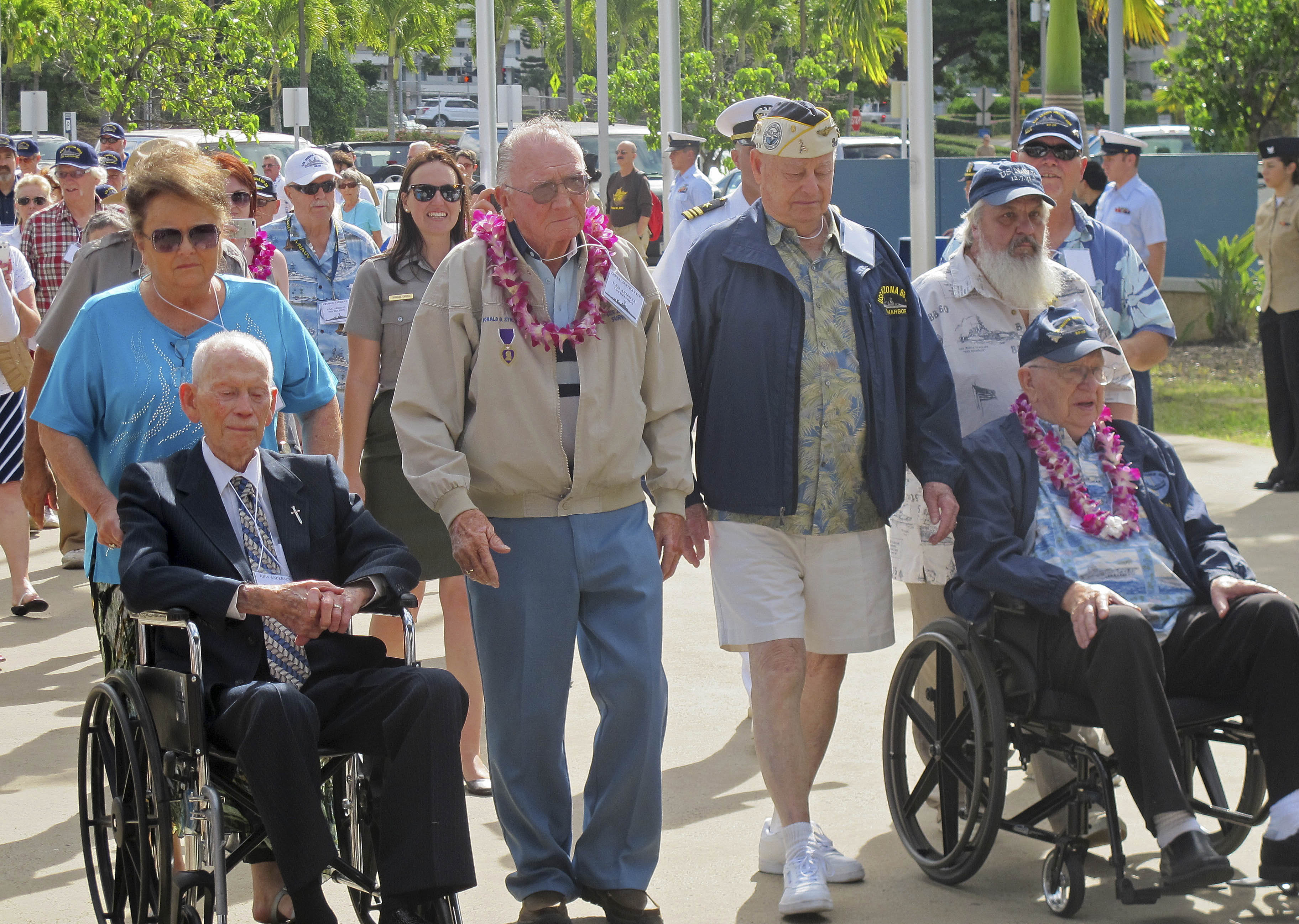
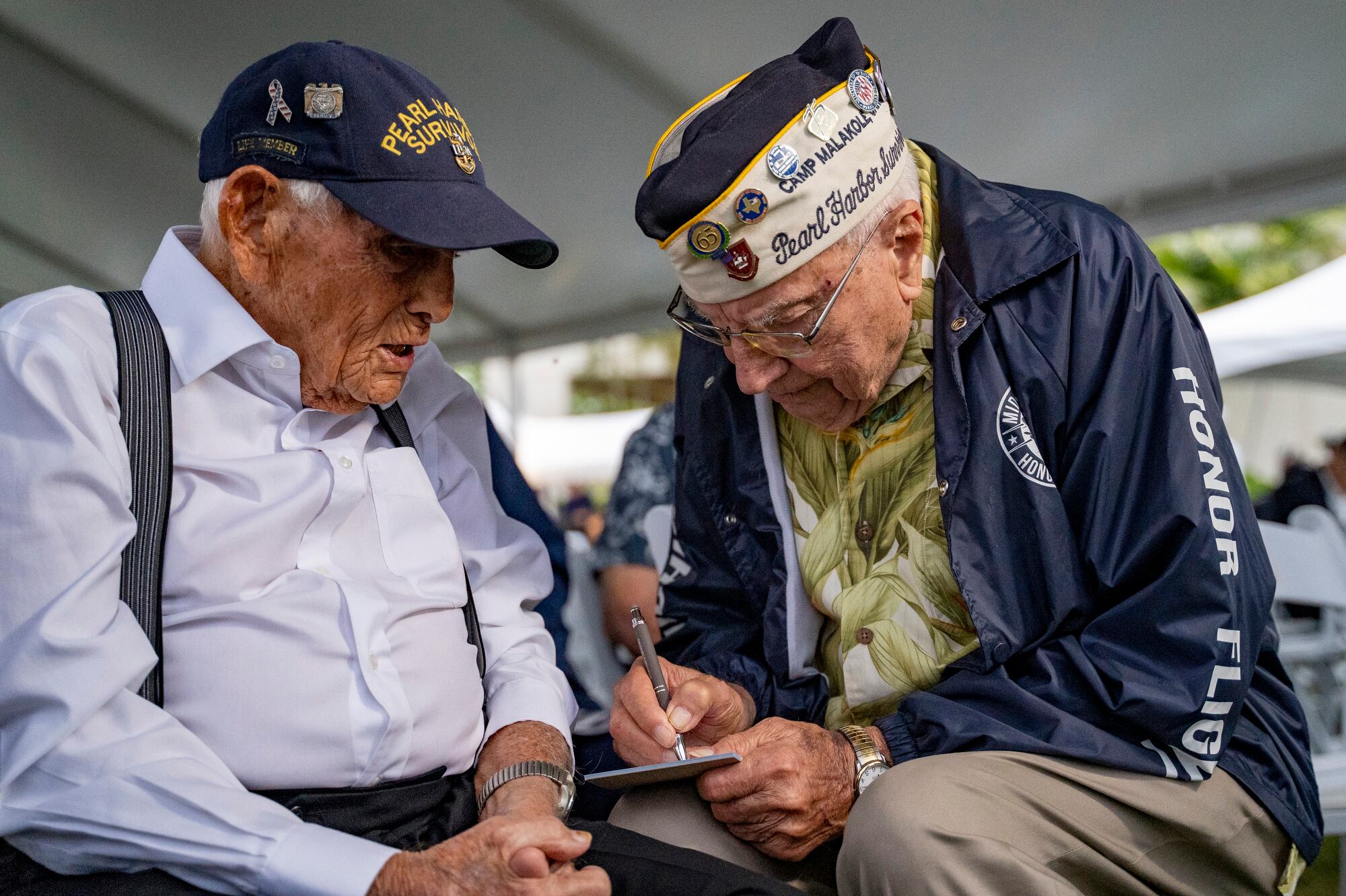
For decades, the survivors of Pearl Harbor served as living bridges to one of the most transformative days in modern American history. As the years passed, the "greatest generation" began to shrink, and the passing of each survivor represented the loss of a firsthand account of the strategic failure and subsequent mobilization that defined the era.
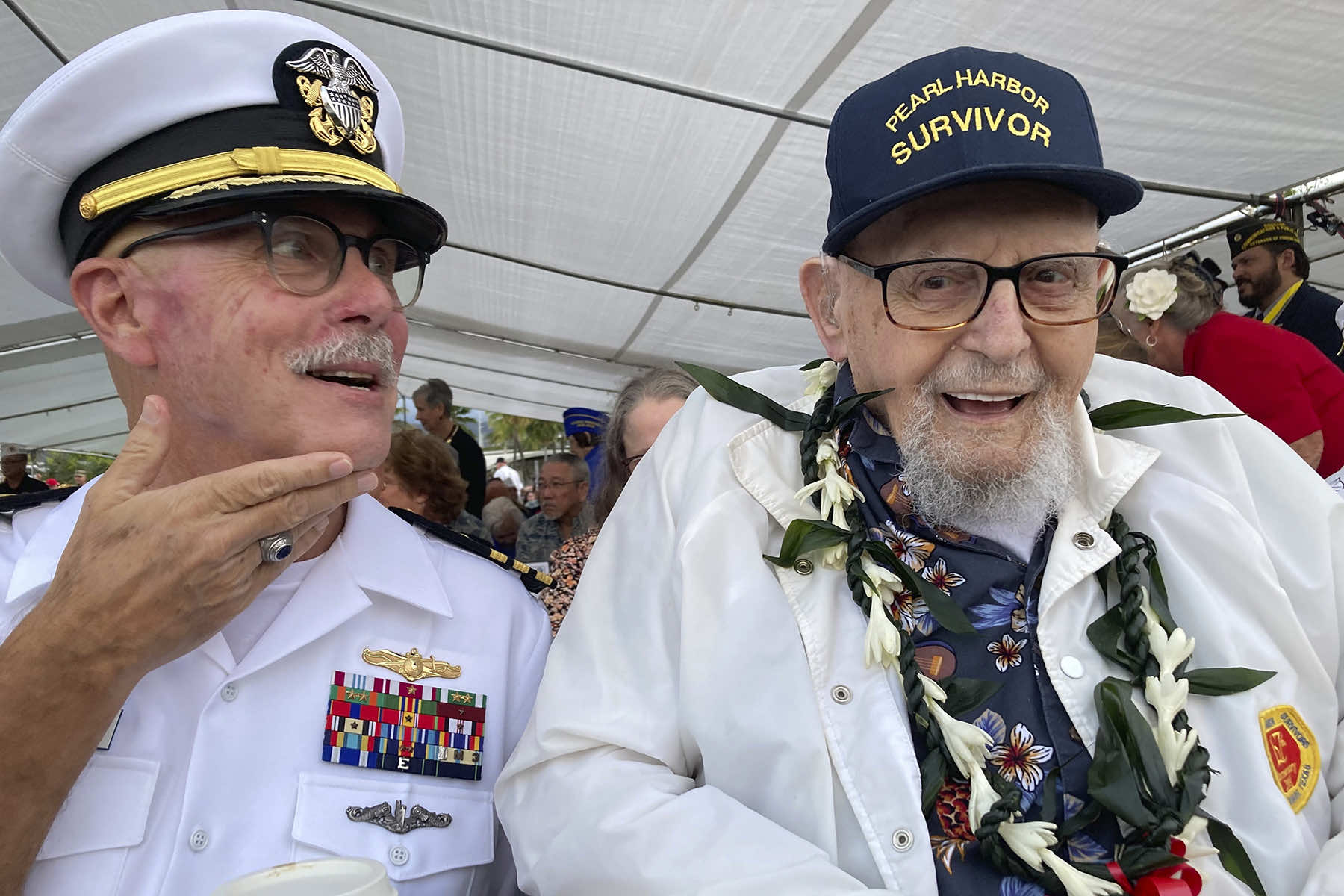
Lou Conter’s status as the final survivor carried a unique weight. He was often sought out by historians, journalists, and educators to provide context that documents alone could not capture. He spoke frequently about the "day of infamy," emphasizing not just the tactical aspects of the surprise raid, but the profound sense of duty he felt toward the shipmates he lost. His passing marked the end of an era in which the Pearl Harbor attack was a contemporary memory; today, the event has transitioned entirely into the realm of recorded history.
Statistical and Historical Context of the Attack
To understand the scale of the event that defined the lives of men like Lou Conter, one must look at the impact on the U.S. Pacific Fleet stationed at Oahu, Hawaii. The attack was designed to neutralize the American naval presence in the Pacific to prevent interference with Japanese expansionist goals in Southeast Asia.
Comparative Impact of the December 7, 1941 Attack
| Category | Impact Details |
|---|---|
| Total U.S. Fatalities | 2,403 personnel |
| Battleships Sunk | 4 (USS Arizona, Oklahoma, West Virginia, California) |
| Total Ships Damaged | 19 vessels |
| Aircraft Destroyed | 188 aircraft |
| Primary Strategic Consequence | U.S. entry into World War II |
The loss of life on the USS Arizona alone—accounting for nearly half of the total casualties—remains the most iconic symbol of the tragedy. The ship was never raised; it remains at the bottom of Pearl Harbor as a designated memorial site. The "weeping" of the ship, characterized by the continued leakage of fuel oil, serves as a perpetual reminder of the fuel reserves that were ignited on that morning.
Preserving the Legacy
With no direct survivors remaining as of 2026, the preservation of the Pearl Harbor narrative has shifted from personal accounts to institutional stewardship. Organizations such as the National Park Service and the Pacific Historic Parks focus on maintaining the USS Arizona Memorial and the surrounding visitor centers.
Methods of Historical Preservation
- Oral History Archives: The U.S. Navy and the Library of Congress maintain extensive collections of recorded interviews from veterans who served at Pearl Harbor. These recordings are digitized and accessible to researchers and the public.
- Artifact Conservation: The recovery and protection of items from the harbor floor and personal effects donated by the families of survivors are now the primary means of maintaining a physical connection to the event.
- Educational Programming: Schools and historical societies emphasize the geopolitical context of the 1940s to ensure that the attack is understood not as an isolated incident, but as a result of international tensions and failures in diplomatic engagement.
Understanding the "Day of Infamy"
The attack was a masterstroke of tactical surprise, utilizing six aircraft carriers to launch over 350 planes in two distinct waves. The objective was the destruction of the U.S. Pacific Fleet's ability to respond to Japanese movements in the Pacific. While the attack succeeded in inflicting heavy casualties and significant damage to the capital ships, it failed to destroy the most critical elements of the base, such as the fuel storage tanks and the submarine base, and it completely missed the American aircraft carriers, which were out at sea during the strike.
For survivors, the aftermath was characterized by a rapid shift from peacetime garrison life to a total war footing. The psychological impact on those who witnessed the destruction of their peers, like Lou Conter, shaped their views on peace, military preparedness, and international alliances for the remainder of their lives.
Frequently Asked Questions
Were there any other Pearl Harbor survivors alive after 2024?
No. Lou Conter was identified as the final living survivor of the December 7, 1941, attack by the U.S. Navy and various veterans' organizations. His passing in April 2024 concluded the living history of the participants.
How is the memory of the attack being maintained in 2026?
The National Park Service continues to operate the Pearl Harbor National Memorial. Efforts focus on digitizing archival records, maintaining the physical monuments, and utilizing virtual exhibits to reach younger generations who never had the chance to meet a veteran.
Why was the USS Arizona specifically targeted?
The Japanese strike force identified the battleship row as the primary target for the first wave of bombers. The USS Arizona was struck by a high-altitude bomber, and a bomb hit the forward magazine, causing an explosion so severe that the ship effectively disintegrated in place, sinking in roughly nine minutes.
What is the most important lesson from the attack according to veterans?
Common themes in the oral histories of survivors include the importance of constant vigilance, the necessity of strong international communication, and the enduring bond of camaraderie forged during the trauma of battle.
Can I still donate personal artifacts related to the attack?
Yes. The Pearl Harbor National Memorial often accepts donations of historical significance, such as letters, photographs, or personal items belonging to veterans. Prospective donors should contact the National Park Service curator to verify the provenance and suitability of the items.
A Note on Historical Stewardship
As the last voices from December 7, 1941, have fallen silent, the responsibility now rests with current and future generations to interpret and safeguard the history of the Pearl Harbor attack. The primary task is to move beyond the event itself and understand the strategic, political, and human costs of total war. Whether through visiting the memorials in Hawaii or engaging with the digital archives provided by the Library of Congress, maintaining the record of these events remains an essential component of historical literacy.
For those interested in the ongoing efforts to document this history, reaching out to the National Park Service or the U.S. Navy’s historical offices is the best first step toward accessing verified, primary-source materials.
Image Gallery