Understanding Aicardi-Goutières Syndrome: Causes, Symptoms, and Management
Aicardi-Goutières Syndrome (AGS) is a rare, genetically determined inflammatory disorder that primarily affects the brain, spinal cord, and skin. It is characterized by an overactive immune response that mimics a congenital viral infec...
Aicardi-Goutières Syndrome (AGS) is a rare, genetically determined inflammatory disorder that primarily affects the brain, spinal cord, and skin. It is characterized by an overactive immune response that mimics a congenital viral infection, leading to progressive neurological impairment, intracranial calcifications, and significant developmental delays in affected infants and children.
Contents
What is Aicardi-Goutières Syndrome?
Aicardi-Goutières Syndrome is classified as both a leukodystrophy (a disease affecting the white matter of the brain) and an autoinflammatory interferonopathy. As of 2026, medical consensus identifies AGS as a condition where the body’s immune system fails to distinguish between its own genetic material and invading viruses. This confusion triggers a chronic release of Type I interferon, a protein usually reserved for fighting off viral infections.
In a healthy individual, the immune system detects foreign DNA or RNA and uses interferon to signal an alarm. In patients with AGS, mutations in specific genes prevent the body from "cleaning up" its own cellular debris (nucleic acids). Consequently, the immune system stays in a perpetual state of high alert. This chronic inflammation causes "bystander damage" to healthy tissues, particularly the myelin sheath that insulates nerve fibers in the central nervous system.
While historically considered a fatal early-childhood disease, advancements in multidisciplinary care and targeted molecular therapies have shifted the prognosis. Understanding the nuances of the syndrome requires looking at it through three lenses: the genetic cause, the inflammatory process, and the clinical manifestation.
The Genetic Landscape of AGS
As of 2026, mutations in at least nine different genes are known to cause Aicardi-Goutières Syndrome. These mutations can be inherited in an autosomal recessive pattern (where both parents carry a copy of the mutated gene) or an autosomal dominant pattern (where only one copy is needed).
The Primary Genes Involved
The most common genetic drivers of AGS include:
- TREX1 (AGS1): Encodes an enzyme that breaks down DNA. When it fails, DNA accumulates, triggering the immune sensor STING.
- RNASEH2A, RNASEH2B, and RNASEH2C (AGS2, 3, and 4): These genes form a complex that removes ribonucleotides from DNA. Mutations in RNASEH2B are the most frequent cause of AGS and are sometimes associated with a slightly milder neurological course.
- SAMHD1 (AGS5): This gene helps regulate the pool of DNA building blocks. Mutations here can lead to a higher risk of "strokes" or cerebral vasculopathy in addition to standard AGS symptoms.
- ADAR (AGS6): Involved in RNA editing. Mutations lead to the accumulation of double-stranded RNA that the body mistakes for a virus.
- IFIH1 (AGS7): Unlike the others, this is a "gain-of-function" mutation where the sensor itself becomes hypersensitive and fires without a trigger.
The identification of these genes has been crucial for families seeking a definitive diagnosis through Whole Exome Sequencing (WES) or targeted gene panels. According to the National Organization for Rare Disorders (NORD), genetic testing is the gold standard for confirming the specific subtype, which can influence long-term monitoring and treatment strategies.
Recognizing Symptoms and Clinical Presentation
The clinical presentation of AGS can vary significantly, even among siblings with the same mutation. However, most cases follow a recognizable pattern characterized by an initial period of normal development followed by a sudden "encephalopathic" phase.
The Encephalopathic Phase
Usually occurring within the first year of life, this phase involves extreme irritability, inconsolable crying, and poor feeding. Infants may lose previously acquired milestones, such as head control or tracking objects with their eyes. This period marks the height of the inflammatory "storm" in the brain.
Neurological Indicators
The neurological damage manifests in several ways:
- Microcephaly: A slowdown in head growth resulting in a smaller-than-average head size.
- Spasticity and Dystonia: Muscle stiffness and involuntary muscle contractions that make movement difficult.
- Seizures: Occurring in roughly 25-50% of patients.
- Cognitive Impairment: While many children retain significant social awareness and personality, motor limitations often mask their true cognitive potential.
Extraneurological Features
One of the most distinct "clues" to AGS is the presence of chilblains. These are painful, itchy, reddish-purple skin lesions that typically appear on the fingers, toes, and ears, especially in cold weather. They resemble frostbite and are a direct result of small-vessel inflammation. Other systemic issues can include unexplained fevers, enlarged liver and spleen (hepatosplenomegaly), and low platelet counts at birth.
The Diagnostic Process
Diagnosing AGS requires a high index of suspicion, as it can easily be mistaken for cerebral palsy or an active infection like rubella or CMV (Cytomegalovirus). The diagnostic workup in 2026 typically follows a multi-tier approach.
| Diagnostic Tool | What It Detects | Significance in AGS |
|---|---|---|
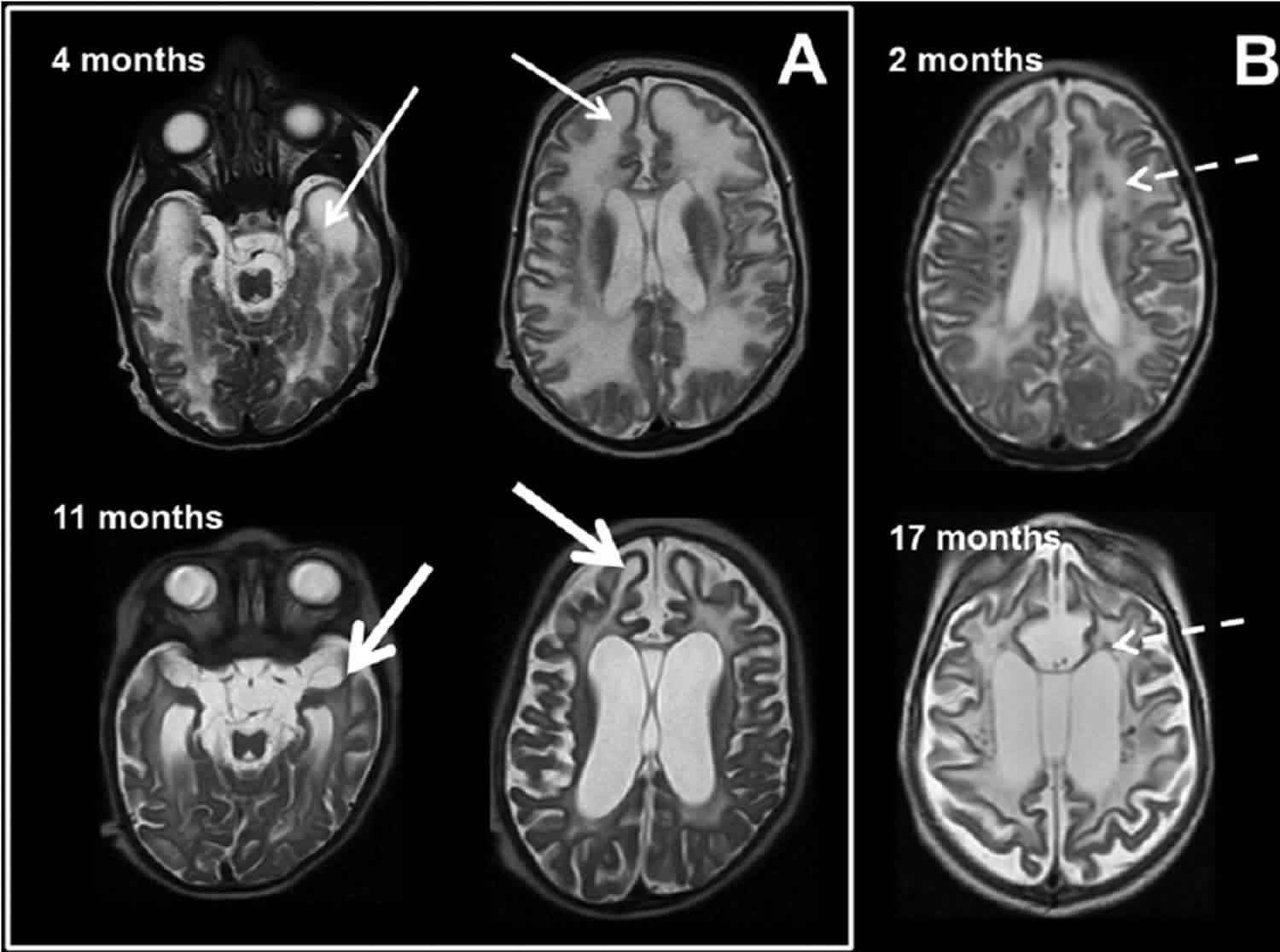
| Neuroimaging (CT Scan) | Intracranial Calcifications | Shows "calcium spots" in the basal ganglia and white matter; a hallmark of AGS. |
| Neuroimaging (MRI) | Leukodystrophy | Identifies patterns of white matter loss or thinning (hypomyelination). |
| Lumbar Puncture (CSF) | Lymphocytosis & IFN-alpha | Elevated white blood cells and high levels of interferon-alpha in spinal fluid. |
| Interferon Signature | mRNA Expression | A blood test measuring the "expression" of interferon-stimulated genes. |
| Genetic Testing | Pathogenic Variants | Confirms the specific gene mutation (e.g., TREX1, RNASEH2B). |
The National Institute of Neurological Disorders and Stroke (NINDS) emphasizes that while calcifications are a classic sign, their absence does not strictly rule out the disease, particularly in certain genetic subtypes like ADAR or IFIH1.
Management and Treatment Options in 2026
Currently, there is no total cure for Aicardi-Goutières Syndrome, but the treatment paradigm has shifted from purely supportive care to targeted biological interventions.
JAK Inhibitors
The most significant breakthrough in recent years involves the use of JAK (Janus Kinase) inhibitors, such as baricitinib or tofacitinib. These oral medications block the signaling pathway that interferon uses to inflame tissues. Clinical trials and compassionate use programs have shown that JAK inhibitors can reduce the frequency of chilblains, improve growth, and potentially stabilize neurological function if started early.
Supportive Therapies
Because AGS affects multiple systems, a multidisciplinary team is essential:
- Physical and Occupational Therapy: Crucial for managing spasticity, preventing contractures, and implementing assistive communication devices.
- Neurology: Management of seizures using standard anti-epileptic drugs and monitoring for potential cerebrovascular issues.
- Gastroenterology/Nutrition: Many children require gastrostomy tubes (G-tubes) to ensure adequate caloric intake and prevent aspiration pneumonia due to swallowing difficulties.
- Dermatology: Topical treatments and environmental controls (keeping the child warm) to manage painful chilblains.
Prognosis and Long-Term Outlook
The outlook for a child with AGS depends heavily on the specific genetic mutation and the severity of the initial encephalopathic phase. After the initial period of inflammation—which can last several months—the disease often enters a "plateau" phase. During this time, the active destruction of brain tissue slows down, and the child may begin to make slow but steady developmental gains.
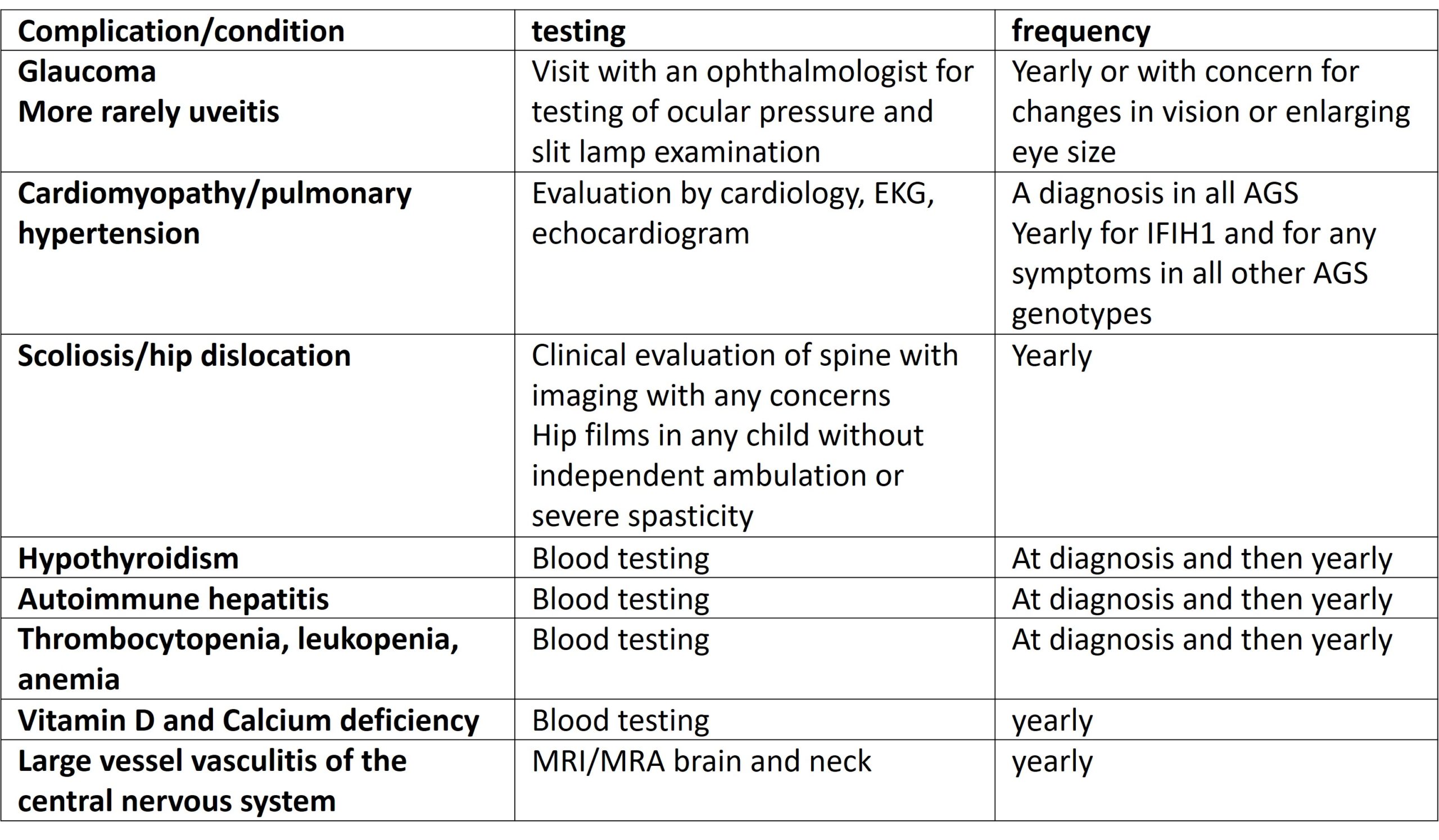
Careful monitoring for secondary complications, such as scoliosis, hip dislocation, and glaucoma, is necessary. While the physical challenges are significant, many families report that their children develop strong non-verbal communication skills and engage deeply with their environment.
Common Questions About Aicardi-Goutières Syndrome
Is Aicardi-Goutières Syndrome the same as Aicardi Syndrome?
No, they are distinct conditions. Aicardi Syndrome is a rare genetic disorder characterized by the absence of the corpus callosum, retinal abnormalities, and infantile spasms, almost exclusively affecting females. Aicardi-Goutières Syndrome is an inflammatory/autoimmune-related leukodystrophy affecting both genders.
Can AGS be detected during pregnancy?
While routine ultrasounds may sometimes show intracranial calcifications or enlarged ventricles, these are not specific to AGS. If a family has a known history or a previously affected child, prenatal diagnosis is possible through Chorionic Villus Sampling (CVS) or amniocentesis to check for known familial mutations.
What is the life expectancy for a child with AGS?
Life expectancy varies widely. In severe early-onset cases (particularly TREX1 mutations), the risk of early mortality is higher due to respiratory or neurological complications. However, many individuals with milder variants (like RNASEH2B) live well into adulthood with appropriate supportive care and modern medical interventions.
How does AGS differ from "Pseudo-TORCH" syndrome?
The term "Pseudo-TORCH" was historically used because AGS mimics the symptoms of TORCH infections (Toxoplasmosis, Other, Rubella, Cytomegalovirus, and Herpes). The primary difference is that AGS is caused by internal genetic mutations, whereas TORCH syndromes are caused by external viral or bacterial infections acquired in utero.
Are there any dietary restrictions for AGS?
There is no specific "AGS diet," but nutritional management is vital. Many children require high-calorie diets to support growth during periods of chronic inflammation. If the child has SAMHD1 mutations, some clinicians monitor for vascular health, though specific dietary restrictions are generally determined on a case-by-case basis.
Practical Recommendations for Caregivers
If a child has been recently diagnosed with Aicardi-Goutières Syndrome, the following steps are recommended:
- Seek a Specialist: Connect with a center of excellence for leukodystrophies. These centers have the expertise to manage the complexities of interferon-mediated diseases.
- Genetic Counseling: Given the hereditary nature of the disease, parents should undergo genetic counseling to understand the risks for future pregnancies and to screen other family members if necessary.
- Early Intervention: Enroll the child in physical, occupational, and speech therapy as soon as possible. Neuroplasticity is greatest in the early years, and maintaining joint flexibility is easier than correcting contractures later.
- Monitor for Chilblains: Ensure the child stays warm, particularly their extremities. Use specialized clothing if necessary to prevent the painful skin lesions associated with the condition.
- Connect with Community: Organizations like the Aicardi-Goutières Syndrome International Association (AGSIA) provide invaluable support, resources, and connections to the latest research and clinical trials.
Professional Medical Limitation: This article is for informational purposes and does not constitute medical advice. Aicardi-Goutières Syndrome is a complex medical condition that requires individualized diagnosis and treatment by qualified healthcare professionals. Always consult with a neurologist or geneticist regarding specific symptoms or treatment plans.
Image Gallery