When Did the Samsung Galaxy S20 Come Out and Why It Remains Relevant
The Samsung Galaxy S20 series was officially released to the public on March 6, 2020. This launch followed its initial unveiling at the Samsung "Galaxy Unpacked" event, which took place on February 11, 2020, in San Francisco. The serie...
The Samsung Galaxy S20 series was officially released to the public on March 6, 2020. This launch followed its initial unveiling at the Samsung "Galaxy Unpacked" event, which took place on February 11, 2020, in San Francisco. The series included the base Galaxy S20, the Galaxy S20+, and the high-end Galaxy S20 Ultra, marking a significant shift in Samsung’s flagship naming conventions and hardware capabilities for that year.
Contents
Understanding the 2020 Launch Timeline
The release of the Galaxy S20 in early 2020 was a pivotal moment in mobile technology, representing the company’s push toward widespread 5G integration. Samsung moved away from the "S11" naming convention it had followed previously, choosing "S20" to signal a new decade of smartphone innovation.
The progression from the announcement to retail availability followed a standard window for the company:
- Announcement (February 11, 2020): Samsung showcased the entire lineup, highlighting new camera sensor technologies and the inclusion of 120Hz display refresh rates, which were not yet standard on most mobile devices.
- Pre-order Phase: Consumers could begin placing orders shortly after the February announcement, with devices shipping to early adopters in late February and early March.
- General Retail Availability (March 6, 2020): This was the date the phones hit physical and online retail shelves globally, making the units widely accessible to the general public.
Technical Evolution of the Galaxy S20 Series
When the series launched in 2020, it introduced features that would define premium Android smartphones for years to come. The most notable change was the move to the Snapdragon 865 processor in North American markets and the Exynos 990 processor in global markets. This hardware set the stage for better multitasking and gaming performance.
Beyond the internal processing power, the camera array saw a significant overhaul. The Galaxy S20 Ultra, in particular, introduced a 108-megapixel main sensor and a periscope-style telephoto lens capable of high-level digital zoom, often marketed as "Space Zoom." This shifted the consumer expectation regarding what a smartphone camera could achieve in low-light and long-distance photography scenarios.
Comparative Overview of the 2020 S20 Models
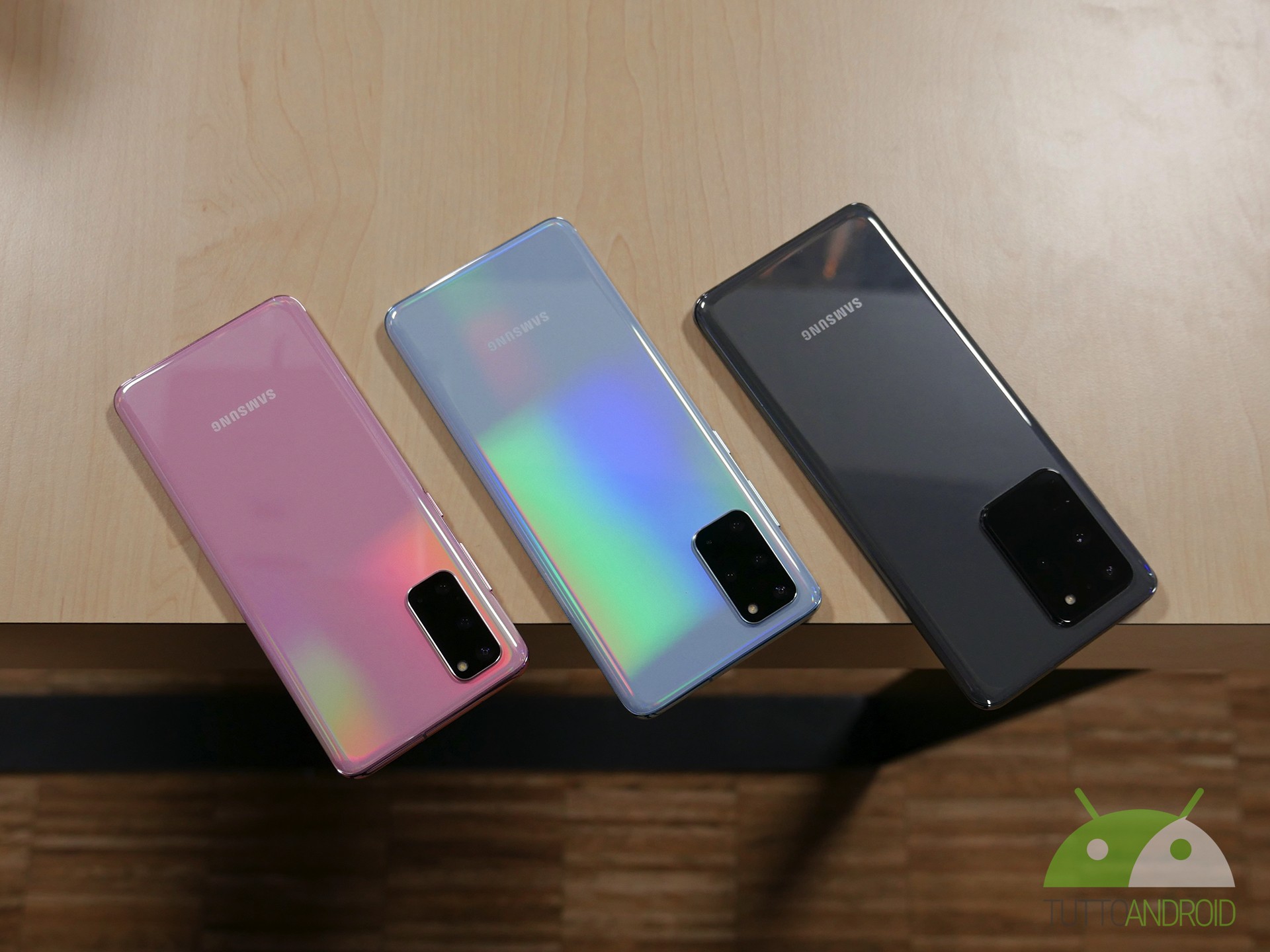
To understand the product lineup at launch, it is essential to distinguish between the three variants. Each model targeted a different segment of the market, ranging from standard premium users to power users seeking professional-grade photography tools.
| Feature | Galaxy S20 | Galaxy S20+ | Galaxy S20 Ultra |
|---|---|---|---|
| Display Size | 6.2 inches | 6.7 inches | 6.9 inches |
| RAM Options | 8GB / 12GB | 8GB / 12GB | 12GB / 16GB |
| Main Camera | 12MP | 12MP | 108MP |
| Battery Capacity | 4,000 mAh | 4,500 mAh | 5,000 mAh |
| 5G Support | Sub-6GHz | Sub-6/mmWave | Sub-6/mmWave |
Long-Term Software and Support Lifecycle
While the device hit the market in 2020, its functional lifespan has been a subject of interest for users through 2026. Samsung initially promised three generations of Android OS updates for the S20 series. The devices launched with Android 10 and were eventually updated through Android 13. By 2026, the S20 series has largely reached its end-of-life cycle regarding official security patches and major software version updates from the manufacturer.
For users still utilizing these handsets in 2026, the primary concerns are hardware longevity—specifically battery degradation and charging port wear—and the lack of current security protocols. While the hardware remains capable for basic tasks, the software freeze means that users may eventually face compatibility issues with newer banking or secure authentication applications that require the absolute latest OS security patches.
Common Troubleshooting and Maintenance for Aging Units
If you are operating a Galaxy S20 in 2026, you may encounter issues common to devices of this age. Understanding these can help you decide whether to perform repairs or seek an upgrade.
- Battery Performance: Lithium-ion batteries degrade after hundreds of charge cycles. If your S20 struggles to hold a charge for more than a few hours, the battery chemistry has likely reached its effective limit.
- Charging Port Connectivity: Dust and debris accumulation in the USB-C port is a common culprit for slow or intermittent charging. Using a non-conductive tool to carefully clean the port can often resolve connectivity issues.
- Screen Burn-in: Because the S20 utilizes AMOLED technology, high-contrast static images displayed at maximum brightness over several years can cause "ghosting" or burn-in. Reducing display brightness and utilizing dark mode can help prevent this from worsening.
- Storage Management: The S20 supports expandable storage via microSD cards. If the device feels sluggish, offloading media files to an external card or cloud storage is a cost-effective way to restore responsiveness.
Navigating Security and Privacy in 2026
Since the S20 no longer receives official security updates, users must exercise caution. If you are using the device for sensitive financial or personal activities, consider the following best practices:
- Restrict Permissions: Regularly review app permissions in your settings and revoke access to your location, microphone, or camera for apps that do not strictly require them.
- Third-Party Security Suites: While not a replacement for OS-level updates, reputable mobile security software can provide a secondary layer of scanning for malicious files or suspicious network activity.
- App Updates: Keep all installed applications updated via the Google Play Store or other official channels. Even if the underlying OS is stagnant, the latest version of an app often includes its own security patches to protect against common vulnerabilities.
Frequently Asked Questions
Is the Galaxy S20 still worth using in 2026? The Galaxy S20 is generally considered outdated for primary use in 2026. While the hardware display and general build quality remain premium, the lack of ongoing security updates makes it a potential risk for handling sensitive data. It is best suited for secondary tasks or media consumption.
Does the Galaxy S20 support 5G networks in 2026? Yes, all models in the Galaxy S20 lineup were built with 5G capabilities. However, performance will depend on your local carrier's infrastructure and whether your specific model (e.g., S20 vs. S20+) supports the mmWave bands used by your service provider.
What was the original retail price of the S20 series? At launch in March 2020, the base Galaxy S20 started at $999. The S20+ started at $1,199, and the premium S20 Ultra carried a base price of $1,399. These prices reflected the high-end components and 5G connectivity integrated into the devices at the time.
Can I still replace the battery on an S20? Yes, battery replacements for the Galaxy S20 are still performed by third-party repair shops. Because the device uses a glass back sealed with adhesive, the repair requires specialized tools and heat to open the chassis safely without damaging internal components.
How does the S20 camera compare to modern 2026 standards? While the S20, particularly the Ultra model, produces high-quality daylight photography, it lacks the advanced computational photography and AI-driven image processing present in smartphones released in 2025 and 2026. It will struggle more with extreme low-light conditions and AI-based stabilization compared to current flagship devices.
Final Recommendation
If you currently own a Galaxy S20, evaluate its performance based on your specific needs. For general media consumption or light web browsing, the device remains functional and elegant. However, for those who require high-security environments—such as mobile banking, corporate communication, or managing sensitive personal documentation—the lack of current security patches makes the 2020 flagship model a liability. If you decide to transition to a new device, ensure you perform a secure factory reset on your S20 to wipe your personal data before selling, recycling, or gifting it.
Image Gallery