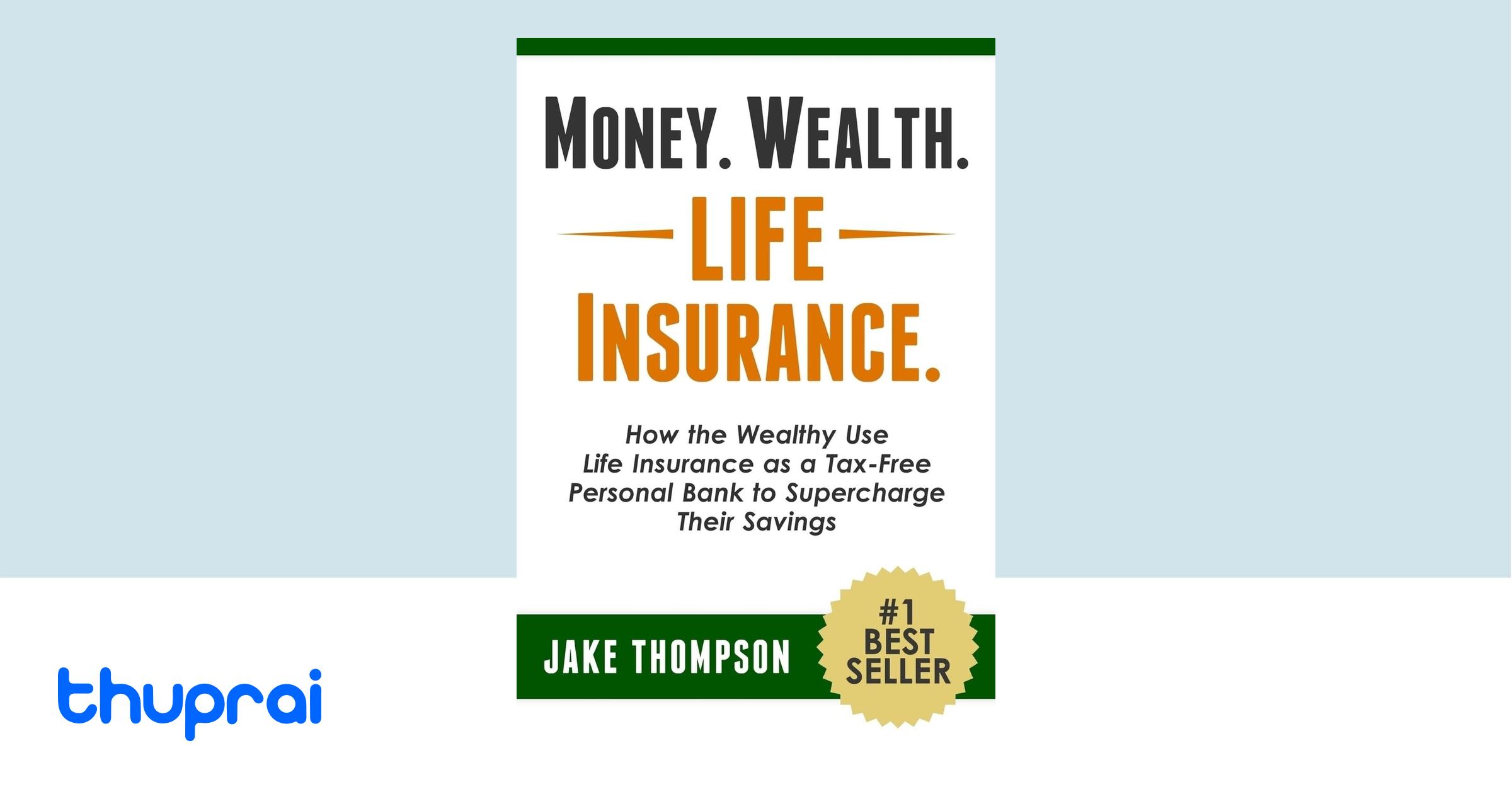
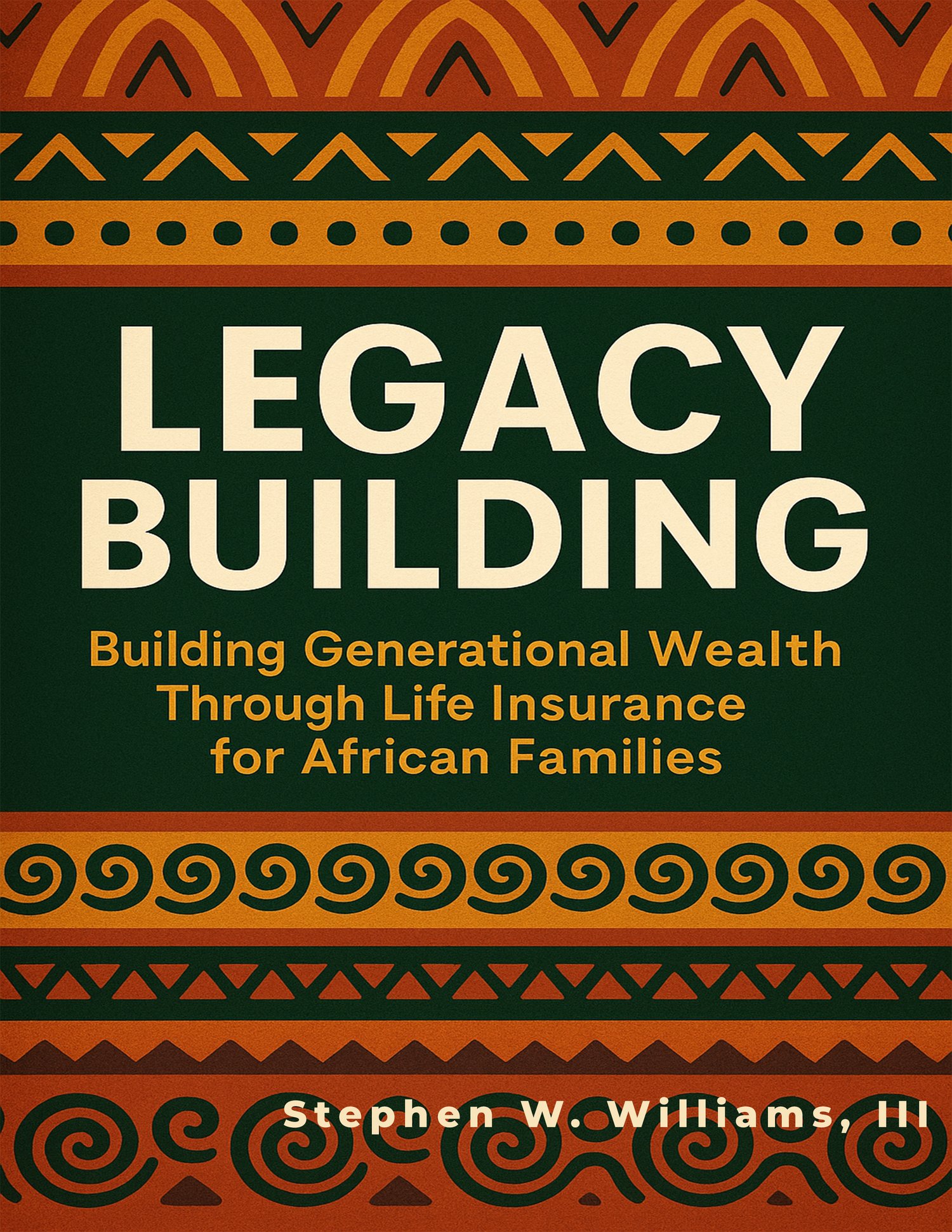
Navigating Wealth Building Life Insurance Books for Investors
Wealth building life insurance books for investors offer strategic guidance on utilizing permanent policies, such as whole life or indexed universal life, as asset classes for tax-advantaged growth, liquidity, and portfolio diversifica...
Wealth building life insurance books for investors offer strategic guidance on utilizing permanent policies, such as whole life or indexed universal life, as asset classes for tax-advantaged growth, liquidity, and portfolio diversification. These resources help investors understand cash-value accumulation, policy loans, and the intersection of insurance with real estate or equities.
Contents
For high-net-worth individuals and serious investors, traditional financial planning often extends beyond the standard equities and bond allocation. Integrating permanent life insurance into an investment portfolio is a specialized strategy that requires careful navigation. The literature surrounding this niche bridges the gap between insurance underwriting and advanced wealth management, helping investors evaluate whether cash-value policies align with their long-term financial architecture.
Understanding the Intersection of Life Insurance and Investing
The concept of using life insurance as a wealth-building vehicle often catches traditional investors off guard. Standard financial advice typically separates risk protection from investment growth, famously advising consumers to "buy term and invest the difference." However, wealth-building life insurance literature challenges this binary view by focusing on permanent life insurance contracts, specifically whole life and indexed universal life (IUL), equipped with high early cash-value riders.
At its core, this strategy leverages the tax advantages inherent in the Internal Revenue Code. Permanent life insurance policies feature a cash-value component that grows on a tax-deferred basis. Investors can access this cash value through policy loans or withdrawals, often without triggering taxable events, provided the policy remains in force. Financial authors in this niche explore how sophisticated investors use these pools of liquidity to fund real estate acquisitions, capitalize private businesses, or smooth out market volatility during economic downturns.
The Distinction Between Term and Permanent Insurance
To appreciate the literature on this topic, one must understand the fundamental split in insurance products. Term life insurance provides pure protection for a specified period with no equity build-up. It is a pure expense designed to replace income upon premature death.
Permanent life insurance, conversely, combines a death benefit with a savings or investment element known as cash value. Wealth-building books focus exclusively on permanent products, teaching investors how to minimize the cost of insurance (COI) and maximize the velocity of cash accumulation. Authors detail how to structure policies with paid-up additions (PUA) riders to accelerate cash value growth inside the contract from day one.
Core Themes Explored in Wealth Building Insurance Literature
Books dedicated to this strategy generally unpack several foundational mechanics. Understanding these recurring themes helps readers evaluate the quality and utility of a given title before investing time or capital into its study.
- Tax Efficiency and Accumulation: Exploring how tax-deferred growth and tax-free distributions via policy loans can optimize an investor's overall lifetime tax bracket.
- Arbitrage and Leverage: Examining the mechanics of borrowing against policy cash value at lower interest rates while the underlying funds continue to earn dividends or interest.
- Asset Protection: Reviewing how permanent life insurance cash values are shielded from creditors and civil lawsuits under various state jurisdiction laws.
- Infinite Banking and Privatized Banking Concepts: Analyzing methodologies popularized by practitioners who advocate for becoming your own banker to finance major capital expenditures.
Evaluating Key Publications in the Niche
The marketplace features several prominent texts that approach insurance-based wealth building from different angles. Evaluating these works requires looking at their technical depth, target audience, and the practical viability of their strategies.
Foundational and Conceptual Texts
Writings by practitioners like Nelson Nash introduced the concept of the "Infinite Banking Concept," which serves as a foundational text for many modern wealth-building insurance books. These texts emphasize the structural independence an investor gains by controlling their financing pool rather than relying on commercial banking institutions.
Other authors, such as Pamela Yellen, focus on "Bank on Yourself" strategies, emphasizing guaranteed growth, safety, and predictability independent of Wall Street fluctuations. These books typically target risk-averse investors or those seeking alternative accumulation vehicles that are insulated from market corrections.
Advanced Tax and Estate Planning Manuals
More technical books written by certified financial planners, estate attorneys, or insurance actuaries dive deeper into the mechanics of Private Placement Life Insurance (PPLI) and Corporate-Owned Life Insurance (COLI). These resources are tailored for accredited investors and high-net-worth families looking at multi-generational wealth transfer, estate tax mitigation, and complex corporate liquidity strategies.
| Book / Conceptual Approach | Primary Target Audience | Core Strategy Highlight | Potential Limitation |
|---|---|---|---|
| Infinite Banking Concept | Business owners, real estate investors | Using policy loans to finance capital needs and recapture interest. | Requires high discipline and long-term capital commitment. |
| Guaranteed Cash Value Focus | Risk-averse savers, high earners | Prioritizing predictable growth insulated from stock market volatility. | Lower historical returns compared to direct equity investments. |
| Advanced PPLI / COLI Guides | Accredited investors, family offices | Tax-free asset management within private insurance wrappers. | High entry barriers, substantial minimum capital requirements. |
Practical Advantages for Real Estate and Business Investors
Many wealth-building insurance books explicitly target real estate investors and entrepreneurs. The synergy between permanent life insurance and real estate acquisition stems from the need for rapid liquidity.
When a prime real estate deal surfaces, an investor often needs immediate access to capital for earnest money or cash purchases before securing a traditional mortgage. Books in this niche demonstrate how policy loans can be executed within days without credit checks, underwriting approvals, or liquidation penalties associated with selling equities in a taxable brokerage account. Furthermore, proponents argue that because the cash value continues to earn dividends or interest even while a loan is outstanding, the investor achieves a dual-compounding effect.
Risks, Criticisms, and Common Misconceptions
A balanced review of wealth-building life insurance literature requires acknowledging significant criticisms from mainstream financial economists and consumer advocates. Many fiduciary advisors caution against treating life insurance primarily as an investment vehicle.
- High Upfront Costs: Permanent life insurance policies carry substantial administrative fees, premium loads, and agent commissions, particularly in the first several years. Cash value often trails total premiums paid for an extended period.
- Complexity and Underwriting: These policies are notoriously complex contracts. Mismanaging premium payments or over-leveraging policy loans can cause a policy to lapse, triggering catastrophic tax liabilities on accumulated gains.
- Opportunity Cost: The guaranteed or indexed returns inside a life insurance policy may lag behind the long-term historical returns of a diversified equity portfolio.
Frequently Asked Questions
Are wealth-building life insurance strategies suitable for beginners?
Generally, no. These strategies require a high degree of financial literacy, stable cash flow, and a long-term time horizon. Beginners are typically advised to focus on emergency funds, employer-sponsored retirement accounts, and low-cost index funds before exploring permanent life insurance.
How do policy loans work in these strategies?
Policy loans allow an investor to borrow against the cash value of their life insurance policy from the insurance carrier. The cash value acts as collateral. The loan does not require traditional credit approval, and the outstanding balance reduces the death benefit if not repaid before the insured's death.
What is the difference between whole life and indexed universal life in these books?
Whole life insurance offers guaranteed premiums, guaranteed death benefits, and guaranteed cash-value growth alongside potential non-guaranteed dividends from mutual insurance companies. Indexed universal life ties cash value growth to the performance of a stock market index with a guaranteed floor (often 0%) and a participation cap, introducing more variability.
Can anyone purchase Private Placement Life Insurance (PPLI)?
No. PPLI is restricted to accredited investors or qualified purchasers due to regulatory thresholds set by securities laws. These products offer customized investment portfolios inside an insurance wrapper but require significant investable assets to justify setup and ongoing administrative costs.
Do life insurance policy loans accrue interest?
Yes. Insurance companies charge interest on policy loans, though the rate is often offset by the continued crediting of dividends or interest on the underlying cash value. If loan interest is left unpaid, it compounds and increases the total loan balance against the policy.
Next Steps for Investors
Investors interested in exploring this niche should begin by reading foundational texts on both sides of the debate—studying both proponents of cash-value leveraging and independent financial critics. Consulting with a fee-only fiduciary financial planner who does not earn commissions on insurance sales can provide an objective assessment of whether permanent life insurance fits your specific portfolio goals, tax situation, and liquidity requirements.
Image Gallery