How to Handle Black Mold Remediation in Commack
Handling black mold remediation in Commack requires a systematic approach involving professional assessment, strict containment, and specialized removal techniques to comply with New York State Labor Law Article 32. Property owners mus...
Handling black mold remediation in Commack requires a systematic approach involving professional assessment, strict containment, and specialized removal techniques to comply with New York State Labor Law Article 32. Property owners must first hire a licensed mold assessor to create a remediation plan, followed by a separate licensed contractor to perform the actual cleanup and sanitization.
Contents
Black mold, scientifically known as Stachybotrys chartarum, is a frequent concern for property owners in Commack, New York. Given the humid subtropical climate of Long Island and the specific architectural styles of homes in the Smithtown and Huntington sections of the hamlet—often featuring finished basements and older crawlspaces—mold growth can escalate quickly. In 2026, the standards for remediation are rigorous, emphasizing not just the removal of visible growth but the long-term management of indoor air quality and moisture sources.
Understanding the New York State Mold Labor Law (Article 32)
Before beginning any remediation project in Commack, it is vital to understand the legal framework governing mold work in New York. Established to protect consumers from fraudulent practices, New York State Labor Law Article 32 mandates a clear "conflict of interest" separation.
Under this law, the same company cannot perform both the assessment and the remediation on the same project. This means a Commack homeowner must follow a specific three-step professional sequence:
- Mold Assessment: A licensed mold assessor inspects the property, identifies the moisture source, and writes a "remediation work plan."
- Mold Remediation: A separate licensed mold remediation contractor executes the work plan.
- Clearance Inspection: After the work is finished, the original assessor (or another independent third party) returns to verify that the mold has been successfully removed and the area is safe.
In 2026, the New York Department of Labor remains the primary enforcement body. Failure to adhere to these licensing requirements can result in significant fines for contractors and may complicate real estate transactions or insurance claims for property owners.
Identifying Black Mold in Commack Homes
Identifying the presence of mold is the first step toward resolution. In Commack's residential landscape—ranging from the mid-century ranches near Commack Road to the newer developments toward the Sunken Meadow State Parkway—mold typically manifests in areas with poor ventilation or historical water intrusion.
Visual and Sensory Indicators
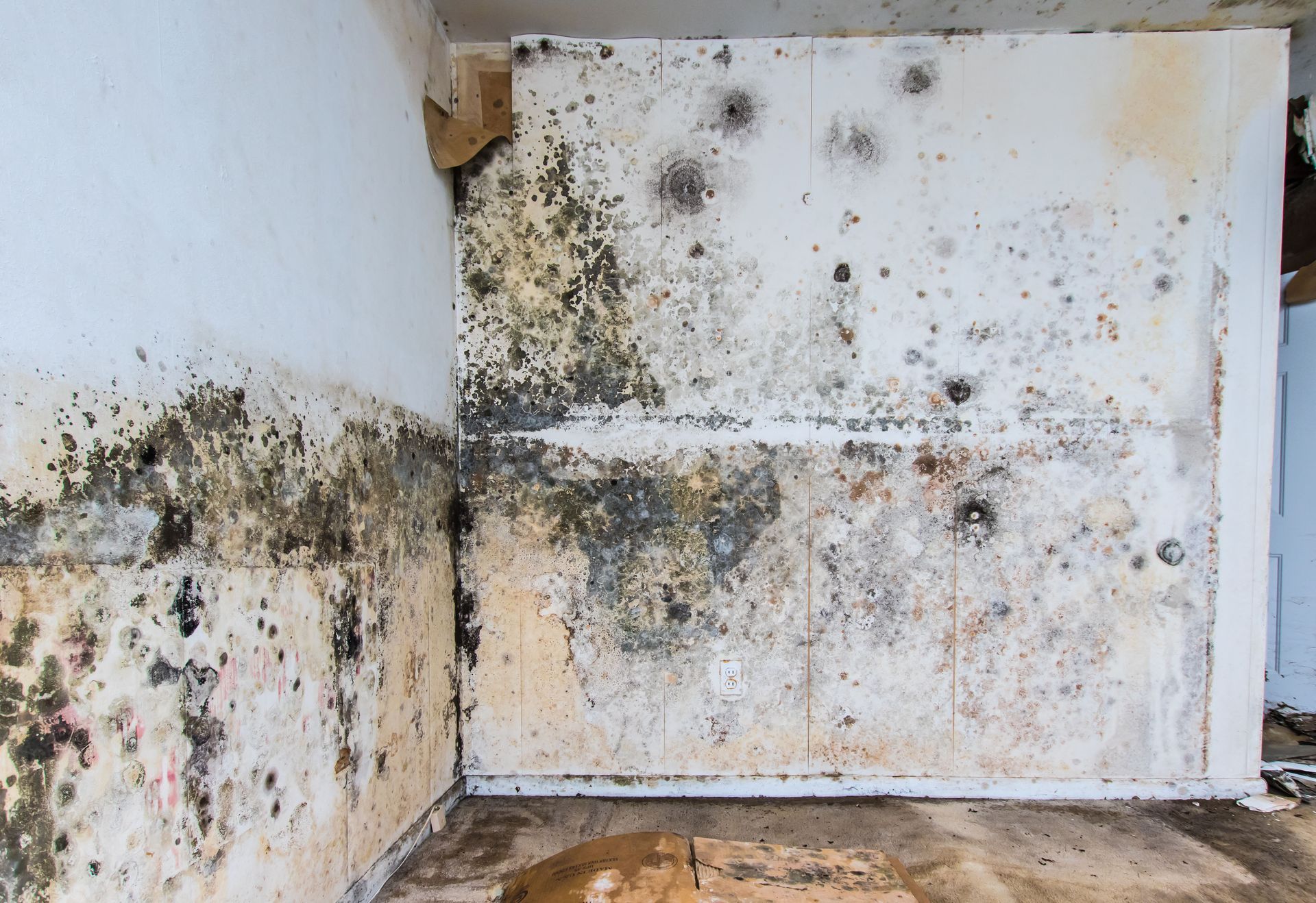
- Appearance: Black mold often appears as a slimy, dark green or black soot-like substance. It typically grows in circular patterns on porous materials like drywall, wood, and ceiling tiles.
- Odors: A persistent, "musty" or "earthy" smell is often the most reliable indicator of hidden mold behind walls or under flooring.
- Physical Symptoms: Residents may experience unexplained respiratory irritation, coughing, or skin rashes that subside when they leave the property.
Common Local Culprits
Commack properties often face mold issues due to specific local factors. The high water table in certain parts of Suffolk County can lead to hydrostatic pressure, forcing moisture through basement slabs. Additionally, the high humidity levels during Long Island summers can cause condensation on HVAC vents and in uninsulated attics, providing the perfect breeding ground for spores.
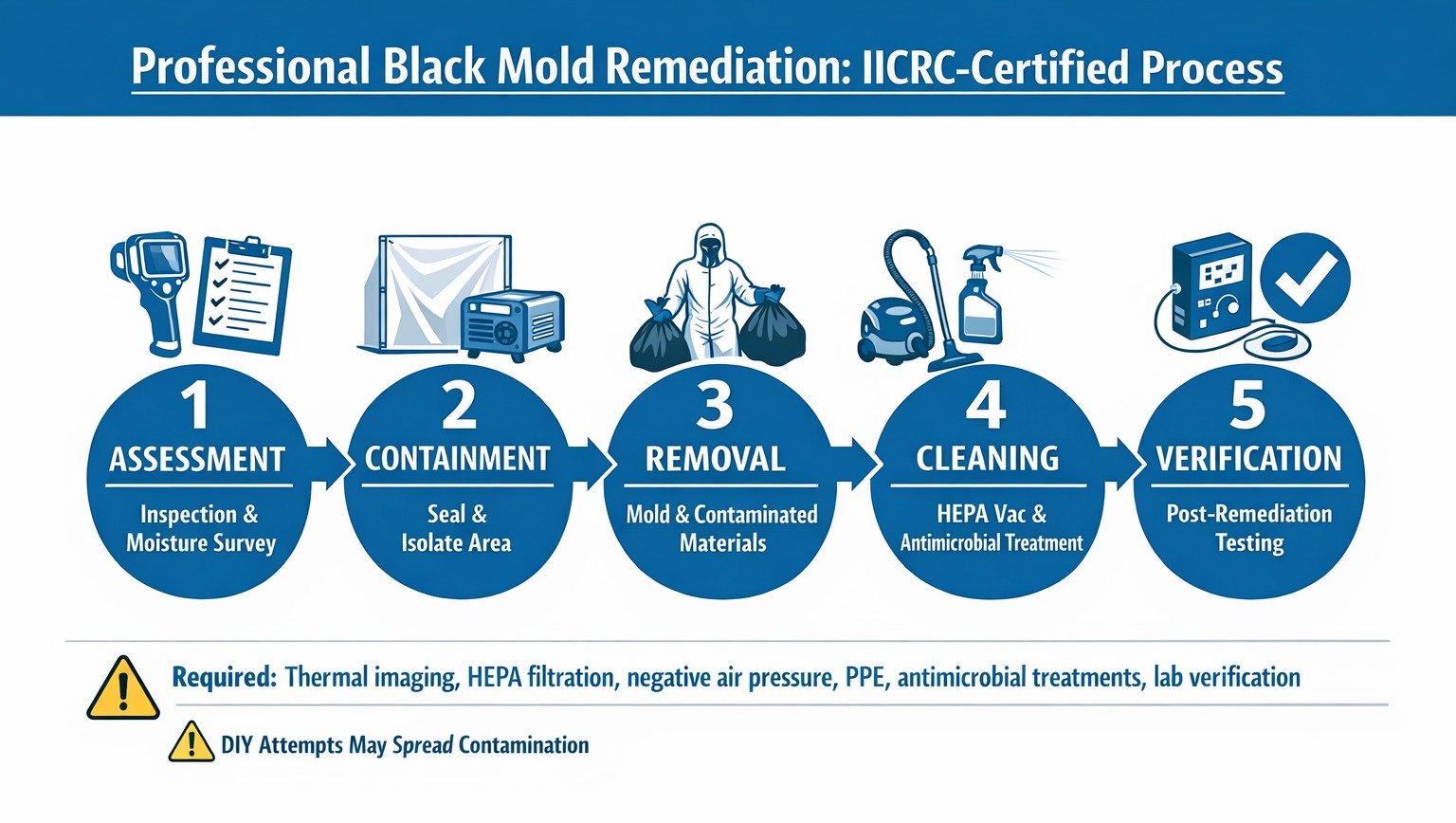
The Professional Remediation Process: Step-by-Step
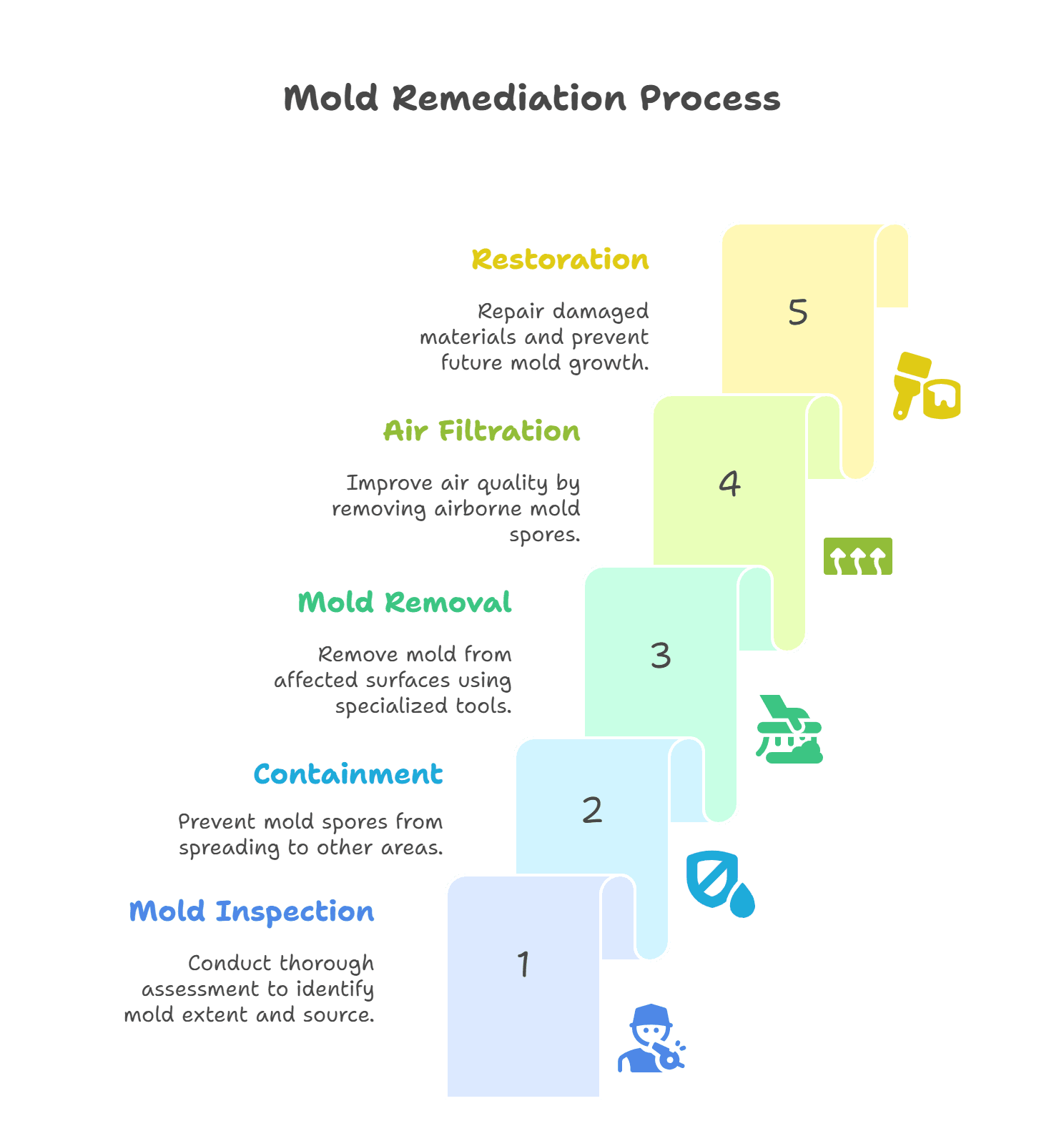
Once a professional assessment has been completed and a work plan is in place, the remediation phase begins. This process is technical and requires specialized equipment to prevent the cross-contamination of unaffected areas.
1. Area Containment and Air Pressure Management
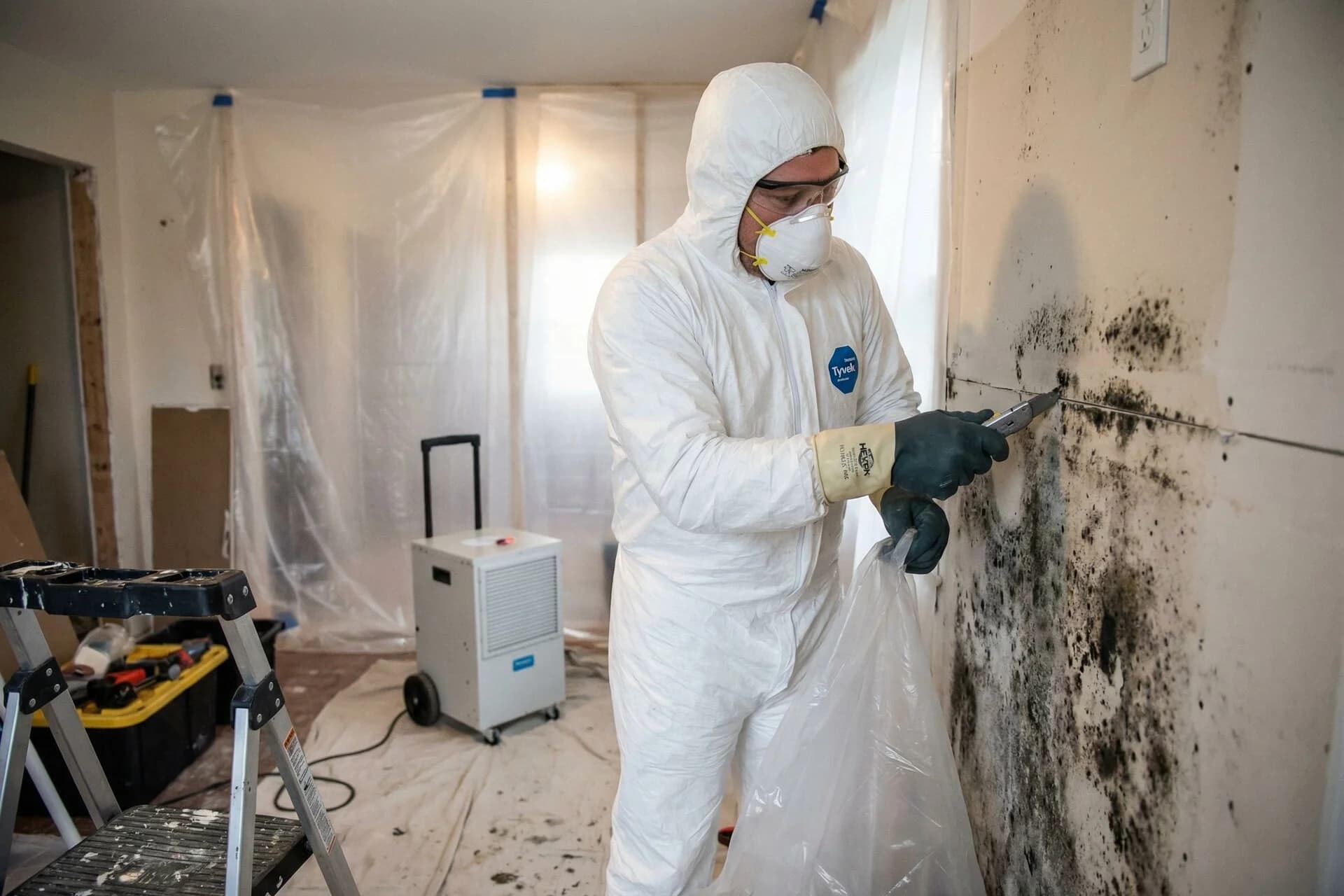
Before any moldy material is touched, the remediation team establishes containment. This involves using heavy-duty polyethylene sheeting to seal off the affected room. In 2026, the industry standard includes the use of High-Efficiency Particulate Air (HEPA) air scrubbers. These machines create "negative air pressure," ensuring that any spores disturbed during the cleanup are sucked into a filtration system rather than drifting into other parts of the home.
2. Specialized Cleaning and Material Removal
Porous materials, such as drywall, insulation, and carpeting, that have been heavily infested by black mold are generally non-salvageable. These items must be carefully bagged in 6-mil plastic bags and removed. For semi-porous or non-porous surfaces like structural wood framing or concrete, contractors use techniques such as:
- HEPA Vacuuming: To remove settled spores from surfaces.
- Wire Brushing/Sanding: To remove deeply embedded hyphae (mold roots) from wood.
- Antimicrobial Cleaning: Applying EPA-registered biocides to kill remaining spores and prevent regrowth.
3. Structural Drying and Dehumidification
Removing the mold is useless if the moisture remains. Remediation in Commack usually involves high-capacity industrial dehumidifiers to bring the Relative Humidity (RH) below 50%. In basements, this might also require the installation of a permanent vapor barrier or a French drain system if groundwater seepage is the primary cause.
Comparing Professional Remediation vs. DIY
Property owners often wonder if they can handle mold themselves. While New York law allows homeowners to work on their own primary residences, the health risks and potential for spreading spores make DIY risky for areas larger than 10 square feet.
| Feature | Professional Remediation | DIY (Small Scale Only) |
|---|---|---|
| Legal Compliance | Full adherence to NY Article 32 | Not required for personal residence |
| Equipment | HEPA scrubbers, negative air, PPE | Basic fans, masks (often insufficient) |
| Verification | Third-party clearance testing | Visual inspection only |
| Safety | High (Contaminants contained) | Low (Spore dispersal risk) |
| Cost | Significant investment | Low material cost |
| Resale Value | Provides "Clearance Certificate" | Potential disclosure issues later |
Costs of Mold Remediation in Commack (2026)
In 2026, remediation costs in Suffolk County are influenced by labor rates, material disposal fees, and the extent of the damage. For a standard Commack residential property, the costs are generally categorized as follows:
- Assessment and Testing: $500 – $1,200. This includes the initial inspection, moisture mapping, and the post-remediation clearance test.
- Attic Remediation: $2,500 – $6,000. Often involves "ice blasting" or specialized coatings to treat plywood sheathing.
- Basement Remediation: $3,500 – $10,000+. The wide range depends on whether walls need to be stripped and if a perimeter drainage system is required.
- HVAC System Cleaning: $1,500 – $4,000. Required if mold has entered the ductwork, which is common in older Commack homes with central air.
Choosing a Certified Contractor in the Commack Area
When selecting a firm to handle your mold issues, verification of credentials is the most critical step. Since Commack spans both Smithtown and Huntington, ensure the contractor is familiar with local building codes in both jurisdictions.
- Verify Licenses: Check the New York Department of Labor License Look-up to ensure the contractor's mold license is active.
- Insurance: The contractor must carry Environmental/Pollution Liability Insurance. General liability insurance typically excludes mold-related claims, leaving the homeowner vulnerable if the job is botched.
- References: Ask for references from recent projects in Long Island. A reputable local firm will be familiar with the common "Suffolk County basement" issues.
Prevention: Keeping Your Property Mold-Free
After remediation is complete, prevention is the only way to ensure the mold does not return. In the Commack environment, this requires a proactive moisture management strategy.
- Maintain Low Humidity: Keep indoor humidity levels between 30% and 50% year-round. Use a dehumidifier in the basement, especially during the humid months from June through September.
- Gutter and Downspout Maintenance: Ensure gutters are clear of debris from Commack’s many deciduous trees. Downspouts should discharge water at least 6 to 10 feet away from the foundation.
- Proper Ventilation: Ensure bathroom exhaust fans and clothes dryers are vented directly to the outside, not into the attic or crawlspace.
- Immediate Leak Repair: On Long Island, a small roof leak or pipe drip can turn into a major mold colony within 24 to 48 hours.
Frequently Asked Questions
Does homeowners insurance in Commack cover mold remediation? Standard policies often have limited mold coverage, typically ranging from $5,000 to $10,000, and only if the mold resulted from a "sudden and accidental" event like a burst pipe. Mold caused by lack of maintenance or long-term seepage is usually excluded. Review your policy’s "fungus/mold" endorsement for specific limits.
How long does the remediation process take? For a typical Commack home, the process takes between 3 to 7 days. This includes the setup of containment, the removal of materials, and the 24-48 hour period required for air scrubbers to clean the air before final clearance testing can occur.
Is "black mold" more dangerous than other types of mold? While Stachybotrys chartarum is known for producing mycotoxins, the Centers for Disease Control and Prevention (CDC) states that all molds should be treated as potential health hazards. The focus should be on removal regardless of the specific species.
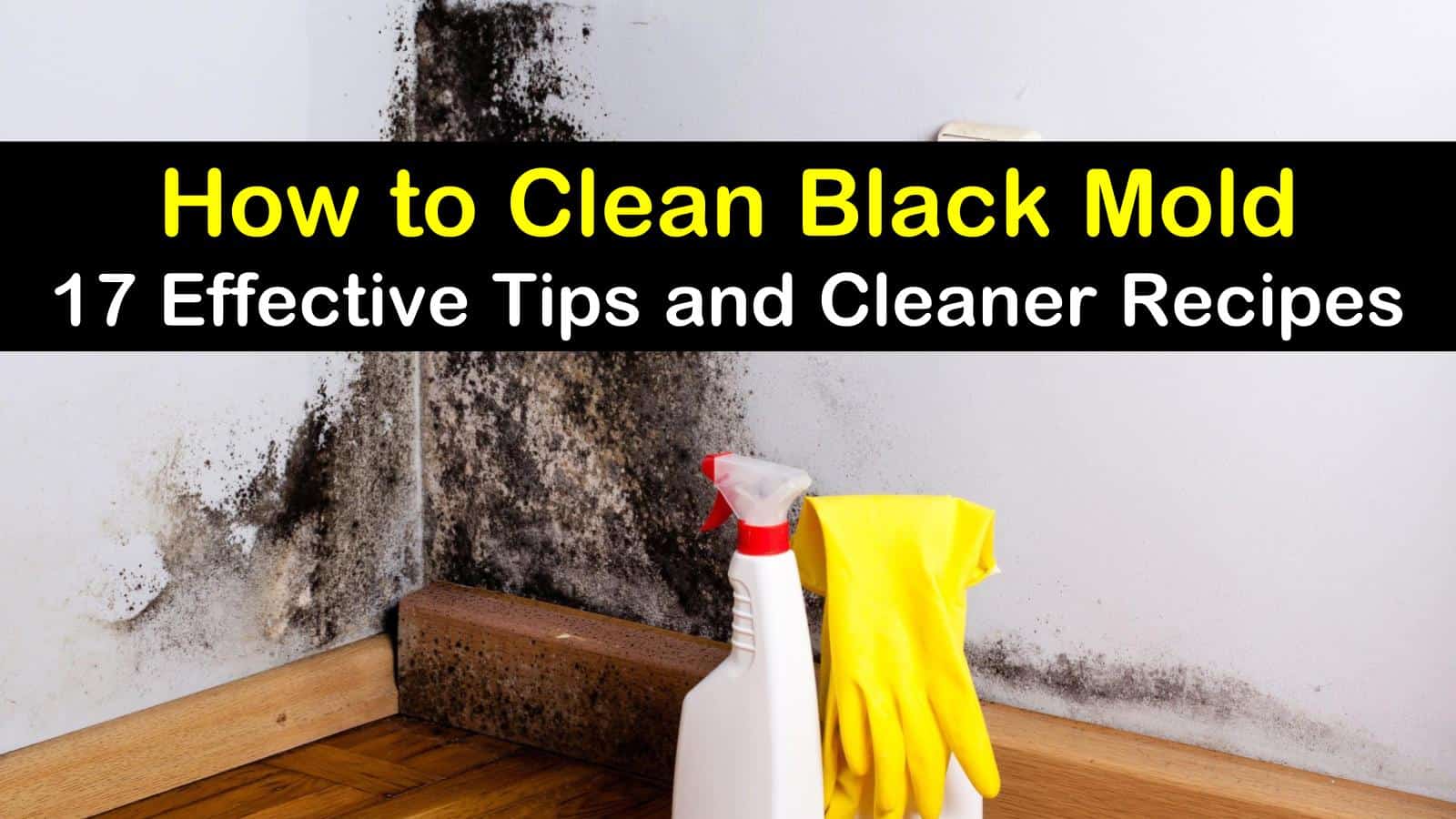
Can I just use bleach to kill black mold on my walls? No. Bleach is largely ineffective on porous surfaces like drywall. The water in the bleach solution can actually soak into the material and provide more moisture for the mold roots to grow, even if the surface appears clean. Professional remediation focuses on removal of the material rather than surface disinfection.
What happens if a contractor offers to test and fix the mold at the same time? This is a direct violation of New York State Labor Law Article 32. In 2026, such a "package deal" is illegal and should be reported to the Department of Labor. It indicates a conflict of interest and may mean the work will not be done to standard.
Recommendation for Next Actions
If you suspect mold in your Commack property, do not disturb the area, as this can release millions of spores into the air. Your first step should be to contact a Licensed Mold Assessor (not a remediation company) to perform an initial inspection. This professional will provide you with an objective report and a remediation plan that you can then use to solicit competitive bids from licensed remediation contractors.
Image Gallery