Understanding the Limits of a Website Domain
A website domain is limited by the technical specifications of the Domain Name System (DNS), which permits a maximum of 63 characters per label and a total length of 253 characters for the entire domain string. Beyond syntax, domains a...
A website domain is limited by the technical specifications of the Domain Name System (DNS), which permits a maximum of 63 characters per label and a total length of 253 characters for the entire domain string. Beyond syntax, domains are governed by administrative lease terms—typically capped at 10 years—and specific eligibility requirements mandated by ICANN or national registries.
Contents
While a domain name may seem like a simple piece of digital real estate, it is bound by a complex framework of technical protocols, administrative policies, and legal constraints. In 2026, as the internet continues to expand through thousands of new Top-Level Domains (TLDs), understanding these boundaries is essential for business owners, developers, and IT administrators. These limits dictate how a domain is structured, how long it can be held, and what characters can be used to represent a brand online.
Technical Structure and Character Limits
The foundational architecture of domain names is defined by the Internet Engineering Task Force (IETF) in various Request for Comments (RFC) documents, most notably RFC 1035. These documents establish the rigid "physics" of the Domain Name System.
The 63 and 253 Character Rules
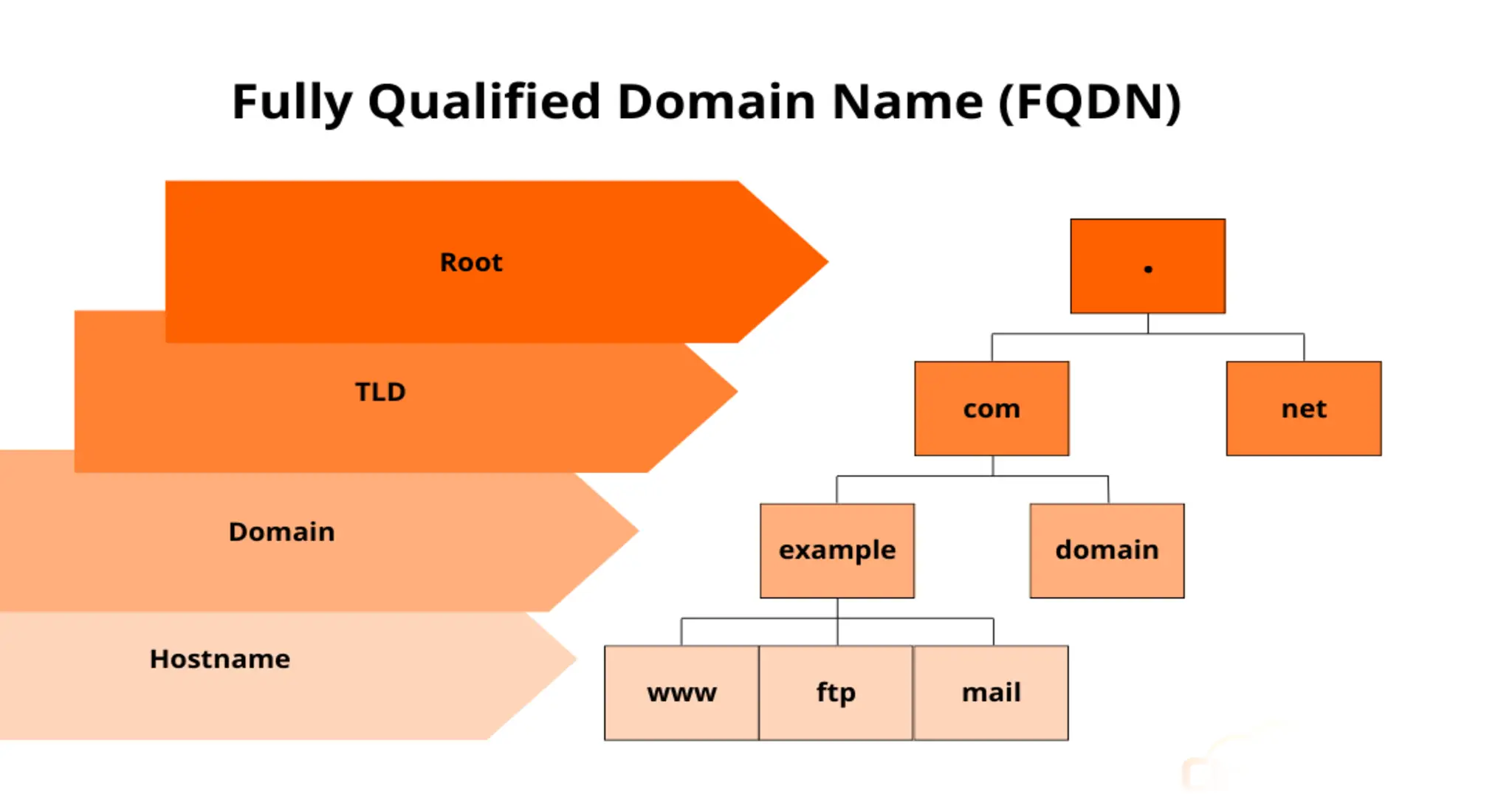
Every domain name is composed of "labels" separated by dots. For example, in blog.example.com, "blog," "example," and "com" are individual labels. Each of these labels is restricted to a maximum of 63 characters. However, the total length of the Full Qualified Domain Name (FQDN)—including the dots—cannot exceed 253 characters. While it is technically possible to register a extremely long domain, practical constraints such as browser address bar visibility and user recall usually limit commercial domains to under 20 characters.
Hierarchy and Levels
DNS is a hierarchical database. The "root" is at the top, followed by the Top-Level Domain (TLD), then the Second-Level Domain (SLD), and then subdomains. Theoretically, a domain can have up to 127 levels of subdomains. However, each level adds to the total character count and increases the complexity of DNS lookups. Excessive sub-leveling can also impact SEO and user trust, as deeply nested URLs are often associated with complex file structures or outdated web architectures.
Allowed Characters and Syntax Requirements
The Domain Name System was originally designed for the English alphabet, leading to specific restrictions on the characters you can use. These are often referred to as the LDH rule (Letters, Digits, Hyphens).
- Letters: Characters a through z are allowed. DNS is case-insensitive, meaning
Example.comis functionally identical toexample.com. - Digits: Numbers 0 through 9 are permitted.
- Hyphens: Hyphens are allowed but come with strict placement rules. A domain cannot start or end with a hyphen, and in most cases, you cannot use consecutive hyphens in the third and fourth positions (e.g.,
ab--cd.com) unless you are using Punycode for Internationalized Domain Names. - Spaces and Special Characters: Spaces, underscores, and symbols like
!,@, or#are strictly prohibited in the domain name itself.
Internationalized Domain Names (IDNs)
To accommodate non-Latin scripts such as Arabic, Chinese, or Cyrillic, the industry uses IDNs. These domains are converted into an ASCII-compatible format using a system called Punycode. For instance, a domain written in a different script will be translated into a string starting with xn--. While this allows for global accessibility, the "limit" here is the complexity of implementation; some legacy email systems and older software may still struggle to process Punycode addresses correctly.
Administrative and Ownership Limits
Contrary to popular belief, you do not "buy" a domain name in the sense of permanent ownership; you lease it for a specific duration. This introduces several administrative boundaries.
Maximum Registration Periods
Under ICANN (Internet Corporation for Assigned Names and Numbers) regulations, the maximum period for which you can register or renew a domain is 10 years. While you can continue to renew the domain indefinitely, you cannot pay for a 50-year or 100-year "ownership" upfront. This ensures that dormant domains eventually return to the public pool if they are not actively maintained or renewed.
The Lifecycle of an Expired Domain
When a domain reaches its expiration date, it doesn't immediately become available for someone else to register. It follows a strict lifecycle that limits how and when the original registrant can reclaim it:
- Auto-Renew Grace Period: Typically 0–45 days after expiration. The owner can usually renew at the standard price.
- Redemption Grace Period: A 30-day window following the grace period where the domain is held by the registry. Reclaiming a domain during this phase usually involves a significant "redemption fee," often exceeding $100.
- Pending Delete: A final 5-day period where the domain cannot be recovered and is waiting to be released back into the general pool.
TLD-Specific Restrictions and Eligibility
Not all Top-Level Domains are open to everyone. Many "restricted" TLDs have limits on who can register them based on location, industry, or institutional status.
| TLD Type | Examples | Eligibility Limits |
|---|---|---|
| Generic (gTLD) | .com, .net, .biz | Open to anyone globally without restriction. |
| Sponsored (sTLD) | .gov, .edu, .mil | Strictly limited to verified government, educational, or military entities. |
| Country Code (ccTLD) | .ca, .uk, .eu | Some require "nexus" (proof of residency or business presence) in that country. |
| Restricted (grTLD) | .bank, .insurance | Requires verification of professional licensing and strict security protocols. |
| Brand TLDs | .apple, .google | Restricted exclusively to the brand that owns the trademark and registry rights. |
In 2026, the proliferation of "niche" TLDs like .app or .dev has also introduced security limits. For instance, some TLDs are included in the HSTS Preload List, meaning they require a valid SSL/TLS certificate to function in modern browsers. You cannot run a .dev or .app site over unencrypted HTTP.
Legal and Intellectual Property Boundaries
Even if a domain name is technically available and fits all syntax rules, there are legal limits to what you can register.
Trademark Infringement
The most common legal limit is the protection of intellectual property. Registering a domain that contains a trademarked term (e.g., buy-apple-iphones.com) can lead to a dispute under the Uniform Domain-Name Dispute-Resolution Policy (UDRP). If a trademark holder proves that the domain was registered in bad faith and is confusingly similar to their mark, the domain can be forcibly transferred to them.
Cybersquatting and Typosquatting
There are legal prohibitions against "cybersquatting"—the practice of registering domains specifically to sell them back to a trademark owner at an inflated price. Similarly, "typosquatting" (registering gogle.com instead of google.com) to capture accidental traffic is often considered a violation of consumer protection laws and registry policies.
Performance and DNS Propagation Limits
The limits of a domain also extend to how quickly it can be updated across the internet. This is managed by the Time to Live (TTL) setting.
When you change the IP address associated with your domain (the A record), the change is not instantaneous. DNS servers around the world "cache" the old information for a period determined by the TTL. If your TTL is set to 86,400 seconds (24 hours), it could take a full day for the entire internet to see your new website. This is a practical limit on the agility of website migrations and server failovers.
Furthermore, while there is no hard limit on the number of DNS records (A, AAAA, MX, TXT) a domain can have, an excessive number of records can increase the size of DNS responses. If a response exceeds 512 bytes, it may require switching from UDP to TCP, which can slightly increase latency and resource usage on the name servers.
Frequently Asked Questions
Can I have a domain name without an extension like .com?
Technically, no. Every domain must belong to a Top-Level Domain (TLD). However, in private corporate networks, "dotless" domains are possible within internal DNS configurations. For the public internet, a domain name must always include at least a second-level domain and a TLD (e.g., example.com).
Is there a limit to how many subdomains I can create?
Most domain registrars and DNS hosting providers do not impose a hard limit on the number of subdomains. However, the total string length of 253 characters remains the ultimate technical ceiling. From an administrative perspective, managing thousands of subdomains can become cumbersome and may impact the performance of your DNS management interface.
Why are some domain names much more expensive than others?
The price limit of a domain is often dictated by the "premium" status assigned by the registry or the secondary market. Short, common-word domains (like crypto.com or insurance.com) carry high valuations due to their branding power. Additionally, some newer TLDs have higher annual wholesale costs set by the registry, which are passed down to the consumer.
What happens if I reach the character limit for a domain?
If you attempt to register a label longer than 63 characters or an FQDN longer than 253 characters, the registry's system will reject the application. These limits are hard-coded into the protocols that run the internet and cannot be bypassed.
Can I use symbols like underscores in my domain?
No, underscores (_) are generally not allowed in domain names (the part you type into a browser). However, underscores are permitted in specific DNS record types, such as SRV records or DKIM records used for email authentication, as these are not intended to be human-navigable website addresses.
Do different countries have different domain limits?
Yes, ccTLDs (Country Code Top-Level Domains) are governed by national registries which can set their own rules. For example, some countries might require a minimum of three characters for a domain name, while others might allow two-character domains. Some countries also restrict the use of certain sensitive or political words.
Practical Recommendation
When selecting a domain, stay well within the technical limits to ensure maximum compatibility and user ease. Aim for a Second-Level Domain that is under 15 characters, avoid hyphens if possible, and always secure a 10-year renewal if the domain is central to your brand's long-term identity. Before finalizing a registration, perform a trademark search via the USPTO or your local equivalent to ensure your domain doesn't cross the legal boundaries of intellectual property. Lastly, always keep your contact information updated with your registrar to ensure you don't lose your domain due to administrative oversight during the expiration lifecycle.
Image Gallery