Evita Broadway Premiere Date: The History and Impact of a Musical Phenomenon
The original Broadway production of Evita officially premiered on September 25, 1979, at the Broadway Theatre in New York City. Following 15 previews that began on September 10, the production became a massive commercial success, runni...
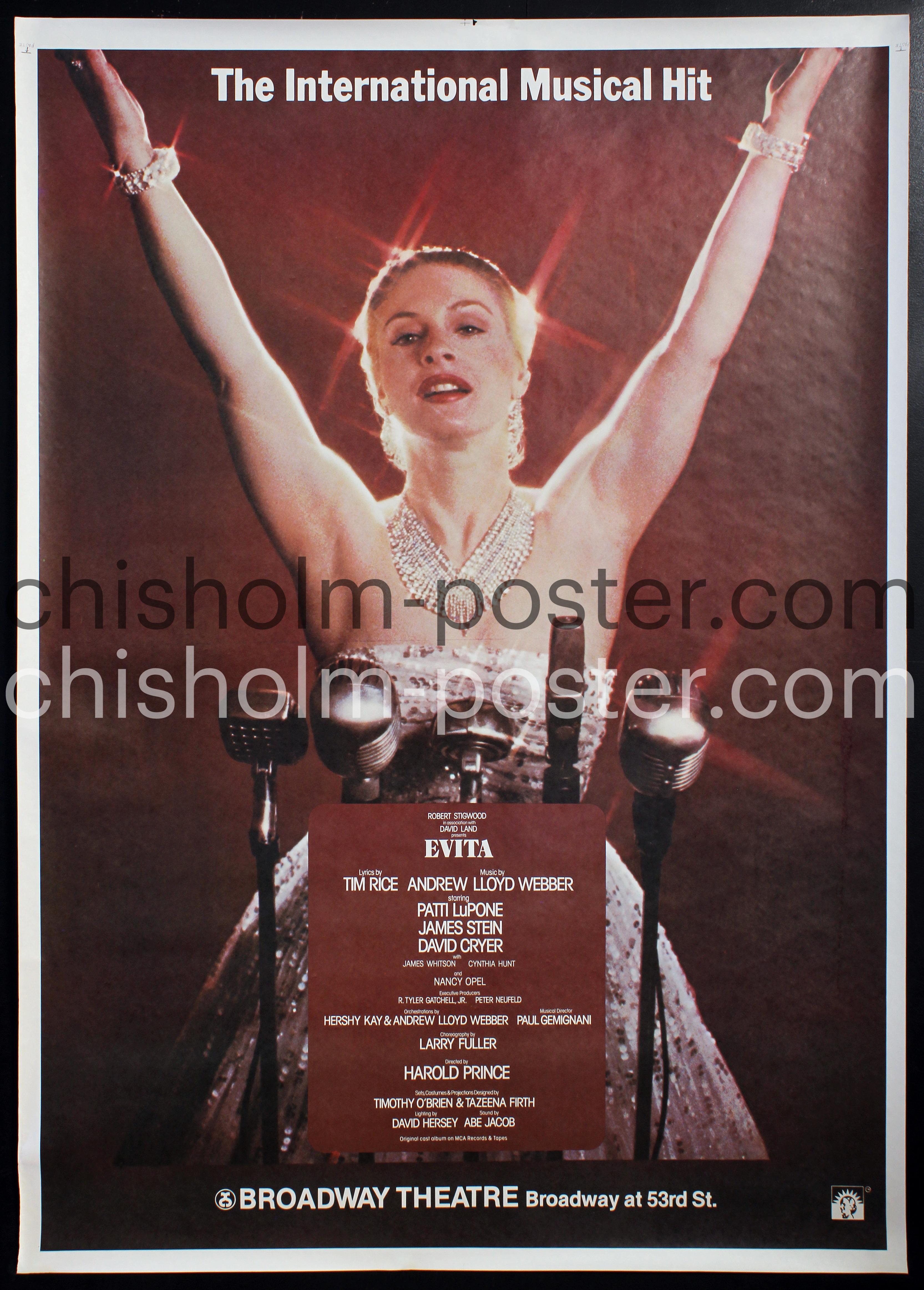
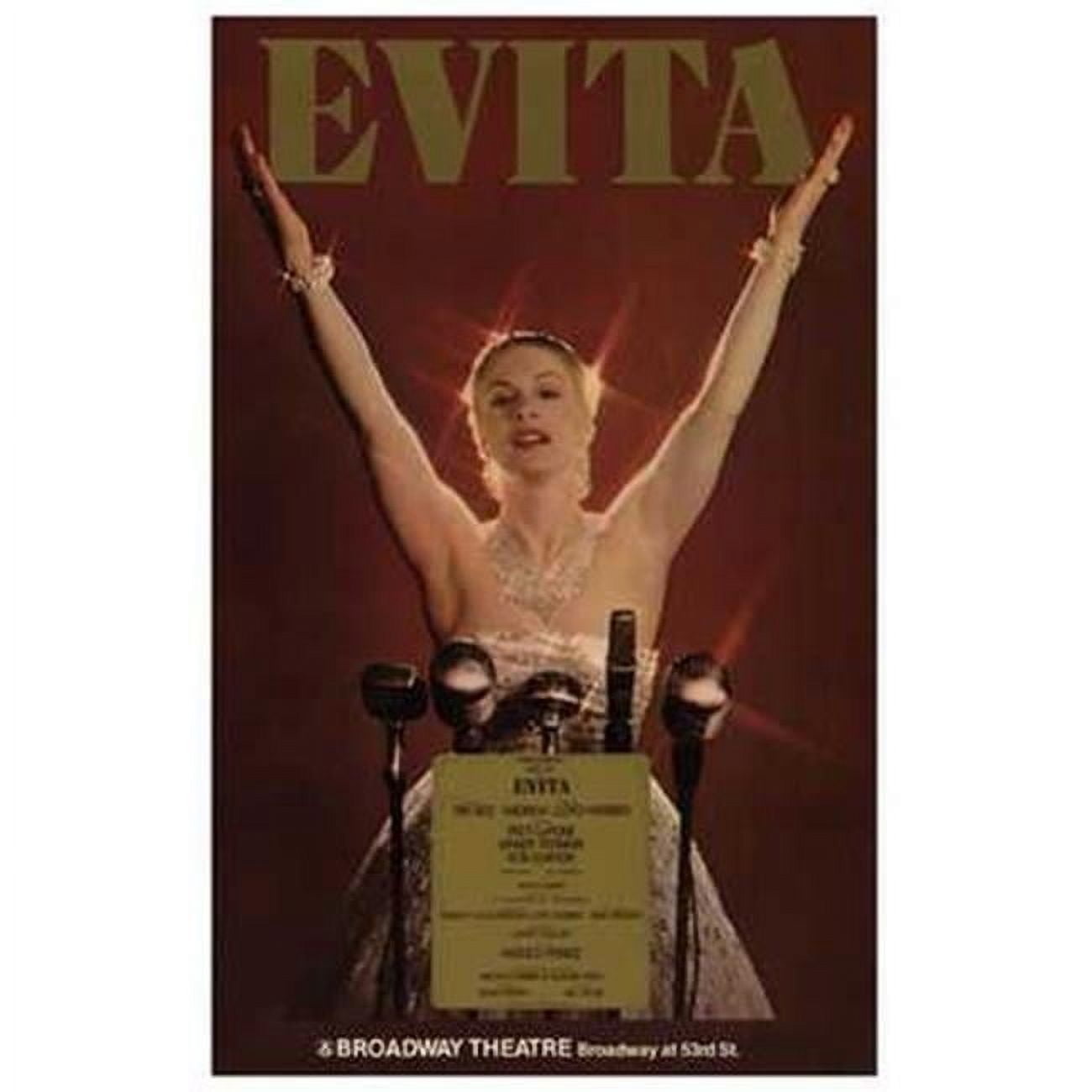
The original Broadway production of Evita officially premiered on September 25, 1979, at the Broadway Theatre in New York City. Following 15 previews that began on September 10, the production became a massive commercial success, running for 1,567 performances before closing on June 26, 1983.
Contents
The Historic Launch of Evita on Broadway
The arrival of Evita on Broadway in the autumn of 1979 marked a pivotal moment in musical theater history. It was the culmination of a journey that began as a concept album in 1976 and a successful West End run in 1978. By the time it reached New York, the hype was monumental, fueled by the international success of the song "Don’t Cry for Me Argentina."
Directed by the legendary Harold Prince, the Broadway production was not merely a replica of the London show; it was a refined, sharpened version of the story of Eva Perón, the second wife of Argentine president Juan Perón. The production solidified the partnership of composer Andrew Lloyd Webber and lyricist Tim Rice as the dominant creative force of the era. The Broadway Theatre, located at 1681 Broadway, provided the massive scale necessary for the show’s cinematic staging and industrial-inspired set design.
From London to New York: The Road to the 1979 Premiere
Before Evita could take Broadway by storm, it underwent a rigorous development process. Unlike traditional musicals of the mid-20th century, Evita began its life as a "rock opera" concept album. This was a strategy Webber and Rice had previously used with Jesus Christ Superstar. The album featured Julie Covington as Eva, and its success proved there was a massive audience for a sung-through musical about a complex, controversial political figure.
The musical premiered at the Prince Edward Theatre in London's West End on June 21, 1978, starring Elaine Paige. However, for the Broadway transfer, the creative team sought a different energy. The transition to New York involved significant adjustments to the book and pacing to ensure the political nuances of Argentine history resonated with an American audience. The Broadway premiere was treated as the "definitive" version of the show, benefiting from the technical tweaks made during the London run.
The Original Broadway Cast: Icons in the Making
One cannot discuss the Evita Broadway premiere date without highlighting the cast that brought the characters to life in 1979. The production is famous for launching the careers of two of Broadway’s most enduring legends.
Patti LuPone as Eva Perón
Patti LuPone’s portrayal of Eva Duarte de Perón is often cited as one of the most demanding and iconic performances in theater history. LuPone won the Tony Award for Best Actress in a Musical for the role, though she has famously spoken about the vocal and physical toll the "high-belt" score took on her. Her performance captured the duality of Eva—the calculating political strategist and the "Rainbow of Argentina"—with a raw intensity that defined the character for generations.
Mandy Patinkin as Che
Mandy Patinkin played the narrator, Che, a character who serves as the cynical conscience of the show. While the character was inspired by Che Guevara in the original staging (complete with the beret and fatigues), he functioned more as an Everyman critic of the Perón regime. Patinkin’s soaring tenor and aggressive stage presence earned him the Tony Award for Best Featured Actor in a Musical, establishing him as a powerhouse performer.
Bob Gunton as Juan Perón
Bob Gunton provided the necessary weight and gravitas to the role of Juan Perón. His portrayal emphasized the opportunistic nature of the General’s rise to power and his complex dependence on Eva’s charisma. Gunton’s performance was nominated for a Tony, rounding out a trio of leads that made the 1979 premiere a masterclass in character-driven musical drama.
Creative Mastery: Webber, Rice, and Prince
The success of the September 25 premiere was as much about the "look" of the show as it was about the music. Harold Prince, fresh off his successes with Stephen Sondheim, brought a "Black Box" conceptual style to the production.
The staging was revolutionary for 1979. It utilized a massive projection screen that displayed actual historical footage of the real Eva Perón, blurring the lines between theatrical fiction and political reality. This multimedia approach, combined with Timothy O'Brien and Tazeena Firth’s minimalist, industrial sets, created a stark contrast to the lush, romantic melodies of Webber’s score. The choreography by Larry Fuller utilized military precision to underscore the fascist undertones of the Perónist movement, making the premiere a visual sensation that felt entirely new to Broadway audiences.
Critical and Commercial Reception in 1979
When the curtain rose on opening night, the critical response was initially polarized, though the public's appetite was undeniable. Some critics found the show’s treatment of a fascist-adjacent historical figure uncomfortable, while others praised the sheer brilliance of the craft.
The New York Times and other major outlets noted the incredible energy of the production, even if they questioned the "morality" of turning Eva Perón into a tragic heroine. Despite any critical reservations, the box office tellers were busy. Evita became a "tough ticket," staying relevant for years and proving that Broadway audiences were ready for more complex, sung-through narratives. It eventually became the first British musical to win the Tony Award for Best Musical.
The 1980 Tony Awards Sweep
Following its 1979 premiere, Evita dominated the 34th Annual Tony Awards in 1980. Its success helped usher in the "British Invasion" of Broadway that would continue through the 1980s with shows like Cats, Les Misérables, and The Phantom of the Opera.
The production won seven Tony Awards:
- Best Musical
- Best Original Score (Andrew Lloyd Webber and Tim Rice)
- Best Book of a Musical (Tim Rice)
- Best Actress in a Musical (Patti LuPone)
- Best Featured Actor in a Musical (Mandy Patinkin)
- Best Direction of a Musical (Harold Prince)
- Best Lighting Design (David Hersey)
Comparison of Major Broadway Productions
While the 1979 premiere remains the gold standard, Evita has returned to Broadway and been adapted into other formats. The following table compares the landmark 1979 production with the 2012 revival and the 1996 film.
| Feature | 1979 Original Broadway Production | 2012 Broadway Revival | 1996 Feature Film |
|---|---|---|---|
| Premiere Date | September 25, 1979 | April 5, 2012 | December 25, 1996 |
| Theater / Studio | Broadway Theatre | Marquis Theatre | Hollywood Pictures |
| Eva Perón | Patti LuPone | Elena Roger | Madonna |
| Che | Mandy Patinkin | Ricky Martin | Antonio Banderas |
| Juan Perón | Bob Gunton | Michael Cerveris | Jonathan Pryce |
| Key Directorial Style | Industrial, Conceptual (Prince) | Cinematic, Tango-infused (Grandage) | Realistic, Period-accurate (Parker) |
| Notable Changes | Established the stage standard | Added "You Must Love Me" | Shifted Che to an Everyman |
Technical Innovation and Staging
A major reason the 1979 premiere date is etched into theater history is the show's technical ambition. In the late 70s, Broadway was beginning to experiment with more sophisticated lighting and sound.
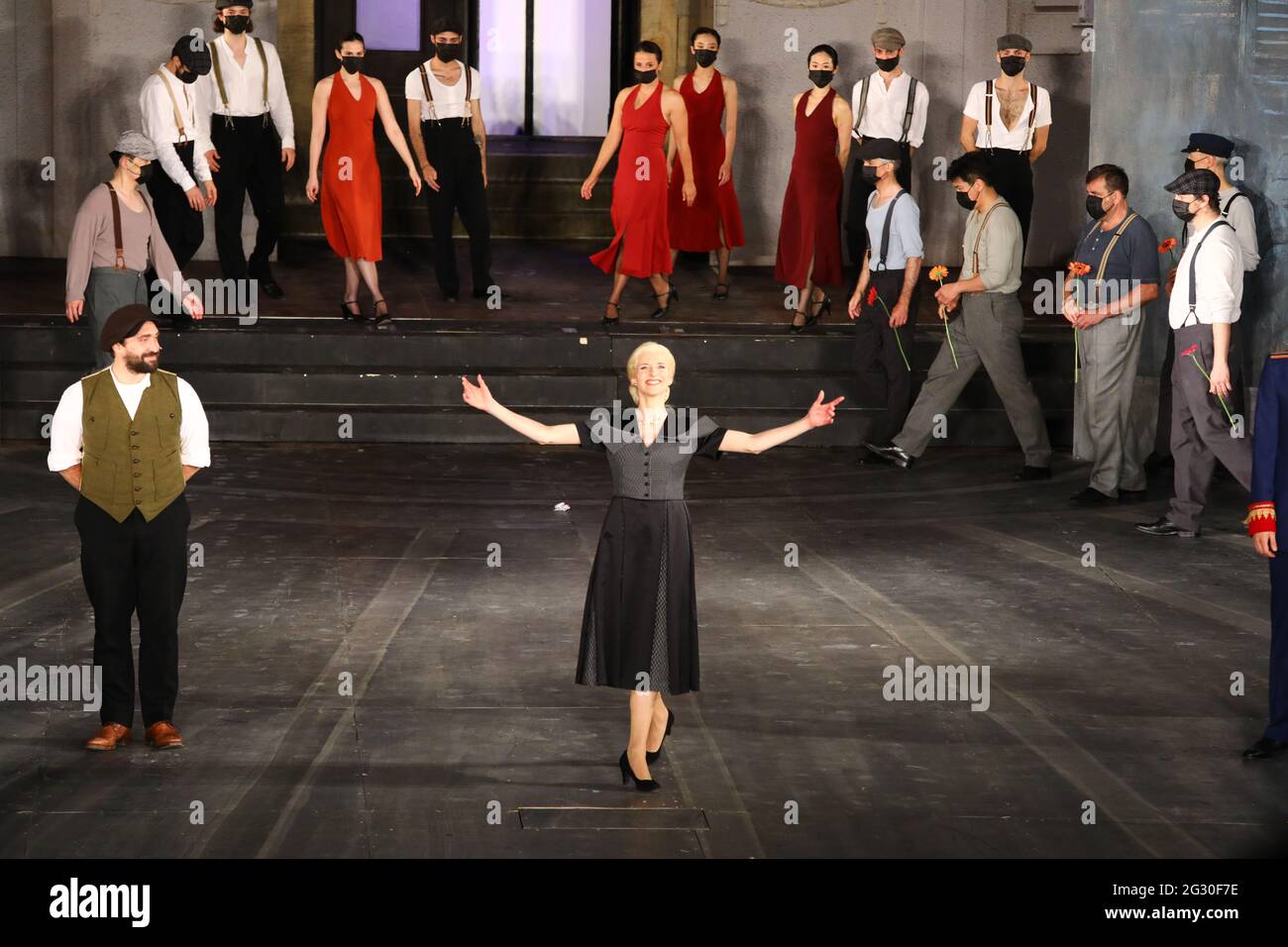
Evita used a "bridge" that moved across the stage, allowing Eva to look down upon the "Descamisados" (the shirtless ones/the poor). The use of a massive mural of Eva that would occasionally be illuminated from behind created a ghostly, larger-than-life presence. The sound design was also notable for its time, as the show was essentially a rock concert disguised as a political drama. The orchestration by Andrew Lloyd Webber and David Cullen introduced Latin rhythms—tango, pasodoble—into the traditional Broadway pit, creating a soundscape that was as exotic as it was catchy.
The Legacy of Evita in 2026
As of 2026, Evita remains a staple of the global theatrical repertoire. While nearly 47 years have passed since that first Broadway opening night, the questions the show raises about populism, celebrity culture, and the "cult of personality" remain intensely relevant.
The 1979 production set a high bar for what is now called the "Mega-Musical." It proved that a show could be both intellectually stimulating and commercially massive. Most modern productions still draw inspiration from Hal Prince’s original staging choices, particularly the iconic "balcony scene" where Eva addresses the crowds from the Casa Rosada. The role of Eva continues to be a "diva-maker," a litmus test for the vocal and dramatic prowess of every generation’s top musical theater performers.
Frequently Asked Questions
What was the exact premiere date of Evita on Broadway?
The official opening night for Evita on Broadway was September 25, 1979. It had previously begun preview performances on September 10, 1979. The production took place at the Broadway Theatre, one of the few houses large enough to accommodate the show’s massive scale and technical requirements.
Who was in the original Broadway cast of Evita?
The original 1979 Broadway cast was led by Patti LuPone as Eva Perón, Mandy Patinkin as Che, and Bob Gunton as Juan Perón. Other notable cast members included Jane Ohringer as Perón’s Mistress and Mark Syers as Magaldi. This cast is widely considered the definitive interpreter of the Lloyd Webber/Rice score.
How long did the original Broadway production of Evita run?
The original production ran for nearly four years, closing on June 26, 1983. During its run, it played a total of 1,567 regular performances and 15 previews. Its success was instrumental in proving that sung-through rock operas could have long-term staying power on Broadway.
Did Evita win any Tony Awards?
Yes, Evita was a major success at the 1980 Tony Awards, winning seven categories including Best Musical. Patti LuPone and Mandy Patinkin both took home acting honors, and Harold Prince won for his direction. It also won for its book, score, and lighting design.
How does the Broadway version differ from the original London version?
While the core music and lyrics remained the same, the Broadway production (1979) featured more refined staging and script adjustments by Harold Prince and Tim Rice. The character of Che was also slightly modified to be more of a cynical observer rather than a literal representation of Che Guevara, though the costume remained similar in the initial Broadway run.
Is the song "You Must Love Me" in the original Broadway production?
No, "You Must Love Me" was written specifically for the 1996 film starring Madonna. Because of its success and the way it deepens Eva's character during her illness, it has been added to most stage revivals of Evita since then, including the 2012 Broadway revival, but it was not part of the 1979 premiere.
Final Recommendation for Theater Historians
For those looking to understand the evolution of the modern musical, studying the 1979 Broadway premiere of Evita is essential. It represents the perfect bridge between the Golden Age of Broadway and the high-concept, high-production-value era that followed. To experience the show's history today, one should listen to the Original Broadway Cast Recording (1979), which remains the most faithful document of the performances that changed theater history on that September night.
Image Gallery