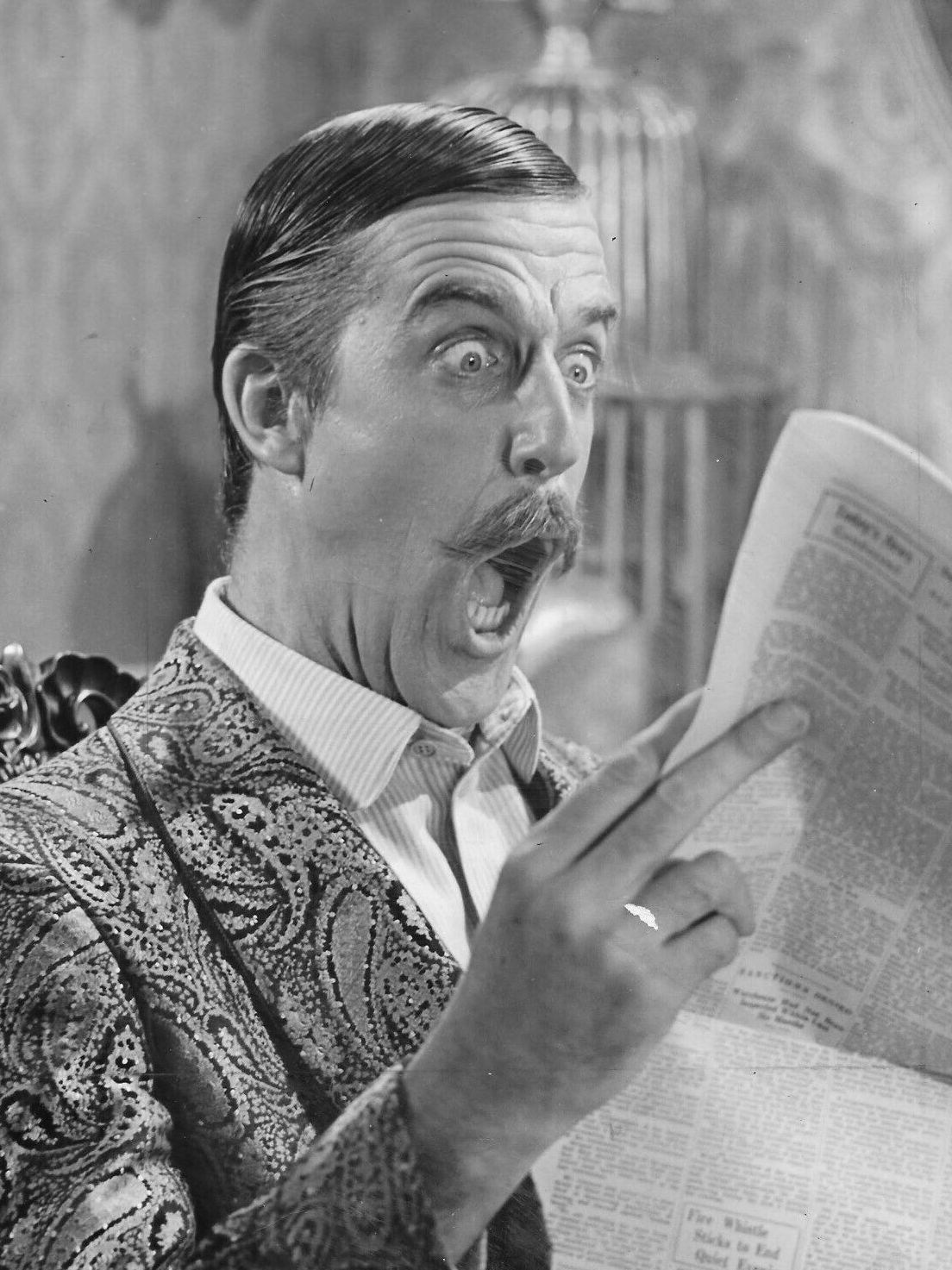
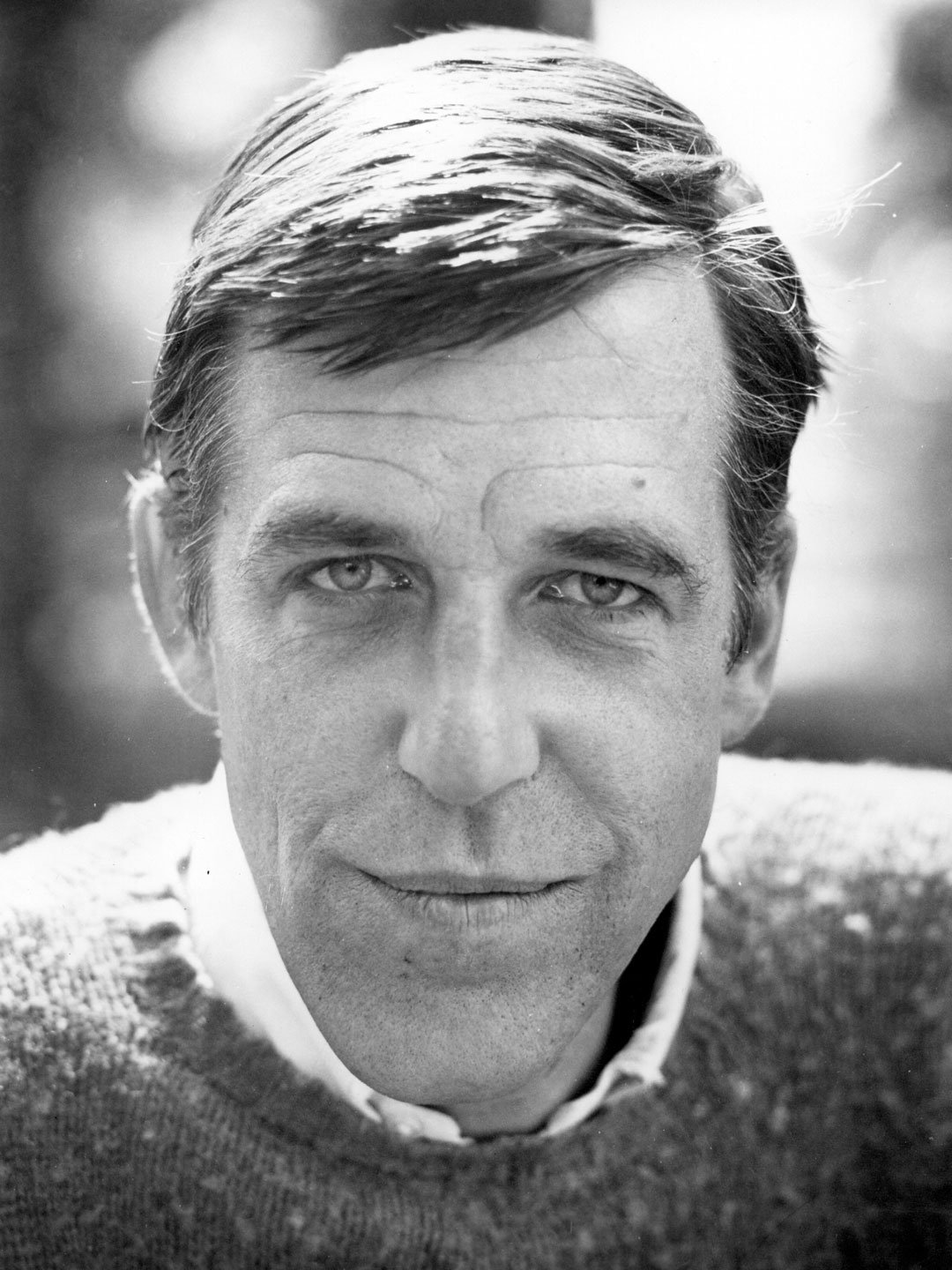
The Multitalented Legacy of Fred Gwynne: Actor, Author, and Conservationist
Fred Gwynne was a versatile American artist who achieved icon status through his portrayal of Herman Munster, yet his professional identity extended far beyond television. A Harvard-educated polymath, Gwynne was a celebrated Broadway a...
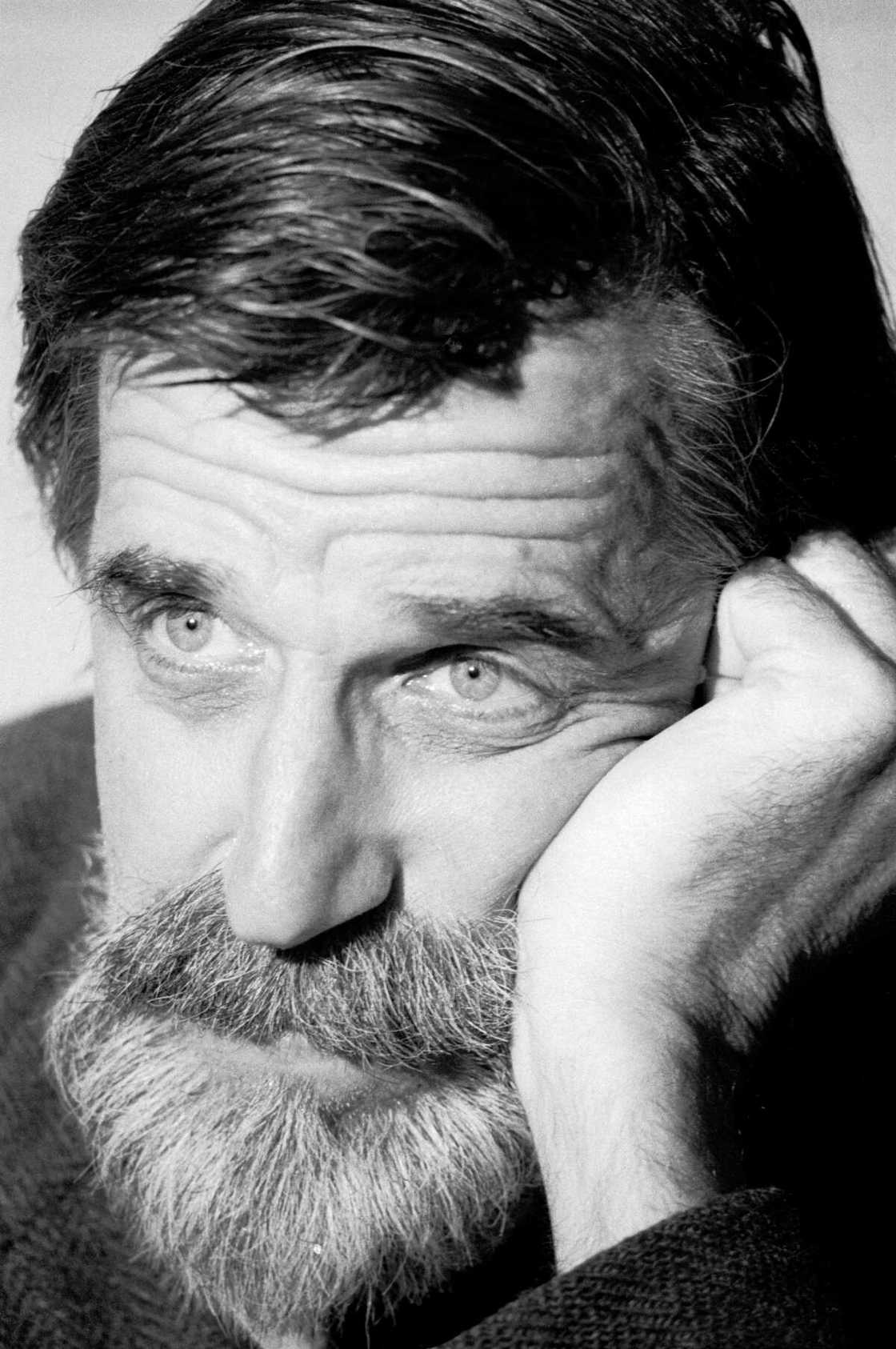
Fred Gwynne was a versatile American artist who achieved icon status through his portrayal of Herman Munster, yet his professional identity extended far beyond television. A Harvard-educated polymath, Gwynne was a celebrated Broadway actor, a prolific author and illustrator of children’s books, and a dedicated proponent of rural preservation and land conservation in Maryland.
Contents
The Formative Years: From Harvard to the Broadway Stage
Born Frederick Hubbard Gwynne in 1926, the man who would eventually stand 6’5” began his journey not in a Hollywood studio, but in the academic and artistic corridors of the East Coast. Gwynne’s upbringing was characterized by a high degree of cultural exposure; his father was a wealthy stockbroker, and the family moved frequently, providing Fred with a broad perspective on American life.
His education at Harvard University proved pivotal. While at Harvard, Gwynne was a member of the Krokodiloes, the university’s oldest a cappella group, and served as the president of the Harvard Lampoon. This period was essential in developing his dual talents in performance and visual art. As an illustrator for the Lampoon, he honed the whimsical, slightly surreal drawing style that would later define his career as a children's author. Following his graduation in 1951 and a stint in the U.S. Navy during World War II, Gwynne moved to New York City to pursue acting, initially supporting himself as a copywriter for J. Walter Thompson.
His early stage work demonstrated a range that many television viewers would later overlook. He appeared in the 1952 Broadway production of Mrs. McThing starring Helen Hayes. This began a lifelong relationship with the theater, where he felt most at home. Unlike many of his contemporaries who sought the screen, Gwynne viewed the stage as the highest form of the craft, eventually returning to it throughout his life to escape the confines of typecasting.
The Television Era: Defining Sitcom History
While Gwynne was a "serious" actor, he is perhaps most universally recognized for two major television roles that defined the early 1960s. The first was Officer Francis Muldoon in Car 54, Where Are You? (1961–1963). Starring alongside Joe E. Ross, Gwynne played the "straight man" in a comedic duo of NYPD officers. The show was a critical success, and it established Gwynne’s ability to use his imposing physical stature for comedic effect.
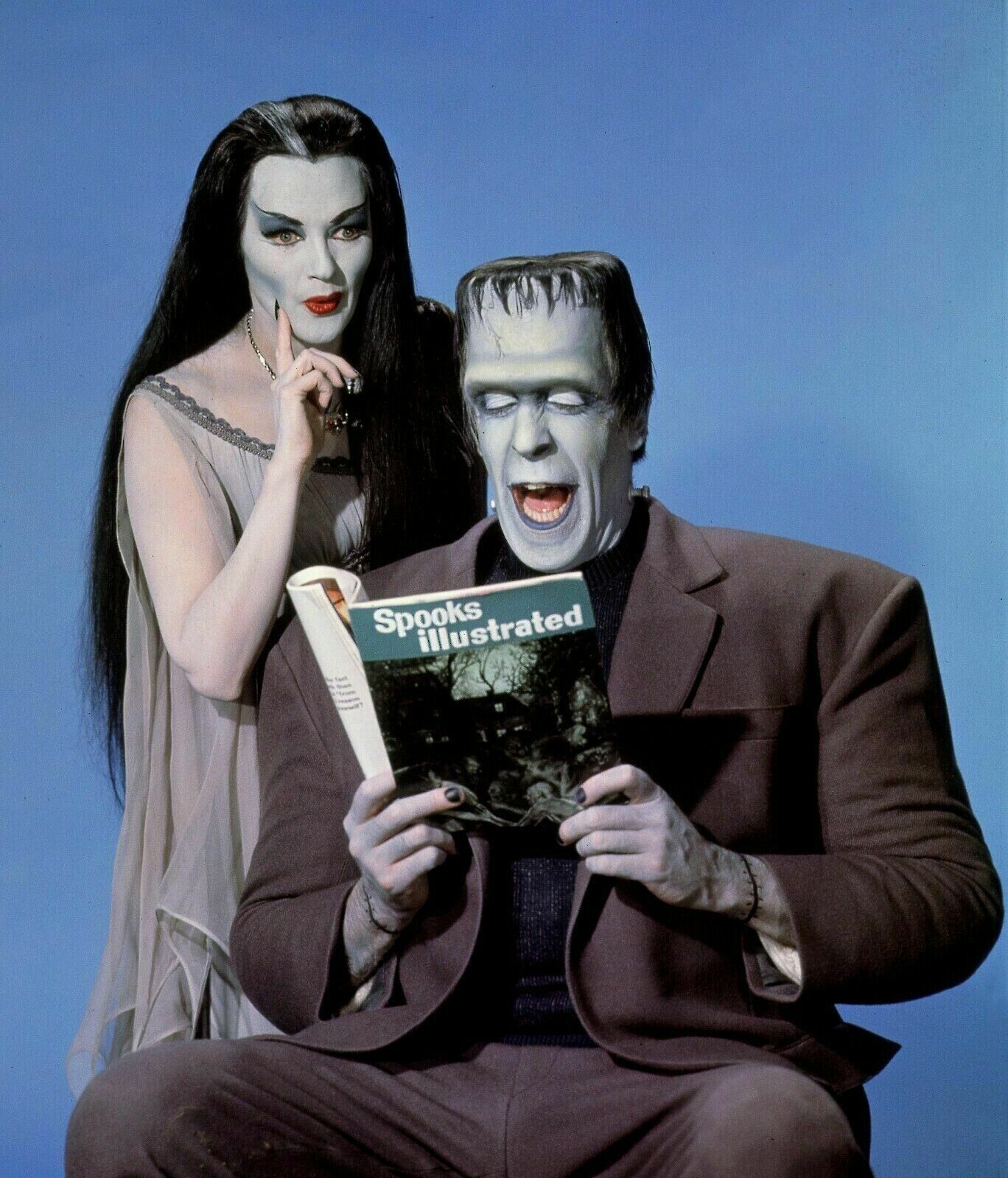
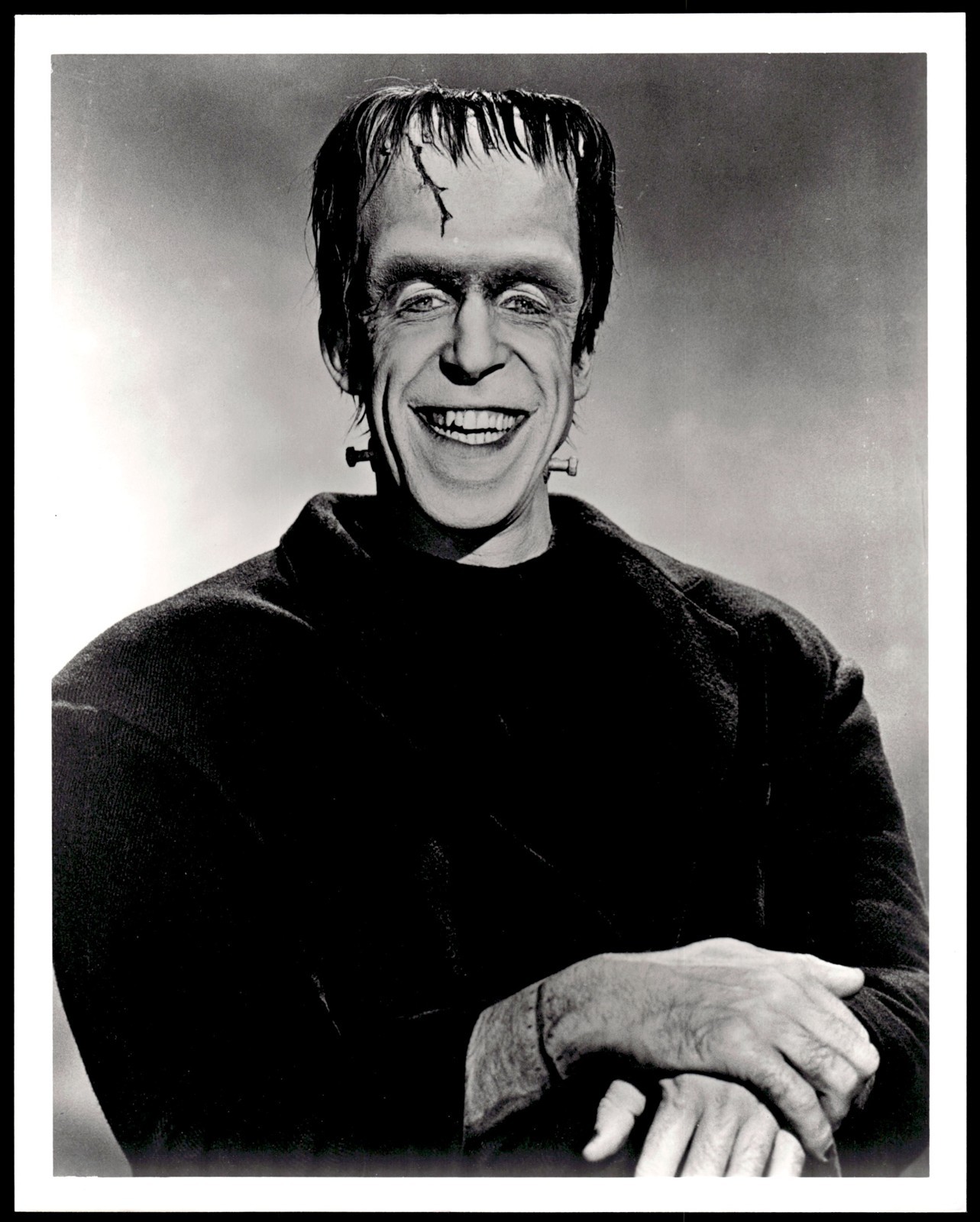
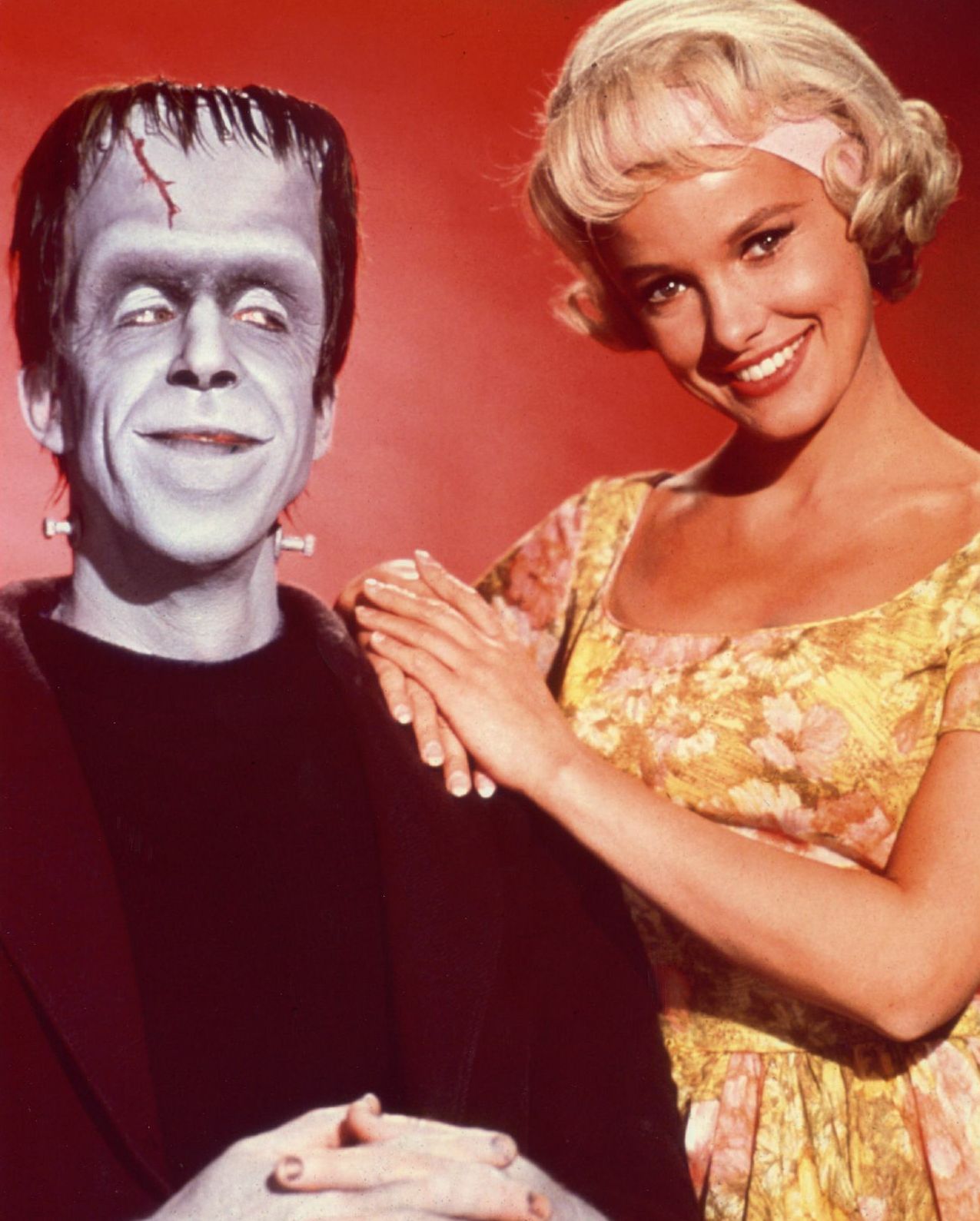
However, it was his 1964 casting as Herman Munster in The Munsters that cemented his place in the American zeitgeist. The role required Gwynne to undergo three hours of makeup daily, including heavy prosthetics and four-inch platform soles to increase his height to seven feet. Despite the physical discomfort and the risk of being overshadowed by the costume, Gwynne gave Herman a lovable, childlike innocence. He didn't just play a monster; he played a father trying—and often failing—to navigate a world that viewed him as an outsider.
As of 2026, The Munsters remains a staple of classic television syndication. Media historians often point to Gwynne’s performance as the reason the show survived the test of time, noting that his expressive facial acting through layers of latex was a masterclass in physical comedy and character depth.
The Literary Career: Master of the Visual Pun
One of the most overlooked aspects of Fred Gwynne’s career is his significant contribution to children’s literature. Far from being a "celebrity author" who lent his name to a ghostwritten project, Gwynne was a true creator who wrote and illustrated his own volumes. His books are celebrated for their clever exploration of the English language, specifically homonyms and idioms.
His most famous work, The King Who Rained (1970), introduced a generation of children to the literal interpretation of common phrases. Through his vibrant and slightly grotesque illustrations, Gwynne depicted a "king who rained" (a man floating in the clouds pouring water) and "table clothes" (shirts and pants worn by furniture).
Other notable titles include:
- A Chocolate Moose for Dinner (1976): Playing on the phonetic similarity between "moose" and "mousse."
- A Little Pigeon Toad (1988): Exploring the confusion between birds and amphibians.
- Sixteen Hand Horse (1980): A visual play on the measurement of horses.
Gwynne’s books were more than just humor; they served as educational tools that helped children understand the complexities and eccentricities of the English language. His artistic style—characterized by fine line work and a penchant for the slightly absurd—reflected his background with the Harvard Lampoon. Even decades after their initial publication, these books continue to be utilized by educators for their unique ability to spark linguistic curiosity.
The Later Career and the "My Cousin Vinny" Resurgence
Following the conclusion of The Munsters, Gwynne faced significant hurdles with typecasting. For years, casting directors struggled to see past the face of Herman Munster. He spent much of the 1970s and 80s returning to the theater, earning acclaim in productions such as the 1974 revival of Cat on a Hot Tin Roof.
A cinematic resurgence occurred toward the end of his life. In 1989, he delivered a chilling performance as Jud Crandall in the adaptation of Stephen King’s Pet Sematary. It was a complete departure from his comedic roots, showcasing his ability to portray gravity, age, and a sense of impending doom.
However, his final film role is perhaps his most beloved by modern audiences. In the 1992 comedy My Cousin Vinny, Gwynne played Judge Chamberlain Haller. His performance as the deadpan, strictly traditional Southern judge provided the perfect foil to Joe Pesci’s frantic New York lawyer. The "What is a 'yute'?" exchange remains one of the most quoted scenes in comedy history. Gwynne’s ability to maintain a stern, unyielding dignity while surrounded by absurdity was the culmination of his decades-long career.
Life as a Conservationist and Maryland Farmer
Outside of the spotlight, Fred Gwynne was a man of intense privacy. He spent the latter part of his life in Taneytown, Maryland, where he lived on a sprawling farm. It is here that his role as a "conservationist" truly manifested. Gwynne was not merely a resident of rural Maryland; he was a dedicated steward of the land.
He was deeply involved in local efforts to preserve the agricultural character of Carroll County. At a time when suburban sprawl was beginning to threaten the historic landscapes of the region, Gwynne used his influence and personal resources to advocate for land preservation. He was a member of the Maryland Historical Trust and worked to ensure that the rural heritage of the area was protected from over-development.
Gwynne’s commitment to the environment was reflected in his personal lifestyle. He was known to prefer the company of his neighbors and the quietude of his farm over the gala events of Hollywood or New York. His dedication to conservation was born from a desire to maintain a connection to the earth and to provide a sanctuary for his family away from the artifice of the entertainment industry.
Comparison of Fred Gwynne’s Major Contributions
| Category | Primary Works / Achievements | Key Impact |
|---|---|---|
| Television | The Munsters, Car 54, Where Are You? | Defined the "lovable monster" archetype and 60s sitcom tropes. |
| Film | My Cousin Vinny, Pet Sematary, The Cotton Club | Proved versatility across horror, drama, and comedy genres. |
| Literature | The King Who Rained, A Chocolate Moose for Dinner | Pioneered visual puns as a tool for children's linguistic education. |
| Theatre | Mrs. McThing, Cat on a Hot Tin Roof (Revival) | Tony-level talent who prioritized the craft over commercial fame. |
| Personal | Maryland Land Preservation, Historical Trust | Active role in protecting rural American landscapes from development. |
The Enduring Influence in 2026
In 2026, the legacy of Fred Gwynne is viewed through a lens of renewed appreciation for the "polymath artist." In an age of hyper-specialization, Gwynne’s ability to excel at the highest levels of television, film, stage, and literature is rare.
His children's books are currently experiencing a digital revival, with new interactive editions being used in classrooms to teach English as a Second Language (ESL) students about idioms and homonyms. Meanwhile, his film performances continue to be studied by actors for their impeccable timing and physical presence. The Maryland farm he worked so hard to protect remains part of a preserved corridor, a silent testament to his efforts as a conservationist.
Frequently Asked Questions
Was Fred Gwynne bitter about being known as Herman Munster?
While he occasionally expressed frustration with the typecasting that followed the show, Gwynne was not bitter about the role itself. He recognized that it brought joy to millions. However, he was notoriously private and would often refuse to sign autographs or discuss the show in public, preferring to be recognized for his current work or his books.
How did his Harvard education influence his writing?
His time at Harvard, particularly his presidency of the Harvard Lampoon, gave him a sophisticated understanding of satire and visual storytelling. This "Lampoon style"—which often blends the grotesque with the humorous—is evident in the illustrations of his children's books, which never "talked down" to their young audience.
Did Fred Gwynne win any awards for his acting?
While he did not win an Academy Award or an Emmy, he was highly respected by his peers. He received critical acclaim for his stage work and was a mainstay of the New York theater scene. His performance in My Cousin Vinny is often cited by critics as one of the best supporting comedic performances of the 1990s.
What is his most important contribution to conservation?
Gwynne’s most significant impact was his advocacy for the Maryland Agricultural Land Preservation Foundation (MALPF). By placing his own land into easements and encouraging others in the Taneytown area to do the same, he helped create a buffer against the urban sprawl moving out from Baltimore and Washington, D.C.
Are his children's books still in print?
Yes, most of his major titles, including The King Who Rained and A Chocolate Moose for Dinner, remain in print as of 2026. They are considered classics of the genre and are frequently found in school and public libraries.
Final Recommendation for Enthusiasts
For those looking to truly understand the depth of Fred Gwynne’s talent, the best approach is to look beyond the makeup of Herman Munster. Start by revisiting his performance in My Cousin Vinny to appreciate his comedic timing, then seek out a copy of The King Who Rained to see his brilliance as an illustrator. Understanding Gwynne requires recognizing him as a man who valued substance over celebrity and the quiet preservation of nature over the loud demands of fame.
Image Gallery