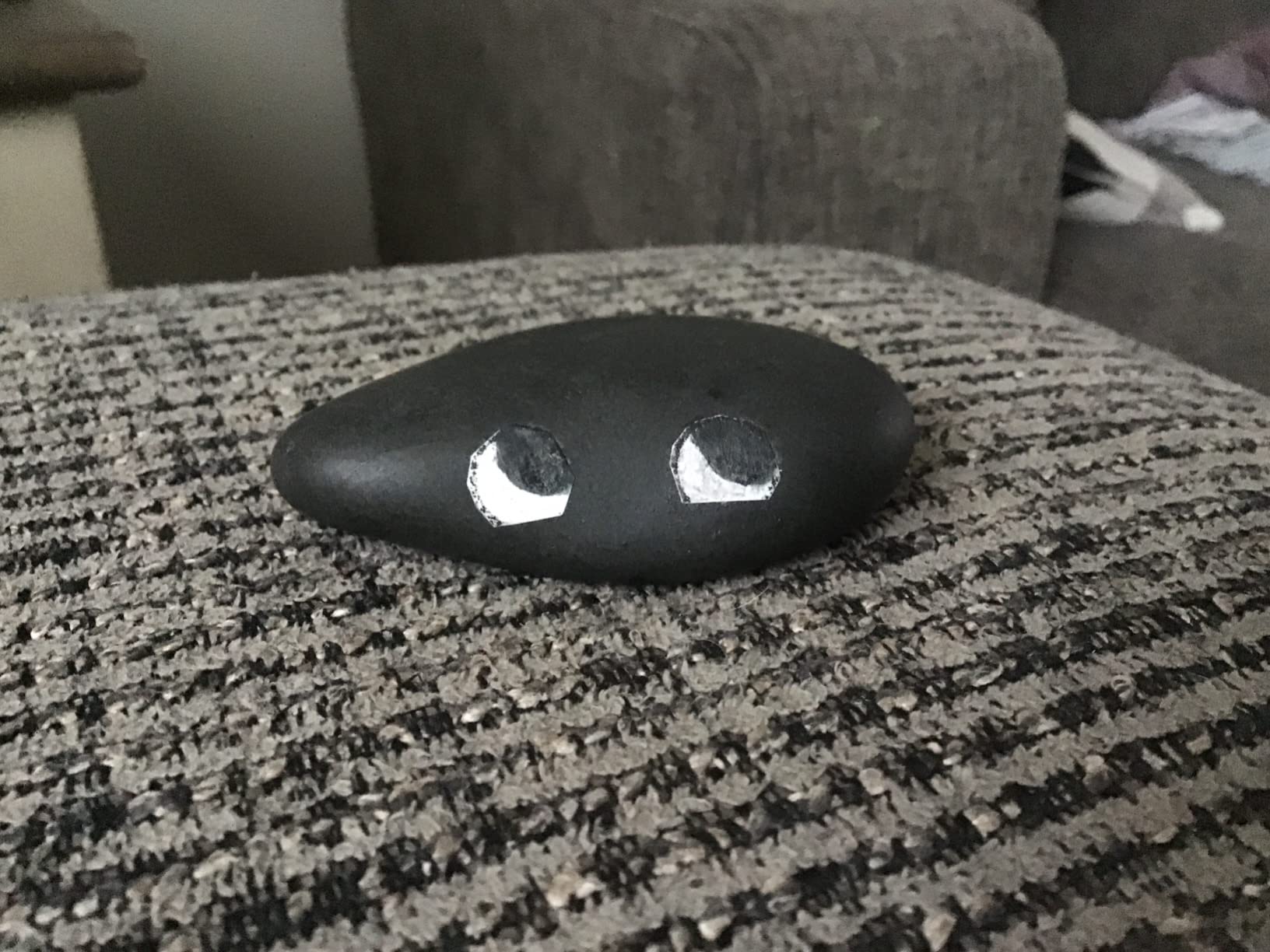
Gary Ross Dahl: The Pet Rock Creator’s Legacy and Net Worth at Death
Gary Ross Dahl, the creative mastermind behind the 1970s Pet Rock phenomenon, had an estimated net worth of approximately $2 million to $5 million at the time of his death in 2015. While the Pet Rock earned him millions in a matter of...
Gary Ross Dahl, the creative mastermind behind the 1970s Pet Rock phenomenon, had an estimated net worth of approximately $2 million to $5 million at the time of his death in 2015. While the Pet Rock earned him millions in a matter of months during the mid-1970s, his long-term wealth was managed through his subsequent career as an advertising executive, author, and small business owner.
Contents
The Birth of a Cultural Icon: The 1975 Pet Rock Phenomenon
To understand the financial standing of Gary Dahl at the end of his life, one must first look at the meteoric rise of his most famous creation. In 1975, Dahl was working as a freelance advertising copywriter in Los Gatos, California. The idea for the Pet Rock reportedly began as a joke during a barroom conversation. While his friends complained about the difficulties of owning traditional pets—feeding, walking, and cleaning up after them—Dahl joked that he had the "perfect pet": a rock.
Unlike many who have a passing "million-dollar idea" over drinks, Dahl possessed the technical marketing expertise to execute it. He didn't just sell a rock; he sold a concept, a brand, and a shared cultural experience. By late 1975, the Pet Rock was the "must-have" gift for the holiday season, turning an ordinary gray stone into a symbol of American consumerism and absurdist humor.
The Psychology of the "Perfect Pet"
The genius of Gary Dahl lay not in the procurement of stones, but in his mastery of copywriting. Every Pet Rock came in a cardboard carrying case complete with air holes and a straw nest. However, the true value was the 32-page "Pet Rock Training Manual." This booklet included instructions on how to make the rock "sit" and "stay" (which it did perfectly) and how to "roll over" (with a little help from the owner).
Dahl tapped into the zeitgeist of the mid-1970s. Following the trauma of the Vietnam War and the Watergate scandal, the American public was hungry for something harmless, inexpensive, and genuinely funny. From a technical marketing perspective, Dahl utilized "scarcity" and "novelty" to drive demand, even though the supply (rocks) was effectively infinite.
Breaking Down the Finances: How a Rock Made Millions
The financial success of the Pet Rock is often cited in business schools as a masterclass in high-margin product development. In 1975, the Pet Rock retailed for $3.95. By the time the fad peaked and began to fade in early 1976, Dahl had sold approximately 1.5 million units.
Cost Analysis and Profit Margins
The economics of the Pet Rock were incredibly favorable to the creator. Because the primary "raw material" was essentially free or extremely cheap, the overhead was focused almost entirely on packaging and distribution.
| Component | Estimated Cost (1975 USD) | Description |
|---|---|---|
| The Rock | $0.01 - $0.05 | Smooth stones imported from Rosarito Beach, Mexico. |
| The Packaging | $0.20 - $0.30 | Cardboard box with die-cut air holes and straw. |
| The Manual | $0.10 - $0.15 | 32-page booklet of puns and training tips. |
| Distribution & Labor | $0.50 - $0.75 | Shipping to retailers and assembly. |
| Retailer Markup | $1.50 - $2.00 | Standard department store margin. |
| Dahl’s Profit per Unit | ~$1.00 | Net profit after all expenses. |
With 1.5 million units sold, Dahl's gross profit exceeded $1.5 million in 1975 dollars. Adjusted for inflation in 2026, that initial windfall would be equivalent to over $8.5 million. However, as many overnight millionaires discover, gross profit does not equal long-term net worth. Taxes, legal fees, and reinvestment into less successful ventures significantly altered his final financial standing.
The Burden of Success: Lawsuits and Copycats
The sudden influx of wealth brought immediate challenges. Gary Dahl faced numerous legal battles that eroded his initial earnings. As the Pet Rock became a household name, several former business associates sued Dahl, claiming they were entitled to a larger share of the profits. In the late 1970s, a group of early investors won a lawsuit against him, resulting in a six-figure settlement that significantly cut into his liquidity.
Furthermore, the simplicity of the product made it easy to copy. While Dahl held copyrights on the manual and trademarks on the name, the market was flooded with "knock-off" rocks. Defending his intellectual property required constant legal attention and expenditure. Dahl later remarked in interviews that the fame was often more of a burden than a blessing, as he was constantly approached by "inventors" with harebrained schemes looking for funding.
Life Beyond the Rock: Advertising and Writing
Many people mistakenly believe that Gary Dahl retired after 1976. In reality, he continued to work for several decades. He understood that the Pet Rock was a once-in-a-lifetime "lightning in a bottle" event. His subsequent attempts to replicate the success, such as the "Sand Breeding Kit" (which allowed owners to grow their own "pet" sand), failed to gain significant traction.
Dahl eventually returned to his roots in advertising. He founded Gary Dahl Creative Services, specializing in radio and television advertising. His technical expertise in "selling the sizzle, not the steak" made him a sought-after consultant for brands looking to inject humor and personality into their campaigns.
"Advertising for Dummies" and Creative Consulting
Dahl’s most significant professional contribution after the Pet Rock was his authorship. In 2001, he wrote Advertising for Dummies, a book that remains a respected resource in the industry. The book provided a comprehensive look at consumer psychology, media buying, and the importance of a clear "Unique Selling Proposition" (USP).
His earnings from book royalties, combined with the steady income from his advertising agency and his ownership of a tavern called "Gary Dahl’s Sandpit" in Los Gatos, provided a stable financial foundation. Unlike many fad-creators who lose their wealth through extravagant lifestyles, Dahl lived a relatively modest life, eventually moving to Springfield, Oregon.
Estimating Gary Dahl’s Net Worth at Death
When Gary Dahl passed away on March 23, 2015, at the age of 78, he was a wealthy man, but not a billionaire. Public records and estate summaries suggest his net worth was in the $2 million to $5 million range. This figure accounts for:
- Real Estate: His primary residence and business properties in California and later Oregon.
- Royalties: Ongoing income from Advertising for Dummies and the occasional licensing of the Pet Rock brand (which was sold to Rosebud Entertainment in the early 2000s).
- Retirement Savings: Funds accrued from decades of running a successful boutique advertising firm.
- The "Sandpit" Tavern: Revenue from his hospitality venture.
It is important to note that while $5 million may seem modest compared to the massive "unicorn" valuations of 2026, it represented a very comfortable and successful life for a man who effectively monetized a joke about a stone.
The Lasting Impact on Modern Marketing
As we look back from 2026, Gary Dahl’s influence is visible in every "viral" product on social media. He proved that in a consumer economy, the story told about a product is often more valuable than the physical utility of the product itself. The Pet Rock was the precursor to digital assets like NFTs (Non-Fungible Tokens) and modern "clout" brands—items that carry value because of collective social agreement rather than functional necessity.
Dahl’s legacy is taught in marketing seminars as the ultimate example of "packaging as the product." He demonstrated that with the right tone, timing, and target audience, even the most mundane object can become a significant financial asset.
Frequently Asked Questions
Did Gary Dahl invent the Pet Rock alone?
While Dahl is the sole creator of the concept and the manual, he worked with a small group of investors and a design team to bring the product to retail. The idea originated during a social gathering, but the execution was entirely his professional undertaking.
Why didn't Gary Dahl become a billionaire?
The Pet Rock was a short-lived fad that lasted about six months in its peak form. While he sold 1.5 million units, the retail price was low, and he had to pay for manufacturing, shipping, and retail margins. Additionally, taxes in the mid-1970s and subsequent legal settlements significantly reduced his take-home pay.
Is the Pet Rock still sold today?
Yes. The rights to the Pet Rock have changed hands several times. In the 2010s and 2020s, the product was revived as a retro gift item. While it no longer generates millions in annual sales, it remains a consistent novelty seller, especially during the holiday season.
What happened to the tavern Gary Dahl owned?
Gary Dahl owned a bar called "Gary Dahl’s Sandpit" in Los Gatos, California. He eventually sold the business as he moved toward retirement and transitioned his focus back to his creative consulting and writing career before moving to Oregon.
How much did the "Pet Rock Training Manual" contribute to its success?
The manual is widely considered the most important part of the product. Without the manual, the Pet Rock was just a stone in a box. The manual provided the entertainment value and the "justification" for the $3.95 price tag, making it a gift people wanted to share.
Practical Recommendation for Aspiring Entrepreneurs
If you are looking to launch a novelty product or a brand in today's market, study Gary Dahl’s approach to copywriting. The physical product is only half the battle; the narrative you build around it determines your profit margin. Dahl succeeded because he turned a commodity into a conversation piece. In 2026, as in 1975, the ability to make an audience laugh and feel part of a trend is one of the most profitable skills a creator can possess.
Image Gallery