How Long Does It Take for AARP Life Insurance to Get a Check Sent Out?
Once a claim is fully approved and all required documentation is verified, AARP Life Insurance (underwritten by New York Life) typically sends a check within 3 to 10 business days. However, the total timeframe from the initial notifica...
Once a claim is fully approved and all required documentation is verified, AARP Life Insurance (underwritten by New York Life) typically sends a check within 3 to 10 business days. However, the total timeframe from the initial notification of death to receiving funds often takes 30 days depending on document accuracy.
Contents
Understanding the AARP Life Insurance Claim Timeline
When a loved one passes away, the financial burden of funeral costs and outstanding debts can be overwhelming. Knowing exactly how long it takes for AARP life insurance to get a check sent out is critical for immediate financial planning. The AARP Life Insurance Program, which is exclusively underwritten by New York Life Insurance Company, follows a standardized procedure to ensure that benefits are paid to the correct beneficiaries while adhering to state insurance regulations.
In 2026, the process remains a blend of digital efficiency and traditional verification. While the actual issuance of the check or electronic transfer is fast, the "clock" for that 3-to-10-day window only starts once the claims department has officially "cleared" the file. This means every piece of paper, from the death certificate to the beneficiary statement, must be error-free and authenticated.
The speed of the payout is governed by three distinct phases: the notification phase, the document review phase, and the payment issuance phase. Understanding these steps helps beneficiaries manage expectations and identify where potential bottlenecks might occur.
The Step-by-Step Process of Receiving Your Payout
The journey from the policyholder's passing to the check arriving in your mailbox involves several administrative hurdles. New York Life, as the administrator for AARP policies, requires specific evidence before they can legally release funds.
1. Initial Notification
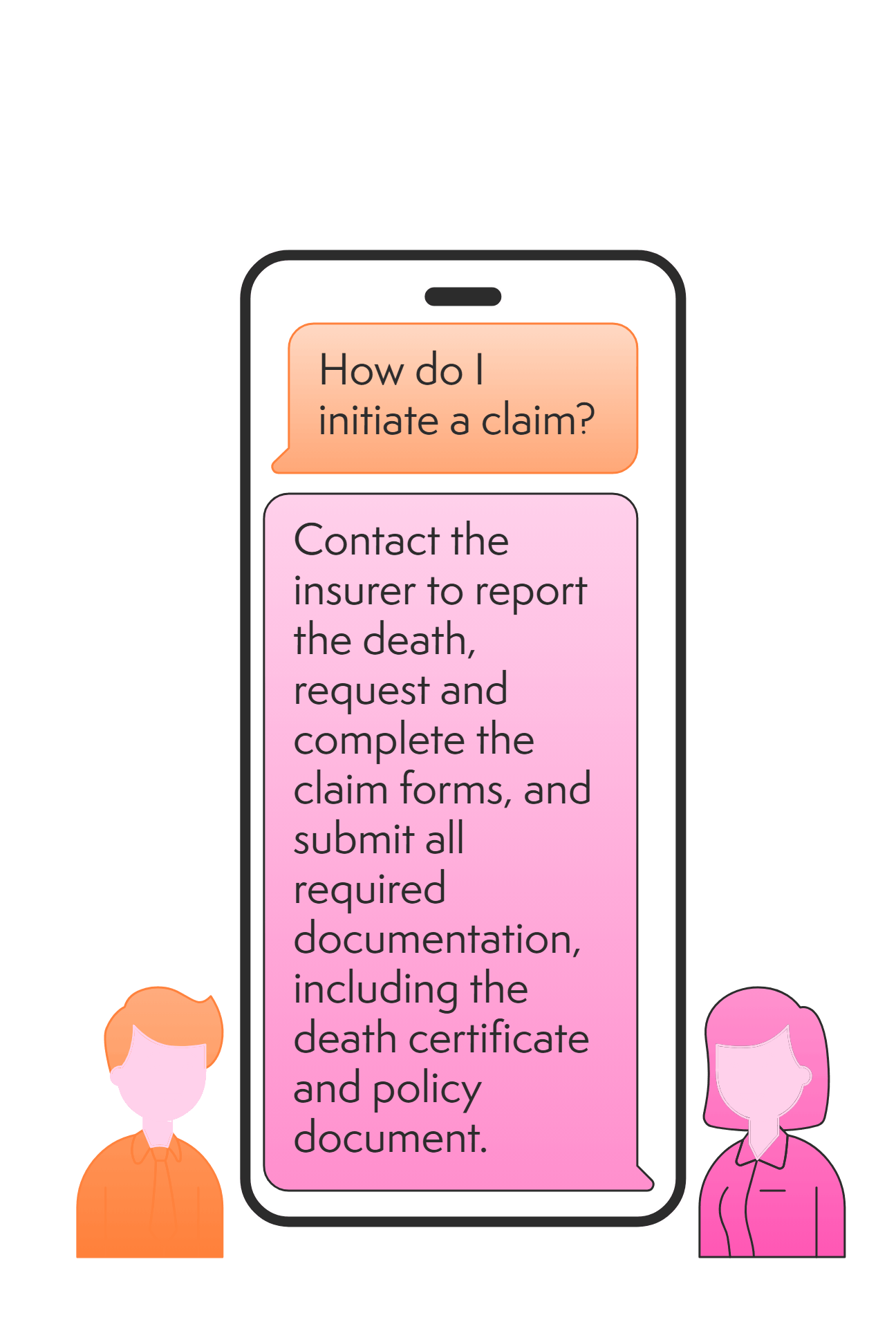
The process begins when a beneficiary or legal representative contacts New York Life to report the death. This can be done via phone or through the official AARP Life Insurance online portal. Upon notification, the insurer will typically mail a "claim kit" or provide a digital download link. This kit contains the necessary forms and instructions tailored to the specific policy held by the deceased.
2. Submission of the Claim Kit
The beneficiary must complete the Claim Form (often called a Beneficiary Statement). This document asks for personal details, Social Security numbers, and the preferred method of payment. Accuracy is paramount here; a misspelled name or an incorrect birthdate can trigger a manual review that adds days or weeks to the timeline.
3. Verification of the Death Certificate
The most critical document is the certified copy of the death certificate. In 2026, many jurisdictions offer electronic verification, but some insurers still require a physical "raised seal" copy for high-value policies. New York Life must verify the cause of death to ensure it does not fall under any policy exclusions, such as those related to the two-year contestability period.
4. Internal Review and Adjudication
Once all documents are received, a claims examiner reviews the file. They check if the policy was active (in-force), if the premiums were paid up to date, and if there are any conflicting beneficiary claims. If the policy is straightforward and outside the contestability period, this review usually takes 48 to 72 hours.
5. Issuance of Funds
After approval, the accounting department triggers the payment. If you requested a physical check, it is printed and mailed via the U.S. Postal Service. If you chose a "Life Access Account" or direct deposit, the funds may appear in the account even faster than a mailed check.
Factors That Can Delay Your Check
While the goal is a rapid payout, several factors can extend the time it takes for AARP life insurance to get a check sent out. Being aware of these can help you avoid common pitfalls.
The Contestability Period
If the policy was purchased less than two years before the policyholder’s death, it is within the contestability period. During this window, the insurance company has the legal right to investigate the original application for any material misrepresentations. For example, if the deceased failed to disclose a chronic illness, New York Life may take several months to review medical records before deciding to pay the claim. This is a standard industry practice designed to prevent insurance fraud.
Incomplete or Incorrect Documentation
The most common cause of delay is administrative error. Common mistakes include:
- Submitting a photocopy of the death certificate instead of a certified original.
- Missing signatures on the beneficiary statement.
- Inconsistent names (e.g., the policy lists "Jonathan" but the death certificate says "John").
- Failing to provide a "Letters of Administration" if the beneficiary is the deceased's estate rather than a named individual.
Multiple Beneficiaries
If a policy names four children as equal beneficiaries, New York Life typically waits until they have received paperwork from all four before distributing any funds. If one beneficiary is slow to respond or cannot be located, the entire process stalls for everyone else involved.
Cause of Death Investigations
If the death was accidental, a homicide, or occurred under suspicious circumstances, the insurer may wait for a completed police report or a final toxicology screening. These external reports can take weeks or even months to finalize, and the insurance company cannot process the claim until the official cause of death is established.
Estimated Timeframes by Document Status
The following table outlines the expected wait times based on the completeness of your submission and the method of delivery chosen in 2026.
| Stage of Process | Timeframe (Standard) | Timeframe (Contestable/Complex) |
|---|---|---|
| Receiving the Claim Kit | 3–5 Business Days | 3–5 Business Days |
| Document Review/Approval | 5–10 Business Days | 30–90 Days (Medical Review) |
| Check Printing & Mailing | 1–3 Business Days | 1–3 Business Days |
| Postal Delivery (USPS) | 3–7 Business Days | 3–7 Business Days |
| Total Estimated Wait | 12–25 Days | 45–100+ Days |
Payment Options: Check vs. Electronic Transfer
When filling out your claim forms, you will likely be given a choice on how to receive the death benefit. Your choice directly impacts how long it takes for the money to become available to you.
Traditional Paper Check
Many AARP members still prefer a physical check. While this provides a tangible record, it is the slowest method. You are at the mercy of the postal service, and once the check arrives, your bank may place a "hold" on the funds for several days if the amount is significant.
Life Access Account
New York Life often offers the "Life Access Account." This is a draft account where the full benefit is deposited, and you are given a checkbook to access the funds. This is often the fastest way to "get the check," as the account is established immediately upon claim approval, bypassing the standard mailing delays of a single large check.
Direct Deposit (EFT)
In 2026, electronic funds transfer (EFT) is the preferred method for speed. Once the claim is approved, the funds are transmitted digitally to your bank account. This typically saves 5 to 7 days of waiting for mail delivery and avoids bank holding periods for physical checks.
Legal Requirements and Interest Payments
It is important to note that life insurance companies are regulated by state law. Most states require life insurance claims to be paid within 30 days of receiving "satisfactory proof of loss" (the death certificate and claim forms).
If New York Life takes longer than the state-mandated window to process your AARP claim, they are often required by law to pay interest on the death benefit. The interest rate is set by the state and is calculated from the date of death until the check is issued. This ensures that the insurer does not benefit financially from unnecessarily delaying your payment.
If you believe your claim is being unreasonably delayed, you can contact your State Insurance Commissioner to file a complaint or request an investigation into the status of the payout.
Practical Recommendations for Beneficiaries
To ensure you receive your AARP life insurance check as quickly as possible, follow these proactive steps:
- Request Multiple Death Certificates: Most funeral directors can order these for you. Get at least five certified copies, as you will need them for the insurance company, banks, and the Social Security Administration.
- Use the Online Portal: Submitting your claim digitally through the AARP/New York Life portal can shave days off the process compared to using the mail.
- Contact a Claims Advocate: If the policy is large or the circumstances are complex, call New York Life's claims department at 1-800-607-3466 and ask to speak with the specific examiner assigned to your file.
- Double-Check Everything: Ensure Social Security numbers and addresses are verified against official records before hitting "submit."
- Direct Deposit is King: Choose electronic transfer if you need the funds urgently for funeral expenses.
Frequently Asked Questions
What if I can't find the original AARP policy document?
You do not strictly need the original policy paper to file a claim. As long as you have the deceased’s Social Security number, full name, and date of birth, New York Life can locate the policy in their system and initiate the claim process.
Can AARP pay the funeral home directly?
Yes, this is known as a funeral assignment. You can sign a document authorizing New York Life to pay a portion of the death benefit directly to the funeral home to cover expenses. The remaining balance of the policy is then sent to the beneficiary as a check.
Does the AARP life insurance payout get taxed?
In most cases, life insurance death benefits are not subject to federal income tax. However, if the payout is delayed and the insurance company pays you interest, that interest portion is considered taxable income and must be reported to the IRS.
What happens if the primary beneficiary is also deceased?
If the primary beneficiary passed away before or at the same time as the policyholder, the benefit is paid to the "contingent beneficiary" named in the policy. If no contingent beneficiary exists, the check is issued to the deceased's estate, which usually requires a longer legal process involving probate court.
Can I track the status of my check online?
Yes. New York Life provides a claims tracking tool for AARP policyholders. Once you have a claim number, you can log in to see if your documents have been received, if the review is complete, and the date the check was mailed.
Image Gallery