Mold Remediation and Removal in Palm Springs, CA: The Complete 2026 Guide
Professional mold remediation and removal in Palm Springs, CA, involves a systematic process of identifying moisture sources, containing fungal growth, and physically removing contaminated materials to restore indoor air quality. Due t...
Professional mold remediation and removal in Palm Springs, CA, involves a systematic process of identifying moisture sources, containing fungal growth, and physically removing contaminated materials to restore indoor air quality. Due to the Coachella Valley’s unique climate, remediation requires specialized HVAC considerations and adherence to California’s strict health and safety standards.
Contents
While Palm Springs is famous for its arid, sun-drenched climate, mold remains a pervasive issue for homeowners and commercial property managers alike. In 2026, the intersection of aging mid-century modern architecture, extreme temperature fluctuations, and the prevalence of seasonal residences creates a specific set of challenges for mold management. Understanding the remediation process is essential for protecting both the structural integrity of your property and the health of its occupants.
Why Mold Thrives in the Palm Springs Desert
It may seem counterintuitive that a desert environment would struggle with mold, an organism that requires moisture to survive. However, the unique lifestyle and infrastructure in Palm Springs contribute to high-risk scenarios.
The "Snowbird" Effect and Stagnant Air
Many properties in Palm Springs serve as secondary residences. When these homes sit vacant for months during the scorching summer, air conditioning systems may fail or be set to temperatures that allow indoor humidity to spike. Without regular air circulation, even minor leaks from water heaters or refrigerator lines can lead to massive mold colonies that go unnoticed until the owner returns.
Thermal Expansion and Plumbing Failures
The extreme heat in the Coachella Valley causes building materials to expand and contract significantly. This physical stress often leads to pinhole leaks in copper piping and microscopic cracks in roofing materials. During the occasional but intense monsoon rains, these vulnerabilities allow water to penetrate wall cavities, providing the perfect dark, damp environment for mold species like Aspergillus and Penicillium to flourish.
HVAC Condensation Issues
In 2026, high-efficiency HVAC systems are standard, but they generate significant amounts of condensation. If condensate drain lines become clogged—a common occurrence due to desert dust and mineral buildup—water backs up directly into the home’s mechanical closet or attic space. Because these areas are often tucked away, mold can compromise the entire ducting system before it is detected by smell or sight.
The Professional Remediation Process Explained
Mold remediation is not merely "cleaning" mold; it is a technical discipline governed by the IICRC S520 Standard for Professional Mold Remediation. In Palm Springs, the process must be handled by professionals who understand California’s regulatory environment.
1. Inspection and Moisture Mapping
The first step is a comprehensive assessment. Technicians use infrared thermography (thermal imaging) to detect temperature differences behind walls, which often indicate hidden moisture. Moisture meters are then used to confirm the saturation levels of drywall, wood framing, and flooring. In 2026, many local firms also utilize AI-driven air quality sensors to map spore concentrations in real-time.
2. Containment and Air Pressure Management
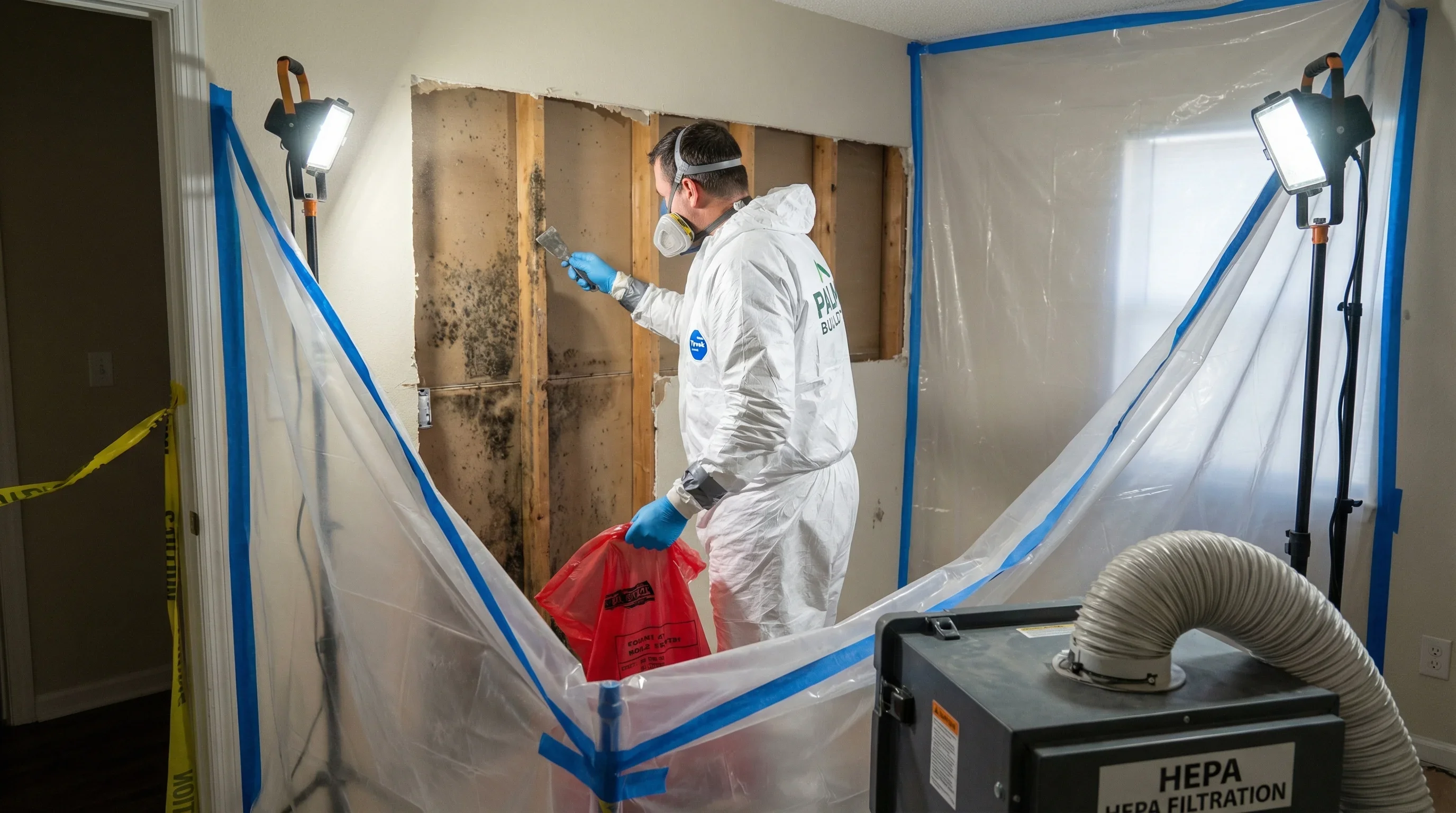
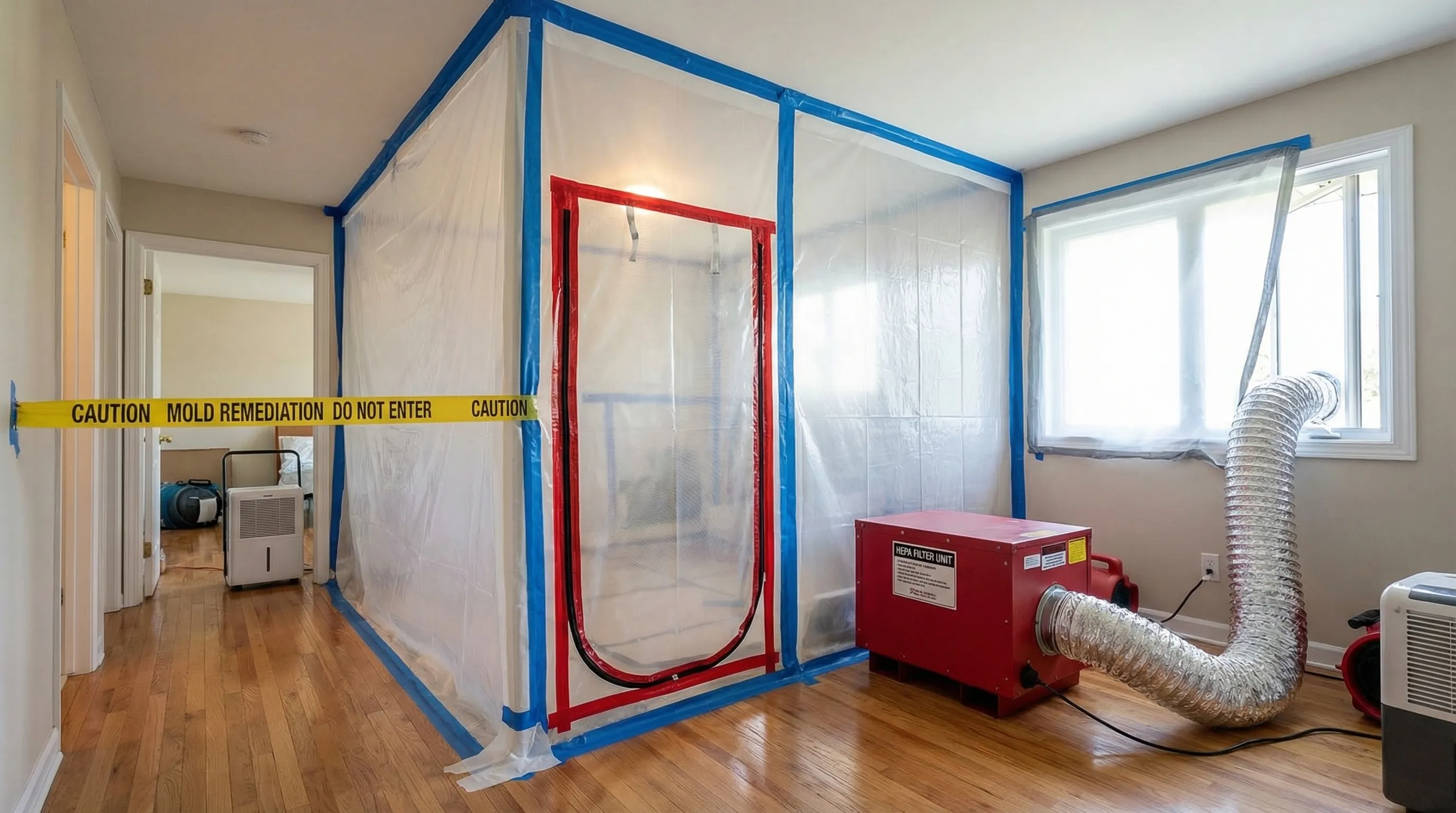
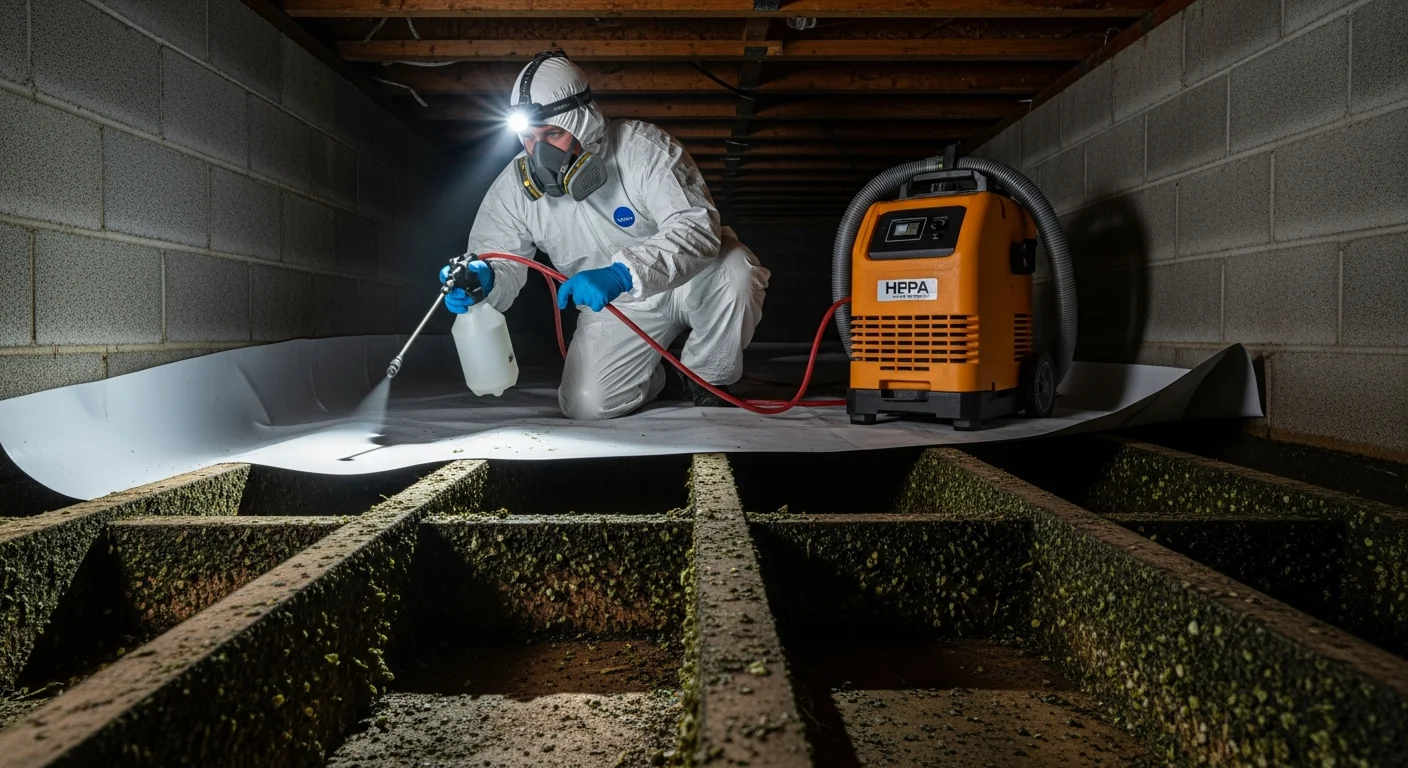
To prevent cross-contamination, the affected area must be isolated. Professionals set up 6-mil polyethylene sheeting barriers. Critically, "negative air pressure" is established using HEPA-filtered air scrubbers. This ensures that when a technician disturbs a mold colony, the airborne spores are sucked into a filtration system rather than drifting into unaffected rooms like the kitchen or bedrooms.
3. HEPA Filtration and Air Scrubbing
Even if mold is only visible in one corner, millions of microscopic spores may be suspended in the air. High-Efficiency Particulate Air (HEPA) filters, which capture 99.97% of particles down to 0.3 microns, are run continuously throughout the project. This is vital in Palm Springs, where desert dust already complicates indoor air quality.
4. Controlled Demolition and Removal
Porous materials that have been deeply colonized by mold—such as drywall, insulation, and carpeting—cannot typically be "cleaned." They must be carefully removed and double-bagged before being transported out of the home. Non-porous materials like metal, glass, and certain hardwoods can often be salvaged through abrasive cleaning and antimicrobial treatments.
5. Cleaning and Sanitization
After the bulk removal, all surfaces within the containment zone undergo "HEPA vacuuming" followed by damp wiping with hospital-grade EPA-registered disinfectants. This removes the "settled spores" that could cause future outbreaks if moisture returns.
California Regulations and Safety Standards
California has long been a leader in indoor air quality legislation. The Toxic Mold Protection Act (Senate Bill 732) and subsequent updates through 2026 provide the framework for how mold is handled in the state.
While California does not require a specific "mold license" in the same way it does for asbestos, the California Contractors State License Board (CSLB) dictates that any project over $500 must be performed by a licensed contractor. Most reputable remediation firms in Palm Springs hold a B-General Building Contractor license or a C-22 Asbestos Abatement classification, which covers hazardous substance removal.
Furthermore, it is a conflict of interest in California for the same company to perform the initial mold testing and the subsequent remediation on the same property. Homeowners should hire an independent Industrial Hygienist or Mold Inspector to verify the work ("clearance testing") once the remediation is complete. This ensures an unbiased confirmation that the spore counts have returned to normal levels.
Costs of Mold Remediation in Palm Springs (2026 Estimates)
The cost of mold removal in the Coachella Valley depends on the size of the affected area and the complexity of the HVAC involvement. Below is a breakdown of typical pricing structures for the current year.
| Service Type | Estimated Cost Range | Typical Duration |
|---|---|---|
| Small Localized Area (e.g., under a sink) | $1,500 – $2,500 | 1–2 Days |
| Standard Room (Drywall & flooring removal) | $3,500 – $6,000 | 3–5 Days |
| HVAC/Ductwork Remediation | $2,000 – $5,000 | 2 Days |
| Whole-Home Remediation (Extensive leaks) | $10,000 – $30,000+ | 7–14 Days |
| Post-Remediation Clearance Testing | $400 – $800 | 24–48 Hours |
Note: These figures reflect 2026 labor and material rates in Riverside County. Prices may increase if structural repairs (rebuilding) are included in the contract.
Health Implications of Desert Mold
For the diverse population of Palm Springs—which includes a significant percentage of retirees and seasonal visitors—health is a primary concern. Mold exposure does not affect everyone equally, but certain groups are at higher risk.
- Respiratory Sensitivity: Individuals with asthma or COPD (Chronic Obstructive Pulmonary Disease) may experience severe exacerbations when exposed to high spore counts.
- Mycotoxins: Certain molds, like Stachybotrys chartarum (often called black mold), can produce mycotoxins that may lead to neurological symptoms or chronic fatigue in sensitive individuals.
- Allergic Reactions: Common symptoms include sneezing, runny nose, red eyes, and skin rashes. In the dry Palm Springs air, these symptoms are often mistaken for seasonal allergies or "desert dust" irritation.
According to the California Department of Public Health (CDPH), the presence of visible mold or mold odor in a damp indoor environment is considered a health hazard, regardless of the specific species identified.
DIY vs. Professional Removal: When to Call the Experts
The Environmental Protection Agency (EPA) suggests that homeowners can handle mold cleanup if the affected area is less than 10 square feet (roughly a 3x3 foot patch). However, in Palm Springs, professional intervention is recommended more frequently due to the following factors:
- Hidden Growth: If you smell mold but cannot see it, it is likely inside the wall cavities or HVAC system. Attempting to open these areas without containment will spread spores throughout the house.
- Insurance Requirements: Most insurance carriers require professional documentation and a "clearance certificate" to maintain coverage or to process a claim.
- Real Estate Disclosures: If you plan to sell your Palm Springs home, California law requires the disclosure of past mold issues. Having a professional remediation record protects your liability during the sale.
Prevention Strategies for Coachella Valley Homeowners
In 2026, prevention technology has advanced, allowing homeowners to be proactive rather than reactive.
- Smart Leak Detectors: Install Wi-Fi-enabled sensors under every sink and near the water heater. These devices send instant alerts to your smartphone if a leak is detected, which is crucial for absentee owners.
- Humidity Control: Even in the desert, indoor humidity should stay between 30% and 50%. Use your thermostat's "dehumidification" mode if your home remains closed for long periods.
- HVAC Maintenance: Ensure that condensate pans are treated with algaecide tablets and that drain lines are blown out annually to prevent backups.
- Landscape Drainage: Ensure that desert landscaping and irrigation emitters are at least three feet away from the home’s foundation to prevent "wicking" moisture into the stucco.
FAQs
Does homeowners insurance in Palm Springs cover mold?
Coverage varies significantly by policy. Most standard homeowners insurance policies cover mold only if it is the direct result of a "sudden and accidental" peril, such as a burst pipe. Mold resulting from long-term maintenance issues, high humidity, or flooding usually requires a specific endorsement or a separate flood insurance policy.
How long does the remediation process take?
For a typical Palm Springs residence, the process takes between three and five days. This includes the setup of containment, the actual removal of materials, and the required 24–48 hours for air scrubbers to cycle the air before clearance testing can occur.
Can I stay in my home during the mold removal?
If the mold is confined to a single room (like a guest bathroom) and the remediation team can establish effective containment, you can often stay in the home. However, if the HVAC system is contaminated or if the mold is in a central living area, it is usually recommended to vacate the property for several days to avoid noise, debris, and potential exposure.
Why is mold testing necessary after the work is done?
Post-remediation verification (clearance testing) provides documented proof that the mold has been successfully removed and the air quality is safe. This is vital for health peace of mind and is a critical document for property resale and insurance compliance.
Is "Black Mold" more dangerous than other types in the desert?
While the term "black mold" often refers to Stachybotrys, many types of mold are black in color but not necessarily more toxic than others. The CDPH emphasizes that all indoor mold growth should be treated as a potential health risk, regardless of its color or species.
Practical Recommendation
If you suspect mold in your Palm Springs property, do not disturb the area, as this can release millions of spores. Your first action should be to identify and stop the water source. Once the leak is contained, contact a certified mold inspector who does not perform remediation to get an unbiased assessment of the scope of work needed. Ensure that any remediation company you hire provides a written contract detailing the use of HEPA filtration and follows the IICRC S520 standards.
Image Gallery