Which Airline Is the Safest in the US: A Data-Driven Analysis
Identifying the "safest" airline in the United States is complex because the domestic aviation industry operates under a highly standardized regulatory framework that ensures a baseline of extreme safety across all major carriers. Ther...
Identifying the "safest" airline in the United States is complex because the domestic aviation industry operates under a highly standardized regulatory framework that ensures a baseline of extreme safety across all major carriers. There is no single "safest" airline, as safety is measured through a combination of regulatory compliance, incident rates, fleet age, and pilot training standards enforced by the Federal Aviation Administration (FAA) and the National Transportation Safety Board (NTSB).
Contents
Understanding the Regulatory Landscape of US Aviation
To determine safety, one must first understand that US commercial aviation is arguably the most stringently regulated industry in the world. The FAA sets mandatory standards for aircraft maintenance, pilot certification, crew rest requirements, and operational protocols. Because every major US airline—such as American, Delta, United, Southwest, and Alaska—must adhere to the same federal regulations, the differences in safety metrics between them are statistically negligible.
When you ask which airline is the safest, you are often looking for indicators of operational excellence. However, it is essential to distinguish between "safety" and "reliability." A flight delay or a cancelled service, while frustrating, is an operational issue rather than a safety failure. Actual safety metrics focus on hull losses, fatalities, and serious mechanical incidents, which are vanishingly rare across the entirety of the US commercial fleet.
How Safety is Measured
Aviation safety professionals utilize specific Key Performance Indicators (KPIs) to monitor the health of an airline’s operations. These metrics are tracked longitudinally to identify trends rather than snapshots.
- Hull Loss Rates: This tracks the total loss of an aircraft. In the modern era of US aviation, hull losses for passenger carriers are near zero.
- Serious Incidents: Defined by the NTSB, these include events where safety is compromised, such as runway incursions or technical malfunctions that result in emergency procedures.
- Fleet Age: While older aircraft can be perfectly safe if maintained correctly, a younger fleet often benefits from the latest integrated safety systems, avionics, and fuel efficiency standards.
- SMS Implementation: The FAA requires airlines to have a Safety Management System (SMS). This is a top-down, proactive approach where airlines identify hazards and mitigate risks before they result in incidents.
Comparing Operational Safety Factors
While the foundational safety is uniform, travelers often compare airlines based on their operational history. Major carriers invest billions into pilot training and maintenance facilities, which creates a competitive environment where safety is a primary marketing and operational asset.
| Airline | Typical Fleet Focus | Primary Safety Institutionalization |
|---|---|---|
| Delta Air Lines | High investment in internal MRO | Heavy emphasis on tech-integrated maintenance |
| United Airlines | Diverse wide/narrow-body focus | Robust global SMS and training programs |
| American Airlines | Large, high-frequency domestic | Extensive pilot and crew certification pipelines |
| Southwest Airlines | Uniform Boeing 737 fleet | Simplified maintenance and parts inventory |
| Alaska Airlines | Regional/specialized topography | Advanced severe-weather operational protocols |
Note: MRO refers to Maintenance, Repair, and Overhaul facilities. Fleet focus varies by annual renewals and current 2026 acquisition cycles.
The Role of Fleet Standardization
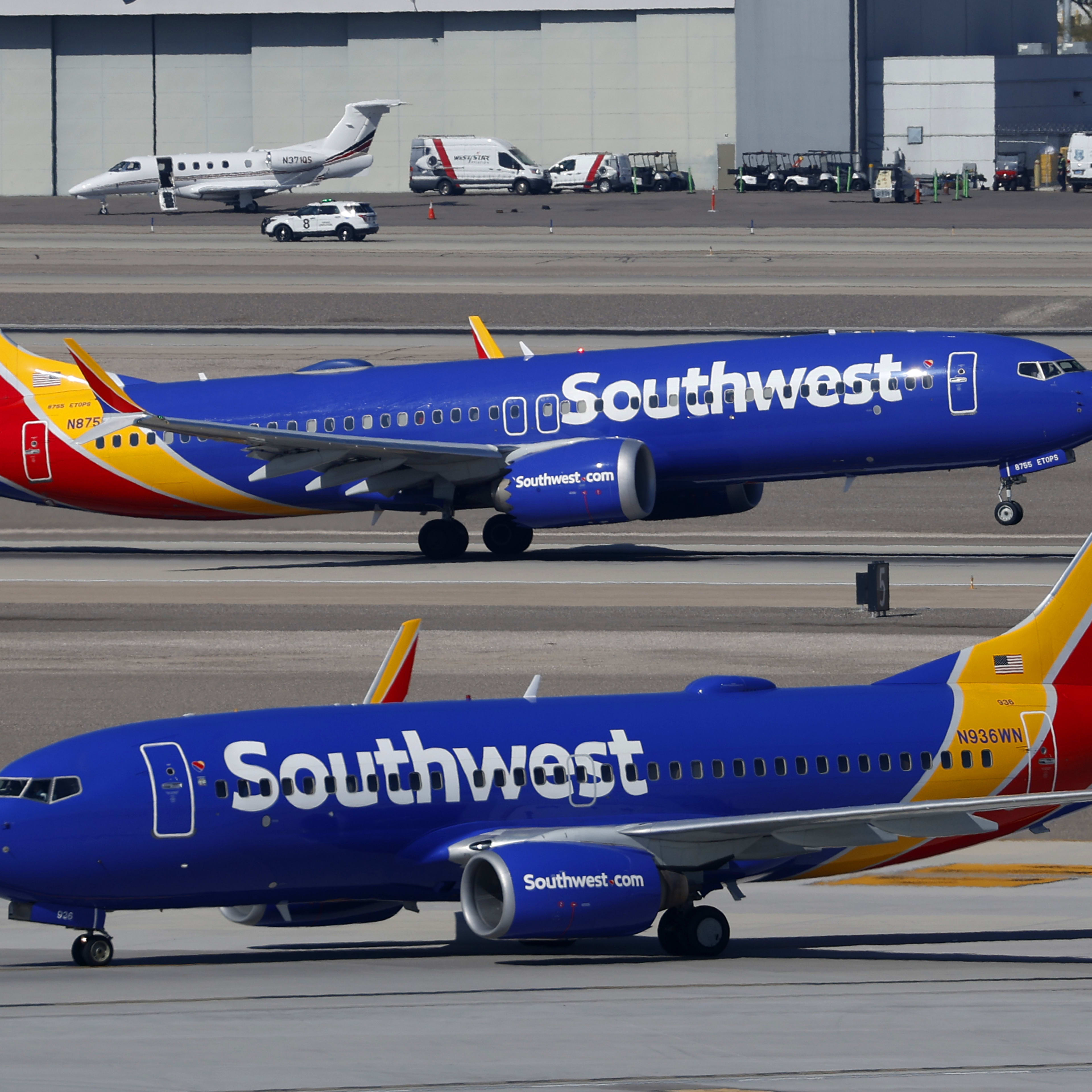
One specific aspect of safety that is frequently debated is fleet uniformity. Airlines like Southwest, which operate almost exclusively Boeing 737 models, argue that this uniformity enhances safety. When mechanics and pilots work on the same type of aircraft, the potential for human error is reduced because familiarity is maximized.
Conversely, "mega-carriers" like United and American operate a diverse fleet of Airbus and Boeing aircraft. While this presents a higher level of complexity, these airlines manage it through massive, highly specialized training divisions. In 2026, both models are proven to be equally safe under the scrutiny of the FAA, as the regulatory requirements for diversity of systems are balanced by the depth of operator certification.
Weather and Geographical Considerations
A common misconception is that certain airlines are "safer" because they avoid specific routes. In reality, all US airlines are subject to the same air traffic control (ATC) restrictions. If weather conditions in the Midwest or the Rockies are deemed unsafe for flight, the FAA restricts traffic regardless of the airline's brand or safety record.
If you are concerned about safety regarding environmental factors, you are safer relying on the FAA’s decision to ground flights than attempting to judge an airline’s specific policy on weather. Every major airline has strict "go/no-go" criteria that prevent pilots from taking off in conditions that exceed the capability of the aircraft or the safety thresholds established by federal law.
Common Questions About Airline Safety
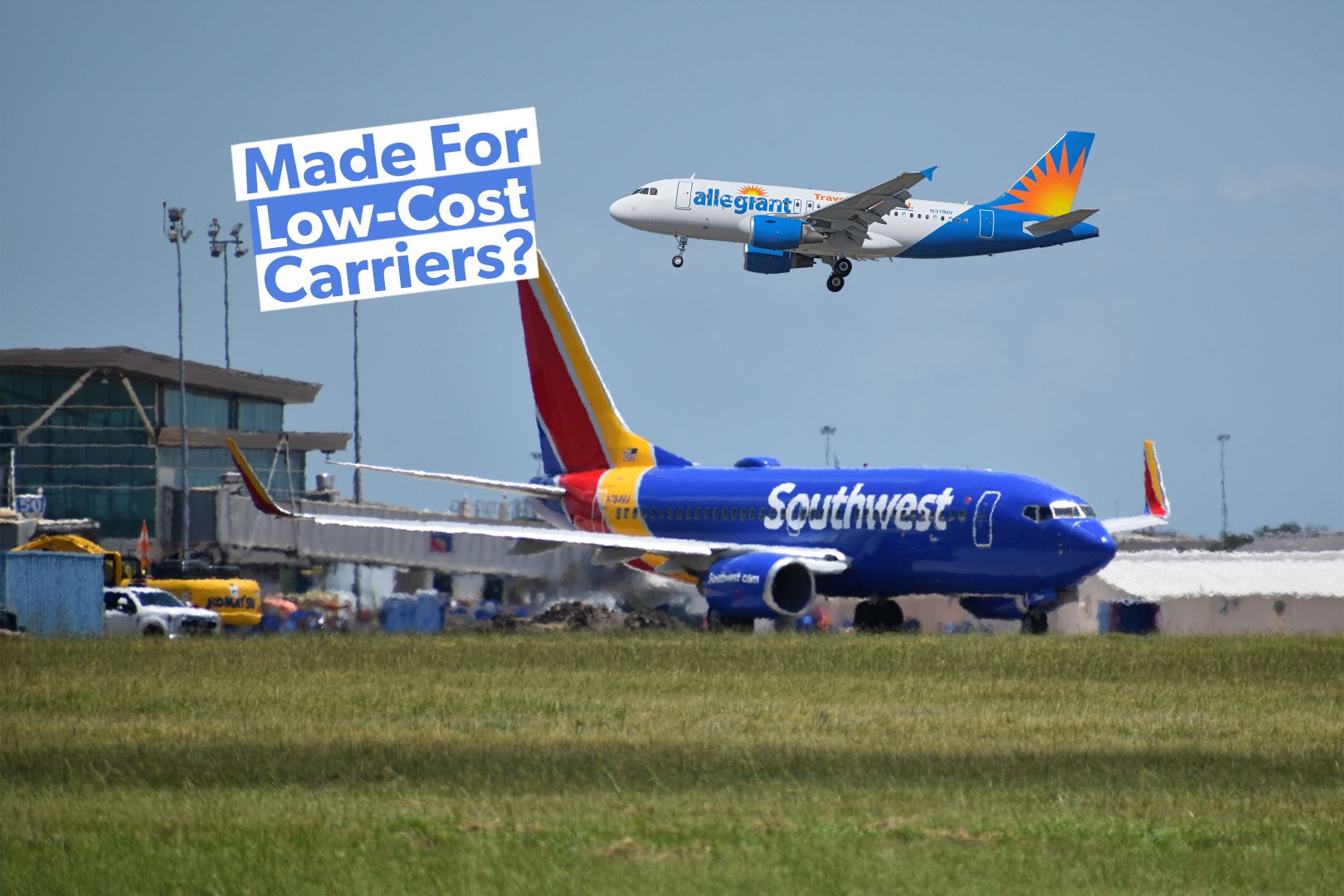
1. Is it safer to fly with a legacy carrier or a low-cost carrier? All US commercial airlines are held to the same FAA Part 121 certification standards. Whether an airline is a "legacy" carrier or a budget airline, they must meet identical requirements for pilot training, maintenance intervals, and emergency preparedness. There is no evidence suggesting budget airlines are less safe.
2. Does the age of the plane matter for safety? While newer planes have modern safety features like improved terrain awareness and automated flight envelope protection, an older aircraft that is properly maintained is statistically safe. The FAA has rigorous mandates for "heavy checks," where older aircraft are essentially stripped and inspected to ensure structural integrity.
3. Where can I check an airline's safety record? The NTSB and FAA provide public databases of incident reports. It is important to remember that these reports are often granular—a minor technical glitch that results in a return to the gate is recorded as an incident. Reading these without professional context can lead to a misunderstanding of an airline’s actual risk profile.
4. Are smaller regional airlines less safe? Regional carriers that operate as subsidiaries for major brands (e.g., "United Express" or "American Eagle") operate under the same safety mandates as their parent companies. The "code-share" agreement ensures that the regional carrier is held to the same rigorous safety standards as the mainline brand.
5. How do I know if an airline is under FAA investigation? The FAA provides public notifications regarding enforcement actions or emergency airworthiness directives. If an airline is experiencing systemic safety issues, it becomes a matter of public record through federal bulletins rather than being hidden from the flying public.
Recommendations for the Conscious Traveler
If you want to feel more confident in your choice of airline, focus on the aspects of the journey that you can control. First, ensure you are familiar with the safety demonstration at the beginning of every flight, as the location of exits can change based on the specific aircraft configuration. Second, if you are a nervous flyer, research the specific aircraft type you are scheduled to fly; reading about the engineering redundancy of modern jets like the Boeing 737 MAX or Airbus A320neo can provide significant peace of mind.
Ultimately, safety in the US is a systemic success. The safest airline is the one that successfully transports you to your destination without incident, a feat accomplished millions of times annually by every major US carrier. Your best action is to prioritize your travel needs, knowing that the FAA’s oversight ensures that the plane you board is airworthy, the pilots are qualified, and the operational systems are optimized for safety.
Image Gallery