Understanding Why Collision Auto Insurance Is Not Required in Texas
In Texas, drivers are legally required to maintain minimum liability insurance to cover damages or injuries caused to others, but collision coverage is strictly optional. While the state mandates financial responsibility to protect the...
In Texas, drivers are legally required to maintain minimum liability insurance to cover damages or injuries caused to others, but collision coverage is strictly optional. While the state mandates financial responsibility to protect the public, it does not compel individuals to purchase coverage that protects their own vehicle against accidents, leaving the decision to opt for collision insurance entirely to the vehicle owner.
Contents
The Foundation of Texas Auto Insurance Requirements
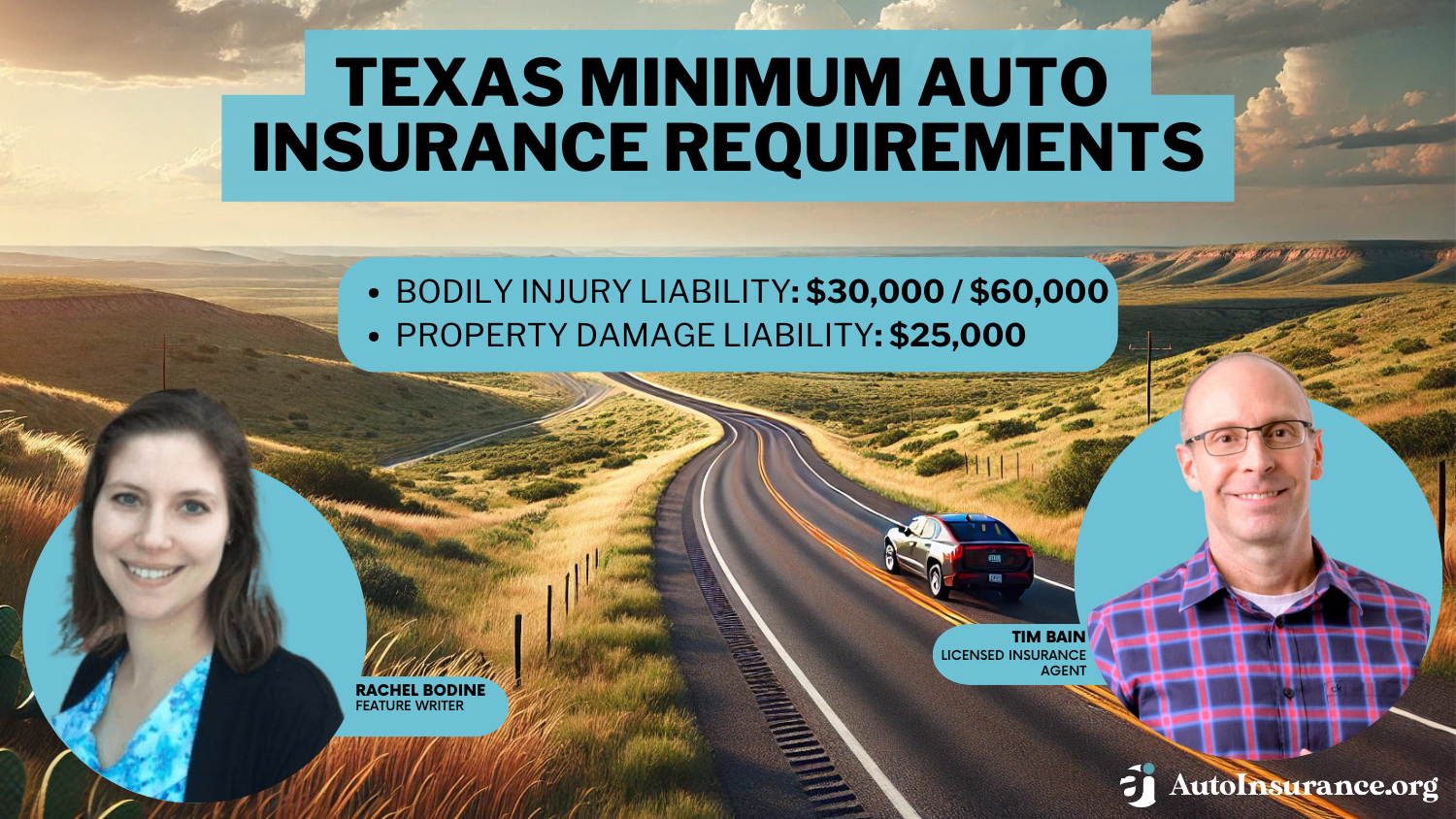
To operate a motor vehicle on public roadways in Texas, state law mandates that every driver must maintain proof of financial responsibility. The primary mechanism for meeting this requirement is a liability insurance policy. According to the Texas Department of Insurance (TDI), the minimum coverage limits, often referred to as 30/60/25, are as follows:
- $30,000 for bodily injury or death of one person in an accident.
- $60,000 for total bodily injury or death of two or more persons in an accident.
- $25,000 for property damage per accident.
This "minimum" coverage is designed specifically to protect other parties involved in an incident where you are at fault. It covers the medical bills of other drivers, passengers, or pedestrians, and the repair costs for their property, such as their vehicle or damaged infrastructure like fences or poles.
Crucially, this mandatory liability coverage does not provide a single dollar of protection for your own vehicle if you are involved in a collision, regardless of who caused the accident. This is where the distinction between "required" and "optional" coverage becomes critical for Texas motorists.
What Is Collision Coverage?
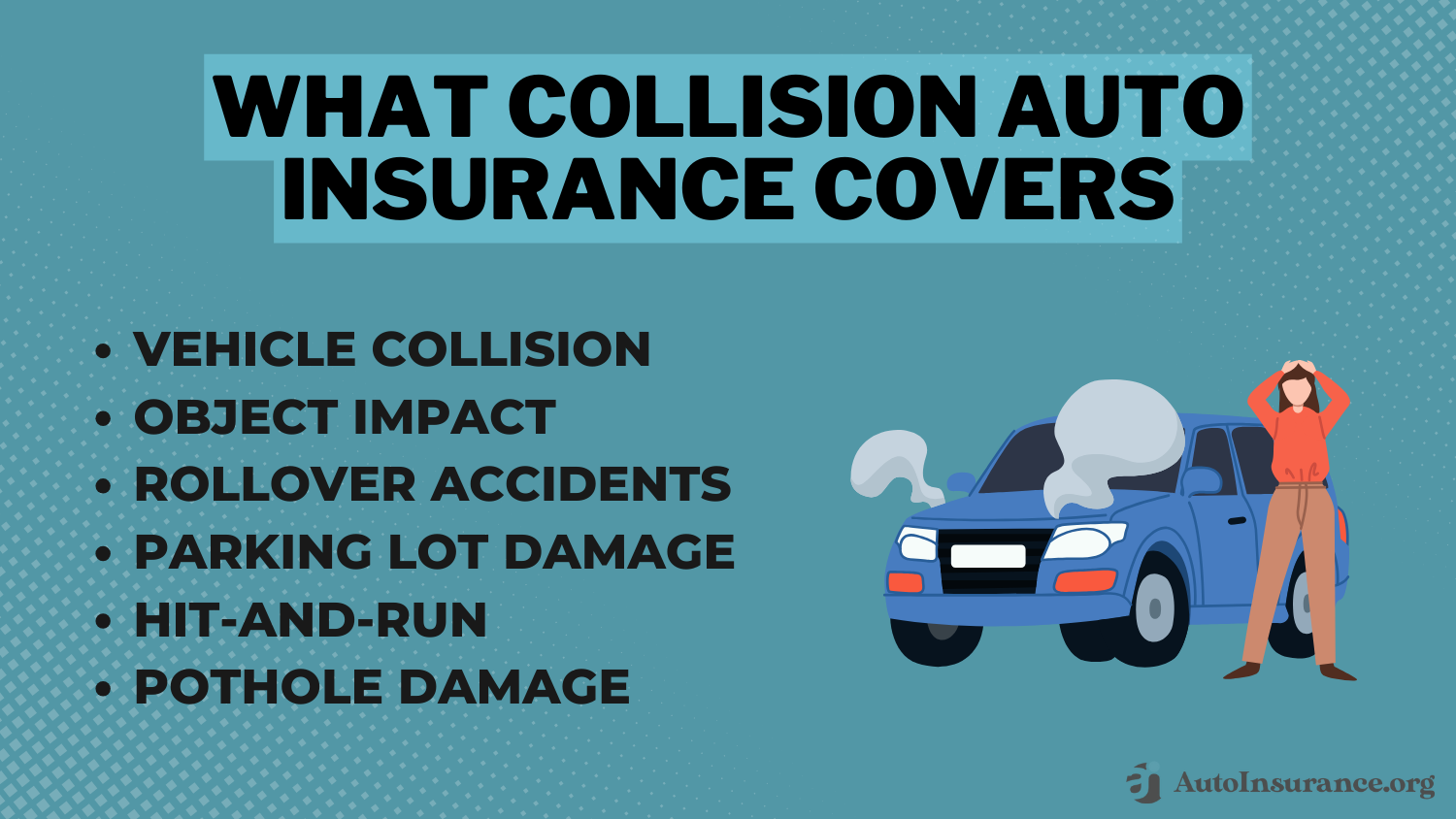
Collision coverage is a specific type of auto insurance policy add-on that covers the cost of repairs to your own vehicle if it is damaged in an accident. This applies regardless of who is at fault. Whether you hit a guardrail, collide with another car, or your vehicle is struck while parked, collision coverage provides the funds necessary to fix the damage, minus your chosen deductible.
Unlike liability insurance, collision coverage is not mandated by the Texas Department of Public Safety or state insurance regulations. Because the state’s primary concern is ensuring that victims of accidents caused by others have a path to compensation, the government does not legislate the protection of your personal assets or property. Consequently, you are entirely free to choose whether or not to include collision coverage in your insurance package.
Factors Influencing the Decision to Forgo Collision Coverage
Many Texas drivers contemplate skipping collision coverage to reduce their monthly premiums. Before making this choice, it is vital to evaluate your specific situation, as the decision carries significant financial risk.
1. Vehicle Age and Market Value
The most common reason drivers opt out of collision coverage is the age and current cash value of their vehicle. If your car is older, its market value may be low. If you were to experience a collision that totals the vehicle, the insurance payout—calculated based on the car's actual cash value minus your deductible—might be less than what you have spent on premiums over the years. In such cases, many owners prefer to self-insure, essentially saving the money they would have spent on premiums to put toward a new vehicle if an accident occurs.
2. Financial Reserves
If you maintain a robust emergency fund capable of covering the cost of vehicle repairs or the total replacement of your car, you may be in a position to self-insure. Without collision coverage, you are essentially betting that you will not be involved in an expensive accident. If you cannot afford to replace your vehicle tomorrow without insurance assistance, skipping this coverage is a significant financial gamble.
3. Loan and Lease Requirements
While Texas law does not require collision coverage, your lender almost certainly does. If you are currently financing or leasing your vehicle, the bank or finance company holds a lien on the car. Because they have a financial interest in the vehicle's integrity, they will require you to maintain comprehensive and collision coverage until the loan is fully satisfied. Failure to provide proof of this insurance often results in the lender purchasing "force-placed" insurance on your behalf, which is typically far more expensive and provides less coverage than a policy you select yourself.
Comparing Coverage Types
To understand the landscape of Texas auto insurance, it is helpful to contrast mandatory liability with the optional protections that form a complete policy.
| Coverage Type | Status in Texas | Primary Purpose |
|---|---|---|
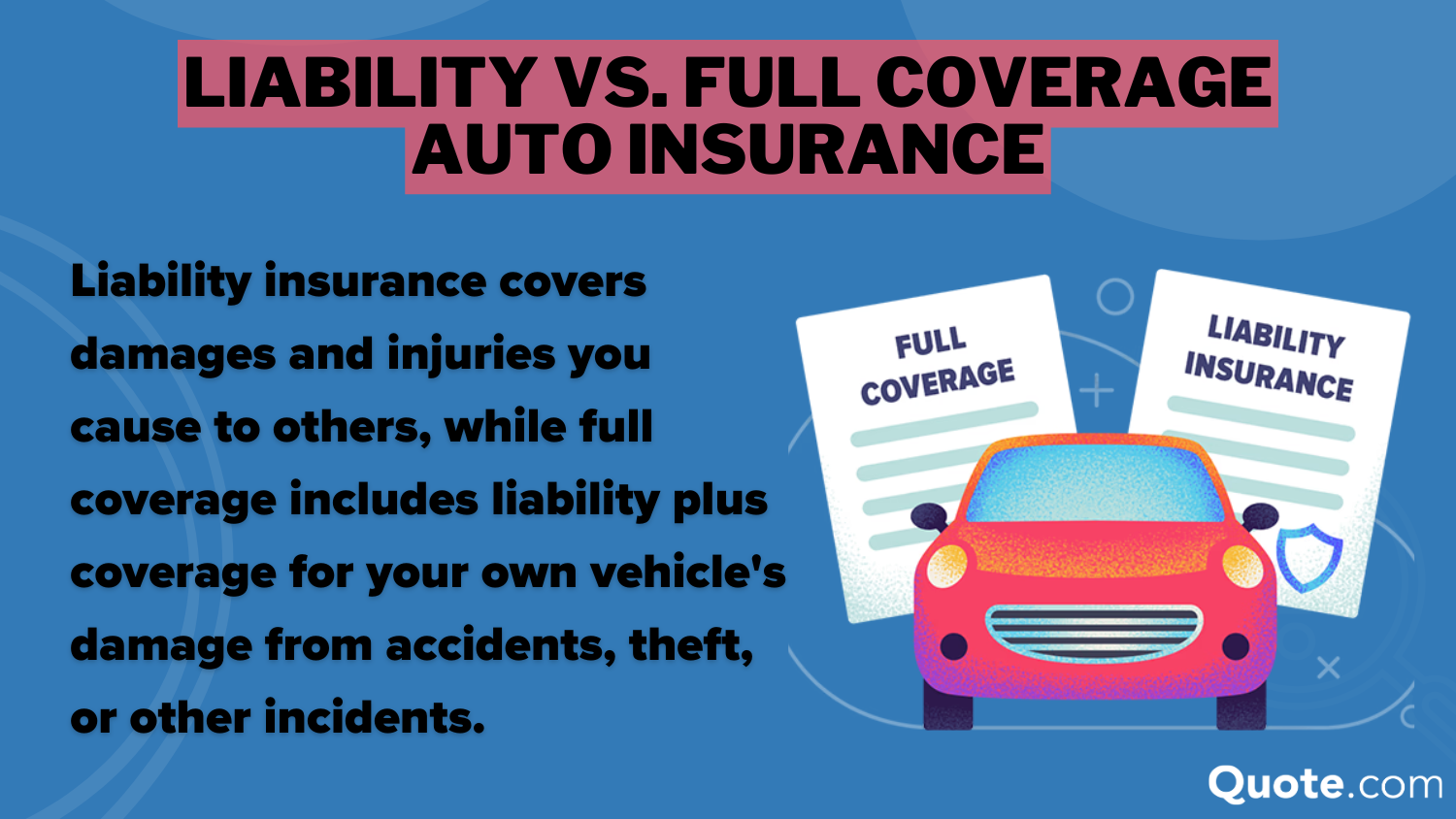
| Liability | Mandatory | Pays for others' injuries and property damage when you are at fault. |
| Collision | Optional | Pays for your vehicle repairs after an accident, regardless of fault. |
| Comprehensive | Optional | Pays for damage to your car from non-collision events (theft, weather, fire). |
| PIP | Optional* | Pays for your own medical expenses, regardless of fault. |
Note: Personal Injury Protection (PIP) is offered by insurers and must be rejected in writing if you choose not to carry it.
Risks of Operating Without Collision Coverage
Choosing to forgo collision coverage is a binary decision that carries long-term consequences. The primary risk is the loss of equity in your vehicle. If you are involved in a collision with an uninsured motorist or a "hit-and-run" driver, and you lack collision coverage, you may be left with no recourse for the repair costs of your own vehicle.
Even if the other driver is insured, the claims process can be lengthy. In some cases, liability disputes arise where fault is contested. With collision coverage, your own insurance carrier typically handles the repairs first and then pursues the other driver’s insurance for subrogation. Without that coverage, you are responsible for managing the repairs out-of-pocket and potentially dealing with the legal complexities of recovering costs from the other party.
Practical Steps for Texas Drivers
If you are currently reviewing your insurance needs, follow these steps to make an informed decision:
- Assess Your Vehicle's Value: Use reputable valuation tools to determine your car’s current actual cash value. If the potential payout is significantly lower than the annual cost of the collision premium, dropping it may be financially logical.
- Review Your Deductible: If you keep collision coverage, consider raising your deductible (e.g., from $500 to $1,000). This can significantly lower your premium while still protecting you against a total financial loss.
- Check Lender Agreements: Verify your loan or lease contract. Never drop collision coverage if you have a lien on the vehicle, as this constitutes a breach of your financing agreement.
- Evaluate Your Risk Tolerance: Consider your daily driving habits, your commute, and the local traffic conditions in your area. High-density urban areas present a higher statistical risk of minor fender-benders compared to rural driving.
Frequently Asked Questions
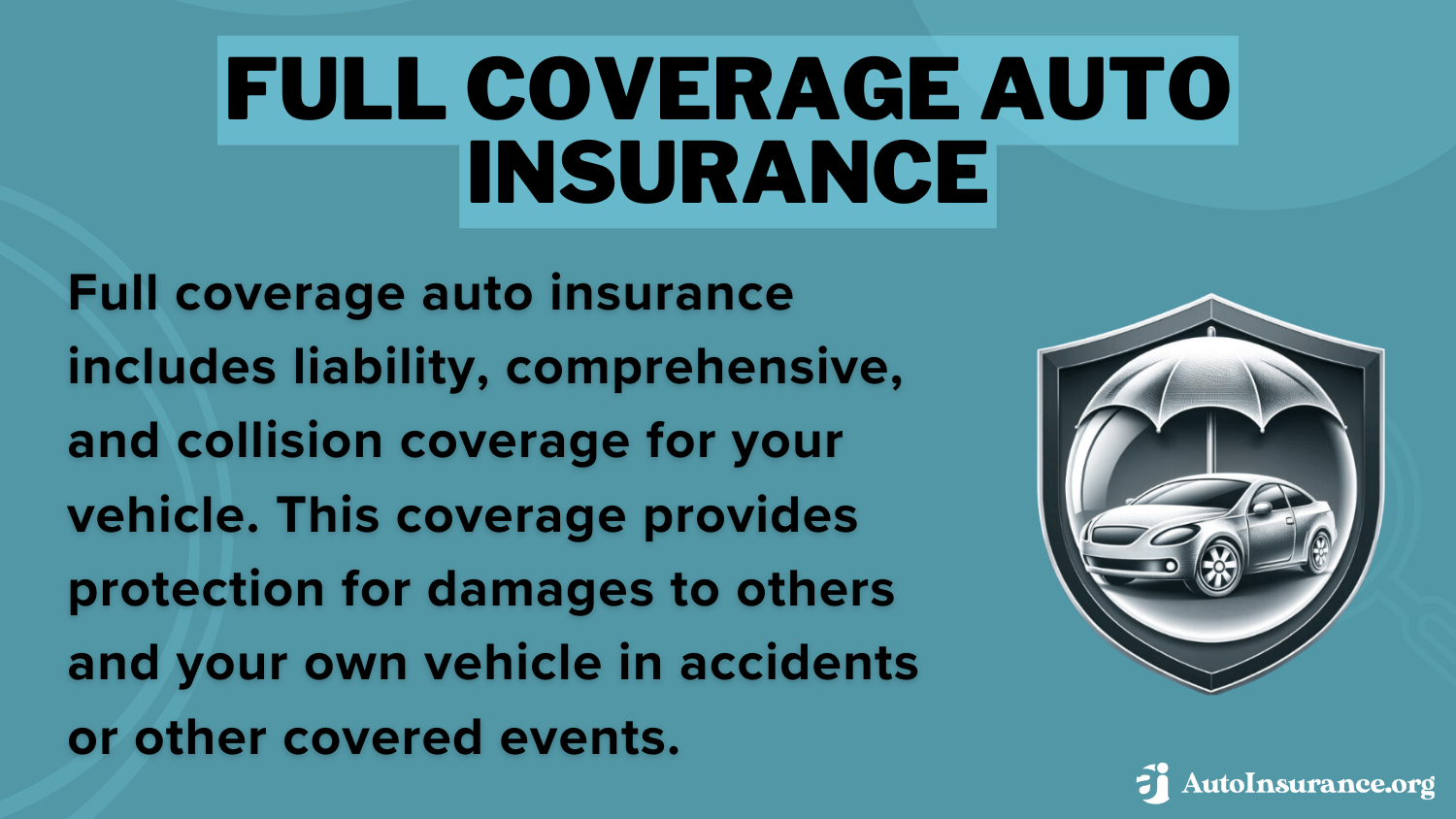
Does Texas law require full coverage? No. Texas law only requires minimum liability coverage. "Full coverage" is an industry term for a combination of liability, collision, and comprehensive insurance. While it is not legally required by the state, it is often required by auto lenders.
What happens if I hit someone and I don't have collision coverage? If you are at fault, your liability insurance will pay for the other person’s damages up to your policy limits. Because you lack collision coverage, your own car’s repairs will be your responsibility to pay for entirely out of pocket.
If the other driver is at fault, do I need collision insurance? Technically, you don't "need" it because the at-fault party's insurance should pay. However, having collision coverage is a safety net. If the other driver is uninsured or denies fault, your insurance can cover your repairs immediately, making the recovery process much smoother.
Can I add collision coverage later? Yes. You can usually add collision coverage to your policy at any time. However, some insurers may require a vehicle inspection before they agree to add coverage to an older car to ensure there is no pre-existing damage.
Does liability insurance cover theft or hail damage? No. Liability insurance only covers damages you cause to others. To cover your vehicle for theft, vandalism, fire, or weather events like hail, you need comprehensive coverage, which—like collision—is optional in Texas.
What is the best way to determine if I should keep collision coverage? A general rule of thumb is to compare the annual premium of the collision coverage to 10% of your car's market value. If the premium is a large portion of the car's total value, it may be time to consider dropping the coverage and putting those savings into a dedicated vehicle-repair fund.
Final Recommendation
The decision to carry collision coverage should be based on a realistic assessment of your financial resilience. If your vehicle is your primary means of transportation and you could not easily afford a replacement if it were totaled tomorrow, maintaining collision coverage is a prudent investment. Conversely, for owners of older vehicles with low market value, the premiums may outweigh the potential benefit. Before making changes to your policy in 2026, consult with your insurance agent to obtain a specific quote comparison and verify any requirements set forth by your current vehicle lienholder.
Image Gallery