Navigating the Tax Treatment of Life Insurance in California
In California, death benefits paid to beneficiaries from a life insurance policy are generally exempt from federal and state income tax. While the proceeds are excluded from your taxable income, it is essential to distinguish between t...
In California, death benefits paid to beneficiaries from a life insurance policy are generally exempt from federal and state income tax. While the proceeds are excluded from your taxable income, it is essential to distinguish between the tax-free status of the death benefit and potential tax liabilities that can arise from policy cash values, ownership transfers, or estate tax considerations.
Contents
Understanding the Tax-Exempt Nature of Death Benefits
The foundational principle of life insurance taxation in the United States, which California adheres to, is that the "death benefit"—the lump sum paid upon the insured’s passing—is considered a transfer of wealth due to a triggering event rather than taxable income. Under Section 101(a)(1) of the Internal Revenue Code, amounts received under a life insurance contract paid by reason of the death of the insured are generally excluded from gross income.
Because California conforms to the majority of federal income tax definitions, the state does not impose a personal income tax on the receipt of these proceeds. Whether you are a spouse, child, or a trust designated as a beneficiary, the money received does not need to be reported as "income" on your California state tax return. This provides significant financial security to families, ensuring that the intended safety net is not diminished by state-level levies at a time of emotional and financial vulnerability.
The Role of Ownership and Beneficiary Designation
The tax-free status of life insurance depends heavily on the structure of the policy. The "transfer for value" rule is a critical technical consideration. If a policy is sold or transferred to a third party for valuable consideration, the death benefit may lose its tax-exempt status, becoming taxable to the extent the proceeds exceed the purchase price plus any premiums paid.
For the average policyholder, this is rarely an issue. However, individuals engaging in sophisticated estate planning—such as selling a policy to a business partner or transferring ownership to a third-party entity—must exercise extreme caution. In California, if the transfer of the policy violates the transfer for value rules, you could face unexpected income tax consequences on the death benefit that would otherwise be avoided. Always consult with a qualified estate attorney or tax professional before modifying the ownership structure of an existing policy.
Cash Value Accumulation: The "Inside Buildup"
While the death benefit is tax-free, the accumulation of cash value within a permanent life insurance policy (such as Whole Life or Universal Life) behaves differently. This growth, often referred to as "inside buildup," is tax-deferred. As long as the policy remains in force and is not surrendered, the interest or investment gains credited to the cash value are not taxed annually.
If you choose to withdraw cash value from the policy during your lifetime, the taxation follows the "first-in, first-out" (FIFO) rule. This means you are treated as withdrawing your cost basis (the premiums you paid) first, which is tax-free. Only after your cost basis is fully recovered do subsequent withdrawals become subject to income tax. If you take a loan against the policy—a common strategy for utilizing cash value—those funds are generally not considered taxable income, provided the policy remains active and is not allowed to lapse.
Comparative Tax Treatment of Policy Actions
| Policy Action | Federal/California Income Tax Status |
|---|---|
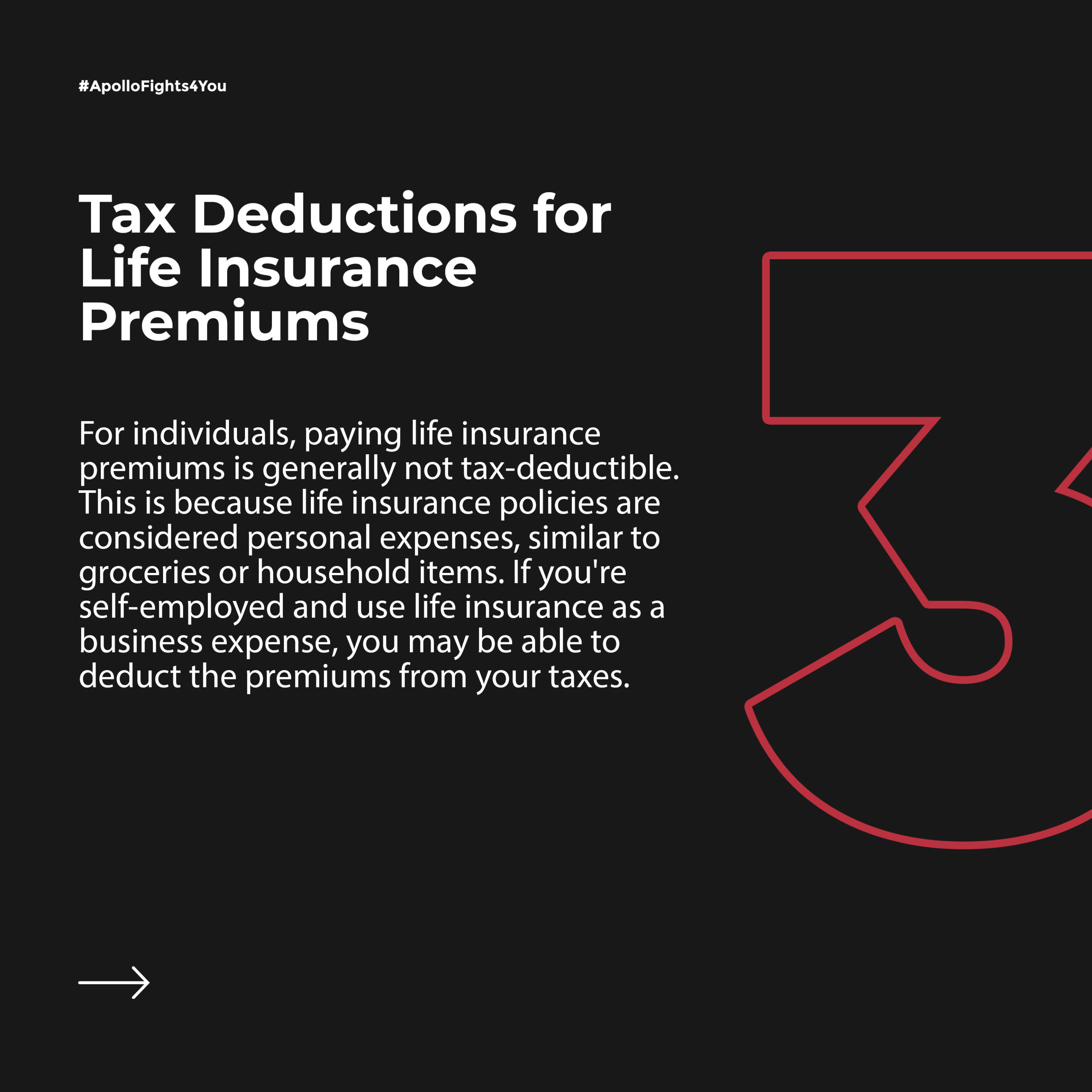
| Death Benefit Payment | Generally Tax-Free |
| Dividend Distributions | Tax-Free (considered a return of premium) |
| Policy Loans | Tax-Free (if policy remains active) |
| Surrender of Policy | Taxable on gains exceeding total premiums |
| Partial Withdrawals | Tax-Free up to the amount of premiums paid |
Estate Taxes and California Law
It is a common misconception that because life insurance is not "income taxed," it is exempt from all taxes. One area of significant concern for high-net-worth individuals is the federal estate tax. If you own the policy on your own life, the death benefit is included in your gross estate for federal estate tax purposes. If your total estate exceeds the federal exemption threshold, the death benefit could potentially be subject to federal estate taxes.
California does not currently impose a state-level estate tax or an inheritance tax. While the federal government maintains an estate tax, California's lack of a specific state-level death tax means beneficiaries do not have to worry about a separate "California death tax" on the proceeds. However, the federal interaction remains a critical factor. Many individuals utilize an Irrevocable Life Insurance Trust (ILIT) to move the policy out of their taxable estate, thereby keeping the death benefit free from both income and estate taxes.
Practical Steps for Policyholders in California
To ensure that your life insurance benefits remain tax-efficient, consider the following administrative steps:
- Review Beneficiary Designations: Ensure that your beneficiary designations are current. If you name your "Estate" as the beneficiary, the proceeds may be subject to probate, which can complicate the tax handling and expose the funds to potential creditors.
- Maintain Documentation: Keep detailed records of all premium payments. This establishes your cost basis, which is essential if you ever need to surrender the policy or take significant withdrawals.
- Coordinate with Financial Advisors: If you have a large estate, review your total net worth against the current federal estate tax exemption. If your insurance policy pushes your estate over this limit, discuss trust options with a tax advisor.
- Avoid Policy Lapses: If you have taken loans against your policy, ensure that the policy does not lapse. If a policy lapses with an outstanding loan balance, the IRS may treat the cancellation of the debt as taxable income, leading to a surprise "tax bomb."
Frequently Asked Questions
Are insurance dividends taxable in California? Generally, no. Dividends paid by a mutual life insurance company are considered a return of your premium payments rather than taxable investment income. Consequently, they are not subject to income tax unless they exceed the total premiums you have paid into the policy.
What happens if I move out of California? The taxation of life insurance death benefits is governed by federal law (Internal Revenue Code). Because the benefit is generally tax-free at the federal level, moving to or from California does not change the tax-exempt status of the death benefit.
Is life insurance considered part of my taxable estate in California? California has no state-level estate tax. However, the policy is still subject to federal estate tax rules. If you own the policy at the time of your death, the proceeds are counted toward the value of your estate for federal purposes.
Can the IRS tax the interest on death benefit payouts? If the beneficiary chooses to leave the death benefit with the insurance company and collect interest on the principal, the interest payments are considered taxable income. Only the original lump-sum death benefit is tax-exempt.
Conclusion
Life insurance remains one of the most effective tools for financial planning in California because of its favorable tax treatment. By shielding death benefits from income taxes, the state and federal government ensure that these funds serve their intended purpose: providing liquidity and support to beneficiaries. While the tax rules are generally straightforward, owners of large policies or those with complex estate goals should prioritize maintaining proper policy ownership structures and accurate records to avoid unintended tax consequences.
Image Gallery