Understanding Life Insurance Rates for Older Athletes
Maintaining a rigorous physical regimen well into middle age and beyond offers undeniable health benefits, but it introduces unique dynamics when applying for life insurance. For older athletes—whether competitive marathoners, dedicate...
Maintaining a rigorous physical regimen well into middle age and beyond offers undeniable health benefits, but it introduces unique dynamics when applying for life insurance. For older athletes—whether competitive marathoners, dedicated cyclists, seasoned CrossFit participants, or committed strength trainers—securing coverage requires navigating specialized underwriting criteria that evaluate longevity, cardiovascular health, and physical conditioning against chronological age.
Contents
Life insurance companies evaluate older athletes by looking past simple chronological age to assess biological fitness, using customized underwriting metrics that reward exceptional cardiovascular health, low body fat percentages, and stable physiological markers. While traditional insurance models often penalize applicants as they cross age thresholds into their fifties, sixties, and seventies, physically active applicants frequently qualify for favorable risk classifications. Insurers look closely at medical history, resting heart rates, blood pressure profiles, and the specific nature of high-impact or endurance activities to determine premiums.
The Intersection of Age, Fitness, and Underwriting
Underwriting philosophy has evolved significantly, shifting from rigid age-based mortality tables toward a more holistic risk assessment model. When an older athlete applies for a policy, medical underwriters evaluate how decades of physical conditioning influence overall health. Rather than viewing advanced age as an automatic liability, insurers look at the cumulative physiological adaptations developed through long-term training.
The core of this evaluation rests on cardiovascular efficiency. Regular endurance or resistance training thickens heart muscle walls, increases stroke volume, and lowers resting heart rates. Underwriters recognize these markers of a resilient cardiovascular system. However, they also scrutinize applicants for activity-induced wear and tear, such as joint replacements, chronic inflammatory conditions, or exercise-induced arrhythmias like atrial fibrillation. The fundamental challenge for the older athlete is demonstrating that their high physical output supports longevity rather than introducing undue orthopedic or cardiac risk.
Insurance companies categorize risk using standard tiers ranging from Preferred Plus to Substandard. An older athlete who maintains exemplary metabolic health, normal lipid panels, and non-smoker status can frequently secure rates comparable to younger, sedentary individuals. Conversely, if high-intensity training masks an underlying orthopedic injury treated with chronic pain management medications, or if an endurance athlete experiences chronic dehydration or electrolyte imbalances affecting kidney function, underwriters may adjust risk classifications downward.
Key Medical Metrics Evaluated in Physically Active Applicants
Underwriters rely on objective clinical data gathered during the paramedical exam to validate an athlete's fitness claims. Subjective descriptions of a weekly workout routine carry little weight without corroborating biomarkers.
- Cardiovascular Efficiency: Resting heart rate and blood pressure readings are primary indicators. Endurance athletes often exhibit athletic bradycardia (a resting heart rate below 60 beats per minute), which underwriters generally view favorably, provided it is a normal physiological variant rather than a pathological conduction block.
- Lipid Profiles and Metabolic Health: Fasting blood glucose, hemoglobin A1c, total cholesterol, HDL, LDL, and triglyceride levels must reflect optimal metabolic function. High physical activity helps maintain favorable lipid ratios, reducing the risk of atherosclerosis.
- Renal and Liver Function: Comprehensive metabolic panels assess creatinine, blood urea nitrogen (BUN), and liver enzymes. Extreme protein supplementation or high-volume muscle breakdown can sometimes elevate specific markers temporarily, requiring documentation to distinguish athletic adaptation from renal stress.
- Pulmonary Capacity: Spirometry tests are rarely mandatory unless indicated by smoking history or reported respiratory issues, but general lung function is implicitly evaluated through overall physical stamina and medical history.
Common Underwriting Scenarios for Different Athletic Disciplines
Not all physical activities are viewed equally by insurance risk assessors. Underwriters divide sports and fitness regimens into categories based on injury severity, mortality risk, and long-term joint or organ impact.
Endurance sports such as marathon running, long-distance triathlon, and competitive cycling demonstrate exceptional cardiovascular conditioning. However, underwriters pay close attention to orthopedic history and cumulative joint stress. A history of multiple stress fractures or major reconstructive surgeries requires clear medical clearance showing full recovery and no chronic impairment.
Strength-based disciplines, including powerlifting, Olympic weightlifting, and high-intensity functional fitness, demonstrate strong bone density preservation and metabolic health. Underwriters examine blood pressure trends during heavy resistance training, as sustained isometric straining can temporarily elevate systemic blood pressure.
| Athletic Discipline | Primary Underwriting Focus | Potential Risk Factors | Typical Premium Impact |
|---|---|---|---|
| Distance Running / Cycling | Cardiovascular efficiency, ECG results, hydration status | Orthopedic wear, overuse injuries, extreme weather exposure | Neutral to Favorable (if heart health is optimal) |
| Powerlifting / Weightlifting | Bone density, systemic blood pressure, joint integrity | Hernias, acute musculoskeletal tears, heavy supplementation | Neutral (contingent on blood pressure control) |
| CrossFit / Functional Fitness | Overall metabolic conditioning, agility, balanced strength | High injury incidence rate, shoulder and spine trauma | Neutral to Slightly Higher (depending on injury history) |
| Master's Team Sports (Soccer, Basketball) | Agility, cardiovascular endurance, quick recovery | Contact-related trauma, ACL tears, acute cardiac events | Neutral (evaluated case-by-case) |
The Impact of High-Risk Sports and Extreme Disciplines
While general fitness activities receive favorable evaluations, engaging in high-risk or extreme sports introduces distinct underwriting hurdles. Insurers differentiate between standard athletic training and activities categorized as hazardous pursuits.
Activities such as mountaineering above certain altitudes, backcountry skiing, skydiving, scuba diving past recreational depths, and auto racing trigger specialized risk questionnaires. For older athletes who pursue these passions in retirement or advanced middle age, underwriters look at frequency, certification levels, safety equipment usage, and safety records.
When an activity is classified as hazardous, insurers typically do not deny coverage outright. Instead, they apply a flat extra premium—a designated dollar amount added to every thousand dollars of face value—or exclude coverage for death resulting directly from that specific activity. For example, a 60-year-old marathon runner who also enjoys recreational rock climbing can secure standard term life insurance for their running profile, while paying an additional flat extra per thousand dollars of coverage to account for the climbing hazard.
Term Life Versus Permanent Insurance Strategies for Older Athletes
Selecting the correct policy structure is vital for aligning financial protection goals with budgetary considerations. Older athletes must weigh the duration of their financial obligations against the rising cost of coverage as they age.
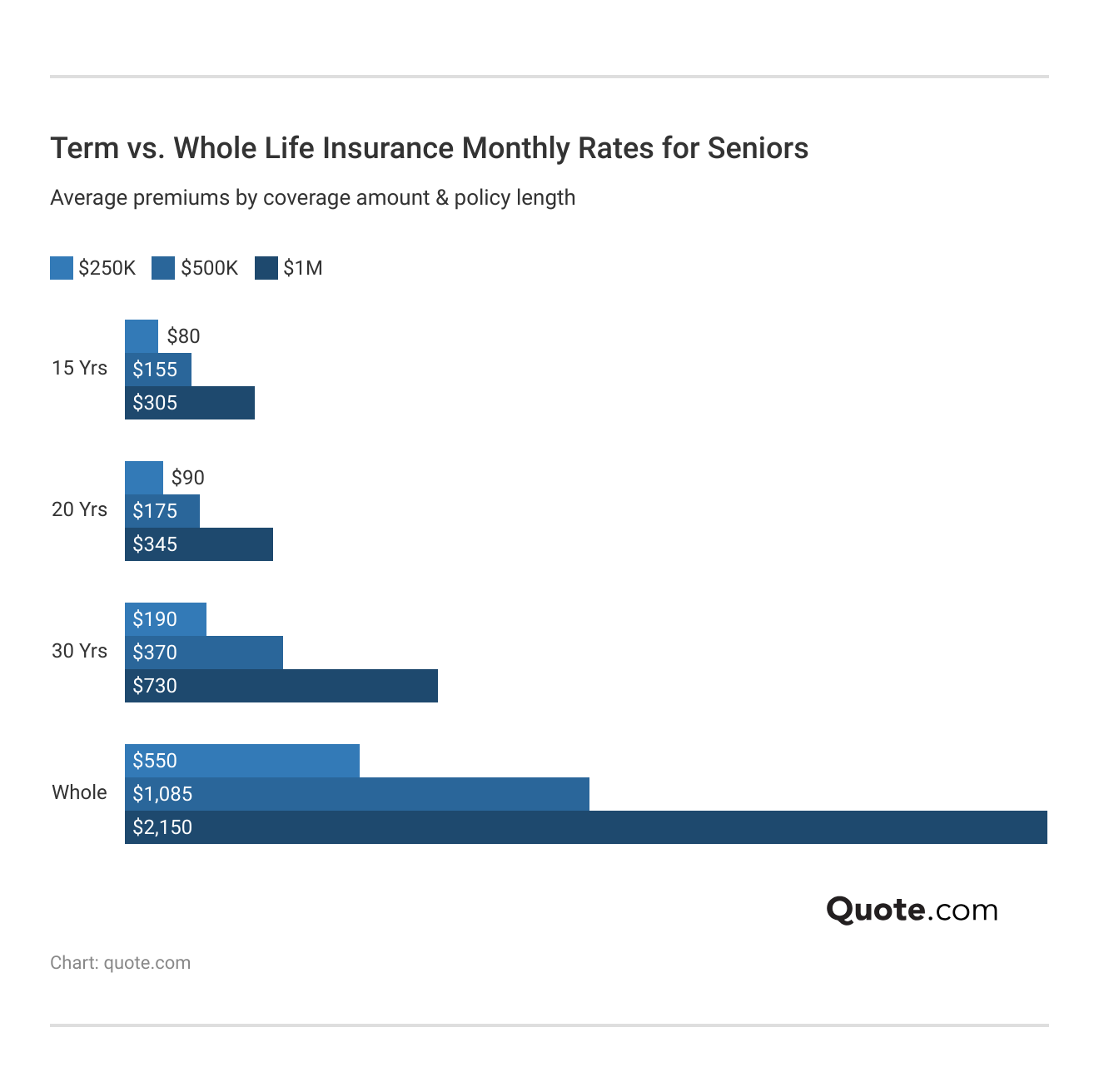
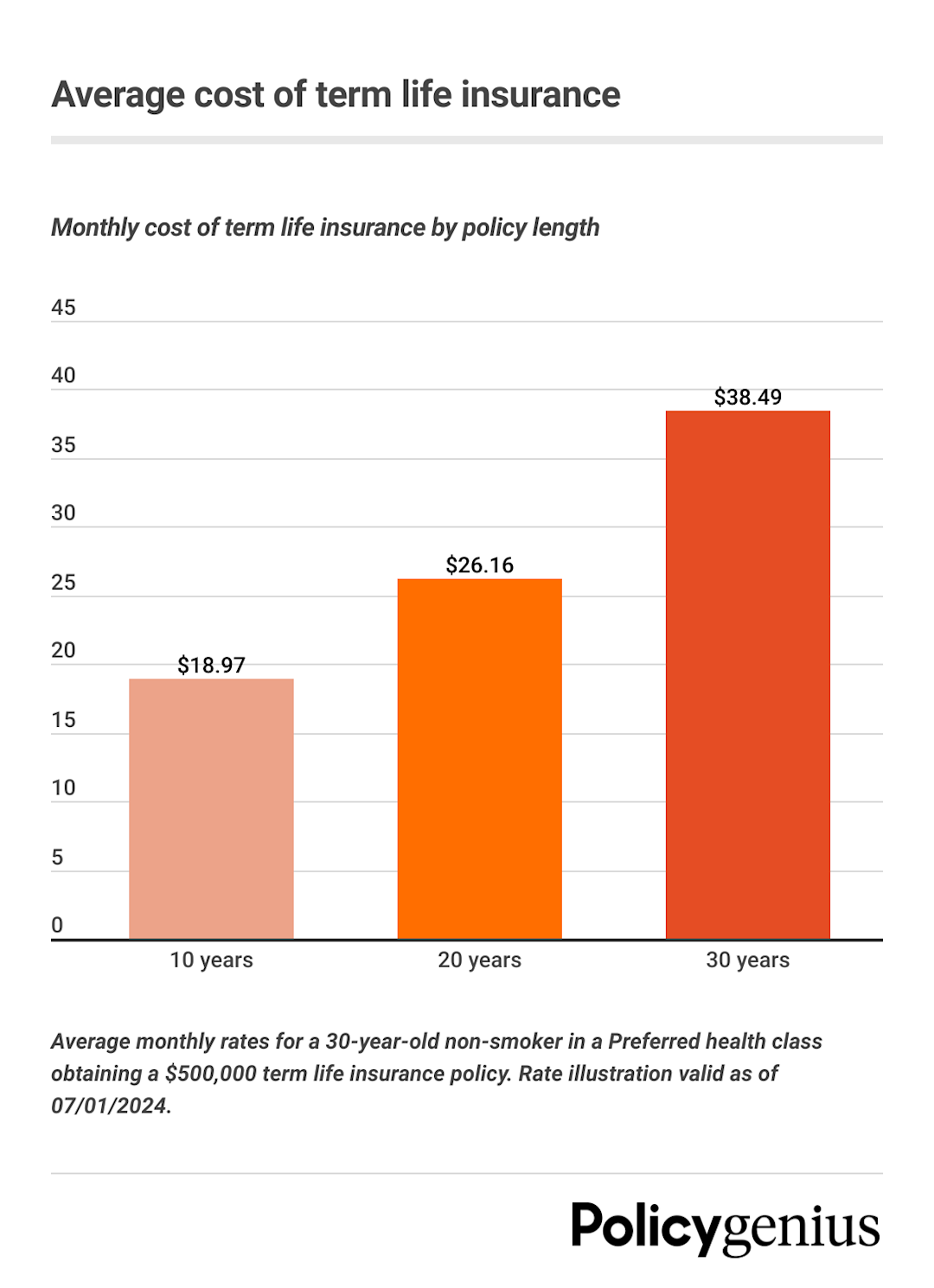
Term life insurance provides temporary coverage for a specific period, such as 10, 15, or 20 years. It offers the highest death benefit for the lowest initial cost, making it ideal for replacing income during working years, covering a mortgage, or protecting dependents until children are financially independent. For an older athlete, a 10-year term policy can bridge the gap until retirement accounts are fully matured. However, term rates increase substantially with each passing age bracket, and renewal at the end of a term can become cost-prohibitive.
Permanent life insurance, including whole life and universal life, provides lifetime coverage alongside a cash value component that grows on a tax-deferred basis. While initial premiums are significantly higher than term insurance, they remain level for the life of the policy. For older athletes who view estate planning, wealth transfer, or long-term financial security as priorities, permanent insurance locks in insurability regardless of future age-related health changes.
Preparing for the Medical Examination and Paramedical Interview
Maximizing underwriting outcomes requires deliberate preparation before the paramedical exam. Because insurers evaluate biological age against chronological age, presenting clean, optimized physiological markers can directly influence rate classification.
Athletes should schedule their paramedical exam during a period of normal training rather than immediately following an exhaustive competition or grueling training block. Extreme physical exertion can temporarily elevate markers such as creatine kinase (indicating muscle breakdown) or protein levels in urine, which may trigger unnecessary follow-up testing or underwriting delays. Adequate hydration and proper rest in the 48 hours leading up to the appointment ensure that resting heart rate and blood pressure readings accurately reflect baseline health.
Applicants should compile a comprehensive history of their athletic achievements, including recent race finishes, medical clearances from sports cardiologists or orthopedists, and documentation of any past injuries that have fully healed. Transparency during the paramedical interview is essential; failing to disclose a past orthopedic surgery or routine monitoring for an athletic heart adaptation can lead to policy rescission or claim denial later.
Frequently Asked Questions
Does being an athlete qualify me for a discount on life insurance?
Insurance companies do not offer a specific "athlete discount." Instead, they evaluate health markers. Because regular physical activity promotes lower blood pressure, optimal cholesterol ratios, and healthy body composition, active individuals frequently qualify for Preferred or Preferred Plus rate classes, which translate to the lowest available premiums.
How do life insurance companies view an "athletic heart" or ECG irregularities?
Endurance training frequently causes physiological adaptations, including sinus bradycardia or benign left ventricular hypertrophy, commonly referred to as an athletic heart. Underwriters experienced with active populations understand these variations. If an electrocardiogram (ECG) shows irregularities, insurers may request a clearance letter from a cardiologist or a stress echocardiogram to rule out pathological conditions.
Can I get life insurance if I take joint supplements or testosterone replacement therapy?
Standard joint supplements like glucosamine and chondroitin have no impact on life insurance rates. However, if an athlete uses hormone replacement therapy (HRT) or testosterone replacement therapy (TRT) to manage age-related declines, underwriters will investigate the underlying medical diagnosis prompting the treatment, such as hypogonadism, to ensure it is not linked to other cardiovascular or metabolic risks.
What happens if I develop an injury or illness after my policy is issued?
Once a term or permanent life insurance policy is approved and issued, the terms and premium rates are locked in. A subsequent sports injury, orthopedic surgery, or age-related illness will not increase your premiums or cancel your coverage, provided you continue to pay your premiums on time.
Are extreme sports participants required to disclose their hobbies?
Yes. Failing to disclose hazardous hobbies like skydiving, mountaineering, or extreme motor sports on an application constitutes material misrepresentation. Insurers cross-reference medical records and lifestyle questionnaires, and non-disclosure can result in denied claims. It is always best to work with an independent broker who can place coverage with an insurer friendly to specific athletic avocations.
Conclusion and Next Actions
Securing life insurance as an older athlete is entirely achievable when you approach the underwriting process with preparation and transparency. Focus on gathering your training history, medical clearances, and baseline health data before requesting quotes. To ensure you receive the most favorable classification for your physiological profile, consult with an independent insurance broker who specializes in working with active adults and understands how to present athletic conditioning accurately to top-tier carriers.
Image Gallery